The rigorous training of Prussian General Staff officers was not merely a system for producing competent subordinates; it was the crucible where the art of military leadership was forged. Far more than tactical execution, this elite education emphasized strategic foresight, meticulous planning, and the cultivation of individual initiative within a disciplined framework. The Prussian General Staff, an institution honed through centuries of warfare and reform, became a benchmark for military professionalism worldwide, its legacy deeply intertwined with the very concept of modern military leadership.
The path to becoming a Prussian General Staff officer was arduous, designed to identify and nurture individuals possessing exceptional intellect, character, and a deep understanding of military affairs. This selective process began long before a candidate ever set foot in a staff college, with rigorous evaluations of performance and potential at lower command levels.
Identifying the Future Elite: Beyond Battlefield Prowess
The Prussian military, deeply ingrained with a meritocratic ethos, recognized that true leadership extended beyond courage on the battlefield. While bravery and battlefield experience were essential, they were not sufficient. The selection process meticulously sought out officers who demonstrated:
- Intellectual Acuity and Analytical Skill: Candidates were assessed on their ability to grasp complex situations, break them down into constituent parts, and formulate logical solutions. This involved keen observation, critical thinking, and the capacity for abstract reasoning.
- Character and Integrity: The General Staff demanded unwavering integrity, discipline, and a profound sense of duty. Officers were expected to embody the highest moral standards, demonstrating honesty, loyalty, and a selfless commitment to the state and their troops.
- Physical and Mental Resilience: The demands of staff work and leadership were immense, requiring sustained effort under pressure. Candidates were evaluated on their stamina, their ability to withstand stress, and their capacity to maintain composure in the face of adversity.
- Adaptability and Innovation: The nature of warfare was constantly evolving. The selection process looked for individuals who could think creatively, adapt to changing circumstances, and were not rigidly bound by dogma.
The Early Career Pipeline: Building a Broad Foundation
Prospective staff officers typically emerged from the ranks of line officers who had distinguished themselves in service. Their early careers were characterized by a deliberate effort to expose them to a wide range of military experiences. This included:
- Command Experience at Various Levels: Officers were expected to have held command positions at platoon, company, and potentially battalion levels. This provided them with practical, hands-on experience in leading soldiers, understanding troop morale, and managing logistical challenges.
- Exposure to Different Branches of Service: While specialization was eventually necessary, early exposure to cavalry, infantry, and artillery provided a broader understanding of the strengths and weaknesses of each arm and how they could be integrated effectively.
- Formal Military Education: Attendance at divisional schools and other intermediate training establishments played a crucial role in building a foundational knowledge of military doctrine, tactics, and administrative procedures.
The training of Prussian General Staff officers has long been a subject of interest for military historians and strategists alike, as it laid the foundation for modern military organization and planning. For those looking to delve deeper into this topic, an insightful article can be found at this link, which explores the evolution of military education and the impact of the Prussian model on contemporary armed forces.
The Kriegs-Akademie: The Pinnacle of Staff Training
The Kriegs-Akademie (War Academy) in Berlin stood as the undisputed heart of Prussian General Staff officer training. Its curriculum was designed to transform competent officers into strategic thinkers, master planners, and ultimately, architects of military success. The Academy’s approach was comprehensive, encompassing theoretical knowledge, practical application, and the development of a unique professional ethos.
A Curriculum of Depth and Breadth
The Kriegs-Akademie’s curriculum was deliberately demanding, pushing students to their intellectual limits. It moved beyond rote memorization to cultivate a deep understanding of the principles that underpinned military operations. Key areas of study included:
- Military History and Strategy: A profound understanding of past conflicts was considered essential. Students analyzed campaigns, battles, and strategic decisions, identifying patterns, lessons learned, and the enduring principles of warfare. This historical perspective allowed them to draw upon the wisdom of generations and avoid repeating past mistakes.
- Grand Strategy and Politics: Recognizing that warfare was an instrument of policy, the Academy integrated political considerations into its training. Students studied international relations, diplomacy, and the political context in which military operations took place, understanding that military objectives must align with national policy.
- Operational Art and Tactics: While strategic thinking was paramount, a solid grasp of operational art – the bridge between strategy and tactics – and tactical execution was also vital. Students learned to plan and conduct large-scale maneuvers, coordinate different branches of service, and devise effective tactical solutions.
- Logistics and Administration: The success of any military operation hinges on its logistical support. The Academy placed significant emphasis on understanding supply chains, transportation, communication, and the efficient administration of vast armies.
- Military Science and Technology: This encompassed a broad range of subjects, including fortifications, ballistics, military engineering, and the evolving landscape of military technology. Students were expected to understand the capabilities and limitations of contemporary weaponry and equipment.
The Pedagogy of Critical Inquiry: Learning by Doing
The teaching methods at the Kriegs-Akademie were revolutionary for their time. They moved away from passive lectures towards active engagement and critical analysis.
- Case Studies and War Games: A cornerstone of the training involved the meticulous study of historical campaigns and the execution of complex war games. These simulations allowed students to grapple with realistic scenarios, make decisions under pressure, and experience the consequences of their choices in a controlled environment.
- Map Exercises and Staff Rides: Practical exercises were a constant feature. Map exercises honed planning skills, while staff rides involved physically traversing battlefields or operational areas, allowing students to gain a spatial understanding and visualize troop movements.
- Debates and Discussions: Students were encouraged to engage in spirited debates and discussions, challenging each other’s ideas and refining their own arguments. This fostered intellectual humility and the ability to articulate complex concepts clearly.
- Individual Research and Thesis Work: A significant component of the curriculum involved independent research on specific military problems, culminating in written theses. This developed analytical skills, research methodologies, and the ability to present well-reasoned arguments.
The Cultivation of Military Leadership: Beyond Technical Skill
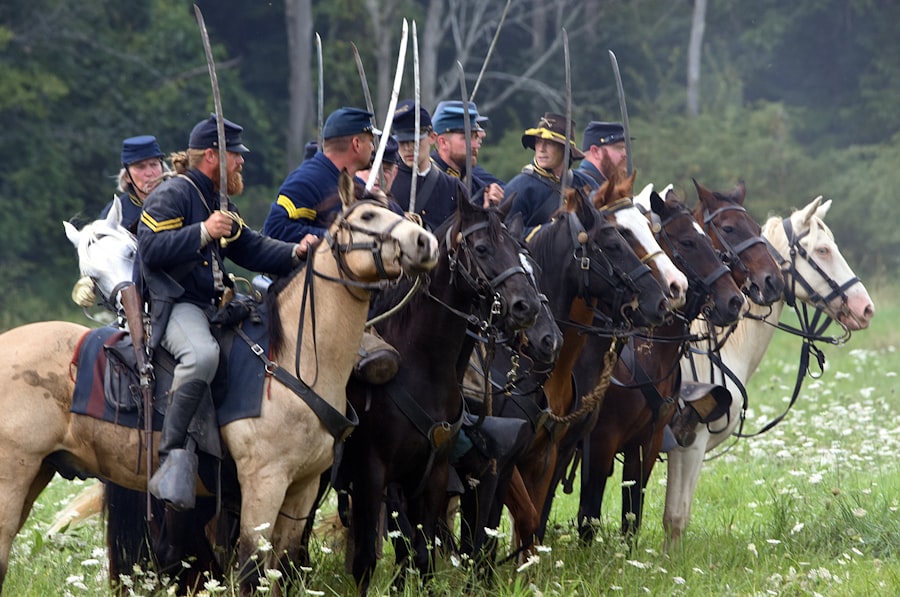
The Prussian General Staff officer was not merely a technician; they were a leader imbued with a specific ethos and a deep sense of responsibility. The training at the Kriegs-Akademie went beyond technical instruction to cultivate the character and mindset of an effective military leader.
The Importance of Initiative and Responsibility
While discipline and adherence to orders were paramount, the Prussian system also fostered a culture of initiative. General Staff officers were expected to:
- Understand the Commander’s Intent: This was a core principle. Officers were trained to discern the underlying objectives and spirit of their commander’s orders, allowing them to act decisively and appropriately even when faced with unforeseen circumstances.
- Exercise Discretion: In the fog of war, commanders could not micro-manage every detail. Staff officers were empowered to exercise reasoned discretion within their assigned responsibilities, making sound judgments without constant direct supervision.
- Accept Accountability: With initiative came accountability. Officers were trained to take full responsibility for their decisions and actions, learning from both successes and failures.
Developing the Commander’s Eye: Foresight and Anticipation
A hallmark of superior leadership is the ability to anticipate future developments. Prussian staff training emphasized:
- Intelligence Analysis and Synthesis: Staff officers were trained to collect, analyze, and synthesize vast amounts of intelligence from various sources, identifying potential threats, opportunities, and enemy intentions.
- Contingency Planning: Recognizing that no plan survives contact with the enemy, officers were drilled in developing multiple contingency plans for a range of potential scenarios. This ensured that the army was prepared to adapt to changing battlefield conditions.
- Understanding the Enemy: A deep and nuanced understanding of the enemy’s capabilities, doctrine, morale, and potential courses of action was crucial. This required not just analyzing their military strengths but also understanding their political and psychological landscape.
Building Trust and Professional Relationships
The General Staff operated as a cohesive unit, relying on strong interpersonal relationships and mutual trust. The training fostered:
- Teamwork and Collaboration: Students learned to work effectively in teams, valuing diverse perspectives and contributing to a collective effort.
- Respect for Subordinates and Superiors: A hierarchical system requires respect at all levels. Staff officers were taught to treat their subordinates with fairness and respect, while also demonstrating deference and loyalty to their superiors.
- The “Old Boys’ Network” (Implicitly): While not an official part of the curriculum, the shared experience and rigorous training at the Kriegs-Akademie forged strong bonds among graduates. This created a network of trusted professionals who understood each other’s strengths and approaches, facilitating seamless cooperation in future assignments.
The Art of War as a Continuous Learning Process
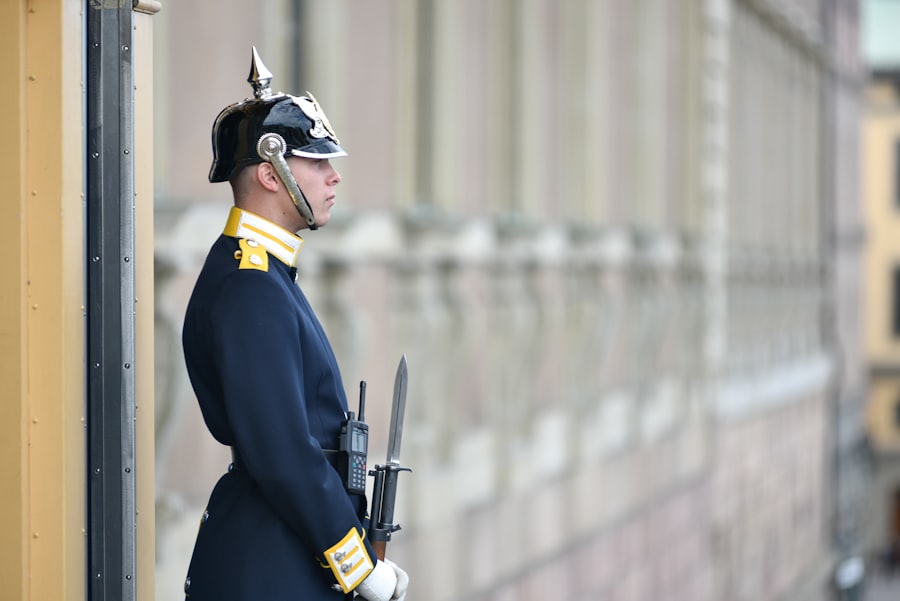
The Prussian General Staff understood that military leadership was not a static endpoint but a continuous process of learning and adaptation. The training, therefore, was designed to instill a lifelong commitment to professional development.
The Importance of Post-Academy Experience
Graduation from the Kriegs-Akademie was not the end of learning; it was the beginning of its practical application.
- Assignment to Operational Units: Newly minted staff officers were typically assigned to corps or army headquarters, where they immediately applied their skills in real-world planning and execution.
- Rotation and Diverse Assignments: To further broaden their experience, officers were often rotated through different assignments, including service in various army corps, ministries, and even diplomatic missions related to military affairs.
- Exposure to War Itself: The ultimate training ground was often actual warfare. Experiencing combat firsthand provided invaluable lessons that no simulation could fully replicate. These experiences informed their future planning and decision-making.
The Role of the General Staff in Modernization
The Prussian General Staff was not content with maintaining the status quo. It actively engaged in the continuous modernization of the armed forces.
- Formulating Doctrine: The General Staff was instrumental in developing and refining military doctrine, ensuring that the army operated with a consistent and effective set of principles.
- Advising on Technology and Innovation: They played a crucial role in evaluating new military technologies and advising the government on their adoption and integration into the armed forces.
- Strategic Foresight: The staff continuously analyzed the evolving geopolitical landscape, anticipating future threats and advising on the necessary military preparations.
The training of Prussian General Staff officers has long been a subject of interest for military historians and strategists alike, as it laid the groundwork for modern military education and operational planning. A related article that delves into the intricacies of this training can be found on In the War Room, which explores how the principles developed by the Prussian General Staff continue to influence contemporary military practices. For more insights, you can read the article here.
Legacy and Enduring Influence
| Training Component | Description |
|---|---|
| Duration | 2 years |
| Focus | Tactical and strategic planning, logistics, intelligence gathering |
| Curriculum | Emphasis on military history, mathematics, science, and languages |
| Exams | Written and practical exams to test knowledge and skills |
| Graduates | Highly skilled officers capable of leading in combat and peacetime |
The Prussian General Staff’s approach to officer training left an indelible mark on military history. Its principles and methodologies were studied, emulated, and adapted by military institutions across the globe, particularly during the late 19th and early 20th centuries.
The Model for Professionalization
The Prussian General Staff system became the gold standard for military professionalization. It demonstrated the power of a dedicated, highly trained, and intellectually rigorous staff in supporting and enhancing military command.
- Elevating the Role of the Staff: Before the Prussian model, staff roles were often filled by individuals with less formal training or by those simply assigned to assist a commander. The Prussian system transformed the General Staff into an indispensable strategic and operational brain trust.
- Establishing a Professional Ethos: The emphasis on intellect, character, and dedication fostered a distinct professional ethos that became synonymous with elite military service.
The Art of Military Leadership Defined
The training at the Kriegs-Akademie was not just about mastering tactics; it was about cultivating the very essence of military leadership.
- Strategic Vision: The ability to see the bigger picture, understand the political and economic dimensions of conflict, and formulate long-term objectives.
- Analytical Rigor: The capacity to dissect complex problems, evaluate evidence objectively, and make sound, data-driven decisions.
- Decisive Action: The courage and confidence to make difficult choices, often under immense pressure, and to see them through to execution.
- Adaptability: The understanding that warfare is fluid and the ability to adjust plans and strategies in response to unforeseen circumstances.
- Personal Responsibility: A profound sense of accountability for one’s actions and decisions, coupled with the initiative to act proactively.
The legacy of Prussian General Staff training continues to resonate today. While the specific curricula and technologies have evolved, the core principles of rigorous selection, comprehensive education, the cultivation of critical thinking, and the unwavering commitment to developing exceptional military leaders remain timeless. The art of military leadership, as perfected by the Prussians, is a testament to the enduring power of intellect, discipline, and foresight in the conduct of war and the service of the nation.

The Military Machine That Didn’t Need a Napoleon
FAQs
What is the Prussian General Staff officer training?
The Prussian General Staff officer training was a rigorous and comprehensive program designed to prepare officers for leadership roles within the Prussian military. It emphasized strategic thinking, operational planning, and decision-making skills.
When was the Prussian General Staff officer training established?
The Prussian General Staff officer training was established in 1810 by General Gerhard von Scharnhorst, who sought to reform the Prussian military following its defeat by Napoleon. The training program aimed to create a professional and competent officer corps capable of leading the Prussian army to victory.
What were the key components of the Prussian General Staff officer training?
The key components of the Prussian General Staff officer training included intensive study of military history, tactics, and strategy, as well as practical exercises in map reading, reconnaissance, and staff work. The program also emphasized critical thinking, problem-solving, and leadership development.
Who was eligible to attend the Prussian General Staff officer training?
Only the most promising and capable officers were selected to attend the Prussian General Staff officer training. Candidates were typically chosen based on their performance, aptitude, and potential for leadership within the Prussian military.
What was the impact of the Prussian General Staff officer training on military history?
The Prussian General Staff officer training had a profound impact on military history, as it produced a generation of highly skilled and innovative military leaders. The principles and methods taught in the program influenced military thinking and practice not only in Prussia, but also in other countries around the world. The success of the Prussian military in the 19th century, including its victories in the wars of German unification, can be attributed in part to the effectiveness of the General Staff officer training.