The Berlin Airlift, a monumental undertaking that defied the Soviet blockade and sustained the spirit of West Berlin, was more than just a logistical triumph. It was also a period punctuated by profound human resilience and unexpected moments of joy. Among these, the Berlin Airlift Easter Parade of 1949 stands as a particularly poignant and historically significant event, a testament to the enduring power of hope and community in the face of adversity. This event, though perhaps not as widely known as the daily flights of coal and food, offers a unique window into the psychological and social landscape of a city under siege, and the remarkable efforts made to foster a sense of normalcy and celebration.
The Berlin Blockade, initiated by the Soviet Union on June 24, 1948, was a calculated attempt to force the Western Allies out of Berlin. Following World War II, Germany and its capital were divided into four occupation zones. Berlin, however, was located deep within the Soviet zone, making its Western sectors vulnerable to Soviet pressure. The Soviets, angered by Western currency reforms in their zones and seeking to consolidate their control, cut off all land and water access to West Berlin. This meant no food, no medicine, no fuel, and no supplies could reach the over two million inhabitants of the Western sectors. The city faced starvation and an inevitable capitulation.
The Genesis of the Blockade: Geopolitical Tensions in Post-War Europe
The post-war world was a volatile landscape, characterized by the burgeoning Cold War. Ideological differences between the Soviet Union and the Western Allies – the United States, the United Kingdom, and France – created deep divisions. The Yalta and Potsdam conferences had laid out the framework for post-war Germany, but disagreements over reparations, political structures, and economic development quickly emerged. The introduction of the Deutsche Mark in the Western zones of Germany, intended to stabilize the economy and counter Soviet influence, was the immediate trigger for the blockade. The Soviets viewed this as a violation of post-war agreements and a step towards the formal division of Germany.
The Allied Response: Operation Vittles Takes Flight
The Western Allies were presented with a stark choice: abandon Berlin, risking a significant blow to their credibility and potentially fueling further Soviet expansion, or find a way to supply the city. The latter option seemed logistically impossible. Berlin was hundreds of miles from Western Allied bases, and the only viable access routes were air corridors, heavily dependent on Soviet approval. However, the Allied determination to stand firm led to the conception of “Operation Vittles,” later known as the Berlin Airlift. This audacious plan involved flying all necessary supplies into West Berlin using an armada of cargo planes.
The Daily Struggle for Survival: Life Under Blockade
For the citizens of West Berlin, the blockade meant a daily struggle for survival. Rations were severely limited, and essential services were strained. The constant threat of Soviet aggression hung over the city, fostering an atmosphere of uncertainty and fear. Yet, amidst these hardships, a remarkable spirit of resilience and unity emerged. The Berliners, though facing immense challenges, understood the significance of their city’s defiance and the crucial role the Airlift played in their survival. They organized themselves, shared what little they had, and looked to the sky with a mixture of hope and dependence.
The Berlin Airlift Easter Parade is a fascinating event that highlights the resilience and determination of those involved in the airlift operation during the Cold War. For a deeper understanding of the historical context and significance of this event, you can read a related article that delves into the challenges faced by the Allied forces and the impact of the airlift on Berlin’s citizens. To explore this insightful piece, visit In The War Room.
The Spark of Celebration: The Genesis of the Easter Parade
Against this backdrop of scarcity and tension, the idea of an Easter Parade began to take shape. Easter, a significant Christian holiday symbolizing hope, renewal, and resurrection, offered a powerful counterpoint to the grim reality of the blockade. It represented a desire to reclaim a sense of normalcy, to celebrate life amidst the existential threat, and to express gratitude to the Allied pilots who were their lifeline. The initiative for such a parade likely stemmed from a combination of civic leaders, community groups, and ordinary citizens yearning for a moment of collective joy and spiritual uplift.
Fostering Morale: The Psychological Need for Celebration
The psychological toll of the blockade was immense. The constant uncertainty, the fear of starvation, and the feeling of isolation could easily lead to despair. An event like an Easter Parade served a vital purpose in boosting morale. It provided a distraction from the daily hardships, a chance for people to come together, and a tangible expression of hope for a brighter future. In a city where survival was the primary focus, celebrating a traditional holiday was an act of profound defiance and a reaffirmation of their commitment to life.
A Symbol of Gratitude: Honoring the Airmen
The Berlin Airlift was a monumental logistical and human endeavor, and the pilots and ground crews who risked their lives daily to supply the city became heroes in the eyes of Berliners. An Easter Parade offered a perfect opportunity to express this deep gratitude. By involving the Allied forces in the festivities, the citizens could directly thank those who were their saviors. This interaction would foster goodwill and strengthen the bond between the city and its protectors.
Community Initiative: The Power of Collective Action
The organization of a large-scale event like an Easter Parade in a blockaded city would undoubtedly have been a significant undertaking. It would have required coordination between various community groups, the Allied military administration, and the citizens themselves. The very act of planning and executing such an event would have served as a powerful example of the community’s ability to mobilize and achieve common goals, further reinforcing their resilience.
The Spectacle of Hope: The Parade Unfolds
The Berlin Airlift Easter Parade, held on April 10, 1949, was a remarkable display of ingenuity and spirit. Despite the prevailing circumstances, the event managed to capture the essence of celebration and gratitude. Details of the parade suggest a blend of traditional Easter elements and the unique context of the Airlift.
The Procession: A Colorful Contrast to Austerity
Reports indicate that the parade featured a vibrant procession that wound its way through the streets of West Berlin. While resources were scarce, the citizens made do with what they had. Homemade decorations, colorful banners, and enthusiastic participants created a festive atmosphere. It is likely that children, adorned in their best, albeit perhaps mended, clothes, played a central role, their innocence and joy a stark contrast to the grim realities of their lives.
Allied Participation: A Symbol of Solidarity
The presence of Allied military personnel and their families was a crucial element of the parade. American, British, and French soldiers, some in uniform and others with their families, marched alongside the Berliners. This visible demonstration of solidarity sent a powerful message to both the citizens of Berlin and the Soviet Union: the Allies were united with Berlin and would not abandon it. Iconic military vehicles, perhaps adorned with Easter symbols, might have also been part of the procession, showcasing the strength and technological prowess that kept the city alive.
“Candy Bombers” and Children’s Joy: A Cherished Memory
One of the most enduring and heartwarming aspects of the Berlin Airlift was the story of the “Candy Bombers.” These pilots, inspired by the children watching the planes land, began dropping small parachutes with candy and chewing gum. This tradition, which began during the Airlift, likely played a significant role in the Easter Parade. Imagine the delight of children as they saw small parachutes descend from the sky, filled with sweet treats, during the procession. This act of kindness, born out of the crisis, would have amplified the joy and wonder of the Easter celebration for the youngest participants.
Music and Merriment: A Respite from the Hardship
Music is often an integral part of any celebration, and the Easter Parade was no exception. Local bands, perhaps making do with limited instruments, would have provided a lively soundtrack to the event. The sounds of music and laughter would have offered a much-needed respite from the constant hum of aircraft engines and the underlying anxieties of the blockade. It was an opportunity for people to forget their worries, even if only for a few hours, and to simply enjoy the fellowship and the spirit of the occasion.
Significance and Legacy: More Than Just a Parade
The Berlin Airlift Easter Parade was more than just a fleeting moment of festivity. It held profound significance for the people of Berlin and for the broader narrative of the Cold War. Its legacy extends beyond the immediate context of the blockade, offering valuable lessons about resilience, hope, and the enduring power of the human spirit.
A Symbol of Defiance and Resilience: The Unbreakable Spirit of Berlin
The very act of holding a large-scale public celebration during a time of extreme hardship was a powerful act of defiance. It demonstrated that the spirit of the Berliners could not be crushed by Soviet pressure. The parade was a tangible manifestation of their refusal to be intimidated and their commitment to maintaining their way of life. It reinforced the idea that even in the darkest of times, hope and joy can be cultivated.
Strengthening Allied-Berlin Relations: A Bond Forged in Crisis
The parade served to further solidify the already strong bond between the Allied forces and the citizens of West Berlin. The visible participation of Allied personnel fostered a sense of shared experience and mutual respect. It underscored the fact that this was not just an Allied effort to supply Berlin, but a joint struggle for freedom and self-determination. This shared experience would have a lasting impact on the relationship between Germany and the Western Allies.
A Narrative of Hope in the Cold War: Countering Soviet Propaganda
In the broader context of the Cold War, the Easter Parade served as a powerful counter-narrative to Soviet propaganda. While the Soviets sought to portray West Berlin as a failing outpost and its inhabitants as desperate and subjugated, the parade showcased a vibrant, resilient, and celebratory community. It demonstrated the success of the Allied airlift and the unwavering commitment of the Western powers, thereby bolstering morale and undermining Soviet claims.
Inspiring Future Generations: A Story of Courage and Kindness
The story of the Berlin Airlift, and specifically events like the Easter Parade, has been passed down through generations. It serves as an inspiring example of human courage, ingenuity, and the importance of international cooperation in times of crisis. The image of the “Candy Bombers” and the joyful faces of children at the parade are etched in the collective memory, reminding us of the kindness that can emerge even from the most challenging circumstances.
The Berlin Airlift Easter Parade is a fascinating event that highlights the resilience and determination of those involved in the airlift during a critical period in history. For a deeper understanding of the significance of this event, you can explore a related article that delves into the broader context of the Berlin Airlift and its impact on post-war Europe. This insightful piece can be found here, providing a comprehensive overview that complements the story of the Easter Parade.
The Lasting Echoes: The Airlift’s End and the Parade’s Memory
| Aspect | Details |
|---|---|
| Event | Berlin Airlift Easter Parade |
| Location | Berlin, Germany |
| Year | 1949 |
| Participants | US and British forces |
| Purpose | To show support for the Berlin Airlift and boost morale |
The Berlin Blockade officially ended on May 12, 1949, after 11 months of relentless Allied effort. The success of the Airlift was a decisive victory for the West and a major setback for the Soviet Union. While the immediate threat to Berlin was lifted, the memory of the blockade and the events that transpired during it remained deeply ingrained in the city’s consciousness.
The End of the Blockade: A City Breathes Again
The lifting of the blockade was met with immense relief and jubilation in West Berlin. The continuous flow of supplies meant that normalcy could slowly begin to return. The cessation of the constant threat and the promise of a more stable future brought about a profound sense of liberation. The daily rhythm of the Airlift, once a symbol of hope, could finally fade as land and sea routes reopened.
Preserving the Memory: Monuments and Stories
The legacy of the Berlin Airlift is preserved through various means, including monuments, museums, and historical accounts. The Easter Parade, though a specific event, is part of this larger narrative of resilience and triumph. Its memory is kept alive through oral histories, photographs, and the continued recognition of the profound impact of the Airlift on the city and the world.
The Symbolism of the Candy Bombers: A Generational Connection
The “Candy Bombers” remain one of the most beloved and enduring symbols of the Berlin Airlift. The act of dropping candy from the sky, initially a spontaneous gesture of kindness, evolved into a powerful symbol of the connection between the Allied pilots and the children of Berlin. This tradition, often revived with commemorative flights, continues to evoke a sense of wonder and gratitude, linking past generations to the present.
Lessons for the Present: International Cooperation and Humanitarianism
The Berlin Airlift and its associated events, including the Easter Parade, offer timeless lessons for the present day. They underscore the importance of international cooperation in the face of humanitarian crises and demonstrate the remarkable capacity of ordinary people to endure and to find joy even in the most challenging circumstances. The story of the Easter Parade serves as a potent reminder that even in the midst of political tension and hardship, the human need for community, celebration, and hope remains a powerful force.
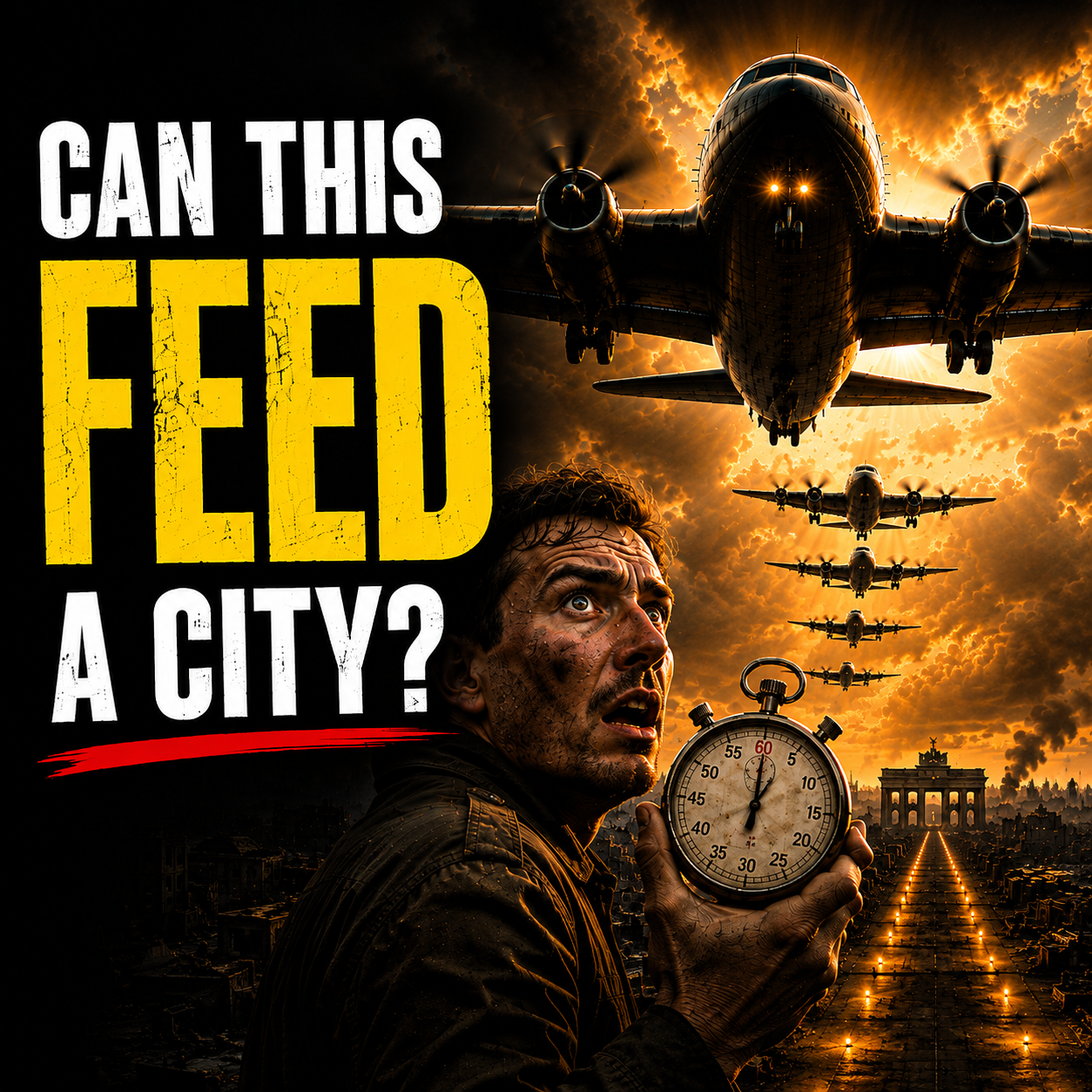
How 90 Seconds Kept 2 Million People Alive
FAQs
What was the Berlin Airlift Easter Parade?
The Berlin Airlift Easter Parade was a historic event that took place on Easter Sunday in 1949. It was a parade organized by the Western Allies to showcase their solidarity and determination to support West Berlin during the Berlin Airlift.
What was the Berlin Airlift?
The Berlin Airlift was a massive humanitarian effort undertaken by the Western Allies to supply West Berlin with food, fuel, and other necessities after the Soviet Union blockaded the city in 1948. The airlift lasted for over a year and involved thousands of flights delivering supplies to the people of West Berlin.
Why was the Berlin Airlift Easter Parade significant?
The Berlin Airlift Easter Parade was significant because it demonstrated the unity and resolve of the Western Allies in the face of Soviet aggression. It also served as a morale booster for the people of West Berlin, showing them that they were not alone in their struggle.
Who participated in the Berlin Airlift Easter Parade?
The parade was attended by military personnel from the United States, United Kingdom, and France, as well as representatives from other Western Allied countries. It also included a display of military equipment and vehicles used in the Berlin Airlift.
How did the Berlin Airlift Easter Parade contribute to the eventual success of the airlift?
The Berlin Airlift Easter Parade helped to rally support for the airlift effort both domestically and internationally. It showcased the determination of the Western Allies to stand up to Soviet aggression and ultimately contributed to the success of the airlift in ensuring the survival of West Berlin.