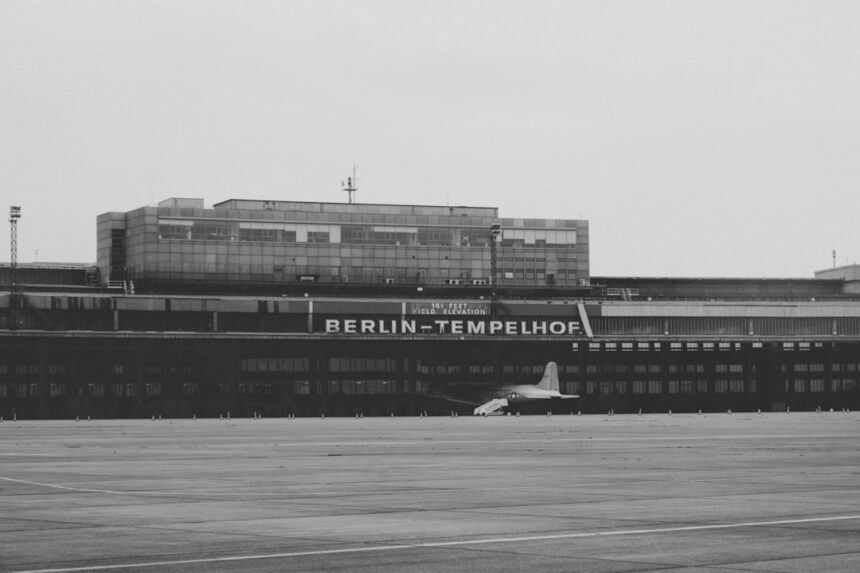
The year 1948 marked a critical juncture in the nascent Cold War. Following World War II, Germany and its capital, Berlin, were divided into four occupation zones controlled by the Allied powers: the United States, Great Britain, France, and the Soviet Union. Berlin, situated deep within the Soviet zone, became a peculiar microcosm of this division. As political tensions escalated between the Western Allies and the Soviet Union, the latter, in a dramatic gambit to assert control and force the Western powers out of the city, imposed a full blockade on all land and water routes into West Berlin. This audacious move, beginning on June 24, 1948, effectively severed the supply lines for over two million citizens, plunging them into a desperate struggle for survival. It was in this dire hour that an unprecedented humanitarian and logistical undertaking was born: the Berlin Airlift.
A Divided Germany, A Divided Berlin
The unconditional surrender of Nazi Germany in May 1945 brought an end to a devastating global conflict. However, the subsequent division of Germany and its capital, Berlin, by the victorious Allied powers, set the stage for future geopolitical struggles. The Potsdam Agreement formalized the occupation zones, but the inherent complexities of administering a capital city entirely surrounded by Soviet territory soon became apparent.
The Four-Power Administration and Its Frictions
Initially, the Allied powers agreed to a joint administration of Germany and Berlin, with each power responsible for a specific sector. This collaborative spirit, however, began to fray as ideological differences between the capitalist West and the communist East deepened. Disagreements arose over economic policies, denazification efforts, and the future political structure of Germany. The Soviet Union, wary of a resurgent Germany and eager to expand its sphere of influence, became increasingly obstructionist in the Allied Control Council.
Mounting Tensions and the Currency Reform
The Western Allies, recognizing the need for economic stability in their zones, moved forward with a crucial economic reform: the introduction of the Deutsche Mark on June 20, 1948. This currency reform, implemented without Soviet consent, was seen by Moscow as a direct challenge to its authority and a move towards the creation of a separate West German state. The Soviet Union responded swiftly and decisively, initiating the blockade just four days later.
The Soviet Objective: Starvation and Capitulation
The Soviet Union’s decision to blockade West Berlin was not an isolated act of aggression but a calculated strategic maneuver. Joseph Stalin and the Soviet leadership aimed to achieve several key objectives: to force the Western Allies to abandon their plans for West Germany, to consolidate Soviet control over Eastern Europe, and to demonstrate the vulnerability of the Western powers in a strategically crucial location.
The “Dumbest Thing” Stalin Ever Did?
While often portrayed as a decisive show of Soviet strength, some historians now view the Berlin Blockade as a significant miscalculation by Stalin. By imposing the blockade, the Soviets inadvertently galvanized Western resolve and created an opportunity for a powerful demonstration of commitment to democratic ideals. The world watched, and the Western Allies, rather than capitulating, responded with an ingenuity and determination that would become legendary.
The Illusion of Inevitable Western Withdrawal
Stalin likely believed that without access to essential supplies via land and water, the Western powers would be forced to withdraw from Berlin. The logistical challenges of supplying a city of over two million people solely by air seemed insurmountable to the Soviets. They underestimated the resourcefulness, technological prowess, and unwavering political will of the United States and its allies.
The Berlin Airlift supply system was a remarkable operation that showcased the resilience and ingenuity of the Allied forces during the Cold War. For a deeper understanding of the strategic implications and logistical challenges faced during this critical period, you can read a related article that delves into the intricacies of the airlift and its impact on post-war Europe. Check it out here: Berlin Airlift Insights.
The Unforeseen Solution: The Birth of the Berlin Airlift
The immediate aftermath of the blockade was one of shock and uncertainty. The Western Allies were faced with a stark choice: abandon Berlin, risking a significant blow to their credibility and the morale of the German population, or find an alternative means of supplying the beleaguered city. The idea of a massive airlift, while seemingly audacious, quickly emerged as the only viable option.
From Contingency Plan to Herculean Task
The concept of airlifting supplies was not entirely novel, but the scale required for Berlin was unprecedented. Military planners had to contend with the immense logistical challenges of transporting food, fuel, medicine, and other essential goods to a city under siege, while also ensuring the safety of the aircrews and the civilian population.
The Role of the United States Air Force and the Royal Air Force
The United States Air Force (USAF) and the British Royal Air Force (RAF) were the primary architects and executors of the airlift. American logistical expertise, coupled with British determination, formed the backbone of this monumental effort. Pilots, mechanics, air traffic controllers, and ground crews worked tirelessly, often in dangerous conditions, to keep the lifeline open.
The “Raisin Bombers” and the Symbol of Hope
One of the most poignant and enduring symbols of the airlift was the “Rosinenbomber” (Raisin Bomber). American pilot Gail Halvorsen, touched by the sight of German children watching the planes, began dropping candy attached to small parachutes. This small act of kindness, replicated by other pilots, transformed the imposing cargo planes into beacons of hope for the children of Berlin, fostering goodwill and strengthening the bond between the West Berliners and their liberators.
Overcoming Logistical Nightmares: Planes, Ports, and Persistence
The sheer scale of the airlift presented immense logistical hurdles. The capacity of the existing airports in West Berlin was limited, and the frequency of flights had to be dramatically increased. The coordination of hundreds of aircraft from different nations, operating under strict time constraints, required meticulous planning and execution.
The Airports of Necessity: Tempelhof, Gatow, and Tegel
Tempelhof Airport, with its iconic terminal building, became the central hub of the airlift. Gatow, a British-controlled airfield, also played a crucial role. Later, the newly constructed Tegel Airport, a testament to Allied ingenuity, expanded the airlift’s capacity significantly. These airports, once symbols of division, transformed into vital arteries of survival.
The “Air Bridge” Becomes the “Candy Bomber Bridge”
The constant stream of aircraft landing and taking off became a defining feature of Berlin’s skyline. The rhythm of the airlift dictated the daily lives of its citizens. Every landing represented a renewed promise of sustenance and freedom, a tangible counterpoint to the Soviet threat.
The Human Cost and the Spirit of Resilience

The Berlin Airlift was not just a story of planes and logistics; it was a testament to the indomitable spirit of the West Berliners and the commitment of the Allied powers. The residents of the blockaded city endured immense hardship, yet their resilience and unwavering belief in freedom were crucial to the airlift’s success.
Life Under Siege: Rationing, Darkness, and Despair
The blockade plunged West Berlin into a period of severe deprivation. Food shortages became commonplace, and citizens were forced to subsist on meager rations. The scarcity of coal meant widespread power outages, plunging homes and streets into darkness. The constant threat of starvation and the uncertainty of the future weighed heavily on the population.
“When will the planes come?” The Children of Berlin
For the children of West Berlin, the rumble of approaching aircraft became a symphony of hope. Their fascination with the planes, often eager to spot the candy drops, provided a sense of normalcy amidst the crisis. Their innocent joy served as a powerful reminder of what was at stake and the importance of the airlift.
The Will to Remain Free: A Defiant Stand
Despite the immense pressure, the vast majority of West Berliners refused to yield to Soviet demands. They saw the blockade as an attempt to extinguish their freedom and integrate them into the Soviet sphere. This collective resolve was a critical factor in the Western Allies’ decision to continue the airlift, knowing that the people of Berlin stood with them.
The International Stage: A Test of Western Resolve
The Berlin Airlift became a highly publicized international drama, a stark illustration of the ideological struggle between the East and the West. The world watched with bated breath as the fate of West Berlin hung in the balance.
The United Nations and the Moral Imperative
While the United Nations was in its nascent stages, the plight of West Berlin garnered significant international attention. The airlift was widely seen as a humanitarian mission and a moral imperative, solidifying global support for the Western Allies.
Propaganda Wars and Public Opinion
Both sides engaged in intense propaganda campaigns. The Soviets depicted the airlift as an act of Western imperialism, while the West framed it as a noble effort to defend freedom against communist aggression. The visual spectacle of the planes and the stories of the suffering Berliners resonated deeply with global public opinion, largely favoring the Western cause.
The Unprecedented Scale of Operation: The Statistics of Survival

The sheer magnitude of the Berlin Airlift is best understood through its quantifiable achievements. The dedication of thousands of personnel and the deployment of hundreds of aircraft resulted in an operation that defied conventional logistical wisdom.
The “Operation Vittles” and “Operation Plainfare”
The United States’ effort was officially codenamed “Operation Vittles,” while the British operation was known as “Operation Plainfare.” These names, though functional, barely hint at the immense undertaking they represented.
The Fleets of Aircraft: C-47s to C-54s
The airlift relied on a variety of aircraft, from the sturdy C-47 Skytrains to the larger and more capable C-54 Skymasters. As the airlift progressed, the efficiency and capacity of the aircraft increased, allowing for greater volumes of supplies to be delivered.
The Mountains of Cargo: Food, Fuel, and Everything In Between
Over the course of the airlift, an astonishing amount of cargo was delivered to West Berlin. Millions of tons of essential goods, including coal, flour, medical supplies, and even luxury items like candy and cigarettes, kept the city alive and its spirit from breaking.
The Relentless Pace: Flights Around the Clock
The airlift operated 24 hours a day, seven days a week, in all weather conditions. The efficiency of air traffic control and the dedication of the crews ensured a near-continuous flow of aircraft.
The “Minute Men” of the Sky: Landing and Takeoff Intervals
At the peak of the airlift, planes were landing and taking off at intervals of mere minutes. This remarkable tempo required an extraordinary level of coordination and discipline from all involved.
The Unsung Heroes: Mechanics and Ground Crews
While pilots often received the most public recognition, the tireless work of the mechanics and ground crews was indispensable. They ensured that the aircraft were airworthy, loaded efficiently, and ready for their next vital mission.
The Berlin Airlift was a remarkable operation that showcased the determination and ingenuity of the Allied forces during the Cold War. For those interested in exploring the intricacies of the supply system that made this airlift possible, a related article can provide valuable insights into the logistics and challenges faced during this historic event. You can read more about it in this informative piece on In the War Room, which delves into the strategies employed to ensure the success of the airlift and the impact it had on post-war Europe.
The End of the Blockade and the Legacy of the Airlift
| Metrics | Data |
|---|---|
| Duration of the Berlin Airlift | June 24, 1948 – May 12, 1949 |
| Total flights | Over 278,000 |
| Total cargo transported | Over 2.3 million tons |
| Number of participating aircraft | Over 300 |
| Number of participating countries | Over 10 |
After nearly a year of relentless effort, the Soviet Union, realizing the futility of its blockade and facing increasing international pressure, finally relented. On May 12, 1949, the land and water routes to West Berlin were reopened, marking a decisive victory for the Western Allies and a profound moment in post-war history.
A Symbol of Freedom and Determination
The Berlin Airlift transcended its immediate purpose of supplying a besieged city. It became a powerful symbol of Western resolve, democratic values, and the lengths to which nations would go to defend freedom. The images of planes delivering life-saving cargo became etched in the collective memory of the world.
The Birth of a New Germany
The successful airlift not only saved West Berlin but also solidified its place within the Western bloc. It paved the way for the establishment of the Federal Republic of Germany (West Germany) in 1949, a sovereign state that would become a crucial NATO ally.
The “Spirit of Berlin” Endures
The spirit of resilience and cooperation fostered during the airlift left an indelible mark on Berlin. The gratitude of the West Berliners towards the Allied powers, particularly the Americans and the British, endured for decades. The “Spirit of Berlin,” characterized by defiance, solidarity, and a deep appreciation for freedom, was forged in the crucible of the blockade.
A Defining Moment of the Cold War
The Berlin Airlift stands as one of the most significant early confrontations of the Cold War. It demonstrated the commitment of the Western powers to contain Soviet expansionism and set a precedent for future confrontations and diplomatic maneuvering. It also highlighted the immense logistical and technological capabilities of the United States and its allies.
The Marshall Plan and Economic Recovery
The airlift was closely linked to the broader post-war reconstruction efforts, including the Marshall Plan. The successful supply of West Berlin underscored the viability of Western economic models and the importance of economic stability in preventing the spread of communism.
The Division Remains: A Lingering Shadow
While the blockade was lifted, the division of Germany and Berlin remained a stark reality. The airlift, while a triumph for the West, also underscored the deep ideological chasm that would define the Cold War for decades to come, a chasm that would eventually be symbolized by the imposing Berlin Wall. Nevertheless, the Berlin Airlift remains a remarkable testament to human ingenuity, courage, and the unwavering pursuit of freedom in the face of seemingly insurmountable odds. It was, in every sense of the word, a lifeline to a blockaded city.

How 90 Seconds Kept 2 Million People Alive
FAQs
What was the Berlin Airlift supply system?
The Berlin Airlift supply system was a massive humanitarian effort to supply the citizens of West Berlin with food, fuel, and other necessities after the Soviet Union blockaded all land and water routes into the city in 1948.
How did the Berlin Airlift supply system work?
The Berlin Airlift supply system involved Western Allied forces flying in supplies to West Berlin using cargo planes. Over 200,000 flights were made, delivering over 2.3 million tons of supplies during the 15-month operation.
What were the key challenges of the Berlin Airlift supply system?
The key challenges of the Berlin Airlift supply system included the sheer volume of supplies needed to sustain the population of West Berlin, as well as the logistical and operational difficulties of coordinating such a massive airlift operation.
What was the significance of the Berlin Airlift supply system?
The Berlin Airlift supply system was significant as it demonstrated the determination of the Western Allies to support West Berlin and resist Soviet aggression. It also marked a turning point in the Cold War, leading to the eventual division of Germany into East and West.
How did the Berlin Airlift supply system come to an end?
The Berlin Airlift supply system came to an end in May 1949, when the Soviet Union lifted the blockade after realizing that the airlift was successfully sustaining the population of West Berlin.