The crimson glow of dawn painted the fractured sky over Berlin, a daily reminder of the city’s precarious existence. For nearly a year, the Western sectors of Berlin, isolated within Soviet-controlled East Germany, had been under a relentless blockade. The Soviet Union, aiming to force the Western Allies out, had severed all land and water routes, leaving over two million civilians and a significant Allied garrison on the brink of starvation and collapse. The response was audacious, unprecedented, and a testament to human ingenuity under duress: the Berlin Airlift. It was an operation of staggering logistical complexity, a grand engineering feat that defied conventional wisdom and reshaped the understanding of air transport.
The Berlin Blockade, initiated on June 24, 1948, presented a formidable logistical conundrum. The city’s lifeline, previously reliant on a dense network of roads, railways, and canals, was abruptly severed. The sheer volume of necessities required to sustain a modern urban population was astronomical. Food, fuel, medicine, raw materials for essential industries, and even basic consumer goods had to be imported. The city’s pre-blockade consumption of coal alone was estimated at over 4,000 tons per day, a figure that sent shivers down the spines of planners.
Quantifying the Unquantifiable: Estimating Berlin’s Needs
The initial challenge was not just to fly supplies, but to accurately determine what and how much was needed. Allied planners, working with the Berlin Magistrat (city government), embarked on a painstaking process of calculating the city’s daily requirements. This wasn’t a static figure; it fluctuated with the seasons and the effectiveness of rationing.
Foodstuffs: The Foundation of Survival
The most critical component was food. Estimates ranged from the caloric needs of every man, woman, and child to the specific types of grain, potatoes, and other staples essential for a balanced diet. Understanding the nutritional impact of a limited diet was also crucial, as was accounting for spoilage and the specific storage requirements of different foodstuffs.
Fuel: Powering the City and the Cold
Beyond sustenance, Berlin needed fuel to survive the harsh German winters and to power its essential services. Coal for heating homes and generating electricity was paramount. Gasoline and diesel were required for the remaining vehicles and for maintaining infrastructure. The logistical calculations had to factor in not only the volume but also the hazardous nature of transporting fuel.
Industrial and Medical Supplies: The Backbone of a Functioning Society
Even under siege, Berlin was not merely surviving; it was attempting to function. Essential raw materials for its limited industries, such as cement and steel, had to be imported. Likewise, a steady supply of medical provisions, from basic bandages to complex surgical equipment and pharmaceuticals, was vital for the well-being of the populace and Allied personnel.
The Psychological Factor: More Than Just Material Needs
While difficult to quantify in tonnage, the psychological impact of the airlift was equally important. The consistent arrival of aircraft, carrying symbols of hope and connection to the outside world, played a crucial role in maintaining morale. This intangible element, though not directly measurable in cargo weight, was an implicit requirement for the airlift’s success.
The Berlin Airlift, a remarkable engineering feat, showcased the ingenuity and determination of the Allied forces during a critical period in history. For those interested in exploring the technical challenges and innovations that made this operation possible, a related article can be found at In the War Room. This resource delves into the logistics and engineering solutions that were implemented to sustain the airlift, highlighting the collaborative efforts that ensured the success of this monumental mission.
Orchestrating the Sky: The Aircraft and Infrastructure Challenge
The sheer volume of goods, coupled with the limited operational capacity of the existing airfields in West Berlin, presented an immediate and overwhelming challenge. The solution required a radical reimagining of air transport and the rapid expansion of infrastructure.
The Aircraft: A Diverse and Strained Fleet
The initial airlift relied on a mixed fleet of aircraft, a testament to the urgency and the available resources. However, the sheer scale of the operation quickly highlighted the limitations of existing transport aircraft.
The C-47 Skytrain (Dakota): The Workhorse of the Early Days
The Douglas C-47 Skytrain, a robust and reliable workhorse of World War II, formed the backbone of the early airlift. Its ability to carry a significant payload and operate from relatively short and unpaved runways made it indispensable. However, the constant demand placed a severe strain on the available C-47s, requiring round-the-clock maintenance and rapid turnarounds.
The C-54 Skymaster: The Giant of the Airlift
As the airlift progressed, the larger and more capable four-engine Douglas C-54 Skymaster became the star of the operation. With a significantly greater payload capacity and longer range, the C-54 could carry more tonnage per flight, dramatically increasing the airlift’s efficiency. However, operating these larger aircraft demanded more sophisticated ground support and longer runways.
Adapting and Overcoming: Smaller Aircraft and Specialized Loads
Beyond the primary transport aircraft, a variety of smaller planes, including the Avro York and the Vickers Valetta, contributed to the effort. Specialized aircraft were also employed for specific tasks, such as carrying mail or even livestock, requiring careful consideration of cargo securing and environmental controls.
Airfield Expansion and Optimization: Creating a Skyport City
The existing airfields in West Berlin – Tempelhof, Gatow, and Tegel – were quickly overwhelmed. The volume of air traffic, a constant stream of takeoffs and landings, demanded a radical expansion and optimization of these facilities.
Tempelhof: The Heartbeat of the Airlift
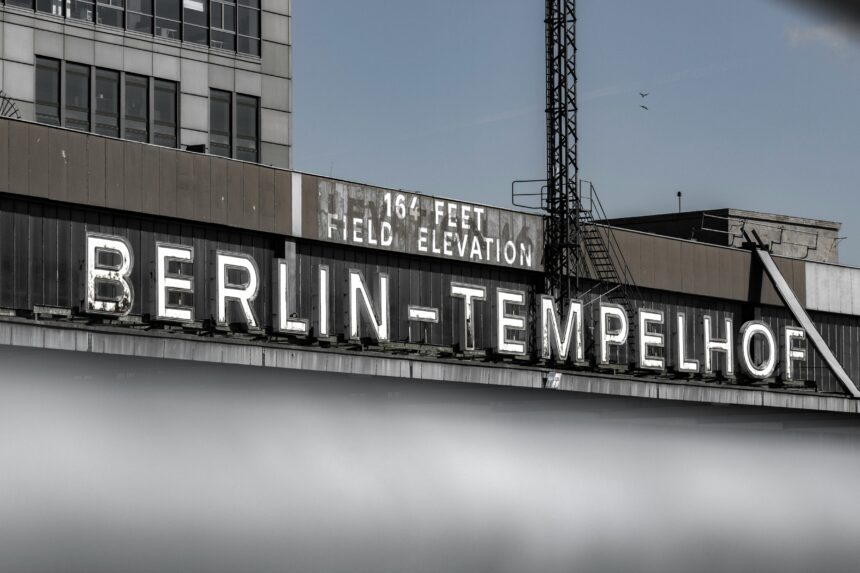
Tempelhof, with its iconic oval hangar, became the symbol of the airlift. Its central location and robust infrastructure made it the primary hub. However, the demands on its runways and ground operations were immense. Significant engineering efforts were undertaken to extend runways, improve taxiways, and increase aircraft parking capacity.
Gatow and Tegel: Expanding Capacity and Specialization
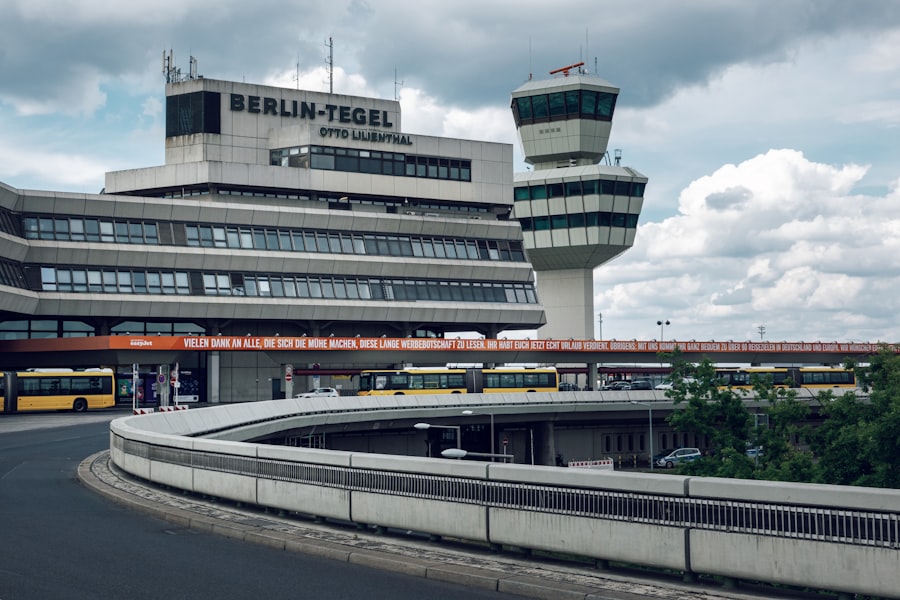
Gatow, primarily a British airfield, also played a crucial role. The most significant expansion, however, occurred at Tegel. Originally a Luftwaffe airbase, Tegel was rapidly rebuilt and expanded by the Americans to handle the increasing traffic. Its strategic location and the ability to accommodate larger aircraft made it a vital component of the overall network.
The Innovation of Parallel Runways and Ground Traffic Management
To overcome the bottleneck of single runways, engineers implemented innovative solutions, including the construction of parallel runways where possible. Sophisticated ground traffic control systems were developed and refined to manage the constant flow of aircraft, ensuring safety and maximizing efficiency. The concept of an operational “skyport city” began to take shape, with dedicated areas for cargo handling, refueling, maintenance, and crew rest.
The Art of the Turnaround: Maximizing Aircraft Utilization

In any logistical operation, time is a critical resource. For the Berlin Airlift, where every minute counted, the speed and efficiency of aircraft turnaround were paramount. This involved a highly coordinated, almost military-style precision in ground operations.
From Landing to Takeoff: A Race Against the Clock
The goal was to minimize the time an aircraft spent on the ground. This meant having everything prepared for its arrival and departure, from unloading cargo to refueling and boarding the next load.
Ground Crew: The Unsung Heroes
A dedicated and highly motivated ground crew was essential. These individuals, working in all weather conditions, were responsible for a multitude of tasks: unloading cargo, refueling, marshaling aircraft, and ensuring safety protocols were followed. Their efficiency directly translated into more flights and more supplies reaching Berlin.
Standardized Procedures: The Key to Efficiency
To achieve the necessary speed, highly standardized procedures for loading, unloading, and servicing aircraft were developed and rigorously adhered to. This eliminated guesswork and ensured that each step of the turnaround process was performed with maximum efficiency.
The “Touch-and-Go” Philosophy: Minimizing Downtime
The concept of minimizing “dwell time” was central. Aircraft were often refueled while cargo was being unloaded or loaded. The goal was to have an aircraft in the air again as quickly as possible, contributing to the overall tonnage delivered.
The “Block Lift” System: A Continuous Flow of Supplies
The airlift operated on a continuous flow model, often referred to as the “Block Lift.” Flights were scheduled in meticulously planned blocks throughout the day and night, ensuring a constant stream of aircraft in the air and a steady supply of goods reaching Berlin. This required a sophisticated scheduling system that accounted for aircraft availability, cargo requirements, weather conditions, and airfield capacity.
Overcoming the Elements: Weather and Air Traffic Control
The skies over Berlin were not always clear. Navigating the vagaries of weather, especially during the harsh European winters, presented a significant challenge to the consistent operation of the airlift. This, coupled with the unprecedented volume of air traffic, necessitated the development of sophisticated air traffic control systems.
Navigating the Skies: Weather as a Constant Adversary
The harsh Central European climate could turn a routine flight into a dangerous undertaking. Fog, snow, ice, and strong winds were recurring problems that threatened to disrupt the airlift’s rhythm.
Instrument Flight Rules (IFR): Flying Blind with Precision
The ability to fly under Instrument Flight Rules (IFR) was essential. This meant relying on instruments and navigational aids to guide aircraft through low visibility conditions. The development and deployment of advanced navigation systems, including Ground Controlled Approach (GCA) and various radio beacons, were critical.
Weather Forecasting and Communication: The Eyes of the Airlift
Accurate and timely weather forecasting was vital. Meteorologists worked tirelessly to provide real-time updates to flight crews and air traffic controllers, allowing for informed decisions about flight schedules and routes. Effective communication channels were established to disseminate this information rapidly.
The Dawn of Advanced Air Traffic Control: Managing the Sky as a Highway
The sheer density of aircraft operating in the airspace around Berlin required a revolutionary approach to air traffic control. The existing systems were simply not designed for such a volume.
The “Corridor” System: Establishing Air Highways
To manage the inbound and outbound traffic, established air corridors were created. These were designated flight paths that aircraft had to follow, reducing the risk of mid-air collisions and streamlining the flow of traffic. These corridors were effectively air highways, with strict rules for altitude, speed, and spacing.
Ground-Controlled Approach (GCA): Landing in the Fog
GCA, a radar-based landing system, proved to be a lifesaver. It allowed aircraft to be guided safely to the runway by controllers on the ground, even in near-zero visibility conditions. This technology was instrumental in keeping the airlift operational during periods of poor weather.
The Human Element: Skilled Controllers and Dedicated Crews
While technology was crucial, the human element remained indispensable. Highly skilled and dedicated air traffic controllers worked tirelessly to manage the complex airspace. Flight crews, in turn, demonstrated remarkable skill and professionalism in navigating challenging conditions and adhering to strict procedures.
The Berlin Airlift was a remarkable engineering feat that showcased the ingenuity and determination of those involved in overcoming significant logistical challenges. For a deeper understanding of the engineering innovations that played a crucial role during this period, you can explore a related article that delves into the specifics of air transport and supply chain management during the airlift. This insightful piece can be found here and provides a comprehensive look at how these advancements were pivotal in ensuring the success of the operation.
The Legacy of the Airlift: Engineering for Peace and Progress
| Metrics | Data |
|---|---|
| Duration of Airlift | June 24, 1948 – May 12, 1949 |
| Total Flights | Over 277,000 flights |
| Total Tonnage of Supplies | Over 2.3 million tons |
| Number of Airlift Personnel | Over 200,000 personnel |
| Number of Aircraft Used | Over 300 aircraft |
The Berlin Airlift was far more than a logistical triumph; it was a profound statement of political will and a testament to the power of human collaboration in the face of adversity. Its legacy extends far beyond the immediate relief it provided to Berliners.
A Masterclass in Logistics and Engineering Innovation
The airlift served as a real-world laboratory for logistical planning and engineering innovation. It forced a re-evaluation of the capabilities of air transport and laid the groundwork for future advancements in cargo aviation.
Advancements in Aircraft Design and Operation
The demands of the airlift spurred improvements in aircraft maintenance, operational efficiency, and the development of larger, more capable cargo planes. The principles of rapid turnaround and optimized flight scheduling that were honed during the airlift became standard practice in the aviation industry.
The Genesis of Modern Air Cargo Systems
The sophisticated systems of scheduling, routing, and ground support developed for the airlift can be seen as precursors to modern air cargo logistics. The experience gained directly influenced the development of dedicated cargo airlines and the infrastructure to support them.
A Symbol of Defiance and a Beacon of Hope
For the people of Berlin, the constant drone of aircraft engines was a symphony of reassurance. The airlift demonstrated to the world that the West would not abandon the city and that freedom could be sustained against even the most determined oppression.
The “Candy Bombers”: A Human Touch Amidst the Logistics
A poignant and enduring symbol of the airlift’s human dimension was the act of individual pilots dropping candy attached to tiny parachutes for the children of Berlin. These “Candy Bombers” transcended the purely logistical operation, injecting a vital element of hope and humanity into a challenging situation.
The “Bridge of Freedom”: A Lasting Alliance
The Berlin Airlift forged an unbreakable bond between the people of Berlin and the Allied nations. It solidified the commitment to defending democratic values and served as a powerful symbol of international cooperation. The “Bridge of Freedom,” as it came to be known, stood not just as a supply route, but as a testament to the enduring power of human spirit and the shared pursuit of liberty. The engineering challenges were immense, the logistics complex, but the outcome was a victory for humanity, a testament to what can be achieved when ingenuity and determination converge against overwhelming odds.

How 90 Seconds Kept 2 Million People Alive
FAQs
What was the Berlin Airlift engineering?
The Berlin Airlift engineering refers to the massive logistical operation that took place from June 1948 to September 1949 to supply West Berlin with food, fuel, and other necessities after the Soviet Union blocked all land and water routes to the city.
How did engineering play a role in the Berlin Airlift?
Engineering played a crucial role in the Berlin Airlift by designing and constructing airfields, improving aircraft performance, and developing new methods for loading and unloading cargo quickly and efficiently.
What were some of the engineering challenges faced during the Berlin Airlift?
Some of the engineering challenges faced during the Berlin Airlift included the need to rapidly expand existing airfields, optimize aircraft payload capacity, and develop new methods for delivering supplies in adverse weather conditions.
What were some of the key engineering achievements of the Berlin Airlift?
Some of the key engineering achievements of the Berlin Airlift included the successful construction of new airfields, the development of the “airbridge” concept for continuous supply operations, and the innovation of airdrop techniques for delivering supplies.
How did the Berlin Airlift engineering impact future logistical operations?
The engineering innovations and lessons learned from the Berlin Airlift had a lasting impact on future logistical operations, influencing the development of modern air cargo systems, airfield design, and supply chain management practices.