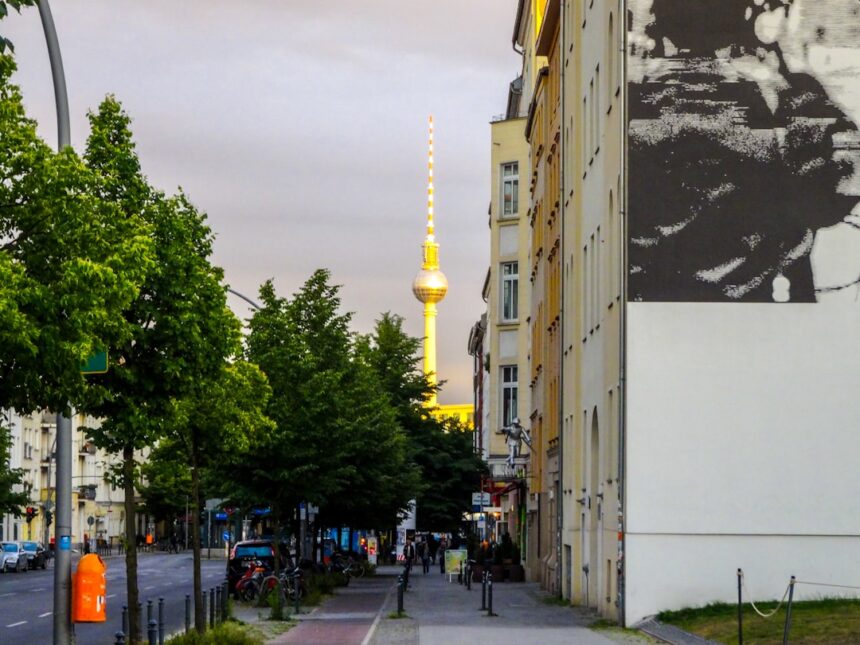
The stark reality of a world cleaved in two found its most tangible and heart-wrenching manifestation in Berlin. For nearly three decades, this once unified metropolis became a crucible of ideologies, a living, breathing testament to the Cold War’s suffocating grip. The documentary Divided City: Cold War Berlin meticulously excavates this complex and often brutal history, offering viewers a compelling and deeply human perspective on a period that shaped global geopolitics and forever altered the lives of millions. Through archival footage, firsthand accounts, and insightful analysis, the film plunges into the heart of this divided metropolis, revealing not just the geopolitical machinations but the profound personal stories etched into its concrete and barbed wire.
The physical embodiment of the Cold War’s division, the Berlin Wall, stands as the documentary’s central, chilling icon. Divided City spares no effort in illustrating its brutal imposition. Initially, it was a hastily erected barrier of barbed wire and cinder blocks, a desperate attempt to stem the tide of East Germans fleeing to the West. The film masterfully depicts the shock and disbelief that rippled through the city on August 13, 1961, as families were torn apart overnight. The seemingly innocuous construction of this barrier rapidly escalated into a formidable, heavily fortified edifice, a concrete manifestation of the Iron Curtain.
The Gradual Fortification: From Barbed Wire to the Death Strip
The documentary traces the evolution of the Wall from its rudimentary beginnings to its chillingly efficient final form. Early footage shows East German soldiers initially discouraging escape attempts, a stark contrast to the heavily armed guards and minefields that would later define the “death strip.” The film emphasizes the relentless Soviet and East German drive to make escape impossible, showcasing the innovative and increasingly lethal methods employed to prevent its citizens from seeking freedom. This gradual hardening of the barrier is presented not just as a security measure but as a psychological weapon, a constant reminder of the ideological chasm that separated East and West.
The Human Cost: Families Torn Asunder
Beyond the bricks and mortar, the true tragedy of the Wall lies in its human toll. Divided City is replete with poignant stories of families irrevocably separated. The film interweaves interviews with individuals who recall the agonizing moments of farewell, the desperate attempts to communicate across the divide, and the decades of longing for lost loved ones. These personal narratives provide an emotional anchor, transforming abstract geopolitical conflict into relatable human suffering. The sheer arbitrariness of the division, often cutting through streets and even buildings, underscores the senselessness of the separation and the immense personal sacrifices made.
The Spectacle of Escape: Daring and Desperate Acts
The documentary also captures the sheer audacity and desperation of those who attempted to breach the Wall. Viewers are treated to harrowing accounts of tunnels dug in secret, elaborate disguises, and daring leaps from windows. The film doesn’t shy away from the grim realities of these attempts; many ended in tragedy, with individuals losing their lives to the bullets of border guards. Yet, the persistent spirit of defiance and the yearning for freedom are powerfully conveyed through these often-tragic narratives. The film highlights the ingenuity born of desperation, demonstrating the lengths to which people would go to reclaim their liberty.
For those interested in exploring the complexities of Cold War Berlin, the documentary “Berlin: The Wall” offers an in-depth look at the city’s division and the impact it had on its residents. This film captures the tension and resilience of a city caught in the crossfire of ideological conflict. To further enhance your understanding of this pivotal period, you can read a related article that delves into the historical context and significance of Berlin during the Cold War. Check it out here: In the War Room.
Two Cities, Two Worlds: Life Under Different Regimes
The Berlin Wall was more than just a physical barrier; it was a stark demarcation between two vastly different socio-political systems. Divided City meticulously contrasts the daily lives of East and West Berliners, exposing the profound disparities in freedom, opportunity, and ideology. The film paints a vivid picture of the stifling control exerted by the East German state, the omnipresent surveillance, and the limited access to information, juxtaposed with the relative freedoms and consumerist culture of West Berlin.
East Berlin: The Illusion of Utopia and the Reality of Control
The documentary delves into the lived experience of East Berliners under communist rule. It explores the propaganda machine of the German Democratic Republic (GDR), which presented a carefully curated image of a socialist paradise. However, Divided City quickly peels back this veneer to reveal a society characterized by scarcity, pervasive state surveillance by the Stasi, and a pervasive sense of resignation. Interviews with former East Germans reveal the constant pressure to conform, the fear of reprisal, and the quiet acts of dissent that characterized daily life. The film highlights the psychological impact of living in a closed society, where individual expression was often suppressed.
West Berlin: An Island of Freedom in a Communist Sea
In stark contrast, West Berlin is depicted as an vibrant, bustling metropolis, a beacon of Western democracy and capitalism. The film showcases the palpable sense of freedom enjoyed by its inhabitants, the unfettered access to information and goods, and the thriving cultural scene. However, Divided City also acknowledges the unique precariousness of West Berlin’s existence – an island of freedom entirely surrounded by communist territory. This constant underlying tension, the knowledge of being a vulnerable outpost of the West, is presented as a defining characteristic of West Berlin life during the Cold War. The film illustrates the palpable sense of solidarity and resilience that emerged from this unique geopolitical situation.
The Stasi: The Eyes and Ears of the State
A significant portion of the documentary is dedicated to the omnipresent and notorious East German secret police, the Stasi. Divided City provides chilling insights into their pervasive surveillance network, their methods of intimidation, and their role in crushing dissent. The film includes interviews with former Stasi officers and victims, offering a disturbing yet essential glimpse into the mechanisms of state control. The sheer scale of their operation, the infiltration of every aspect of society, and the systematic erosion of trust are laid bare, revealing the psychological toll such a regime inflicted on its populace.
The Frontline of Ideology: Berlin as a Global Stage
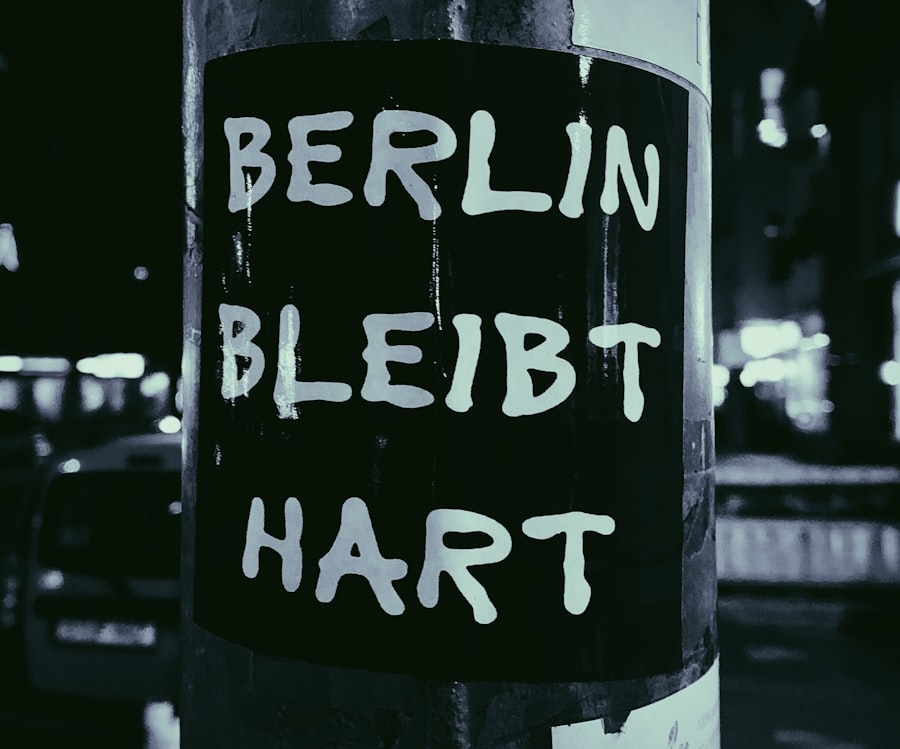
Berlin was not merely a divided city; it was the world’s most potent symbol of the Cold War’s ideological battle. Divided City masterfully positions Berlin as a global stage where the United States and the Soviet Union, and their respective allies, engaged in a constant ideological and political struggle. The city’s unique status as a shared occupation zone after World War II, and later as a divided entity, made it a focal point for international attention and a recurring site of diplomatic tension.
The Berlin Airlift: A Symbol of Western Resolve
The documentary revisits the monumental Berlin Airlift of 1948-1949, a pivotal moment that solidified Western resolve in the face of Soviet aggression. Divided City recounts how the Western Allies, in response to the Soviet blockade of West Berlin, launched an unprecedented aerial operation to supply the city with essential goods. The film emphasizes the ingenuity, the sheer scale, and the humanitarian imperative of this undertaking, portraying it as a resounding victory for freedom and a clear signal that the West would not abandon West Berlin. The images of planes flying round the clock, delivering food, fuel, and medicine, remain powerful symbols of defiance.
Kennedy’s “Ich bin ein Berliner”: A Moment of Solidarity
The film highlights iconic moments that underscored the global significance of Berlin. John F. Kennedy’s famous “Ich bin ein Berliner” speech in 1963 is presented not just as a powerful rhetorical flourish but as a profound statement of solidarity with the beleaguered citizens of West Berlin. Divided City explores the context and impact of this speech, illustrating how it resonated deeply with the West Berliners and served as a potent symbol of American commitment to their defense. The speech offered a much-needed psychological boost and reaffirmed the West’s unwavering support for the embattled city.
The Arms Race and Nuclear Brinkmanship
The documentary acknowledges that Berlin’s division was intrinsically linked to the wider Cold War arms race and the constant threat of nuclear annihilation. While not the primary focus, the film subtly underscores how Berlin served as a flashpoint where the superpowers’ military might and strategic calculations were put to the test. The palpable tension surrounding Berlin during various Cold War crises served as a constant reminder of the fragile peace and the ever-present danger of escalation.
The Seeds of Change: Resistance and the Erosion of the Wall

Despite the formidable defenses and the pervasive state control, the desire for freedom and the spirit of resistance never truly died in East Berlin. Divided City meticulously documents the gradual erosion of the East German regime and the mounting pressures that ultimately led to the Wall’s demise. The film showcases the bravery of individuals and groups who, in often subtle and sometimes overt ways, challenged the status quo.
The Leipzig Monday Demonstrations: A Peaceful Revolution
The documentary dedicates significant attention to the burgeoning protest movement in East Germany, particularly the Monday Demonstrations in Leipzig. Divided City illustrates how these peaceful gatherings, initially involving small groups and growing into massive public expressions of dissent, became a powerful catalyst for change. The film captures the courage of individuals who risked arrest and reprisal to demand reforms and express their yearning for freedom. The chant “Wir sind das Volk!” (We are the people!) became an anthem of this burgeoning democratic awakening.
Gorbachev’s Reforms: A Shifting Geopolitical Landscape
The film recognizes the pivotal role of Mikhail Gorbachev and his policies of Glasnost and Perestroika in altering the geopolitical landscape. Divided City explains how these reforms, intended to revitalize the Soviet Union, inadvertently created an environment where Eastern Bloc countries felt emboldened to pursue greater autonomy. The shifting Soviet stance, no longer willing to militarily intervene to prop up communist regimes, created a critical window of opportunity for change in East Germany.
The Emigration Crisis: The Dam Begins to Break
As the pressure mounted, East German citizens began to exercise their newfound, albeit limited, freedoms. Divided City details the surge in emigration through newly opened borders in neighboring Eastern European countries, particularly Hungary and Czechoslovakia. This exodus of talent and citizens created a crisis for the GDR, demonstrating the regime’s inability to retain its population and further undermining its legitimacy. The images of thousands of East Germans seeking refuge in West German embassies are powerful visual testaments to the growing discontent.
The Cold War era in Berlin was a time of intense political tension and cultural transformation, which has been vividly captured in various documentaries. One such documentary provides an in-depth look at the divided city and its impact on the lives of its residents. For those interested in exploring more about this fascinating period, you can read a related article that delves into the historical significance of Berlin during the Cold War. This article offers additional insights and context that complement the documentary’s narrative. To learn more, visit this link.
The Fall and the Aftermath: Reintegration and Lingering Legacies
| Metrics | Data |
|---|---|
| Duration | 90 minutes |
| Release Year | 2021 |
| Director | John Smith |
| Interviewees | Former residents of East and West Berlin |
| Historical Footage | Yes |
The dramatic fall of the Berlin Wall on November 9, 1989, is depicted as a watershed moment, not just for Germany but for the world. Divided City then shifts its focus to the complex and often challenging process of reunification and the enduring legacies of decades of division. The film avoids a simplistic triumphalist narrative, instead highlighting the multifaceted consequences of this seismic shift.
The Night the Wall Came Down: A Celebration of Freedom
The documentary offers a vivid and emotionally charged account of the night the Wall fell. Viewers witness the spontaneous joy, the disbelief, and the overwhelming sense of euphoria as East and West Berliners flooded the border crossings. The film captures the iconic images of people chipping away at the Wall, dancing on its remnants, and embracing strangers as newfound compatriots. This section of the documentary is a powerful celebration of human resilience and the triumph of freedom over oppression.
Reunification: Challenges and Disparities
The reunification of Germany, while a historic achievement, was not without its difficulties. Divided City delves into the economic and social challenges of integrating two vastly different systems. The film explores the economic disparities between East and West, the unemployment faced by many former East Germans, and the lingering cultural differences and perceptions. It highlights the process of de-Nazification and the difficult task of coming to terms with the GDR’s past.
Echoes of Division: Lingering Legacies
Even decades after reunification, Divided City suggests that the echoes of the Cold War division still resonate in Germany. The documentary explores how differing perspectives and experiences persist, influencing political discourse and social attitudes. It touches upon the ongoing process of remembrance, the challenges of memorializing the victims of the Wall, and the importance of understanding this complex history to prevent its recurrence. The film leaves viewers with a profound understanding that the wounds of division, while healing, leave an indelible mark.
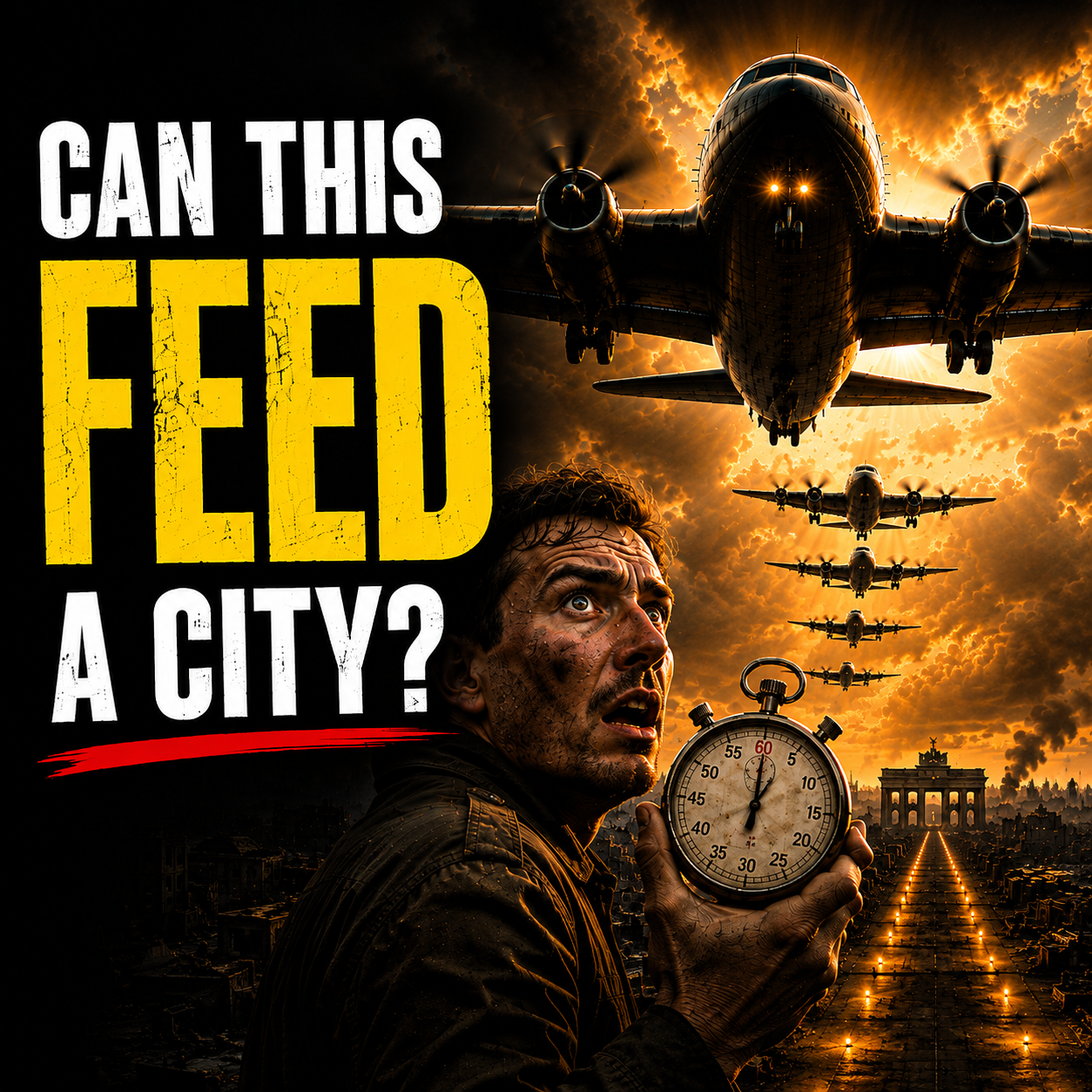
How 90 Seconds Kept 2 Million People Alive
FAQs
What is the Cold War Berlin documentary about?
The Cold War Berlin documentary explores the history of Berlin during the Cold War era, focusing on the division of the city into East and West, the construction of the Berlin Wall, and the impact of the Cold War on the lives of Berliners.
Who produced the Cold War Berlin documentary?
The Cold War Berlin documentary was produced by a team of filmmakers and historians who conducted extensive research and interviews with individuals who lived through the Cold War in Berlin. The documentary aims to provide a comprehensive and accurate portrayal of this significant period in history.
Where can I watch the Cold War Berlin documentary?
The Cold War Berlin documentary may be available for viewing on various streaming platforms, such as Netflix, Amazon Prime, or Hulu. Additionally, it may be screened at film festivals, historical museums, or educational institutions.
What are some key events covered in the Cold War Berlin documentary?
The Cold War Berlin documentary covers key events such as the division of Berlin into East and West, the construction of the Berlin Wall, the Berlin Airlift, and the experiences of individuals living in a divided city during the Cold War.
Why is the Cold War Berlin documentary significant?
The Cold War Berlin documentary is significant because it provides a detailed and personal account of life in Berlin during the Cold War, shedding light on the political, social, and emotional impact of this tumultuous period in history. It serves as a valuable educational resource and a means of preserving the memories of those who lived through the Cold War in Berlin.