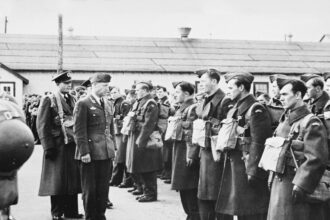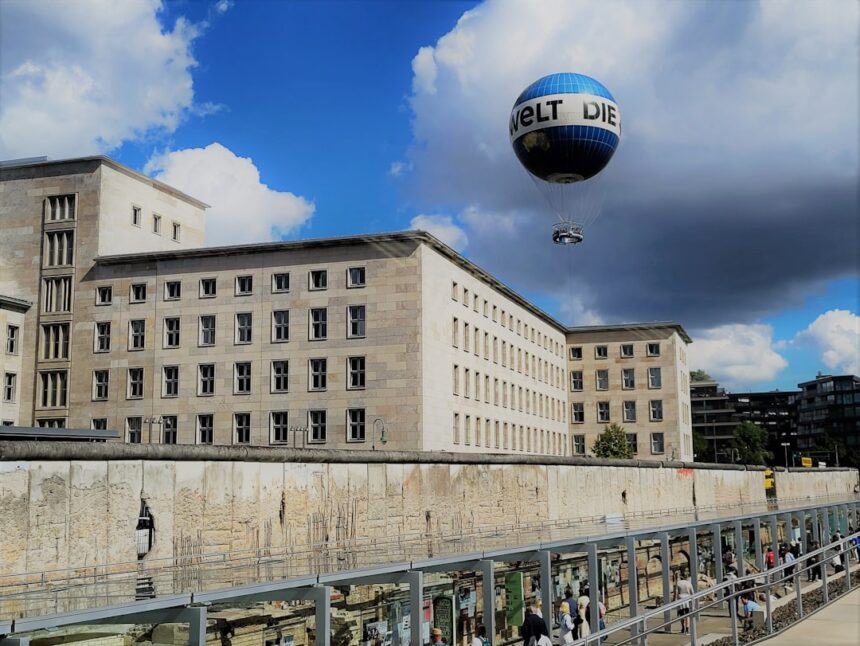
The city of Berlin, a beacon of democracy in the heart of post-war Soviet-controlled East Germany, found itself on the precipice of oblivion in 1948. Following the dissolution of the wartime alliance, the Soviet Union, seeking to exert its influence and ultimately absorb West Berlin into its sphere, imposed a full-scale blockade on all land and water access to the Western sectors of the city. This audacious move, designed to starve the Western Allies out and force them to abandon their commitment to the democratic enclave, instead ignited one of the most remarkable humanitarian and logistical feats in history: the Berlin Airlift. For nearly a year, an unprecedented aerial supply operation would not only sustain the defiant population of over two million but would also serve as a potent symbol of Western resolve against Soviet aggression, ultimately saving Berlin and shaping the geopolitical landscape of the nascent Cold War.
The ashes of World War II had barely settled when the victors, the Allied powers, began to carve up Germany and its capital into four occupation zones. While intended as a temporary measure to facilitate denazification and reconstruction, the ideological chasm between the Western Allies (the United States, Great Britain, and France) and the Soviet Union rapidly widened. Berlin, situated deep within the Soviet zone, became a microcosm of this burgeoning Cold War tension. The city, like the nation, was divided into four sectors, with the Western sectors forming an island of democracy surrounded by Soviet control. This geographical reality, coupled with fundamental disagreements over the future of Germany, created an inherently precarious situation.
The Potsdam Conference and Early Disagreements
The seeds of division were sown even before the war’s end. The Potsdam Conference in July-August 1945 saw the Allied leaders grapple with the complex question of post-war Germany. While agreements were reached on certain issues, fundamental disagreements persisted regarding reparations, the extent of demilitarization, and the eventual political structure of a united Germany. The Soviets, having suffered immense losses, sought heavy reparations and a weak, decentralized Germany to prevent future threats. The Western Allies, on the other hand, envisioned a democratic and economically viable Germany as a bulwark against Soviet expansionism. These diverging visions laid the groundwork for future conflicts and mistrust.
Currency Reform and the Soviet Provocation
The immediate trigger for the blockade was a dispute over currency reform. In an effort to stabilize the war-ravaged economy and counter Soviet inflation, the Western Allies introduced the Deutsche Mark into their respective zones of Germany and West Berlin in June 1948. This move, aimed at fostering economic recovery and independence, was viewed by the Soviets as a hostile act, an attempt to solidify the division of Germany and undermine Soviet economic control. In retaliation, the Soviets severed all road, rail, and water traffic to West Berlin, effectively cutting off the city’s lifeline to the West.
The Berlin Airlift was a remarkable operation that showcased the determination of the Western Allies to support West Berlin during the Soviet blockade in 1948-1949. For a deeper understanding of the logistics and strategies involved in this historic event, you can read a related article that explores the intricacies of the airlift and its impact on Cold War dynamics. To learn more, visit this article.
The Blockade: A Test of Wills and the Birth of “Operation Vittles”
The Soviet blockade was a calculated gamble, intended to force the Western Allies to concede to Soviet demands regarding Berlin and Germany. The Western powers faced a stark choice: abandon West Berlin and betray their commitment to self-determination, or find a way to supply the city without resorting to military confrontation. The latter proved to be the only viable option, and thus, “Operation Vittles,” as it was codenamed by the Americans, was born. The magnitude of the undertaking was immense, requiring an unprecedented logistical effort to feed and fuel over two million people.
The Scale of the Challenge: Sustaining a City of Millions
The task of supplying West Berlin was a logistical nightmare. The city required vast quantities of food, fuel, medicine, and other essential supplies. Daily consumption needs were staggering: thousands of tons of coal for heating and power, hundreds of tons of food, and thousands of tons of other vital goods. The Soviet blockade aimed to strangle the city, creating a humanitarian crisis that would force the Western Allies to capitulate. The initial days of the blockade saw a sense of grim determination among the Berliners, who understood the stakes involved.
The Allied Response: A Daring Aerial Solution
The immediate response of the Western Allies was to convene emergency meetings and explore every possible solution. Direct military intervention to break the blockade was considered too risky, potentially escalating into a full-scale war with the Soviet Union. Diplomatic channels proved fruitless, with the Soviets remaining resolute in their demands. It was then that the idea of an airlift, initially dismissed as impractical, began to gain traction. The United States Air Force and the Royal Air Force, with their wartime experience in aerial supply, were tasked with the monumental undertaking.
The “Rosinenbomber” and the Spirit of Berlin

The Berlin Airlift, known by the Germans as “Luftbrücke,” quickly became more than just a logistical operation; it evolved into a profound symbol of hope and defiance. The constant drone of aircraft overhead became a soundtrack to the city’s survival, and the pilots, affectionately nicknamed “Rosinenbomber” (raisin bombers) by the children of Berlin for the candy they would drop, became heroes. The spirit of the Berliners, facing extreme hardship and the constant threat of starvation, was remarkable, demonstrating an unwavering commitment to their freedom and way of life.
The Mechanics of the Air Bridge: Precision and Dedication
The daily operations of the airlift were a testament to human ingenuity and dedication. A constant stream of C-47 Skytrains and C-54 Skymasters, along with other aircraft, took off from airfields in West Germany, flying into Berlin’s Tempelhof, Gatow, and later, Tegel airports. The pilots flew in all weather conditions, often navigating treacherous skies, to deliver their precious cargo. The efficiency of the operation was crucial, with planes landing and taking off at remarkably short intervals, often less than two minutes apart during peak hours. Ground crews worked tirelessly to unload the planes, often in freezing temperatures or sweltering heat, ensuring a rapid turnaround.
The Human Element: Faces of Resilience and Gratitude
Beyond the machinery and logistics, the airlift was about people. The pilots, mechanics, and ground crews from various Allied nations worked in unison, driven by a shared purpose. On the ground in Berlin, ordinary citizens, from elderly women to young children, assisted in unloading goods, their faces etched with a mixture of exhaustion and unwavering resolve. The children, in particular, held a special place in the hearts of the pilots. They would gather near the runways, waving at the approaching aircraft, and the pilots, moved by their plight, began dropping small parachutes laden with candy, cigarettes, and other trinkets. These acts of kindness, symbolized by the “Rosinenbomber,” forged a powerful emotional bond between the Allies and the people of Berlin, reinforcing the idea that they were not alone.
The Economic and Political Fallout: A Cold War Stalemate
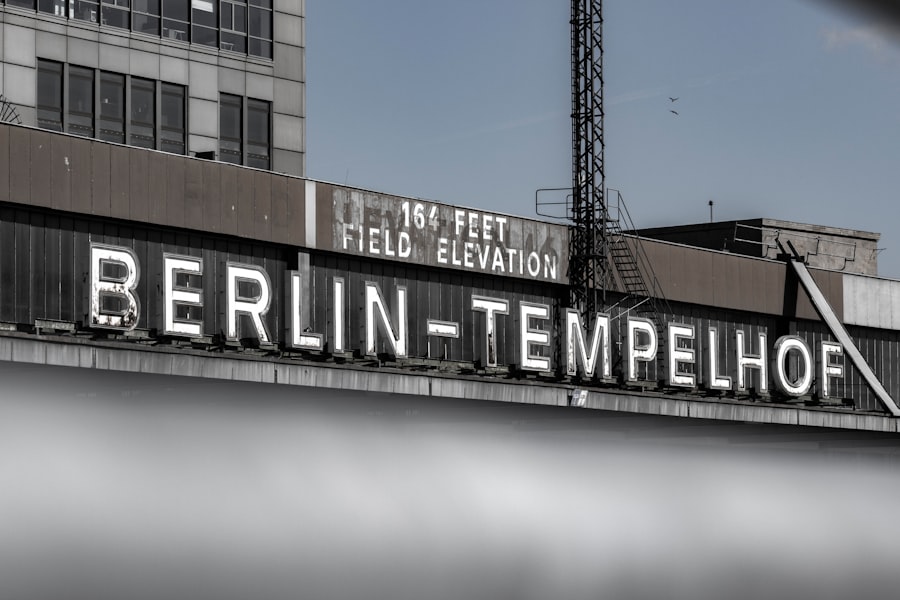
The Berlin Airlift had profound implications that extended far beyond the immediate sustenance of the city. It became a pivotal moment in the Cold War, solidifying the division of Europe and galvanizing Western unity against Soviet expansionism. The sheer scale and success of the airlift demonstrated the technological and logistical capabilities of the Western Allies, while simultaneously exposing the limitations of the Soviet blockade.
The Failure of the Blockade: A Soviet Miscalculation
The Soviet Union, despite its initial confidence, found its blockade increasingly ineffective. The relentless flow of supplies proved that starving Berlin into submission was an unrealistic goal. The airlift not only sustained the city but also garnered significant international sympathy for West Berlin and condemnation for the Soviet Union. The economic and political cost to the Soviets of maintaining the blockade, while the West poured resources into the airlift, began to mount. Ultimately, the blockade became a public relations disaster for the USSR and a symbol of its heavy-handed approach.
The Formation of NATO and a Divided Europe
The Berlin Blockade served as a stark warning of Soviet aggression and underscored the need for collective security among the Western democracies. In April 1949, just weeks before the blockade was lifted, the North Atlantic Treaty Organization (NATO) was formally established. This military alliance, formed by the United States, Canada, and ten Western European nations, was a direct response to the perceived threat from the Soviet Union and was deeply influenced by the crisis in Berlin. The airlift, therefore, played a crucial role in shaping the geopolitical landscape of post-war Europe, leading to the formalization of the Cold War division and the establishment of a robust Western alliance.
The Berlin Airlift was a remarkable operation that showcased the determination of the Western Allies to support West Berlin during the Soviet blockade in 1948. This massive logistical effort involved flying in food, fuel, and other essential supplies to sustain the city’s population. For a deeper understanding of the strategic implications and the challenges faced during this critical period, you can read a related article that explores the complexities of the airlift and its impact on Cold War dynamics. To learn more, visit this insightful resource.
The End of the Blockade and the Legacy of the Airlift
| Aspect | Details |
|---|---|
| Duration | June 24, 1948 – May 12, 1949 |
| Objective | To provide food, fuel, and supplies to West Berlin during the Soviet blockade |
| Flights | Over 200,000 flights were made to deliver supplies |
| Aircraft | Mainly C-47s and C-54s were used for the airlift |
| Supplies | Over 2.3 million tons of supplies were delivered |
| Success | The airlift successfully provided the necessary supplies to West Berlin |
In May 1949, after 322 days, the Soviet Union finally lifted the blockade. The success of the Berlin Airlift was undeniable. It had not only saved West Berlin from succumbing to Soviet pressure but had also demonstrated the unwavering commitment of the Western Allies to democratic values. The airlift left an indelible mark on history, serving as a testament to human resilience, ingenuity, and the power of international cooperation in the face of adversity.
The Lifting of the Blockade: A Diplomatic and Moral Victory
The Soviet decision to lift the blockade was a clear admission of defeat. The airlift had proven to be a more effective and sustainable solution than the Soviets had anticipated. While diplomatic negotiations played a role in the eventual lifting, the overwhelming success of the airlift had effectively neutralized the impact of the blockade. It was a significant diplomatic and moral victory for the Western Allies and a clear demonstration that the Soviet Union could not dictate terms through coercion alone.
A Lasting Symbol of Freedom and Resolve
The Berlin Airlift remains a potent symbol of the Cold War and a powerful reminder of the enduring human spirit. It demonstrated that even in the face of overwhelming odds, freedom and democracy could be defended through courage, innovation, and international solidarity. The stories of the “Rosinenbomber” and the resilience of the Berliners continue to inspire, serving as a testament to the fact that sometimes, the most powerful weapons are not those of war, but those of compassion, determination, and the unwavering belief in a better future. The city of Berlin, once a symbol of Nazi tyranny, had, through its ordeal and the extraordinary response it received, become a beacon of hope and a testament to the triumph of human spirit over oppression.
How 90 Seconds Kept 2 Million People Alive
FAQs
What was the Berlin Airlift?
The Berlin Airlift was a massive operation conducted by the Western Allies to supply West Berlin with food, fuel, and other necessities after the Soviet Union blockaded the city in 1948.
How did the Berlin Airlift work?
The Berlin Airlift involved a continuous airlift of supplies to West Berlin using cargo planes. Over 200,000 flights were made, delivering over 2.3 million tons of supplies to the city.
Who participated in the Berlin Airlift?
The Western Allies, including the United States, United Kingdom, and France, participated in the Berlin Airlift. They coordinated their efforts to ensure the success of the operation.
What was the significance of the Berlin Airlift?
The Berlin Airlift was a significant event in the early Cold War period, demonstrating the resolve of the Western Allies to support West Berlin and thwart Soviet attempts to isolate the city.
When did the Berlin Airlift end?
The Berlin Airlift officially ended on May 12, 1949, after the Soviet Union lifted the blockade of West Berlin.