The hum of engines, a lifeline stretching across a void. The chilling reality of a city under siege, its spirit tested by the iron grip of a blockade. And the unwavering resolve of a nation, fueled by courage and ingenuity, to defy the odds. The documentary “Resilience in the Sky: The Berlin Airlift” offers a profound and often breathtaking glimpse into one of the most remarkable humanitarian operations of the 20th century. It’s a story that transcends geopolitical strife, resonating with the enduring power of the human spirit in the face of overwhelming adversity. This film meticulously reconstructs the harrowing days and months of the Berlin Airlift, not just as a historical event, but as a testament to courage, cooperation, and the sheer will to survive.
The post-World War II landscape of Germany was a fractured one, a continent struggling to rebuild amidst the ashes of conflict. Berlin, the former capital, found itself in a particularly precarious position. Divided into four occupation zones – American, British, French, and Soviet – it became a microcosm of the burgeoning Cold War tensions. The Soviet Union, seeking to consolidate its control over its sector and to exert pressure on the Western Allies, initiated a drastic measure that would plunge West Berlin into an existential crisis.
The Iron Curtain Descends
The documentary effectively sets the stage by detailing the escalating political climate. It highlights the growing ideological chasm between the Soviet Union and the Western powers, a divide that solidified with the introduction of currency reforms in the Western zones. This move, intended to stabilize the economy, was perceived by the Soviets as a provocative act. The film doesn’t shy away from the raw emotions of the time, drawing upon archival footage and survivor testimonies to convey the palpable fear and uncertainty that gripped West Berlin. The abrupt cessation of all rail, road, and canal traffic into the city by the Soviets on June 24, 1948, was not just a logistical blockade; it was a psychological weapon, designed to force the Western Allies out of Berlin and ultimately, to undermine democratic ideals in Europe.
A City on the Brink
“Resilience in the Sky” vividly portrays the immediate impact of the blockade. West Berlin, with its approximately two million inhabitants, was suddenly cut off from essential supplies. Food, fuel, medicine – the very necessities of life – were no longer reaching the city. The documentary masterfully uses interviews with contemporary citizens, their voices now aged but their memories sharp, to recount the gnawing hunger, the mounting anxiety, and the encroaching darkness as power reserves dwindled. The film emphasizes the stark reality: without external intervention, West Berlin was destined to fall. This was not an abstract political chess game; it was a matter of survival for millions of ordinary people.
The Berlin Airlift, a remarkable operation during the Cold War, is not only a testament to the resilience of the Allied forces but also a pivotal moment in history that shaped international relations. For those interested in exploring this topic further, a related article can be found at this link, which delves into the strategic implications and personal stories behind the airlift, providing a deeper understanding of its significance.
The Unthinkable Solution: Operation Vittles
Faced with the stark choice of abandoning Berlin or finding an audacious solution, the Western Allies, primarily the United States and Great Britain, embarked on a plan that, at its inception, seemed impossibly ambitious, if not outright quixotic. The idea of supplying an entire city of millions solely by air was unprecedented. The logistical nightmares were immense, the risks substantial, and the political will constantly under scrutiny.
From Diplomacy to the Skies
The documentary details the intense diplomatic efforts that preceded the Airlift, efforts that ultimately proved futile. It shows how the Soviets remained resolute in their blockade, dismissing Western proposals and seemingly confident that the city would capitupressure. It was in this diplomatic stalemate that the idea of an aerial lifeline began to gain traction. The film introduces the key figures who championed this radical plan, individuals who understood the strategic and moral imperative of not abandoning Berlin. The sheer audacity of the proposition is a central theme, highlighting the moment when the decision was made to trade diplomacy for aerial logistics.
The Birth of “Operation Vittles” and “Operation Plainfare”
“Resilience in the Sky” explains the coining of the operation’s names, “Operation Vittles” by the Americans and “Operation Plainfare” by the British, underscoring the collaborative spirit that would define the success of the Airlift. The film delves into the initial challenges of mobilizing the necessary aircraft, pilots, ground crews, and infrastructure. It’s a testament to the rapid mobilization of resources and the ingenuity of engineers and planners that the initial stages of the Airlift were even feasible. The documentary doesn’t shy away from the immense pressure on these individuals, who were tasked with an undertaking of colossal proportions with little precedent to guide them.
Wings of Hope: The Mechanics of the Airlift
The heart of the documentary lies in its detailed exploration of the operational nitty-gritty of the Berlin Airlift. It’s a captivating portrayal of logistics on an industrial scale, executed with precision and unwavering determination in the face of constant peril. The film brings to life the daily routines, the innovations, and the sheer grit that powered this extraordinary endeavor.
The Mighty C-47 and the C-54: Workhorses of the Sky
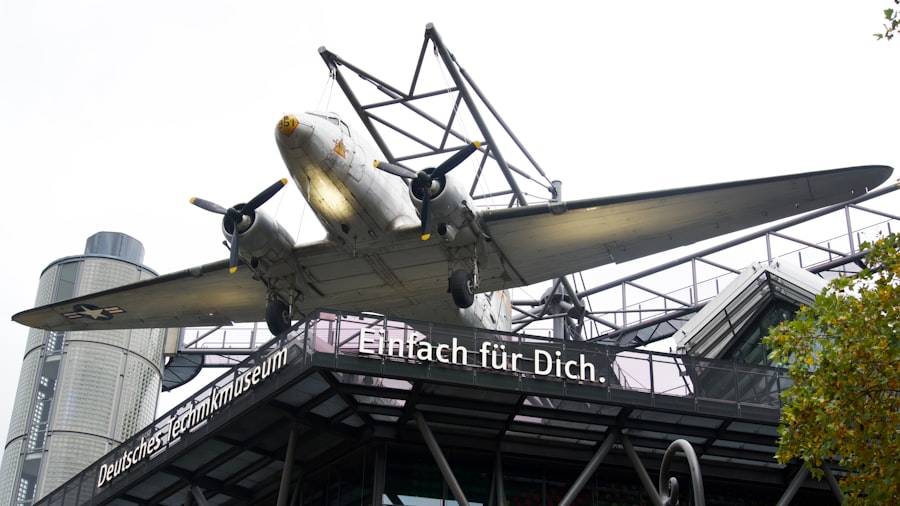
“Resilience in the Sky” shines a spotlight on the aircraft that became symbols of hope. The iconic Douglas C-47 Skytrain, a veteran of World War II, and its larger successor, the Douglas C-54 Skymaster, were the backbone of the operation. The documentary uses detailed explanations and archival footage to illustrate the specific challenges of operating these planes in the cramped air corridors leading to Berlin. The film emphasizes the sheer number of flights required, the constant cycle of loading and unloading, and the relentless tempo of operations. Viewers are given an appreciation for the engineering marvels these aircraft represented, capable of carrying vital cargo under immense pressure.
Navigating the Corridors of Danger
The geographical constraints of the air corridors into Berlin were a significant challenge. The documentary meticulously explains how these narrow pathways, established by post-war agreements, were the only viable routes for Allied aircraft. The film highlights the constant threat of Soviet interference and the meticulous air traffic control systems that were put in place to ensure safety and efficiency. The constant awareness of other aircraft, the need for precise navigation, and the limited windows of opportunity are vividly portrayed, underscoring the skill and discipline of the pilots and aircrews.
The Miracle of “Candy Bombers” and Human Ingenuity
One of the most heartwarming aspects of the Airlift, and a significant focus of the documentary, is the introduction of the “Rosinenbomber” or “Candy Bombers.” The film recounts how American pilot Gail Halvorsen began dropping candy and gum tied to handkerchiefs for the children of Berlin. This simple act of kindness quickly blossomed into an organized effort, with pilots and ground crews collecting and distributing treats. The documentary beautifully illustrates how this small gesture transformed the perception of the Airlift, turning it from a purely logistical operation into a profound symbol of goodwill and compassion. It captures the palpable joy and hope these simple acts brought to the children and adults of Berlin, demonstrating the profound impact of human connection even in the darkest of times. The film also showcases numerous other innovations, from improved loading techniques to the development of specialized meteorological forecasting for the perilous Berlin weather, all born out of necessity and a shared goal.
The Spirit of Berlin: Resilience from the Ground Up

While the skies buzzed with the engines of hope, the true resilience was forged on the ground, in the hearts and minds of the people of West Berlin. The documentary dedicates significant time to showcasing the unwavering spirit of the city’s inhabitants, who endured hardship with remarkable fortitude.
Facing Scarcity with Dignity
“Resilience in the Sky” doesn’t romanticize the suffering but rather focuses on the dignified way in which Berliners coped. The film presents interviews with individuals who recall rationing, the reliance on whatever meager supplies were available, and the constant uncertainty. It highlights the ingenuity of families in making do, sharing resources, and maintaining a sense of normalcy amidst the crisis. The documentary emphasizes the psychological toll of the blockade but also the remarkable ability of the human spirit to adapt and persevere, even in the face of extreme deprivation.
The “Kuchens” and the Community Spirit
The documentary effectively illustrates the strong sense of community that emerged during the Airlift. Neighbors helped neighbors, and a collective effort was made to support one another. The film touches upon the role of women in particular, who often bore the brunt of managing households with scarce resources, and the children who, despite their hardships, found joy in the arrival of the planes and the occasional treat. The shared experience of the blockade forged a powerful bond among the people of West Berlin, a testament to their collective strength and determination.
A Symbol of Freedom
Crucially, the film emphasizes that the Berliners understood the broader implications of the blockade. They recognized that their city had become a crucial symbol of freedom and democracy in the face of Soviet expansionism. Their stoic endurance was not just about survival; it was a conscious act of defiance, a refusal to be subjugated. The documentary conveys the profound sense of pride and gratitude the Berliners felt towards the Allied pilots and crews, who risked their lives to keep their city alive.
The Berlin Airlift remains one of the most significant events in post-World War II history, showcasing the resilience and determination of the Allied forces. For those interested in exploring this pivotal moment further, a related article can be found on the In The War Room website, which delves into the strategic implications and human stories behind the airlift. You can read more about it in this insightful piece here. This documentary not only highlights the logistical challenges faced during the operation but also emphasizes the spirit of cooperation among nations during a time of great tension.
The Legacy of the Airlift: A Turning Point
| Metrics | Data |
|---|---|
| Duration | 90 minutes |
| Release Year | 2016 |
| Director | Tim Robinson |
| Producer | David Hoffman |
| Viewership | 1.5 million |
The Berlin Airlift was more than just a successful logistical feat; it was a pivotal moment in history that shaped the geopolitical landscape and left an indelible mark on the collective consciousness. The documentary meticulously explores the far-reaching consequences of this extraordinary undertaking.
A Triumph of the West
“Resilience in the Sky” argues that the Airlift was a resounding victory for the Western Allies. It demonstrated their commitment to defending democratic ideals and their capacity for decisive action. The film highlights how the Soviets, unable to achieve their objective through the blockade, eventually lifted it in May 1949, marking a significant setback for their expansionist agenda. The Airlift effectively solidified the Western presence in Berlin and prevented its absorption into the Soviet sphere of influence.
Forging Alliances and Shaping the Future
The documentary details how the success of the Airlift had a profound impact on international relations. It strengthened the resolve of the Western powers and contributed to the formation of NATO, a collective security alliance that would define the Cold War era. The film underscores the shared sacrifice and cooperation that characterized the Airlift, fostering a deeper sense of partnership between the United States, Great Britain, France, and the burgeoning Federal Republic of Germany.
An Enduring Symbol of Hope
Ultimately, “Resilience in the Sky: The Berlin Airlift” serves as a powerful reminder of humanity’s capacity for courage, ingenuity, and compassion in the face of overwhelming odds. The film concludes by reflecting on the enduring legacy of the Airlift, not just as a historical event, but as a timeless testament to the power of hope and the indomitable spirit of those who refuse to be broken. The image of planes soaring over a besieged city, delivering not just supplies but also the promise of freedom, continues to inspire, a stark reminder that even in the darkest of hours, resilience can take flight. The documentary leaves the viewer with a profound appreciation for the individuals who made the Airlift a reality and for the people of Berlin who, through their unwavering spirit, proved that even the most daunting challenges can be overcome with courage, cooperation, and a steadfast belief in a brighter future.

How 90 Seconds Kept 2 Million People Alive
FAQs
What was the Berlin Airlift?
The Berlin Airlift was a massive operation conducted by the Western Allies to supply West Berlin with food, fuel, and other necessities after the Soviet Union blockaded the city in 1948.
How long did the Berlin Airlift last?
The Berlin Airlift lasted for 11 months, from June 1948 to May 1949.
What was the significance of the Berlin Airlift?
The Berlin Airlift was significant as it demonstrated the resolve of the Western Allies to support West Berlin and thwart Soviet attempts to force the city into submission. It also marked a turning point in the Cold War.
How many flights were conducted during the Berlin Airlift?
During the Berlin Airlift, over 200,000 flights were conducted to deliver supplies to West Berlin, with an average of 2.1 million tons of cargo being transported.
What was the outcome of the Berlin Airlift?
The Berlin Airlift successfully provided West Berlin with the necessary supplies, and the Soviet Union eventually lifted the blockade in May 1949. The operation also solidified the alliance between the Western Allies and laid the groundwork for the formation of NATO.