
The relentless hum of the flight line, the crisp scent of jet fuel, and the palpable tension preceding a combat mission—these are the sensory hallmarks of sortie generation. Beyond the thunderous roar of engines and the precision of aerial maneuvers, lies a complex, often unseen, logistical ballet that dictates a military force’s ability to project power from the skies. Maximizing combat power through effective sortie generation is not merely about launching aircraft; it is a multifaceted discipline encompassing strategic planning, intricate maintenance, precise scheduling, and the unwavering dedication of countless personnel. This article delves into the core components of effective sortie generation, exploring how its optimization directly translates to enhanced combat effectiveness and strategic advantage.
Sortie generation forms the bedrock of airpower. A fighter jet, no matter how technologically advanced, is an inert piece of metal without the capability to fly. The rate at which these aircraft can be launched, fly missions, and return to be rearmed and refueled, and then launched again, is the fundamental metric of an air wing’s operational tempo and, by extension, its combat power.
Defining Sortie Generation
At its most basic, sortie generation refers to the process of preparing an aircraft to fly a mission and launching it. This encompasses a wide range of activities, from pre-flight inspections and fuel loading to armament staging and pilot briefing. The efficiency and speed of this process are paramount. A high sortie generation rate allows for sustained operations, the overwhelming of enemy defenses through sheer numbers, and the flexibility to adapt to evolving battlefield conditions. Conversely, a low sortie generation rate can cripple an air campaign, rendering even the most potent airframes ineffective and vulnerable to enemy countermeasures.
The Link to Combat Effectiveness
The correlation between effective sortie generation and combat effectiveness is direct and undeniable. Consider a scenario where a critical enemy asset needs to be neutralized. The ability to launch multiple strike packages in rapid succession, exploiting momentary windows of opportunity, can mean the difference between mission success and failure. This sustained pressure also degrades enemy morale and operational capacity. Furthermore, a robust sortie generation capability provides a vital deterrent. Potential adversaries are more likely to reconsider aggression if they perceive a swift and overwhelming aerial response as a certainty.
Resource Allocation and Prioritization
Effective sortie generation is inherently tied to strategic resource allocation. This involves making difficult decisions about which aircraft types, which missions, and which units receive priority for maintenance, personnel, and materiel. During wartime, the commander’s intent and the overarching strategic objectives dictate these priorities. For instance, if the primary objective is air superiority, then fighter aircraft generation will be paramount. If the focus is on interdiction of supply lines, then strike and bomber aircraft will take precedence. The ability to dynamically reallocate resources based on evolving threats and opportunities is a hallmark of a mature and effective sortie generation enterprise.
In the realm of military strategy, the efficiency of sortie generation and its impact on overall combat power is a critical area of study. A related article that delves into these concepts can be found at this link. It explores various factors that influence sortie rates and how they correlate with mission success, providing valuable insights for military planners and strategists alike.
The Pillars of Maintenance and Readiness
The heart of effective sortie generation lies within the maintenance and readiness of the aircraft themselves. Even the most ambitious flight schedule is rendered moot if aircraft are perpetually grounded due to mechanical issues. This necessitates a deep dive into the intricacies of aircraft maintenance, from routine checks to complex repairs, and the proactive measures taken to ensure maximum uptime.
Proactive vs. Reactive Maintenance
Historically, maintenance often adopted a reactive approach, addressing problems only after they arose. Modern military aviation, however, emphasizes proactive and predictive maintenance strategies.
Scheduled Maintenance
This involves adhering to strict, manufacturer-recommended maintenance schedules. These schedules are based on flight hours, calendar time, or a combination of both, and cover routine inspections, component replacements, and lubrication. Rigorous adherence to these schedules prevents minor issues from escalating into major ones, thus minimizing unscheduled downtime.
Predictive Maintenance
Leveraging advanced sensor technology and data analytics, predictive maintenance aims to anticipate component failures before they occur. Aircraft are equipped with sophisticated monitoring systems that track vibration, temperature, oil pressure, and other critical parameters. By analyzing this data, maintenance crews can identify subtle anomalies that may indicate an impending failure, allowing for proactive replacement of parts during scheduled downtime. This significantly reduces unexpected aircraft-on-ground (AOG) situations.
Condition-Based Maintenance
This approach focuses on the actual condition of aircraft components rather than fixed schedules. Inspections are performed based on observed wear and tear, or performance degradation. While effective, it requires highly skilled inspectors and robust diagnostic tools to accurately assess component health.
The Role of the Maintainer
The aircraft maintainer is the unsung hero of sortie generation. Their expertise, attention to detail, and dedication are critical to ensuring aircraft are mission-ready. They are responsible for everything from simple pre-flight checks to complex engine overhauls. The quality of their work directly impacts aircraft reliability, safety, and ultimately, the rate at which sorties can be generated. Investing in their training, providing them with the right tools and equipment, and fostering a culture of safety and responsibility are essential for a high-performing maintenance organization.
Supply Chain Management for Parts and Consumables
A critical, yet often overlooked, aspect of maintenance is the availability of spare parts and consumables. A comprehensive and efficient supply chain is vital to minimize aircraft downtime. Delays in obtaining a specific part can ground an aircraft for days or even weeks, drastically impacting sortie generation rates.
Just-In-Time (JIT) Inventory
While JIT can optimize inventory levels, its application in a military context requires careful consideration of potential disruptions and the need for surge capability. A purely JIT approach might leave an air wing vulnerable during high-intensity operations.
Strategic Stockpiling
Maintaining strategic stockpiles of critical and long-lead-time components is crucial for ensuring continuous operations. This requires accurate forecasting of demand and a robust system for managing inventory levels, balancing the cost of storage with the risk of operational impact.
Global Logistics Networks
Modern military operations often span vast geographical distances. Establishing and maintaining efficient global logistics networks to transport parts and personnel is essential for supporting forward-deployed air assets and ensuring that maintenance can be performed wherever aircraft are operating.
Optimizing the Launch Sequence: Planning and Scheduling
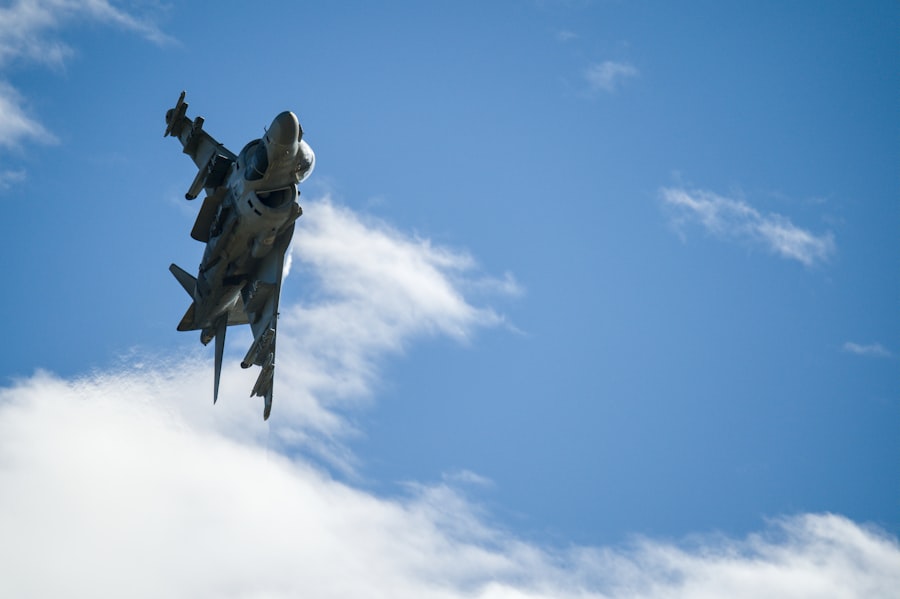
Beyond the mechanical readiness of the aircraft, the efficiency of the launch sequence—the planning and scheduling of missions—is a critical determinant of sortie generation rates. This involves intricate coordination between various command and control elements, intelligence agencies, and operational units.
Mission Planning and Briefing
The process begins with meticulous mission planning. This involves defining the objectives, identifying targets, calculating optimal ingress and egress routes, and considering potential threats. Effective mission planning reduces the risk of aborts and increases the probability of mission success, thereby maximizing the value of each generated sortie.
Intelligence Integration
Seamless integration of real-time intelligence is paramount. Knowing enemy disposition, air defense capabilities, and weather patterns allows for the tailoring of missions and the avoidance of unnecessary risks, which can lead to aborts and lost sorties.
Airspace Deconfliction
In complex operational environments, where multiple aircraft and friendly forces operate, effective airspace deconfliction is crucial. Proper scheduling and coordination prevent mid-air collisions and ensure that aircraft can operate without undue interference, maximizing the number of aircraft that can be airborne simultaneously.
The Role of Air Operations Centers (AOCs)
Air Operations Centers serve as the nerve centers for planning and executing air campaigns. They are responsible for tasking aircraft, allocating airspace, and coordinating with ground forces. The efficiency and effectiveness of an AOC directly influence the pace and tempo of sortie generation.
Dynamic Tasking
The ability to dynamically task aircraft in response to changing battlefield conditions is a key advantage. This allows for the rapid re-tasking of available aircraft to address emergent threats or exploit fleeting opportunities, thereby maximizing the impact of each generated sortie.
Resource Management within the AOC
Efficiently managing the flow of information, tasking requests, and aircraft availability within the AOC itself is critical. Bottlenecks in communication or decision-making can slow down the entire sortie generation process.
The Art of Scheduling
The scheduling of aircraft, pilots, and support personnel is a complex puzzle. It must account for aircraft availability, pilot rest requirements, maintenance schedules, and the overall mission objectives.
Pilot Training and Proficiency
While sortie generation focuses on aircraft, pilot proficiency is equally important. Effective scheduling ensures that pilots are adequately trained, rested, and available for missions. This not only contributes to mission success but also prevents unnecessary aborts due to pilot fatigue or lack of proficiency.
Crew Resource Management (CRM)
Strong Crew Resource Management practices are essential for effective teamwork in the cockpit and during the generation process. This fosters clear communication, mutual support, and effective decision-making, reducing errors that could lead to aborts or mission failures.
Leveraging Technology and Innovation

The pursuit of maximizing combat power through effective sortie generation is a continuous evolution, driven by technological advancements and innovative approaches. Embracing new tools and methodologies is essential to stay ahead of evolving threats.
Automation and Digitalization
The increasing integration of automation and digitalization across the sortie generation process promises significant gains in efficiency and speed.
Digital Maintenance Logs and Systems
Transitioning from paper-based maintenance logs to digital systems allows for real-time tracking of aircraft status, maintenance history, and parts requirements. This streamlines the process, reduces errors, and provides better data for decision-making.
Automated Pre-Flight Checks
While human oversight remains critical, certain aspects of pre-flight checks can be automated, allowing for faster turnaround times and more consistent inspections.
Data Analytics and Artificial Intelligence (AI)
The vast amounts of data generated by modern aircraft and maintenance systems offer immense potential for improvement.
Predictive Maintenance with AI
As mentioned earlier, AI algorithms can analyze complex sensor data to predict component failures with greater accuracy, allowing for more targeted and efficient maintenance.
Optimizing Scheduling with AI
AI can be used to develop more sophisticated and dynamic scheduling models that account for numerous variables, optimizing aircraft utilization and pilot availability.
Performance Monitoring and Optimization
Analyzing flight data and sortie generation metrics can identify bottlenecks and areas for improvement, enabling continuous optimization of the entire process.
Advanced Support Equipment and Tools
The availability of modern, efficient support equipment is crucial for timely maintenance and preparation.
Automated Test Equipment (ATE)
ATE can rapidly diagnose and test aircraft systems, significantly reducing the time required for troubleshooting and repairs.
Improved Ground Support Equipment (GSE)
Upgraded tow tractors, refueling trucks, and rearming equipment can expedite the process of moving, servicing, and arming aircraft on the tarmac.
In the realm of military strategy, the concept of sortie generation plays a crucial role in maximizing combat power and ensuring operational success. A related article that delves deeper into this topic can be found on In The War Room, where various factors influencing sortie generation are discussed in detail. Understanding these dynamics is essential for military planners and strategists alike, as they navigate the complexities of modern warfare. For more insights, you can explore the article here.
The Human Factor: Training, Culture, and Teamwork
| Sortie Generation and Combat Power Metrics | |
|---|---|
| Sortie Generation Rate | 80% |
| Combat Power Index | 95 |
| Sortie Success Rate | 75% |
| Combat Power Utilization | 90% |
Ultimately, the most sophisticated technology and meticulously crafted plans are only as effective as the people who implement them. The human factor is arguably the most critical element in achieving maximum combat power through effective sortie generation.
Comprehensive Training Regimes
Investing in rigorous and comprehensive training for all personnel involved in sortie generation is paramount.
Maintenance Technician Specialization
Highly specialized training ensures that technicians possess the in-depth knowledge required to maintain complex modern aircraft systems. This includes training on new technologies and evolving maintenance procedures.
Pilot Training and Readiness
Pilots require continuous training not only on flying skills but also on mission planning, threat assessment, and the effective utilization of their aircraft’s capabilities. Their readiness to deploy at a moment’s notice is a direct result of dedicated training programs.
Support Personnel Training
From logistics specialists to air traffic controllers, every role in the sortie generation chain requires specialized training to ensure seamless integration and efficient operations.
Fostering a Culture of Excellence
A positive and performance-oriented culture is essential for sustained effectiveness.
Safety Culture
A strong safety culture minimizes accidents and incidents that can disrupt sortie generation and compromise readiness. It emphasizes reporting, learning from mistakes, and proactive risk mitigation.
Ownership and Accountability
Instilling a sense of ownership and accountability at all levels encourages personnel to take pride in their work and strive for optimal performance.
Continuous Improvement Mindset
A culture that embraces continuous improvement encourages personnel to identify inefficiencies, propose solutions, and adapt to changing requirements, driving ongoing optimization of the sortie generation process.
The Power of Teamwork and Collaboration
Sortie generation is inherently a team sport. Effective collaboration across different departments and units is crucial.
Inter-Service and Inter-Agency Cooperation
In modern warfare, air operations often involve coordination with other branches of the military and allied forces. Seamless cooperation and communication are vital for integrated airpower.
Cross-Functional Teams
Establishing cross-functional teams that bring together maintenance, operations, intelligence, and logistics personnel can break down silos and foster a more holistic approach to problem-solving and optimization.
Effective Communication Channels
Open and clear communication channels are the lifeblood of any successful operation. Ensuring that information flows freely and accurately between all stakeholders is essential for preventing misunderstandings and delays.
In conclusion, maximizing combat power through effective sortie generation is a dynamic and demanding endeavor. It requires a holistic approach that integrates strategic foresight, meticulous maintenance, efficient planning and scheduling, the judicious application of technology, and, most importantly, the dedication and expertise of its people. By continuously refining these elements, military forces can ensure that their airpower is not just a theoretical capability, but a tangible and overwhelming force capable of achieving decisive victory in any theater of operation. The relentless pursuit of efficiency and readiness in sortie generation is not merely a logistical exercise; it is a strategic imperative that underpins the very essence of air dominance.

The Intelligence System That Won the Six-Day War Before It Began
FAQs
What is sortie generation?
Sortie generation refers to the process of preparing and launching military aircraft, vehicles, or vessels for a specific mission or operation. It involves the coordination of personnel, equipment, and resources to ensure that the necessary combat power is available for deployment.
What is combat power?
Combat power is the ability of a military force to fight and win in combat. It encompasses a range of factors including the number and capability of personnel, equipment, supplies, and support systems available for a given mission or operation.
How does sortie generation impact combat power?
Sortie generation directly impacts combat power by determining the availability and readiness of military assets for deployment. Effective sortie generation ensures that the necessary combat power is available to support mission objectives and respond to threats.
What factors influence sortie generation and combat power?
Factors that influence sortie generation and combat power include the availability of trained personnel, maintenance and logistics support, the condition of equipment and vehicles, and the overall readiness of military units.
Why is sortie generation and combat power important in military operations?
Sortie generation and combat power are critical to the success of military operations as they directly impact the ability of a military force to respond to threats, project force, and achieve mission objectives. Effective sortie generation and combat power contribute to overall mission readiness and operational effectiveness.