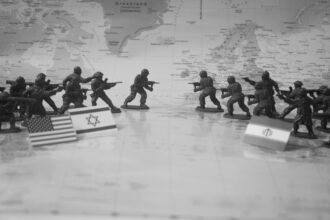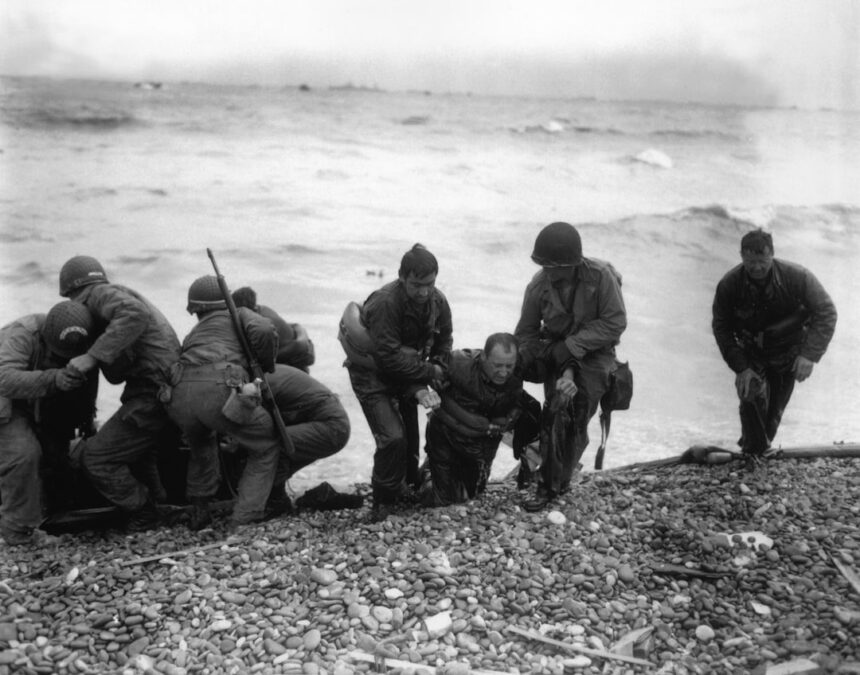
The flickering screen illuminated the dimly lit room, drawing the viewer into a world of ancient sands and enduring conflict. “Warriors of the Middle East: A Military History Documentary” is not merely a chronicle of battles; it is an immersive exploration of the forces that have shaped one of the world’s most historically significant and perpetually dynamic regions. Through meticulous research, compelling visuals, and expert commentary, the documentary series delves into the military traditions, technological advancements, and strategic imperatives that have defined the Middle East for millennia. It paints a vivid portrait of the warriors who have fought on its soil, their motivations, their triumphs, and their enduring legacies.
The documentary opens by firmly anchoring its narrative in the very origins of organized warfare. The fertile crescent, the birthplace of civilization, also witnessed the birth of organized military forces.
The Dawn of Discipline: Sumerian and Akkadian Legions
“Warriors of the Middle East” meticulously details the revolutionary military formations developed by the Sumerians. The phalanx, a tightly packed unit of spearmen, presented an almost impenetrable wall to its enemies. The series showcases early depictions of these formations, highlighting the importance of discipline and coordinated movement in achieving battlefield dominance. The transition to the Akkadian Empire under Sargon the Great is presented as a watershed moment. Sargon’s ability to unite disparate city-states and forge a professional army, employing innovative tactics and a more mobile warfare style, is explored in depth. The documentary emphasizes the strategic significance of his campaigns, demonstrating how military prowess became intrinsically linked to imperial ambition.
Bronze and Iron: Technological Leaps in Warfare
The documentary dedicates significant attention to the impact of metallurgy on military history. The shift from bronze to iron weapons, a gradual but transformative process, is vividly illustrated. Expert analysis explains how iron, being more abundant and less costly to produce, democratized warfare, allowing for larger armies and more widespread conflict. The series explores the superior cutting and piercing capabilities of iron weaponry, which rendered bronze largely obsolete on the battlefield. The development of chariots, initially a symbol of elite power and devastating in their speed and maneuverability, is also a key focus. Visual reconstructions and archival footage, where available, bring these ancient technologies to life, demonstrating their tactical application and psychological impact.
The Rise of Empires: Egyptian and Hittite Military Might
The documentary then shifts its gaze to the mighty empires of Egypt and the Hittites, highlighting their sophisticated military structures and strategies. The Egyptian army, known for its discipline, elaborate logistical support, and formidable archers, is presented as a force that secured vast territories and defended against numerous incursions. The series explores the Pharaohs’ use of military might to maintain internal stability and project power across the region. In contrast, the Hittites, with their mastery of the iron industry and their innovative use of the war chariot, are portrayed as formidable adversaries who challenged Egyptian hegemony. The Battle of Kadesh, one of the earliest thoroughly documented battles in history, is meticulously analyzed, showcasing the tactical brilliance and the diplomatic fallout that ensued.
For those interested in exploring the intricate dynamics of military history in the Middle East, a related article can provide valuable insights and context. This article delves into the historical conflicts, strategies, and key figures that have shaped the region’s military landscape over the decades. To learn more, you can read the full article here: Middle East Military History Insights.
The Age of Empires and Interconnected Warfare
As civilizations rose and fell, the Middle East became a nexus of empires, each vying for dominance and influencing the military practices of its neighbors and rivals. This era is characterized by large-scale, organized warfare that shaped the geopolitical landscape for centuries.
Persian Dominance: The Achaemenid War Machine
The documentary dedicates a substantial segment to the Achaemenid Persian Empire, often regarded as the first true superpower of the ancient world. The series emphasizes the organizational genius of the Persians, who managed a vast empire through efficient administration and a highly professional, well-equipped army. The Immortals, the elite Persian infantry, are a central focus, their legendary discipline and unwavering loyalty explored through historical accounts and expert interpretations. The documentary details the Persian military’s sophisticated logistics, enabling them to sustain vast armies on long campaigns. The innovative use of combined arms, incorporating cavalry, archers, and infantry, is highlighted as a key factor in their widespread conquests, from the Ionian Revolt to their campaigns against the Greek city-states.
The Hellenistic Legacy: Alexander’s Impact
The arrival of Alexander the Great and his Macedonian army is depicted as a seismic event that irrevocably altered the military landscape of the Middle East. The documentary analyzes the tactical genius of Alexander, his mastery of the phalanx, and his innovative use of cavalry, particularly the Companion Cavalry, to shatter enemy lines. The speed and decisiveness of his campaigns, from the Granicus River to Gaugamela, are vividly re-enacted and explained. The series explores the profound impact of Hellenistic military organization and tactics, which were adopted and adapted by subsequent rulers and armies across the region, laying the groundwork for centuries of warfare influenced by Greek military thought.
Roman Expansion and Resistance: The Eastern Frontier
The expansion of the Roman Republic and later the Roman Empire brought a new paradigm of military organization and warfare to the Middle East. The documentary examines the legionary system, its discipline, its siege warfare capabilities, and its logistical prowess. The series details the protracted conflicts between Rome and the Parthian and later Sasanian Empires. These were not simply border skirmishes but epic struggles that tested the limits of both empires’ military strength. The effectiveness of Parthian and Sasanian cavalry, particularly their horse archers, in countering Roman legions, is a key theme. The documentary showcases the strategic importance of fortified cities and defensive lines, as well as the devastating impact of Roman siege engines.
The Rise of Islam and the Era of Conquests
The advent of Islam in the 7th century ushered in a new era of military and political transformation in the Middle East, characterized by rapid expansion and the integration of diverse peoples into a unified Caliphate.
The Early Islamic Conquests: Divine Mandate and Tactical Prowess
“Warriors of the Middle East” delves into the extraordinary military achievements of the early Islamic armies. The documentary emphasizes the role of faith and a shared sense of purpose in galvanizing these forces. Expert commentators discuss the tactical innovations of early Muslim commanders, such as Khalid ibn al-Walid, who employed flanking maneuvers and psychological warfare to overcome larger, more established armies. The series highlights the rapid assimilation of Byzantine and Sasanian military techniques, adapting them to their own needs and creating a formidable fighting force. The documentary explores the strategic implications of these conquests, which extended from the Iberian Peninsula to the borders of India, fundamentally reshaping the political and cultural map of the region.
The Crusades: Clash of Civilizations
The arrival of the Crusaders from Western Europe presented a unique challenge and a dramatic period of conflict in the Middle East. The documentary explores the motivations behind the Crusades, both religious and political, and the brutal nature of the warfare that ensued. It examines the strengths and weaknesses of both Crusader and Muslim armies. The series highlights the martial prowess of figures like Saladin, his strategic brilliance in uniting Muslim forces and his decisive victory at the Battle of Hattin. The documentary also touches upon the cultural exchange and the lasting impact of the Crusades on military technologies and tactics on both sides. The meticulous construction of Crusader castles, formidable fortresses designed for defense, is also a significant visual element.
The Mongol Invasions: The Scourge of the East
The arrival of the Mongol Empire under Genghis Khan and his successors represents another cataclysmic shift in the military history of the Middle East. The documentary details the unparalleled mobility, discipline, and brutality of the Mongol hordes. Their use of coordinated cavalry tactics, siege warfare, and terror as a weapon of war devastated established powers, including the Abbasid Caliphate. The series analyzes the strategic implications of the Mongol conquests, which led to widespread destruction but also facilitated the Silk Road trade and the exchange of ideas. The sheer scale of their campaigns and the speed with which they conquered vast territories are presented with awe-inspiring visuals and expert analysis.
The Ottoman Empire: A Juggernaut of Power
For centuries, the Ottoman Empire dominated a vast swathe of the Middle East, its military might shaping the region and influencing global politics. This segment of the documentary explores the evolution of Ottoman military power.
The Janissaries: Elite Infantry and Imperial Might
The Janissaries, the elite infantry corps of the Ottoman army, are a central focus. The documentary details their rigorous training, their fierce loyalty to the Sultan, and their devastating effectiveness on the battlefield. The series explores the devshirme system, the controversial but highly effective method of conscripting young Christian boys who were converted to Islam and trained as elite soldiers. The Janissaries’ role in key Ottoman victories, such as the Battle of Varna and the Siege of Constantinople, is highlighted. The documentary also touches upon the eventual decline of the Janissaries, their increasing political power becoming a destabilizing force within the empire.
Artillery and Siege Warfare: The Fall of Constantinople
The Ottoman mastery of gunpowder technology, particularly their advanced artillery, is a pivotal theme. The documentary meticulously reconstructs the Siege of Constantinople in 1453, showcasing the innovative use of massive cannons to breach the city’s formidable walls. This event is presented not just as a military victory but as a turning point in military history, marking the decline of medieval fortifications and the ascendance of gunpowder warfare. The series explores how the Ottomans leveraged their artillery advantage to conquer vast territories and maintain their imperial dominance for centuries.
Naval Power and Mediterranean Dominance
While often associated with land warfare, the Ottoman Empire also possessed a formidable navy that controlled vast swathes of the Mediterranean Sea. The documentary examines the development of Ottoman naval capabilities, their shipbuilding techniques, and their strategic importance in projecting power and controlling trade routes. Key naval battles, such as the Battle of Preveza and the Siege of Malta, are analyzed, showcasing the tactical maneuvers and the technological advancements employed by both Ottoman and their European adversaries. The documentary illustrates how Ottoman naval strength was essential to their empire’s longevity and its influence on regional and global affairs.
For those interested in exploring the complexities of Middle East military history, a fascinating resource can be found in a related article that delves into the strategic developments and key conflicts in the region. This article provides valuable insights that complement the themes presented in the documentary, offering a deeper understanding of the historical context. To read more about these pivotal events, you can visit this link for an engaging exploration of military strategies and their impact on the Middle East.
Modern Warfare and Enduring Conflicts
| Documentary Title | Year Released | Duration | Director |
|---|---|---|---|
| The Crusades: Crescent & the Cross | 2005 | 120 minutes | David Wallace |
| Jerusalem: Center of the World | 2009 | 120 minutes | Andrew Goldberg |
| Lawrence of Arabia: The Battle for the Arab World | 2003 | 120 minutes | James Hawes |
The final section of the documentary turns its attention to the complex and often tragic landscape of modern warfare in the Middle East, exploring the lingering legacies of colonialism, the rise of new ideologies, and the persistent conflicts that continue to define the region.
The Legacy of Colonialism and Emerging Nationalisms
The documentary examines how the collapse of the Ottoman Empire and the subsequent imposition of colonial mandates by European powers profoundly reshaped the political and military landscape of the Middle East. The series explores the rise of nationalist movements and the often violent struggles for independence. The formation of new national armies, often trained and equipped by former colonial powers, is discussed. The documentary highlights how artificial borders drawn by colonial powers often sowed the seeds of future conflicts, exacerbating ethnic and sectarian tensions.
The Arab-Israeli Conflict: A Protracted Struggle
The Arab-Israeli conflict is presented as one of the most enduring and complex military confrontations of the modern era. The documentary traces the origins of the conflict, the major wars, and the shifting military technologies and tactics employed by both sides. Expert analysis delves into the geopolitical factors, the religious and ideological underpinnings, and the devastating human cost of this protracted struggle. The series explores the impact of external powers and the ongoing efforts, often fraught with difficulty, towards achieving a lasting peace.
The Rise of Non-State Actors and Asymmetric Warfare
In recent decades, the Middle East has witnessed the rise of powerful non-state actors and the proliferation of asymmetric warfare tactics. The documentary dedicates significant attention to the emergence of groups like Al-Qaeda and ISIS, their ideologies, their recruitment strategies, and their methods of waging war. The series examines the challenges posed by these groups to conventional military forces, their exploitation of political instability, and their use of propaganda and terrorism. The documentary also explores the complex international responses to these threats, including counter-terrorism operations and the challenges of nation-building in fragile states.
The Future of Warfare in the Middle East
The concluding segment of “Warriors of the Middle East” looks towards the future, acknowledging the ongoing complexities and the potential for continued conflict. The documentary discusses the impact of emerging technologies, such as drones and cyber warfare, on the region’s military landscape. It poses critical questions about the enduring drivers of conflict, the role of international intervention, and the elusive pursuit of lasting peace. The series ultimately leaves the viewer with a profound understanding of the historical forces that have shaped the Middle East and a sober recognition of the ongoing challenges that lie ahead, underscoring the enduring significance of military history in comprehending the present and navigating the future of this crucial region.

The Intelligence System That Won the Six-Day War Before It Began
FAQs
What is the Middle East military history documentary about?
The Middle East military history documentary explores the various military conflicts and battles that have taken place in the Middle East region throughout history. It delves into the strategies, tactics, and key events that have shaped the military history of the region.
What time period does the documentary cover?
The documentary covers a wide range of time periods, including ancient battles, medieval warfare, and modern conflicts. It provides a comprehensive overview of the military history of the Middle East from ancient times to the present day.
What are some of the key events and battles featured in the documentary?
The documentary features key events and battles such as the Arab-Israeli conflicts, the Crusades, the Ottoman Empire’s military campaigns, the Iran-Iraq War, and the Gulf Wars. It also explores lesser-known battles and military campaigns that have had a significant impact on the region’s history.
What makes this documentary unique compared to other military history documentaries?
This documentary offers a specific focus on the military history of the Middle East, providing in-depth analysis and insights into the region’s unique geopolitical and cultural dynamics. It also incorporates perspectives from historians, military experts, and eyewitness accounts to provide a comprehensive understanding of the subject matter.
Where can I watch the Middle East military history documentary?
The documentary may be available for streaming on various platforms such as streaming services, online video platforms, or through purchase as a DVD or Blu-ray. Check with your local television networks or online streaming services for availability.