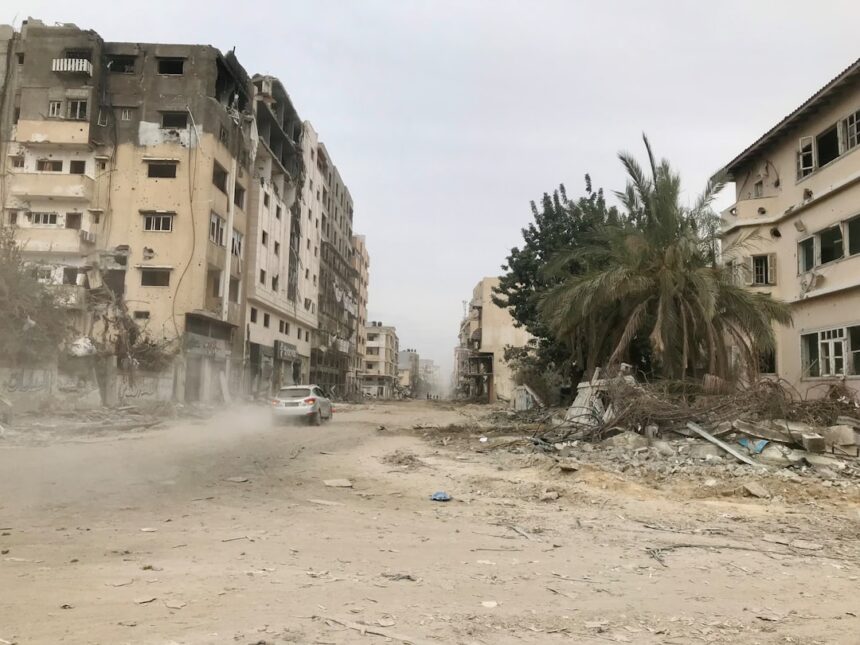
The summer of 2014 witnessed a catastrophic unraveling of the Iraqi Army, a military force painstakingly built and funded by the United States over a decade. The rapid advance of the Islamic State of Iraq and Syria (ISIS) through northern Iraq culminated in a series of ignominious defeats, exposing deep-seated systemic failures and leaving a power vacuum that threatened the very existence of the Iraqi state. This ground war disaster was not a sudden, inexplicable event, but rather the product of a confluence of political corruption, sectarianism, poor leadership, inadequate training, and a demoralized soldiery. The swiftness with which entire divisions seemed to evaporate in the face of the enemy was a stark testament to the rot that had festered within the institution.
The Iraqi Army’s foundation was laid on the ashes of Saddam Hussein’s brutal regime. The post-invasion efforts to rebuild a professional, apolitical military were severely undermined from the outset by the pervasive influence of political parties and sectarian affiliations. The desire to create a force loyal to the new democratic government became intertwined with the patronage networks that characterized Iraqi politics, leading to appointments based on loyalty and sectarian identity rather than merit.
The Politics of Patronage and the Rise of Sectarianism
The establishment of the new Iraqi security forces, including the army, was intended to be a unifying force for a deeply fractured nation. However, the reality on the ground was far from this ideal. Political factions, particularly those with strong ties to Shia Islamist parties, used the rebuilding process as an opportunity to embed their own loyalists within the military hierarchy. This meant that promotions, assignments, and even recruitment were often influenced by connections to specific political groups, rather than by a soldier’s competence or dedication. The specter of sectarianism, a historical fault line in Iraqi society, was thus re-inscribed within the very institution meant to protect all Iraqis.
Filling the Ranks with Loyalty, Not Competence
The emphasis on political loyalty often superseded the need for military professionalism. Commanders were appointed not for their strategic acumen or combat experience, but for their adherence to the prevailing political ideology. This created a leadership vacuum where competent officers, often those from the pre-2003 era who were purged or marginalized, were sidelined. The new generation of officers, many of whom benefited from this system of patronage, lacked the experience and the ingrained sense of duty that a truly professional military requires.
The Drain of Corruption: Resources Diverted and Morale Undermined
Corruption became a pervasive and debilitating disease within the Iraqi Army. Vast sums of money, intended for equipment, training, and soldier welfare, were siphoned off by corrupt officials at various levels. This had a direct and devastating impact on the army’s operational capabilities and the morale of its rank and file.
Phantom Soldiers and Embezzled Funds
Reports of “ghost soldiers,” individuals listed on payrolls but who did not exist, were rampant. These phantom soldiers generated illicit income for corrupt commanders and administrators, further draining resources that should have been used to equip and supply legitimate troops. The embezzlement of funds meant that soldiers often went without essential supplies, from functioning weapons and ammunition to adequate food and medical care. This not only hampered their ability to fight but also fostered a deep sense of resentment and disillusionment.
Inadequate Equipment and Poor Maintenance
The corruption meant that even when funds were allocated for equipment, the quality was often substandard, or the procurement process was manipulated. Furthermore, the lack of proper maintenance budgets meant that even serviceable equipment quickly fell into disrepair. Soldiers found themselves armed with outdated or malfunctioning weaponry, facing an enemy equipped with more modern, albeit stolen, armaments.
The collapse of the Iraqi Army during the ground war has been a subject of extensive analysis and discussion, shedding light on the various factors that contributed to its rapid disintegration. For a deeper understanding of this critical event, you can read a related article that explores the strategic miscalculations and the impact of political decisions on military effectiveness. To learn more, visit this article for an in-depth examination of the Iraqi Army’s challenges during the conflict.
The Crisis of Leadership: Incompetence at the Helm
The collapse of the Iraqi Army was inextricably linked to a profound crisis of leadership. The officers tasked with leading the troops into battle often lacked the necessary military training, strategic understanding, and the moral authority to inspire confidence and command respect. This was a direct consequence of the politicization and corruption that had infected the higher echelons of the military.
The Vacuum of Experience and the Rise of the Inept
The purge of many experienced officers after 2003, coupled with the promotion of those with political connections, created a leadership void. Many commanders were ill-equipped to handle the complexities of modern warfare, let alone the specific challenges posed by a highly motivated and ideologically driven enemy like ISIS. Their decision-making was often flawed, driven by political expediency rather than sound military judgment.
The Mosul Debacle: A Case Study in Leadership Failure
The fall of Mosul in June 2014 stands as a stark and tragic illustration of leadership failure. The city, a strategic hub and Iraq’s second-largest, was overrun by a relatively small contingent of ISIS fighters. Reports from the time and subsequent investigations revealed that Iraqi commanders on the ground were either absent, paralyzed by indecision, or had fled their posts, abandoning their troops and the civilian population to their fate. The army units stationed in Mosul, numbering in the tens of thousands, simply dissolved, leaving behind vast quantities of military hardware that fell directly into ISIS hands.
A Disconnect Between the Command and the Troops
The disconnect between the leadership and the rank-and-file soldiers was palpable. Commanders, often insulated by their political connections and residing in relative comfort, seemed out of touch with the daily struggles and the dire conditions faced by the soldiers on the front lines. This lack of empathy and understanding further eroded morale and contributed to the perception of a corrupt and uncaring military establishment.
The Demoralized Rank and File: A Soldier’s Plight
Beyond the systemic issues of politics and leadership, the individual soldier in the Iraqi Army was often caught in a desperate struggle for survival, both on and off the battlefield. The cumulative effects of corruption, poor leadership, and a lack of basic necessities left many soldiers profoundly demoralized and ill-prepared to face a determined and brutal enemy.
Fighting for Survival, Not for a Cause
For many Iraqi soldiers, their service was not driven by a deep sense of patriotism or a belief in the cause of defending their nation. Instead, it was often a means of employment in a country with limited economic opportunities. When faced with overwhelming odds, inadequate support, and a perceived lack of effective leadership, their motivation to fight and die for such a cause withered.
The Absence of Proper Training and Equipment
The lack of consistent and effective training left many soldiers ill-equipped for combat. They were often thrust into battle with minimal preparation, facing an enemy that, while brutal, was often more cohesive and better trained in asymmetrical warfare tactics. The constant struggle for basic necessities like food, water, and ammunition further compounded their misery and diminished their fighting spirit.
The Psychological Toll of Constant Defeat
The repeated retreats and the sight of their comrades falling or deserting had a devastating psychological impact on the soldiers. The sense of futility and the constant threat of death without the support or direction of effective leadership created an environment of fear and despair. Many soldiers simply saw no point in continuing to fight a losing battle.
The Swift and Shocking Advance of ISIS: Exploiting the Weaknesses
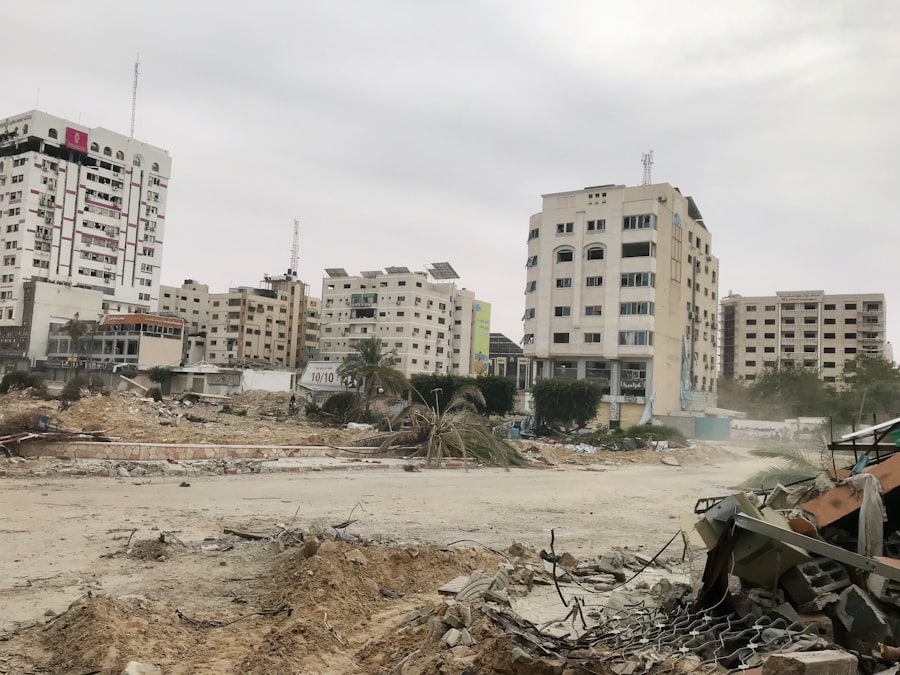
The Islamic State of Iraq and Syria, a well-organized and ruthlessly efficient militant group, masterfully exploited the deep-seated weaknesses within the Iraqi Army. Their lightning-fast advances were not solely a testament to their own strength but also a direct consequence of the opportunities presented by the crumbling Iraqi military.
The Effectiveness of ISIS Tactics
ISIS employed a combination of brutal tactics, including suicide bombings, ambushes, and swift, overwhelming assaults. Their fighters were often highly motivated by extremist ideology and possessed a degree of battlefield experience gained from fighting in Syria. They were adept at psychological warfare, using propaganda and acts of extreme violence to sow terror and demoralize their opponents.
The Psychological Impact of ISIS Brutality
The extreme brutality of ISIS, including mass executions and public displays of violence, had a significant psychological impact on the Iraqi Army. The fear of capture and the gruesome fate that awaited them often led to a desire to flee rather than to stand and fight. This played directly into ISIS’s strategy of creating a climate of terror that would undermine enemy morale.
The Strategic Advantage of Superior Morale and Motivation
Compared to the often dispirited and poorly equipped Iraqi soldiers, ISIS fighters were generally characterized by a higher degree of morale and ideological motivation. They believed they were fighting for a divine cause, which translated into a willingness to endure hardship and to fight to the death. This stark contrast in motivation was a critical factor in the rapid ISIS victories.
The collapse of the Iraqi Army during the ground war has been a topic of extensive analysis, shedding light on the factors that contributed to its rapid disintegration. Many experts point to a combination of poor leadership, lack of training, and inadequate resources as key elements that undermined the military’s effectiveness. For a deeper understanding of this complex issue, you can explore a related article that discusses the implications of this collapse on regional stability and security. To read more about it, visit this insightful piece.
The Long Shadow: Rebuilding Trust and Professionalism
| Metrics | Data |
|---|---|
| Number of Iraqi Army soldiers | Approximately 955,000 |
| Number of Iraqi Army casualties | Estimated at 20,000-30,000 |
| Number of Iraqi Army divisions | 13 divisions |
| Duration of ground war collapse | Approximately 100 hours |
| Reasons for collapse | Lack of leadership, desertions, and low morale |
The Iraqi Army’s collapse in 2014 was a devastating blow, not just to the military institution but to the broader stability of Iraq. The failure to build a professional, apolitical, and effective army exposed the fragility of the state and left it vulnerable to extremist threats. The subsequent fight against ISIS required a fundamental reimagining of Iraq’s security forces.
The Need for Systemic Reform and Accountability
Moving forward, the Iraqi government and its international partners faced the monumental task of rebuilding trust and professionalism within the security forces. This required not just new equipment and training, but a fundamental overhaul of the system. Addressing corruption, ensuring accountability for past failures, and promoting merit-based appointments were crucial steps in this long and arduous process.
Beyond Sectarianism: Towards a Truly National Army
The creation of a truly national army, one that represents and protects all Iraqis regardless of their sectarian or ethnic background, remained an elusive but essential goal. This would require a sustained effort to purge sectarian biases from the military and to foster a sense of shared national identity. The legacy of the 2014 disaster served as a grim reminder of the costs of failing to achieve this critical objective. The path to a resilient and effective Iraqi Army was long and fraught with challenges, but the lessons learned from the ground war disaster of 2014 were invaluable in guiding future efforts towards national security and stability. The rebuilding process would be a testament to the resilience of the Iraqi people and their determination to forge a secure future, free from the shadow of past failures.
The Invisible Attack That Crippled Iraq’s Army | Desert Storm Documentary
FAQs
What led to the collapse of the Iraqi Army during the ground war?
The collapse of the Iraqi Army during the ground war can be attributed to a combination of factors, including poor leadership, lack of morale, and inadequate training. Additionally, the Iraqi Army faced logistical challenges and was outmatched by the coalition forces in terms of firepower and technology.
How did the collapse of the Iraqi Army impact the overall outcome of the ground war?
The collapse of the Iraqi Army significantly weakened the Iraqi defense and allowed coalition forces to advance rapidly and secure key strategic locations. This ultimately led to the swift defeat of the Iraqi forces and the eventual capture of Baghdad.
What were the key challenges faced by the Iraqi Army during the ground war?
The Iraqi Army faced numerous challenges during the ground war, including a lack of coordination and communication, desertion by some soldiers, and the inability to effectively counter the coalition forces’ tactics and firepower. Additionally, the Iraqi Army struggled with supply shortages and logistical issues.
How did the collapse of the Iraqi Army impact the civilian population?
The collapse of the Iraqi Army resulted in widespread chaos and instability, leading to a breakdown in law and order. This had a significant impact on the civilian population, causing displacement, loss of life, and damage to infrastructure.
What lessons can be learned from the collapse of the Iraqi Army during the ground war?
The collapse of the Iraqi Army serves as a reminder of the importance of effective leadership, training, and logistics in military operations. It also highlights the need for a well-coordinated and motivated fighting force to effectively respond to threats and challenges on the battlefield.