The intricate dance of modern warfare is orchestrated through an unseen yet vital framework: command networks. These complex webs of communication, information sharing, and decision-making processes are not merely supporting elements; they are the very nervous system of any military operation. Their impact reverberates from the highest echelons of strategic planning down to the individual soldier on the ground, dictating the speed, accuracy, and ultimate success of any engagement. Understanding the profound influence of command networks is crucial to comprehending the evolution and effectiveness of military operations in the 21st century.
The history of warfare is inextricably linked to the development of methods for conveying orders and intelligence. Early forms of command and control relied on rudimentary signals, flags, drums, and runners. While these methods sufficed for localized skirmishes, they proved woefully inadequate for coordinating larger forces over extended distances. The advent of more sophisticated technologies, however, gradually transformed the landscape of military operations.
The Dawn of Telegraphy and Radio
The invention of the telegraph in the mid-19th century marked a significant leap forward. For the first time, commanders could transmit messages almost instantaneously across vast distances, fundamentally altering the pace of warfare. This was particularly evident in the American Civil War, where the Union’s superior telegraph network played a crucial role in coordinating troop movements and disseminating intelligence. However, the telegraph remained largely tethered to fixed lines, limiting its flexibility.
The development of radio communication in the early 20th century was a true revolution. It untethered command and control from physical infrastructure, enabling real-time voice and data transmission to mobile units. This allowed for a much greater degree of flexibility and responsiveness, enabling commanders to adapt to rapidly changing battlefield conditions. World War I saw the initial, albeit often unreliable, use of radio, while World War II witnessed its widespread and increasingly sophisticated application. The ability to communicate directly with aircraft, ships, and ground units proved invaluable in coordinating complex offensives and defensive maneuvers.
The Digital Age and Network-Centric Warfare
The latter half of the 20th century and the beginning of the 21st have been defined by the digital revolution and its profound impact on command networks. The integration of computers, advanced networking technologies, and sophisticated software has paved the way for what is known as “network-centric warfare.” This paradigm shift emphasizes the interconnectedness of all elements of the battlefield, allowing for seamless information sharing and collaborative decision-making.
Information as a Weapon: The Rise of Data Dominance
In the era of network-centric warfare, information is no longer just a valuable commodity; it is a primary weapon. The ability to collect, process, analyze, and disseminate vast quantities of data in near real-time provides a decisive advantage. This includes intelligence gathered from satellites, drones, ground sensors, electronic surveillance, and human sources.
The Role of Intelligence, Surveillance, and Reconnaissance (ISR)
ISR platforms are the eyes and ears of the modern military. Advanced satellite systems provide global coverage, while unmanned aerial vehicles (UAVs) offer persistent surveillance over specific areas. Ground sensors can detect enemy movements, and electronic warfare systems can intercept enemy communications. The data generated by these diverse sources must be rapidly integrated into a cohesive picture of the battlefield.
Fusion and Analysis: Turning Data into Actionable Intelligence
Raw data, in its unprocessed form, is of limited use. The critical step is the fusion and analysis of this information to identify patterns, threats, and opportunities. This is where sophisticated algorithms, artificial intelligence, and skilled human analysts play a crucial role. The output of this process is actionable intelligence that informs every level of command.
The Power of Connectivity: Interoperability and Bandwidth
The effectiveness of any command network hinges on its ability to connect disparate systems and platforms seamlessly. This requires a high degree of interoperability, ensuring that different communication devices, software applications, and data formats can communicate with each other. Insufficient bandwidth can create bottlenecks, delaying the flow of critical information and hindering operational tempo.
Ensuring Seamless Data Flow: From Sensor to Commander
The ultimate goal is to ensure that information flows unimpeded from the point of collection (e.g., a sensor on a drone) to the commander who needs it to make a decision. This requires robust network infrastructure, advanced routing protocols, and redundant communication pathways to prevent single points of failure.
In exploring the intricate dynamics of military operations, the role of command networks is crucial, as they significantly influence decision-making and operational effectiveness. A related article that delves deeper into this topic can be found at In the War Room, where experts analyze how modern command structures and communication technologies are reshaping the battlefield landscape. Understanding these networks is essential for comprehending contemporary military strategies and their implications for future conflicts.
The Impact on Decision-Making Processes
The speed and quality of decision-making are directly proportional to the effectiveness of a military’s command network. In today’s complex and rapidly evolving operational environments, delays in communication or the inability to access critical information can have catastrophic consequences.
Accelerating the OODA Loop
Military strategists often refer to the OODA loop: Observe, Orient, Decide, Act. A superior command network significantly accelerates this cycle. By enabling rapid observation and providing a comprehensive understanding of the situation (orientation), commanders can make better decisions more quickly and act decisively before the adversary can react.
Enhanced Situational Awareness
One of the most significant impacts of advanced command networks is the enhancement of situational awareness for all levels of command. Instead of relying on fragmented reports and delayed updates, commanders can have access to a real-time, comprehensive view of the battlefield, including friendly forces, enemy positions, terrain, and weather conditions.
The Common Operational Picture (COP)
The Common Operational Picture (COP) is a shared, real-time view of the battlefield that is accessible to all relevant personnel within a command network. This unified understanding of the operational environment is crucial for coordinated action and prevents misinterpretations or conflicting information from undermining operations.
The Benefits of a Shared Understanding
A shared understanding fostered by the COP leads to fewer fratricidal incidents, more efficient resource allocation, and a greater ability to exploit enemy weaknesses. It ensures that all elements are working towards the same objectives with a clear picture of how their actions contribute to the overall mission.
Enabling Decentralized Execution and Mission Command
While command networks are essential for centralized direction, they also empower decentralized execution through the principles of Mission Command. This doctrine emphasizes giving subordinates the intent and objectives of the commander, along with the resources to achieve them, and then trusting them to exercise initiative and adapt to local conditions.
Empowering Junior Leaders
A robust command network allows for clear communication of the commander’s intent and objectives, even to the lowest levels of leadership. This empowers junior officers and non-commissioned officers to make tactical decisions on the ground that are aligned with the overall mission, without needing constant micro-management from higher headquarters.
Adaptability and Agility on the Battlefield
The ability to adapt to unforeseen circumstances is paramount in warfare. When units can communicate effectively and access relevant information, they can rapidly adjust their plans and tactics in response to evolving threats or opportunities. This agility makes them more resilient and effective in dynamic environments.
The Influence on Operational Tempo and Responsiveness
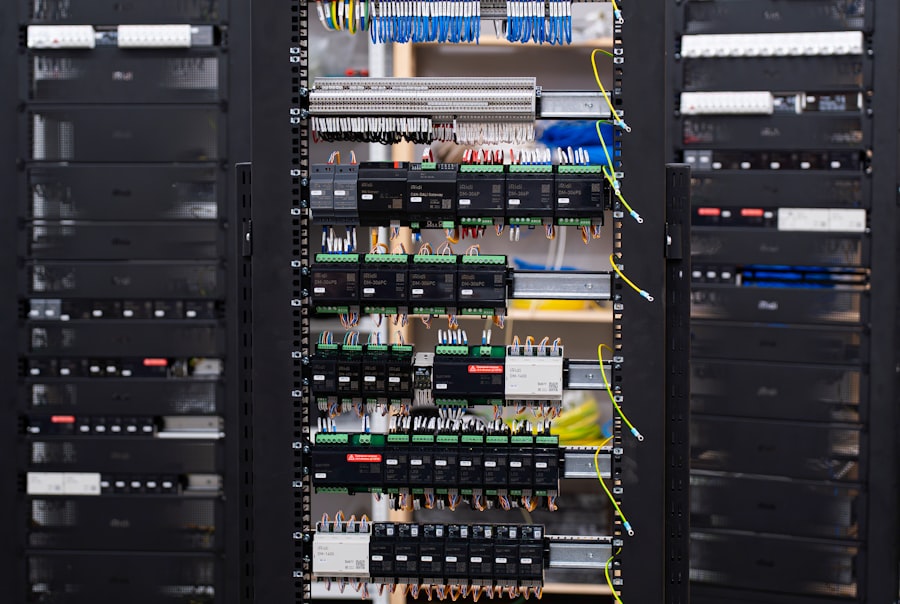
Command networks are the enablers of operational tempo – the speed at which military actions can be executed. A well-functioning network allows for rapid deployment, swift maneuvers, and immediate responses to changing situations.
The Speed of Information as a Strategic Advantage
In modern warfare, the side that can process and act on information faster often gains a decisive advantage. This is often referred to as the “speed of command.”
Real-Time Data Transmission and Processing
The ability to transmit and process data in real-time is critical for maintaining a high operational tempo. This includes everything from the transmission of targeting data for precision munitions to the relay of updated intelligence on enemy movements.
Reducing Decision Cycles
By providing commanders with the information they need when they need it, command networks reduce the time it takes to move through the decision cycle. This allows for quicker reactions to enemy actions and more proactive operations.
Enhancing Joint and Combined Operations
Modern military operations are increasingly conducted by joint forces (multiple branches of the same military) and combined forces (multiple nations’ militaries). Effective command networks are essential for ensuring seamless coordination and interoperability between these diverse elements.
Bridging Communication Gaps
Different branches and different nations may use different communication systems and protocols. A well-designed command network must be able to bridge these gaps, ensuring that all participants can communicate and share information effectively.
Building Trust and Shared Understanding
Beyond technical interoperability, command networks also play a crucial role in building trust and a shared understanding among allied forces. Consistent and reliable communication fosters confidence and facilitates smoother collaboration during complex operations.
The Challenges and Vulnerabilities of Command Networks

Despite their immense benefits, command networks are not without their challenges and vulnerabilities. These systems are complex and can be susceptible to a range of threats, both physical and digital.
Cybersecurity Threats and Electronic Warfare
The interconnected nature of modern command networks makes them prime targets for cyberattacks. Adversaries can attempt to disrupt communications, steal sensitive information, or inject false data to mislead friendly forces.
Denial of Service (DoS) Attacks
These attacks aim to overwhelm network resources, making them inaccessible to legitimate users. This can cripple communication and paralyze operational decision-making.
Data Interception and Exploitation
Enemy forces can attempt to intercept communications to gather intelligence on friendly plans, capabilities, and troop movements. This information can then be used to gain a tactical advantage.
Spoofing and Deception Operations
Adversaries can also attempt to spoof communication signals or inject false data into the network to deceive friendly forces, leading them into ambushes or diverting them from their objectives.
The Importance of Redundancy and Resilience
To mitigate these vulnerabilities, command networks must be designed with redundancy and resilience in mind. This means having multiple communication pathways and backup systems that can take over if primary systems are compromised.
Multiple Communication Channels
Relying on a single communication method is a significant risk. Command networks should incorporate a variety of communication channels, including satellite, radio, and even wired connections where feasible, to ensure that at least one channel remains operational.
Network Hardening and Encryption
Protecting the network itself through robust cybersecurity measures, such as firewalls, intrusion detection systems, and strong encryption for all communications, is paramount.
Robust Testing and Training
Regular testing of the network’s resilience against various threats and thorough training of personnel on cybersecurity protocols are essential for maintaining its integrity.
The Human Element: Training and Human Factors
While technology is at the core of command networks, the human element remains critical. The effective operation of these systems relies on well-trained personnel who understand not only the technology but also the doctrine and principles of command and control.
Operator Proficiency and Technical Skill
Ensuring that operators are proficient in using the complex communication and information systems is fundamental. This includes training on software applications, hardware operation, and troubleshooting.
Understanding of Doctrine and Intent
Beyond technical skills, personnel must understand the commander’s intent and the underlying doctrine that guides military operations. This allows them to make informed decisions when faced with unexpected situations or when communication is degraded.
Stress and Fatigue Management
The operational environment can be highly stressful. Effective command networks must be designed and operated with an understanding of human factors, including the impact of stress and fatigue on cognitive performance and decision-making.
Understanding how command networks affect military operations is crucial for modern warfare. A recent article explores the intricacies of these networks and their impact on decision-making processes in the field. For a deeper insight into this topic, you can read more in the article available at In The War Room, which discusses the evolving dynamics of military command structures and their implications for operational effectiveness.
The Future of Command Networks: AI, Autonomy, and the Disconnected Battlefield
| Aspect | Impact |
|---|---|
| Communication | Enhances real-time coordination and decision-making |
| Efficiency | Streamlines information flow and task execution |
| Flexibility | Allows for rapid adaptation to changing situations |
| Security | Ensures encrypted and secure transmission of sensitive data |
| Resilience | Provides redundancy and backup options for communication |
The evolution of command networks is far from over. Emerging technologies are poised to further transform military operations, creating new opportunities and presenting new challenges.
The Integration of Artificial Intelligence (AI)
AI is increasingly being integrated into command networks to automate tasks, enhance data analysis, and support decision-making.
Predictive Analytics and Threat Assessment
AI algorithms can analyze vast datasets to identify potential threats, predict enemy actions, and suggest optimal courses of action for commanders.
Autonomous Systems and Decision Support
The development of autonomous systems, such as drones and robotic ground vehicles, will require sophisticated command networks capable of managing and coordinating these assets. AI will play a crucial role in providing decision support to human commanders overseeing these autonomous capabilities.
Human-AI Teaming
The future of command and control will likely involve closer collaboration between humans and AI. This “human-AI teaming” will leverage the strengths of both, with AI handling data processing and analysis, and humans providing strategic oversight, ethical judgment, and tactical intuition.
The Concept of “Disconnected, Denied, and Degraded” (D3) Operations
As adversaries develop increasingly sophisticated electronic warfare capabilities, the ability to operate effectively in environments where communications are disrupted or unavailable is becoming critical.
Decentralized Command in D3 Environments
Command networks need to be resilient enough to allow for effective command and control even when communication links are severed. This will require even greater emphasis on decentralized execution and the ability of units to operate autonomously for extended periods.
Pre-Planned Missions and Mission Orders
In D3 environments, pre-planned missions and clear mission orders become even more vital. Units must be empowered to execute their objectives with minimal external guidance.
Localized Network Solutions
Developing localized and ad-hoc communication networks that can function independently of larger, more vulnerable infrastructure will be crucial for operating in D3 conditions.
The Ethical Implications of Advanced Command Networks
The increasing sophistication of command networks, particularly with the integration of AI and autonomous systems, raises significant ethical questions.
Accountability and Responsibility
Determining accountability for decisions made by AI or in highly automated systems becomes complex. Clear lines of responsibility must be established.
The Human in the Loop
Ensuring that human judgment and ethical considerations remain central to decision-making, even with advanced automation, is a paramount concern. The “human in the loop” concept, where a human must authorize certain actions, will likely remain a key principle.
Bias in AI and Data Integrity
The potential for bias in AI algorithms and the integrity of the data used to train them are critical ethical considerations that must be addressed to ensure fair and just military operations.
In conclusion, command networks are not merely conduits for information; they are the strategic arteries of military operations. Their evolution reflects humanity’s ongoing quest for more effective and efficient ways to project power and achieve objectives. As technology continues to advance, the impact of command networks will only grow, shaping the future of warfare in profound and often unpredictable ways. The ability to build, maintain, and leverage these networks effectively will undoubtedly be a defining factor in the success of military forces in the years to come.
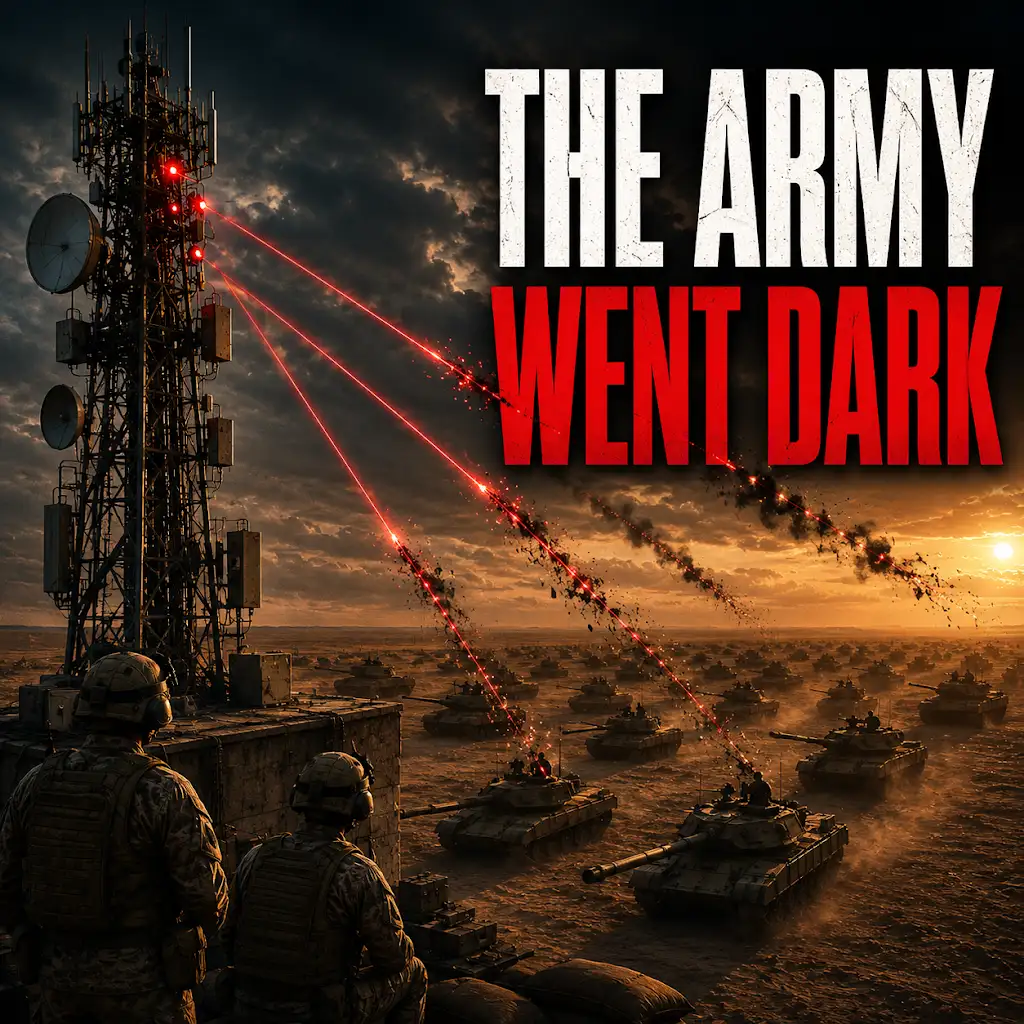
The Invisible Attack That Crippled Iraq’s Army | Desert Storm Documentary
FAQs
What is a command network in military operations?
A command network in military operations refers to the system of communication and decision-making processes that enable commanders to direct and control their forces in the field.
How do command networks impact military operations?
Command networks play a crucial role in military operations by facilitating the flow of information, enabling rapid decision-making, and ensuring effective coordination of forces to achieve mission objectives.
What are the key components of a command network?
Key components of a command network include communication systems, command and control centers, intelligence gathering and analysis capabilities, as well as the personnel responsible for managing and operating these systems.
How do advancements in technology impact command networks?
Advancements in technology, such as the development of secure communication systems, real-time data analytics, and unmanned aerial vehicles, have significantly enhanced the capabilities of command networks, allowing for more efficient and precise military operations.
What are the challenges associated with command networks in military operations?
Challenges associated with command networks include the need to ensure secure and reliable communication, the complexity of integrating various systems and platforms, as well as the potential for information overload and decision-making bottlenecks.