The dawn of Operation Desert Storm on January 17, 1991, marked the beginning of a meticulously planned and executed aerial campaign that would fundamentally reshape the landscape of modern warfare. For over six weeks, the U.S.-led coalition unleashed a devastating barrage of precision strikes against Iraq’s military infrastructure, laying the groundwork for a swift and decisive ground invasion. This overwhelming air superiority was not an afterthought but a core tenet of the coalition’s strategy, designed to cripple Saddam Hussein’s ability to wage war and minimize casualties on both sides.
The Iraqi invasion of Kuwait in August 1990 triggered a swift international outcry and a massive military buildup by the United States and its allies in Saudi Arabia. While the diplomatic channels were exhausted in attempts to force Iraq’s withdrawal, the military planners recognized the necessity of a powerful deterrent and a robust defensive posture. The decision to prepare for offensive action, particularly an air campaign, was rooted in several key considerations.
The Imperative of Air Superiority
The fundamental principle underpinning the coalition’s air strategy was the attainment of complete air superiority. This meant neutralizing the Iraqi Air Force and its integrated air defense system. Without control of the skies, coalition ground forces would be vulnerable to attack from the air, and resupply lines would be constantly threatened. The lessons of past conflicts, where air power had played a crucial role but had not always been decisive, informed the intensity and scope of the planned air campaign.
Intelligence Gathering: The Eyes of the Operation
The success of any aerial bombardment hinges on accurate and comprehensive intelligence. Operation Desert Storm was no exception. Before the first bombs fell, a vast and sophisticated intelligence-gathering apparatus was already in full swing.
Satellite Reconnaissance: A Persistent Gaze
A constellation of reconnaissance satellites provided the coalition with continuous, high-resolution imagery of Iraqi military installations, troop movements, and infrastructure. These satellites, capable of penetrating cloud cover and operating day and night, offered an unparalleled overview of the battlefield. They identified key targets, monitored the effectiveness of strikes, and tracked enemy movements.
Electronic Intelligence (ELINT): Listening to the Enemy
Beyond visual reconnaissance, the coalition employed a significant electronic intelligence (ELINT) capability. This involved intercepting Iraqi radar signals, communications, and other electronic emissions. By analyzing these signals, intelligence analysts could pinpoint the location of air defense sites, command and control centers, and even identify specific units and their operational patterns.
Human Intelligence (HUMINT): Ground-Level Insights
While often overshadowed by technological marvels, human intelligence played a vital role. Agents on the ground in Iraq and neighboring countries provided invaluable insights into troop morale, logistical challenges, and the political will of the Iraqi leadership. This human element offered a crucial counterpoint to the often-abstract data provided by electronic and satellite intelligence.
Deterring Further Aggression
The initial phase of the air campaign was also designed to deter Iraq from escalating the conflict or using chemical weapons. By demonstrating the coalition’s overwhelming technological and military superiority, and its willingness to use it decisively, the aim was to discourage any further aggressive actions by Saddam Hussein.
Strategic Bombardment: Targeting the War Machine
The coalition’s air strategy was not merely about destroying military hardware; it was about systematically dismantling Iraq’s capacity to wage war. This involved targeting the very sinews of Saddam Hussein’s war machine.
Command and Control Centers: Disconnecting the Head
A primary objective was the disruption of Iraq’s command and control (C2) network. By attacking these nodes, the coalition aimed to isolate battlefield commanders, sow confusion, and prevent coordinated responses. This decapitation strike strategy was intended to paralyze the Iraqi military from the top down.
Air Defenses: Clearing the Skies
The Iraqi integrated air defense system, a complex network of radars, surface-to-air missiles (SAMs), and anti-aircraft artillery, was a formidable obstacle. The initial air attacks focused intensely on suppressing and destroying these defenses, creating safe corridors for subsequent bombing missions and paving the way for the eventual ground invasion.
Infrastructure and Logistics: Crippling the Supply Lines
The coalition also targeted Iraq’s transportation infrastructure, including bridges, railways, and airfields, as well as its fuel depots and ammunition storage facilities. This was a deliberate effort to starve the Iraqi army of the resources it needed to sustain its operations.
The Gulf War air campaign, which played a crucial role in the success of the coalition forces before the ground invasion, is extensively analyzed in various articles that delve into its strategic significance and execution. For a comprehensive overview of the tactics employed during this pivotal phase of the conflict, you can refer to the article available at In the War Room, which discusses the implications of air power in modern warfare and its impact on the outcome of the Gulf War.
The “Thunderbolt” Begins: Phase One of the Air War
The initial phase of Operation Desert Storm, code-named “Thunderbolt,” was characterized by a massive and coordinated aerial assault on a scale never before witnessed. This phase was designed to achieve swift and overwhelming air superiority.
The Opening Salvo: Precision and Surprise
The first strikes were a testament to the coalition’s technological prowess and meticulous planning. Launched under the cover of darkness, the attacks combined stealth technology, precision-guided munitions (PGMs), and the element of surprise.
Stealth Technology: The Unseen Predator
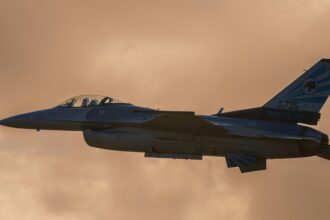
The F-117 Nighthawk stealth fighter played a crucial role in the opening hours of the air war. Its radar-absorbent materials and unique design made it virtually invisible to Iraqi radar, allowing it to penetrate deep into Iraqi airspace and strike high-value targets with impunity.
Guided Munitions: Hitting the Mark
The widespread use of PGMs, such as laser-guided bombs and Tomahawk cruise missiles, ensured that coalition aircraft could deliver devastating blows with pinpoint accuracy. This minimized collateral damage and maximized the effectiveness of each strike, striking targets that were once difficult or impossible to hit.
Electronic Warfare: Blinding the Enemy
Electronic warfare (EW) assets played a critical role in the initial strikes. EW aircraft jammed Iraqi radar and communication systems, disrupting their ability to detect and respond to coalition aircraft. This created a digital fog of war, allowing coalition forces to operate with a significant advantage.
Neutralizing the Iraqi Air Force
A key objective of the initial strikes was to destroy the Iraqi Air Force on the ground and in the air. This was crucial to preventing any significant aerial threat to coalition forces.
Attacks on Airbases: Grounding the Enemy
Coalition aircraft launched precision attacks on Iraqi airbases, targeting runways, hangars, and aircraft parked on the tarmac. This aimed to prevent Iraqi planes from taking off and engaging coalition forces.
Air-to-Air Combat: The Dogfight Redefined
While the primary focus was on ground targets, the coalition also engaged Iraqi aircraft that managed to take to the air. The superior training, technology, and tactics of coalition pilots, particularly those flying advanced fighter jets like the F-15 Eagle, led to a decisive advantage in air-to-air engagements.
Phase Two: Suppressing the Defenses and Degrading Capabilities
Once air superiority was largely established, the focus shifted to systematically degrading Iraq’s remaining military capabilities and further suppressing its air defenses. This phase was characterized by sustained bombing operations across the theater of operations.
The Tyranny of the Sky: Relentless Bombardment
For weeks, the skies over Iraq and Kuwait were dominated by coalition aircraft. The relentless bombing campaign aimed to wear down the Iraqi military and its will to fight.
Deep Strike Operations: Striking the Heartlands
Coalition aircraft ventured deep into Iraq to strike targets far from the front lines, including oil refineries, industrial facilities, and military production sites. This was an effort to cripple Iraq’s economic and military production capabilities.
Targeted Interdiction: Starving the Front Lines
In addition to deep strikes, coalition aircraft conducted extensive interdiction missions along the Kuwaiti border and within Kuwait itself. This aimed to prevent Iraqi forces from receiving reinforcements and supplies, effectively isolating them.
Shaping the Battlefield for Ground Assault
The aerial campaign was meticulously designed to prepare the ground for the eventual invasion. By degrading Iraq’s defenses and its ability to wage war, the coalition aimed to minimize casualties during the ground phase.
Psychological Warfare: Breaking the Enemy’s Spirit
Beyond physical destruction, the air campaign also aimed to break the psychological resolve of the Iraqi military. The constant threat of aerial attack, the destruction of their facilities, and the isolation of their units were intended to create a pervasive sense of hopelessness and defeat.
Propaganda Leaflets: Reaching the Ground Troops
The coalition also employed psychological warfare by dropping millions of propaganda leaflets over Iraqi positions. These leaflets encouraged Iraqi soldiers to surrender, highlighted the futility of their resistance, and offered safe passage to those who laid down their arms.
Phase Three: The Paveway to Victory: Air Interdiction and Support
As the ground invasion loomed, the aerial campaign shifted its focus to direct support of the advancing coalition ground forces and the continued interdiction of retreating Iraqi units.
Enabling the Ground Offensive: Clearing the Path
The air campaign was instrumental in enabling the ground invasion to proceed with minimal friction. Coalition aircraft provided vital support to the ground troops, ensuring their safety and effectiveness.
Close Air Support (CAS): The Guardian Angels of the Ground Troops
When the ground forces advanced, coalition aircraft provided relentless close air support (CAS). These aircraft acted as the “eyes in the sky” for ground commanders, identifying enemy positions, providing reconnaissance, and engaging Iraqi forces that threatened the advancing troops.
Suppression of Enemy Air Defenses (SEAD): Continued Vigilance
While air superiority had been largely achieved, efforts to suppress any remaining Iraqi air defenses continued throughout the ground campaign. This ensured that coalition aircraft could operate freely and provide uninterrupted support to the ground forces.
Interdicting the Retreat: The “Highway of Death”
As Iraqi forces began to withdraw from Kuwait, the coalition’s air power played a critical role in preventing their organized retreat and inflicting further casualties.
The Iraqi Convoy Disaster: A Stark Example
One of the most controversial aspects of the air campaign was the targeting of retreating Iraqi columns on the “Highway of Death” (the main road from Kuwait City to Basra). While some viewed this as a necessary measure to prevent the escape of enemy forces, others criticized it for the perceived indiscriminate nature of the attacks.
The Strategic Rationale: Preventing Reinforcement and Escape
The strategic rationale behind these interdiction missions was to prevent Iraqi forces from regrouping, reinforcing their positions, or escaping with captured Kuwaiti assets. The overwhelming air power ensured that the retreat turned into a rout.
The Gulf War air campaign played a crucial role in setting the stage for the subsequent ground invasion, as it aimed to weaken Iraqi forces and infrastructure before the coalition troops advanced. For a deeper understanding of the strategies employed during this pivotal moment in military history, you can explore a related article that provides insights into the planning and execution of the air operations. This article can be found here, where it delves into the complexities and outcomes of the air campaign that significantly influenced the course of the war.
The Aftermath and Legacy: A New Era of Air Warfare
| Metrics | Details |
|---|---|
| Duration | January 17, 1991 – February 23, 1991 |
| Participating Countries | United States, United Kingdom, Saudi Arabia, Kuwait, France, Canada, Qatar, Bahrain, United Arab Emirates, Italy, and others |
| Number of Aircraft | Approximately 2,000 coalition aircraft |
| Targets | Iraqi military and infrastructure targets |
| Casualties | Estimates vary, but hundreds of Iraqi civilians and military personnel were killed |
| Outcome | Significant damage to Iraqi military capabilities and infrastructure |
The overwhelming success of the aerial campaign in Operation Desert Storm had a profound and lasting impact on the art and science of warfare. It demonstrated the transformative power of modern air power when applied strategically and with overwhelming force.
A Paradigm Shift in Military Doctrine
The Gulf War marked a watershed moment in military doctrine. The concept of achieving air superiority as a prerequisite for ground operations became a cornerstone of modern military planning. The emphasis on precision targeting, stealth technology, and electronic warfare was validated on the battlefield.
The Rise of Network-Centric Warfare
The seamless integration of intelligence, surveillance, and reconnaissance (ISR) assets with strike platforms, facilitated by advanced communication systems, laid the groundwork for the development of network-centric warfare. This concept emphasizes the interconnectedness of all military assets, enabling them to share information and coordinate actions in real-time.
The Human Cost and Ethical Considerations
While the air campaign was undeniably successful in achieving its military objectives and arguably saved lives by shortening the ground war, it also raised important ethical considerations. The targeting of infrastructure, the “Highway of Death” incident, and the long-term consequences of the bombing campaigns for the civilian population of Iraq were subjects of ongoing debate.
The Debate Over Collateral Damage
The use of precision-guided munitions, while significantly reducing collateral damage compared to previous conflicts, did not eliminate it entirely. The debate over the acceptable level of civilian casualties and the responsibility for unintended harm remained a crucial aspect of discussions surrounding modern air warfare.
A Blueprint for Future Conflicts
The strategic air strikes of the Gulf War served as a blueprint for subsequent military interventions. The principles of overwhelming air superiority, precision targeting, and the integration of ISR assets became standard operating procedure for coalition forces in conflicts around the globe. The war cemented the idea that control of the air was not just an advantage, but a fundamental prerequisite for success on the modern battlefield.
The Invisible Attack That Crippled Iraq’s Army | Desert Storm Documentary
FAQs
1. What was the goal of the Gulf War air campaign before the ground invasion?
The goal of the Gulf War air campaign before the ground invasion was to degrade Iraq’s military capabilities, particularly its air force and air defense systems, in order to pave the way for a successful ground invasion by the coalition forces.
2. How long did the Gulf War air campaign last?
The Gulf War air campaign, also known as Operation Desert Storm, lasted for 42 days, from January 17, 1991, to February 28, 1991.
3. What were the main tactics used during the Gulf War air campaign?
The main tactics used during the Gulf War air campaign included strategic bombing of key military and infrastructure targets, suppression of enemy air defenses, and close air support for ground forces.
4. What were the key outcomes of the Gulf War air campaign before the ground invasion?
The key outcomes of the Gulf War air campaign before the ground invasion included the destruction of Iraq’s air force and air defense systems, the neutralization of key military and infrastructure targets, and the establishment of air superiority for the coalition forces.
5. How did the Gulf War air campaign contribute to the overall success of the ground invasion?
The Gulf War air campaign significantly weakened Iraq’s military capabilities, disrupted its command and control infrastructure, and demoralized its forces, which ultimately facilitated the success of the ground invasion by the coalition forces.