The Cold War, a period of geopolitical tension that dominated the latter half of the 20th century, is often understood through its broad strokes: the ideological clash between capitalism and communism, the nuclear arms race, and the proxy conflicts that scarred various corners of the globe. Yet, beneath this familiar narrative lies a rich tapestry of hidden histories, subtle shifts in power, and individual stories that profoundly shaped the world as it is known today. This article seeks to unveil some of these less-trodden paths, illuminating the intricate machinations and often overlooked dimensions of this defining era.
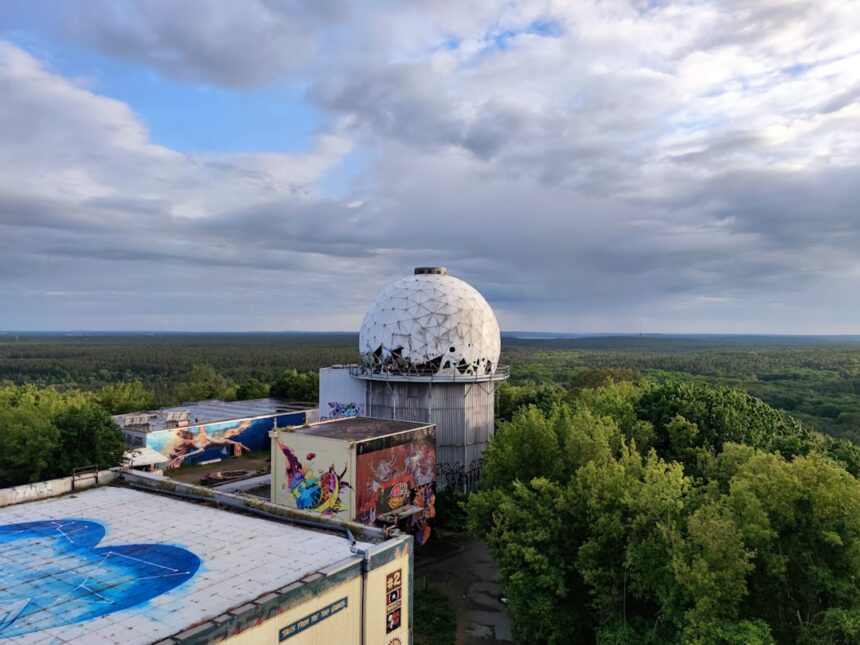
The Cold War was as much a battle of ideologies as it was a clandestine struggle waged in the shadows. Espionage and covert operations were not mere footnotes; they were integral to the strategies and the very existence of the superpowers. The clandestine dance between the CIA and the KGB, and their respective allies, played a crucial role in shaping global events, often with far-reaching and unforeseen consequences.
The Art of Deception: Intelligence Gathering and Analysis
Both the United States and the Soviet Union poured immense resources into intelligence gathering. This involved a sophisticated array of methods, from human intelligence networks and signals intelligence to the development of advanced surveillance technologies. The very act of collecting information was a high-stakes game, with the potential to avert or initiate global crises.
Human Intelligence: The Agents and Their Sacrifices
The recruitment and deployment of human agents formed the backbone of espionage. These individuals, often operating under deep cover for years, risked their lives to gather critical information about enemy capabilities, intentions, and political machinations. The stories of figures like Oleg Penkovsky, a Soviet military intelligence colonel who provided vital information to the West, or the countless unnamed agents who disappeared into the labyrinthine security apparatus of totalitarian regimes, represent a significant and often tragic component of the Cold War’s hidden history. Their sacrifices, while largely unheralded, directly influenced diplomatic negotiations, military preparedness, and ultimately, the course of the conflict. The psychological toll on these operatives, living double lives and constantly under threat, is a dimension rarely fully explored in public discourse.
Signals Intelligence: The Ears of the Superpowers
The advent of sophisticated electronic surveillance technologies opened new frontiers in intelligence. The interception of radio communications, diplomatic cables, and military transmissions provided invaluable insights. The development of code-breaking capabilities, such as those at Bletchley Park during World War II, continued into the Cold War, with agencies like the NSA in the US and its Soviet counterparts relentlessly pursuing the ability to decipher enemy communications. The “Kryptos” sculpture at CIA headquarters, a testament to the enduring importance of cryptography, serves as a silent reminder of this ongoing struggle. The technological race in signals intelligence was relentless, pushing the boundaries of computing power and analytical techniques.
Covert Operations: Destabilization and Intervention
Beyond intelligence gathering, covert operations aimed to actively influence events in other nations. This ranged from propaganda campaigns and financial support for opposition groups to outright coups and paramilitary interventions. The CIA’s involvement in the overthrow of democratically elected governments in Iran (1953) and Guatemala (1954), or the Soviet Union’s support for communist insurgencies in various parts of the world, are prime examples of how these shadow wars played out on the ground, often leaving legacies of instability and resentment. These operations were frequently shrouded in secrecy, and the full extent of their impact remains a subject of ongoing historical debate and declassification. The ethical implications of such interventions, the justification for undermining national sovereignty, and the long-term consequences for the targeted nations are critical aspects of this hidden history.
For those interested in exploring the intricate dynamics of the Cold War, a fascinating article titled “The Hidden Conflicts: Espionage and Covert Operations during the Cold War” can provide deeper insights into the secretive maneuvers that shaped this era. This article delves into the lesser-known aspects of espionage and the covert operations that played a crucial role in the geopolitical landscape of the time. You can read more about it by visiting this link.
The Technological Arms Race: Beyond the Bombs
While the nuclear arms race often evokes images of mushroom clouds and Intercontinental Ballistic Missiles (ICBMs), the technological competition extended far beyond the realm of nuclear weaponry. A relentless pursuit of innovation permeated multiple sectors, driven by the desire for military superiority and strategic advantage.
The Space Race: A Symbolic Battlefield
The Space Race, perhaps the most visible manifestation of this technological competition, was a powerful symbol of national prestige and scientific prowess. The Soviet launch of Sputnik in 1957 sent shockwaves through the United States, prompting a massive surge in investment in science and technology, including the creation of NASA and the subsequent Apollo program.
The Unsung Engineers and Scientists
Behind the iconic moments like the moon landing were thousands of engineers, scientists, and technicians who toiled in relative obscurity. Their ingenuity in designing rockets, developing life support systems, and navigating the complexities of space travel was crucial to achieving these milestones. The stories of individuals who made significant, yet often uncredited, contributions to these projects are a vital part of the Space Race’s hidden history. For instance, the work of Wernher von Braun and his team, while controversial due to their Nazi past, was instrumental in the American space program.
The Civilian Spin-offs and Their Impact
The technological innovations born out of the Space Race had profound and lasting impacts on civilian life. From satellite communication and weather forecasting to advancements in materials science and miniaturization of electronics, the technologies developed for space exploration have become indispensable to modern society. The development of GPS, initially conceived for military purposes and satellite navigation, has revolutionized transportation, logistics, and countless other industries. The pursuit of reaching the stars inadvertently propelled humanity forward in terrestrial technologies.
The Evolution of Computing and Communication
The Cold War was a catalyst for rapid advancements in computing and communication technologies. The need for complex calculations for missile trajectories, code-breaking, and scientific research drove the development of early computers and networking systems.
The Birth of the Internet: A Cold War Legacy
The precursor to the modern internet, ARPANET, was developed by the Advanced Research Projects Agency (ARPA) of the U.S. Department of Defense. Its initial purpose was to facilitate communication between research institutions and to ensure the continuity of communication in the event of a nuclear attack. This seemingly defensive measure laid the foundation for the interconnected world that exists today, a testament to the unintended but transformative consequences of Cold War innovation. The distributed nature of ARPANET was a direct response to concerns about centralized vulnerabilities, a key strategic consideration during the era.
Encryption and Cybersecurity: An Ever-Evolving Arms Race
The constant need to protect sensitive information from adversaries fueled the development of sophisticated encryption techniques and the nascent field of cybersecurity. This ongoing struggle between those who seek to protect data and those who seek to access it continues to shape our digital landscape. The principles of cryptography developed during the Cold War remain foundational to modern cybersecurity practices.
The Ideological Battleground: Propaganda and Cultural Diplomacy
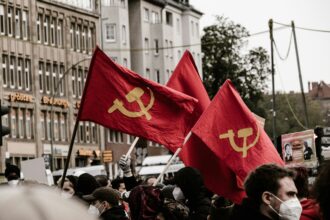
The Cold War was not solely fought with missiles and spies; it was also a fierce ideological battle waged on the fronts of hearts and minds. Both superpowers employed sophisticated propaganda and cultural diplomacy to promote their respective systems and discredit their rivals.
Propaganda Machines: Shaping Public Opinion
State-sponsored media, films, and publications were weaponized to disseminate ideological messages. The United States promoted its ideals of freedom and democracy through Voice of America broadcasts and Hollywood productions, while the Soviet Union used its media to highlight the perceived decadence of capitalism and the superiority of communism.
The Art of the Poster and the Pamphlet
The visual and print media played a crucial role in disseminating ideological messages. Cold War posters, with their stark imagery and powerful slogans, are enduring artifacts of this propaganda war. Pamphlets and books were distributed widely, attempting to sway public opinion both domestically and internationally. The careful curation of narratives, often presenting a black-and-white view of the world, aimed to mobilize populations and solidify allegiances.
The Hollywood Front Line
Hollywood, with its global reach, became an unwitting or perhaps witting participant in the ideological struggle. While overtly anti-communist films were common, even films that did not directly engage with political themes were often viewed through an ideological lens, promoting American values and lifestyles as aspirational. The Hays Code, in place for much of the era, also served to reinforce certain social norms deemed desirable in the context of the ideological competition.
Cultural Exchange and Its Dual Purpose
While overt propaganda was prevalent, cultural exchange programs offered a more subtle yet equally potent tool. The exchange of artists, musicians, athletes, and academics aimed to showcase the best of each system and foster goodwill.
The U.S. Information Agency and Its Global Reach
The U.S. Information Agency (USIA) played a significant role in projecting American culture and values abroad. It sponsored exhibitions, facilitated tours for American artists, and distributed publications designed to counter Soviet narratives and win over international audiences. The “kitchen debate” between Vice President Nixon and Soviet Premier Khrushchev in 1959, though seemingly informal, was a highly publicized demonstration of the consumerist advantages of the American system.
The Soviet Union’s Cultural Offensive
The Soviet Union also engaged in significant cultural diplomacy, promoting its ballet, literature, and scientific achievements as evidence of communist superiority. These exchanges, while often controlled and curated, aimed to demonstrate the vibrancy and achievements of socialist societies and to create allies in the global struggle for influence. The Bolshoi Ballet’s tours, for instance, were highly anticipated international events.
The Unseen Frontlines: Proxy Wars and Their Human Cost
The Cold War was characterized by intense competition for influence in developing nations, leading to a series of brutal proxy wars. These conflicts, often fueled by superpower arms and ideological support, left a devastating human toll and shaped the political landscapes of entire regions.
The Domino Theory and its Tragic Consequences
The “Domino Theory,” the belief that if one country fell to communism, neighboring countries would inevitably follow, underpinned much of the U.S. foreign policy during the Cold War. This fear, though often exaggerated, led to significant military interventions and support for authoritarian regimes deemed to be bulwarks against communism.
The Vietnam War: A Defining Trauma
The Vietnam War stands as a stark and tragic example of the consequences of the Domino Theory. The protracted and devastating conflict resulted in millions of deaths and left indelible scars on both Vietnam and the United States. The war exposed the limits of military power and the complexities of fighting ideological battles in diverse cultural contexts. The anti-war movement in the U.S. also became a significant social and political force, reflecting a profound reevaluation of American foreign policy.
The Angolan Civil War: A Cold War Crucible
The Angolan Civil War, a protracted conflict that began in the 1970s, was heavily influenced by Cold War rivalries. The U.S., South Africa, and Zaire supported UNITA, while the Soviet Union and Cuba backed the MPLA. This external interference prolonged the conflict, exacerbated suffering, and hindered the nation’s development for decades. The war became a testing ground for Soviet and Cuban military strategies and a significant drain on resources for all involved.
The Geopolitical Repercussions in Latin America
Latin America was a key theater for Cold War competition, with both superpowers vying for influence. The U.S. actively intervened to counter perceived communist threats, often supporting right-wing dictatorships through covert operations and economic aid.
The Cuban Revolution and its Ripple Effect
Fidel Castro’s successful revolution in Cuba in 1959 and its subsequent alignment with the Soviet Union sent shockwaves throughout the region. The U.S. responded with economic sanctions and covert attempts to destabilize the Castro regime, including the Bay of Pigs invasion. The presence of Soviet missiles in Cuba in 1962 brought the world to the brink of nuclear war during the Cuban Missile Crisis, a moment of extreme tension that underscored the dangers of the Cold War.
The Dirty Wars and the Fear of Communism
Several Latin American countries experienced periods of brutal authoritarian rule and repression, often referred to as “Dirty Wars.” These regimes, frequently supported by the U.S. in their fight against leftist movements, were responsible for widespread human rights abuses, including disappearances, torture, and extrajudicial killings. The fear of communism became a justification for suppressing dissent and undermining democratic aspirations.
The secret history of the Cold War reveals many hidden narratives that shaped global politics during the 20th century. One fascinating aspect is the covert operations conducted by various nations, which often went unnoticed by the general public. For those interested in exploring this topic further, a related article can be found at this link, where you can delve into the intricate web of espionage and diplomacy that defined the era. Understanding these clandestine activities provides a deeper insight into the complexities of international relations during the Cold War.
The Enduring Legacies: Unfinished Business and Evolving Threats
The fall of the Berlin Wall in 1989 and the subsequent dissolution of the Soviet Union in 1991 marked the formal end of the Cold War. However, the impact of this era continues to reverberate, shaping international relations, contributing to ongoing conflicts, and influencing the very nature of global power dynamics.
The Unresolved Puzzles and Declassified Secrets
Despite the passage of time, many aspects of the Cold War remain shrouded in mystery. The ongoing declassification of documents continues to reveal new insights into covert operations, diplomatic maneuvers, and the decision-making processes of leaders. These revelations often challenge existing historical interpretations and highlight the complexities and moral ambiguities of the era. The sheer volume of classified material still existing suggests that many secrets of the Cold War are yet to be unveiled.
The Rise of New Global Challenges
The power vacuums created by the collapse of the Soviet Union, coupled with the enduring impact of Cold War proxy conflicts, contributed to the rise of new global challenges. The proliferation of weapons, the resurgence of nationalism, and the emergence of non-state actors can often be traced back to the geopolitical realignments and unresolved issues of the Cold War era.
The Evolution of Geopolitical Rivalries
While the bipolar world of the Cold War has dissolved, the dynamics of geopolitical competition have not disappeared. The lessons learned, both positive and negative, from the Cold War continue to inform the strategies and interactions of nations on the global stage. Understanding the hidden histories of this era is crucial for navigating the complex international landscape of the 21st century, recognizing that the echoes of past struggles continue to shape present-day realities. The legacy of the Cold War is not simply a chapter in history; it is a living and evolving force.

The $17 Million That Helped Destroy an Empire
FAQs

What is the secret history of the Cold War?
The secret history of the Cold War refers to the lesser-known events, covert operations, and behind-the-scenes activities that took place during the Cold War era, which lasted from the late 1940s to the early 1990s. These events often involved espionage, intelligence gathering, and clandestine operations conducted by the United States, the Soviet Union, and their respective allies.
What are some examples of secret activities during the Cold War?
Some examples of secret activities during the Cold War include the CIA’s covert operations to overthrow foreign governments, such as the 1953 coup in Iran and the 1973 coup in Chile. Additionally, both the United States and the Soviet Union engaged in extensive espionage efforts, including the infamous case of the Cambridge Five spy ring in the UK and the activities of the KGB in the United States.
How did secret activities impact the course of the Cold War?
Secret activities had a significant impact on the course of the Cold War. Covert operations and espionage often influenced the political landscape of various countries, leading to regime changes and geopolitical shifts. Additionally, the secret arms race and technological advancements in espionage had a direct impact on the military and intelligence capabilities of both the United States and the Soviet Union.
What are some lesser-known aspects of the Cold War?
Some lesser-known aspects of the Cold War include the role of non-state actors, such as private organizations and individuals, in conducting covert operations and intelligence gathering. Additionally, the extent of cultural and ideological warfare, including propaganda efforts and psychological operations, is often overlooked in traditional Cold War narratives.
How has the understanding of the Cold War changed with the revelation of secret history?
The revelation of the secret history of the Cold War has led to a reevaluation of traditional narratives and a deeper understanding of the complexities and nuances of this era. It has shed light on the extent of covert activities and their impact on global politics, as well as the role of intelligence agencies and non-state actors in shaping the course of history.