The Cold War, a period defined by simmering tension and proxy conflicts rather than direct military confrontation, often conjures images of mushroom clouds and espionage thrillers. However, beneath the familiar narrative lies a far more complex and multifaceted history, one riddled with untold stories, clandestine operations, and overlooked consequences. Uncovering the secrets of this era demands a deep dive beyond the headlines, into the archives, the memoirs, and the whispers of those who lived through it. This exploration aims to illuminate some of these hidden dimensions, revealing the intricate web of factors that shaped the global landscape for nearly half a century.
The Cold War was, at its heart, a battle of ideologies waged through intelligence agencies and covert actions. While the public saw the standoff between two superpowers, a vast, unseen war was being fought in the shadows, shaping political landscapes, influencing elections, and destabilizing governments.
The Genesis of Espionage and Counterespionage
The foundations of modern intelligence services were cemented during World War II, but it was the ideological struggle of the Cold War that propelled them to unprecedented levels of power and influence. The Central Intelligence Agency (CIA) and the KGB, in particular, became behemoths, their operations spanning the globe. The primary objective was to gather information, understand the adversary’s intentions, and, crucially, to weaken them through subversion and manipulation. This involved not just human intelligence – spies and informants – but also technological advancements like aerial reconnaissance and signals intelligence. The constant fear of the other side’s capabilities fueled an arms race not only in nuclear weapons but also in the tools and techniques of espionage. Debriefings of defectors, the deciphering of coded messages, and the infiltration of enemy networks were daily realities, though often kept from public view for decades. The psychological warfare aspect was also immense, with both sides attempting to undermine the other’s legitimacy and domestic support through propaganda and disinformation campaigns.
The Art of the Coup and Destabilization
Beyond gathering intelligence, both superpowers actively intervened in the internal affairs of other nations. This often manifested as orchestrating or supporting coups d’état to install friendly regimes or to topple those perceived as hostile. From the overthrow of Mossadegh in Iran in 1953, facilitated by the CIA, to various interventions in Latin America and Africa, the Cold War provided a convenient cover for geopolitical maneuvering disguised as anti-communist or anti-imperialist efforts. These operations, rarely acknowledged publicly at the time, had profound and lasting impacts on the political development and stability of numerous countries, often leaving legacies of resentment and instability that continue to echo today. The justifications for such interventions were often framed in terms of national security or the prevention of communist expansion, but the underlying motives were frequently driven by economic interests or the desire to project influence. The ethical implications of such actions, including the violation of national sovereignty and the unintended consequences of destabilizing fragile states, remain a critical area of historical inquiry.
The Unseen Battlefield: Psychological Warfare and Propaganda
The Cold War was also a battle for the minds of people worldwide. Both the United States and the Soviet Union engaged in extensive propaganda and psychological warfare campaigns to promote their respective ideologies and discredit the other. This went beyond simple news reporting; it involved carefully crafted narratives, the dissemination of misinformation, and the exploitation of cultural mediums like film, radio, and even music. The Voice of America and Radio Free Europe, for instance, were crucial in broadcasting Western perspectives into Soviet-bloc countries, while Soviet propaganda sought to highlight the perceived injustices and inequalities of capitalist societies. The impact of these campaigns was often subtle but pervasive, shaping public opinion, influencing political discourse, and even contributing to social unrest within targeted nations. Understanding this hidden war of ideas is crucial to grasping the full scope of Cold War anxieties and motivations. The constant barrage of competing narratives created an atmosphere of suspicion and distrust, making it difficult for citizens on both sides of the Iron Curtain to discern objective truth.
The hidden history of the Cold War reveals numerous untold stories and covert operations that shaped global politics during this tense period. For an in-depth exploration of these lesser-known events, you can read the article on the intricacies of espionage and diplomacy during the Cold War era. It provides valuable insights into the strategies employed by both the East and West, shedding light on the complexities of international relations at the time. To learn more, visit this article.
The Nuclear Shadow: Brinkmanship and Near Misses
The specter of nuclear annihilation loomed large over the Cold War, shaping policy, driving technological development, and creating moments of unprecedented global peril. The development and proliferation of nuclear weapons transformed international relations, ushering in an era of mutually assured destruction.
The Dawn of the Nuclear Age and the Arms Race
The dropping of atomic bombs on Hiroshima and Nagasaki at the end of World War II marked the terrifying dawn of the nuclear age. The subsequent arms race between the United States and the Soviet Union saw the rapid development of increasingly destructive nuclear arsenals. This competition was not merely about building more bombs; it was also about developing more sophisticated delivery systems – intercontinental ballistic missiles (ICBMs), nuclear submarines, and strategic bombers. The doctrine of Mutually Assured Destruction (MAD) emerged as a chilling deterrent, suggesting that any nuclear first strike would inevitably lead to the obliteration of both attacker and defender. This precarious balance, while arguably preventing direct superpower conflict, created an atmosphere of constant existential threat. The sheer destructive power unleashed by nuclear weapons was something humanity had never before contemplated, and the psychological toll of living under this shadow was immense. The immense resources poured into nuclear research and development also had significant economic and scientific spillover effects, both positive and negative.
The Cuban Missile Crisis: A World on the Brink
Perhaps the most chilling moment of the Cold War was the Cuban Missile Crisis of 1962. When Soviet nuclear missiles were discovered in Cuba, just 90 miles from the United States, the world held its breath. For thirteen days, the superpowers teetered on the precipice of nuclear war, with tense negotiations, naval blockades, and strategic maneuvers playing out in real-time. The crisis highlighted the fragility of peace and the immense personal responsibility borne by leaders like John F. Kennedy and Nikita Khrushchev. The secret back-channel communications, the internal debates within the US government, and the various close calls that could have triggered a global catastrophe are all part of the hidden history of this pivotal event. The crisis ultimately led to a period of détente, with both sides recognizing the extreme danger of such brinkmanship and seeking to establish more reliable lines of communication, such as the Moscow-Washington hotline. The fear generated by the crisis also spurred renewed efforts towards arms control treaties.
The Accidental Wars: False Alarms and Near Catastrophes
The fear of nuclear war was amplified by the numerous instances where accidental launches or misinterpretations of early warning systems nearly triggered a catastrophic conflict. Stories of malfunctioning equipment, human error, and Cold War paranoia leading to false alarms are a stark reminder of how close the world came to unintended nuclear devastation. These “near misses,” often revealed years or decades later through declassified documents or the memoirs of those involved, underscore the immense pressure on military personnel and the inherent risks of relying on complex technological systems during times of extreme tension. The psychological toll on those responsible for operating these systems, knowing the potential consequences of a single mistake, must have been immense. The sheer number of these incidents, when aggregated, paints a picture of a world precariously balanced, where a single technical glitch or a moment of misjudgment could have had irreversible consequences for all of humanity.
The Economic and Ideological Divide: A World Apart
The Cold War was fundamentally an ideological conflict, and this divide manifested profoundly in the economic systems and lived experiences of people on either side of the Iron Curtain. While official narratives emphasized the superiority of their own system, the reality was far more nuanced, with both capitalism and communism facing their own internal challenges and contradictions.
The Iron Curtain and the Global Division
The “Iron Curtain,” a term popularized by Winston Churchill, represented a stark physical and ideological division of Europe and, by extension, much of the world. On one side, the United States and its allies championed free markets, democracy, and individual liberties. On the other, the Soviet Union and its satellite states promoted centrally planned economies, single-party rule, and a collectivist ideology. This division led to the creation of distinct economic blocs, trade barriers, and ideological zones of influence, profoundly shaping global trade, migration patterns, and cultural exchange. The scarcity of consumer goods in the East contrasted with the burgeoning consumer culture of the West, creating a powerful visual and material demonstration of the ideological struggle. The very concept of “the West” and “the East” became deeply ingrained in global consciousness, influencing everything from international diplomacy to popular culture.
The Proxy Wars: Ideology on the Battlefield
While direct conflict between the superpowers was avoided, the Cold War was characterized by numerous proxy wars fought in third-party countries. These conflicts, such as the Korean War, the Vietnam War, and the Soviet-Afghan War, were often framed as ideological battles between communism and capitalism, but they were also deeply rooted in local histories, national aspirations, and geopolitical rivalries. The superpowers provided military aid, advisors, and, in some cases, direct military support to opposing factions, turning these conflicts into devastating struggles with immense human cost. The hidden history of these proxy wars often involves the complex interplay of external intervention and internal dynamics, with local actors often pursuing their own agendas that were not always aligned with the goals of their superpower patrons. Understanding these conflicts requires looking beyond the simplistic East-West narrative to the intricate web of local politics and motivations. The long-term consequences of these interventions, including the rise of extremist groups and enduring regional instability, continue to shape the world today.
The Economic Competition: A Race for Superiority
Beyond military might, the Cold War was also an intense economic competition. Both the United States and the Soviet Union sought to demonstrate the superiority of their economic systems to the world. The Marshall Plan, for example, was a US initiative to rebuild Western Europe and prevent the spread of communism. The Soviet Union, in turn, promoted its model of industrialization and economic development to developing nations. This economic rivalry extended to areas like technological innovation, space exploration, and even consumer goods. The hidden economic strategies, the covert efforts to undermine the adversary’s economy, and the long-term impacts of these competing models on global economic development are crucial aspects of the Cold War’s legacy. The development of new technologies, spurred by this competition, had profound impacts on various industries and societal development globally.
The Unseen Architects: Spies, Dissidents, and the People’s Experience
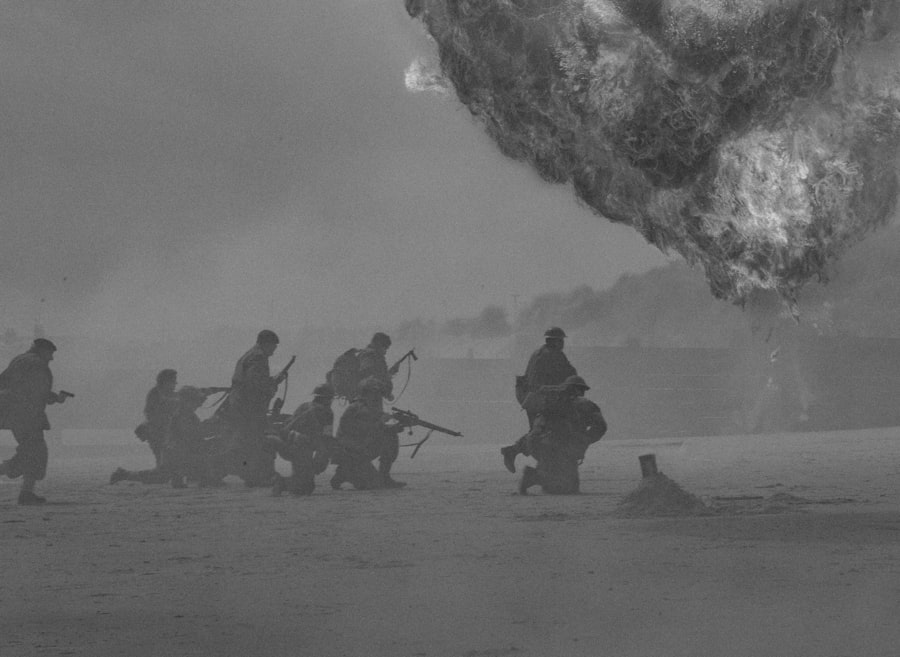
The grand narratives of Cold War history often focus on leaders and policymakers. However, the true depth of the era is revealed when we examine the experiences of those operating in the shadows – the spies, the dissidents, and the ordinary people whose lives were shaped by this global struggle.
The Human Cost of Espionage: Agents and Defectors
The lives of spies and defectors are often filled with intrigue, danger, and profound personal sacrifice. The stories of individuals who risked everything to gather intelligence, to pass information, or to escape oppressive regimes offer a deeply human perspective on the Cold War. From the double agents who navigated treacherous loyalties to the scientists who defected with invaluable knowledge, their experiences reveal the moral complexities and the immense personal toll of this clandestine war. Many of these stories were only declassified decades later, revealing the bravery and the often tragic fates of those who operated beyond the public eye. The psychological impact of living a double life, constantly under threat of exposure and betrayal, is a significant aspect of their hidden history. The ethical dilemmas they faced, often forced to choose between loyalty to their country and their personal conscience, continue to be debated.
The Power of Dissent: Voices from Behind the Iron Curtain
Despite the formidable power of state control, dissent festered within the Soviet bloc. The stories of dissidents, writers, and artists who bravely challenged the status quo and spoke truth to power are a vital part of the Cold War’s hidden history. Figures like Václav Havel in Czechoslovakia, Andrei Sakharov in the Soviet Union, and Aleksandr Solzhenitsyn, who exposed the horrors of the Gulag, provided moral leadership and inspired movements for change. Their writings, often smuggled out and circulated secretly, kept alive the ideals of freedom and human rights, ultimately contributing to the erosion of Soviet influence. The courage it took to speak out against a totalitarian regime, facing imprisonment, persecution, and even death, is a testament to the enduring human spirit. Their often solitary struggles ultimately played a significant role in the peaceful revolutions of 1989.
The Everyday Realities: Life Under the Shadow of Conflict
For millions of people, the Cold War was not just an abstract geopolitical struggle but a lived reality that shaped their daily lives. From the constant threat of nuclear war and the pervasive atmosphere of suspicion to the limitations on travel and information, the Cold War cast a long shadow. The hidden history of this period lies in the collective experiences of ordinary citizens – their fears, their hopes, their adaptations, and their resilience in the face of an often-uncertain future. The economic hardships in some regions, the cultural exchanges that sometimes transcended political divides, and the impact of Cold War anxieties on family life all contribute to a more nuanced understanding of this era. The propaganda disseminated by both sides also played a significant role in shaping the perceptions and behaviors of the general populace, creating a sense of “us” versus “them” that permeated society.
The hidden history of the Cold War reveals many intriguing aspects that often go unnoticed in mainstream narratives. For those interested in exploring this topic further, a fascinating article can be found at In the War Room, which delves into the lesser-known events and strategies that shaped this tense period. By uncovering these elements, we gain a deeper understanding of the geopolitical landscape and the motivations behind key decisions made during the Cold War.
The Legacy of Secrecy: Declassification and Enduring Mysteries
| Event | Date | Location | Significance |
|---|---|---|---|
| Iron Curtain Speech | 1946 | Fulton, Missouri | Winston Churchill’s speech highlighting the division between Eastern and Western Europe |
| Berlin Airlift | 1948-1949 | Berlin, Germany | Massive effort to supply West Berlin with food and supplies during the Soviet blockade |
| Korean War | 1950-1953 | Korean Peninsula | Conflict between North and South Korea with involvement of US and Soviet Union |
| Cuban Missile Crisis | 1962 | Cuba | Standoff between US and Soviet Union over the placement of nuclear missiles in Cuba |
The end of the Cold War did not instantly unveil all its secrets. For decades, governments maintained classifications on documents and operations, leaving vast swathes of history shrouded in mystery. The ongoing process of declassification continues to reveal new insights and challenge existing narratives.
The Decades of Secrecy: Why the Veil?
The justifications for maintaining secrecy during and after the Cold War were multifaceted. National security concerns, the protection of intelligence sources and methods, and the desire to avoid international embarrassment or domestic criticism all played a role. The classified nature of operations meant that many actions, decisions, and even entire events remained unknown to the public for years, even decades. This secrecy allowed for the proliferation of myths and misinformation, while simultaneously hindering a full and comprehensive understanding of the era’s complexities. The fear of revealing past indiscretions or of providing adversaries with intelligence remained a powerful motivator for continued classification. The sheer volume of classified information accumulated over half a century represents a monumental challenge for historians and researchers.
The Declassification Process: Unlocking the Archives
The gradual process of declassification has been instrumental in peeling back the layers of secrecy surrounding the Cold War. As historical documents are released, often through Freedom of Information Act requests or through scheduled reviews, historians gain unprecedented access to primary source material. These revelations have reshaped our understanding of key events, exposed the hidden motivations behind certain policies, and brought to light previously unknown operations and actors. The challenges of sifting through vast archives, interpreting the nuances of bureaucratic language, and piecing together fragmented information are all part of the ongoing effort to reconstruct this complex history. Each declassified file offers a potential new piece of the puzzle, sometimes confirming existing theories and at other times overturning them entirely. The ongoing nature of declassification means that our understanding of the Cold War is perpetually evolving.
Enduring Mysteries and Unanswered Questions
Despite decades of research and declassification, many mysteries of the Cold War persist. The full extent of certain covert operations, the precise details of some intelligence coups, and the ultimate fate of some individuals remain subjects of speculation and ongoing investigation. The nature of intelligence work inherently involves secrecy, and the complete illumination of every covert action may prove impossible. However, the pursuit of these enduring mysteries is crucial, as it pushes the boundaries of our knowledge and ensures that the lessons of the Cold War are not forgotten. The ethical implications of past actions, the long-term consequences of interventions, and the responsibility of governments to be transparent about their histories are all critical aspects that continue to be explored. The very act of uncovering these hidden histories is an ongoing process, a testament to the enduring human desire to understand the past and its impact on the present. The Cold War, a period that shaped the modern world in profound ways, continues to offer a rich tapestry of hidden stories waiting to be discovered, each one offering a deeper appreciation for the complexities and consequences of this pivotal era in human history.

The $17 Million That Helped Destroy an Empire
FAQs
What is the hidden history of the Cold War?
The hidden history of the Cold War refers to the lesser-known events, actions, and policies that took place during the Cold War era, which lasted from 1947 to 1991. These include covert operations, espionage, proxy wars, and secret negotiations that were not widely publicized at the time.
What are some examples of hidden events during the Cold War?
Some examples of hidden events during the Cold War include the CIA’s involvement in overthrowing governments in Iran, Guatemala, and Chile, as well as the Soviet Union’s secret deployment of nuclear missiles in Cuba. Additionally, there were numerous covert operations and espionage activities conducted by both the United States and the Soviet Union.
How did the hidden history of the Cold War impact global politics?
The hidden history of the Cold War had a significant impact on global politics, as it shaped alliances, conflicts, and power dynamics around the world. Covert operations and secret negotiations often influenced the outcomes of major events, such as the Korean War, the Vietnam War, and the Cuban Missile Crisis.
Why is it important to study the hidden history of the Cold War?
Studying the hidden history of the Cold War provides a more comprehensive understanding of the era and its lasting effects on international relations. It also sheds light on the complexities of global politics and the role of covert actions in shaping world events.
Where can one learn more about the hidden history of the Cold War?
One can learn more about the hidden history of the Cold War through academic books, documentaries, and historical archives. Many universities and research institutions also offer courses and seminars specifically focused on this topic.