Remember the early days of 2009 when it felt like everything was a bit uncertain? For folks in the healthcare world, especially those relying on certain diagnostic tools, that uncertainty hit a little too close to home. A significant shortage of crucial medical isotopes popped up, causing genuine disruptions and forcing a lot of quick thinking. What exactly happened, and why did it matter so much? Let’s break down the 2009 medical isotope crisis.
Before diving into the crisis, it’s useful to understand what we’re talking about. Medical isotopes, in essence, are specific types of atoms that give off radiation. This radiation isn’t something to be scared of in this context; it’s actually harnessed for good. Think of them as tiny, invisible signals that doctors can use to see what’s going on inside our bodies.
The “Diagnostic Powerhouses”
The most commonly used medical isotopes are often referred to as radioisotopes or radionuclides. They’re typically attached to specific molecules that target particular organs or tissues. When these molecules gather in a certain area, the emitted radiation can be detected by special cameras, creating detailed images. This is the backbone of many common medical scans, helping doctors diagnose a wide range of conditions.
Beyond Diagnosis: The Therapeutic Side
While diagnostic imaging is a primary use, some isotopes also have therapeutic applications (radiotherapy). These are designed to target and destroy diseased cells, particularly in cancer treatment. The precision of these treatments has advanced significantly over the years, making isotopes invaluable in fighting serious illnesses.
The Everyday Reliance
It’s easy to overlook how integrated these isotopes are into modern medicine. They’re not just for rare or complex cases; they are part of the diagnostic toolkit used daily in hospitals and clinics worldwide. From checking heart function to detecting the spread of cancer, the smooth supply of these isotopes is something many healthcare professionals simply expect.
In 2009, the medical community faced significant challenges due to shortages of medical isotopes, which are crucial for various diagnostic imaging procedures. This issue was highlighted in an article discussing the implications of these shortages on patient care and the need for alternative solutions. For more insights on this topic, you can read the related article at In the War Room.
The Root of the Problem: Nuclear Reactors and Production
The core of the 2009 medical isotope shortage lay with the specific way these crucial materials were produced: through nuclear reactors. Not just any nuclear reactor, mind you, but specific types that are capable of producing the isotopes needed for medical purposes.
The “Workhorse” Reactors
Globally, a handful of research reactors were the primary producers of Molybdenum-99 (Mo-99), which is the parent isotope for Technetium-99m (Tc-99m). Tc-99m is the most widely used medical radioisotope, found in probably 80-90% of all nuclear medicine procedures. These reactors would irradiate targets, like enriched uranium, to create Mo-99.
The “Cold Knock” of Unplanned Shutdowns
The crisis wasn’t caused by a single, catastrophic event, but rather a series of unfortunate, and often unpredictable, outages at these vital production facilities. In late 2008 and early 2009, several of these key reactors experienced unplanned shutdowns.
The Chalk River Reactor’s Contribution
A significant player in the global supply of Mo-99 was the Chalk River Laboratories reactor in Ontario, Canada. Operated by Atomic Energy of Canada Limited (AECL), it was a major source. In November 2008, this reactor shut down due to a minor mechanical issue. While repairs were relatively straightforward, the extended downtime meant a substantial dip in global isotope supply.
Other Reactors Facing Issues
The Chalk River shutdown was compounded by issues at other aging reactors around the world that produced Mo-99. These facilities, some of which were decades old, were prone to unexpected maintenance needs and repairs that could take weeks or even months to resolve.
The “Just-in-Time” Nature of Isotope Supply
A critical factor in the severity of the shortage was the “just-in-time” delivery model for medical isotopes. Mo-99 has a relatively short half-life (about 66 hours), meaning it decays into Tc-99m quite quickly. Tc-99m itself has an even shorter half-life (about six hours). This means isotopes need to be produced, shipped, and used within a narrow window to maintain their effectiveness. There wasn’t a large stockpile built up for times like these.
The Ripple Effect: Impact on Healthcare
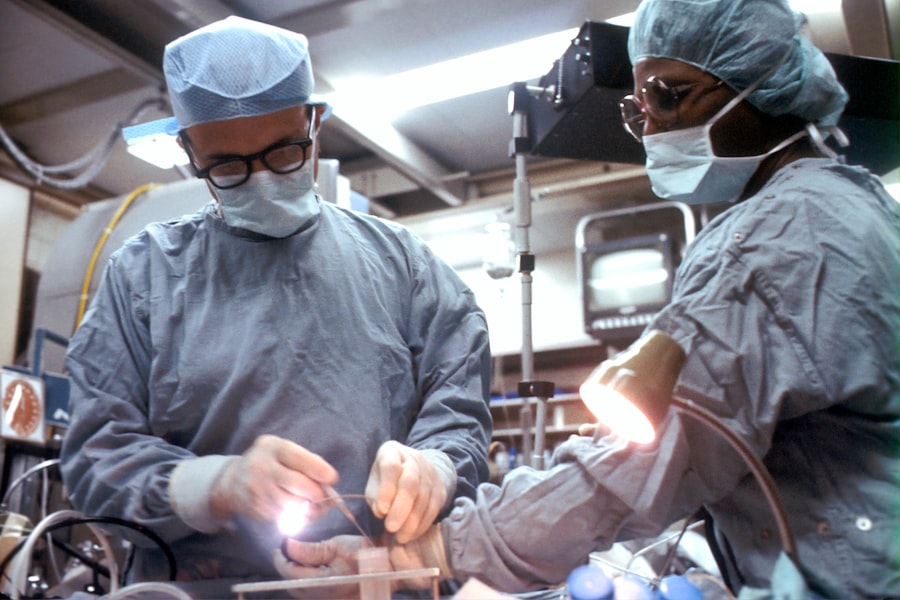
When the supply chain for these essential medical tools hiccups, the consequences are felt far and wide across the healthcare system. The 2009 shortage was no different, leading to significant disruptions and difficult decisions.
Delayed and Rescheduled Procedures
The most immediate consequence was the cancellation or postponement of diagnostic scans. Hospitals found themselves unable to perform procedures that relied on Tc-99m. This meant patients had to wait longer for crucial diagnoses, which can be particularly worrying for those suspecting serious conditions.
Impact on Cancer Diagnoses
For cancer patients, delays can be especially critical. Early detection and staging are vital for effective treatment. The inability to perform scans like bone scans or PET scans could hinder the timely initiation of treatment plans, potentially impacting patient outcomes.
Heart Health Scans on Hold
Cardiac imaging, which relies heavily on isotopes to assess blood flow to the heart, also faced interruptions. This meant that patients with suspected heart disease had to wait for these vital assessments, potentially increasing their risk.
Financial Strain on Hospitals
Hospitals also experienced financial strain. They had to manage the logistics of canceled appointments, rebooking, and potentially paying for alternative, less efficient, or more expensive diagnostic methods where available. The unpredictability also made planning difficult.
Patient Anxiety and Distress
Beyond the practical implications, the shortage undoubtedly caused significant anxiety for patients. Waiting for a scan can already be a stressful experience, and not knowing when or if it would happen only amplified that distress. The uncertainty around their health status was a heavy burden.
Strategies to Mitigate the Crisis
Faced with this unfolding crisis, healthcare professionals and government bodies had to scramble to find solutions. It was a period that highlighted the fragility of the supply chain and spurred efforts to build resilience.
Prioritization and Rationing
One of the immediate, albeit difficult, tactics was prioritization. Hospitals had to decide which procedures were most urgent and allocate the limited available isotopes accordingly. This often meant deferring less critical scans to ensure that those with the most immediate diagnostic needs could still be met.
“Last Resort” Measures
In some cases, healthcare providers had to resort to less ideal diagnostic methods that didn’t rely on isotopes, or explore alternative isotopes with different imaging characteristics, which might not offer the same clarity or efficiency.
International Collaboration and Diligence
The shortage was a global issue, and solutions often involved international cooperation. Countries and healthcare organizations worked to maximize the distribution of available isotopes from functional reactors and explore alternative suppliers or production methods.
The Role of Alternate Isotopes and Technologies
While Tc-99m was the primary concern, research and development into alternative diagnostic isotopes and imaging technologies gained renewed impetus. The crisis underscored the need for diversification in the tools available to physicians.
In recent years, the issue of medical isotope shortages has gained significant attention, particularly following the events of 2009 when a major reactor failure led to widespread disruptions in supply. This situation highlighted the critical role that medical isotopes play in diagnostic imaging and cancer treatment. For a deeper understanding of the implications and ongoing challenges related to this topic, you can read a related article that explores the complexities of the medical isotope supply chain and its impact on patient care. To learn more, visit this article.
Lessons Learned and Future Preparedness
| Year | Isotope | Shortage Duration | Impact |
|---|---|---|---|
| 2009 | Technetium-99m | Several months | Delayed medical procedures |
| 2009 | Molybdenum-99 | Intermittent shortages | Disruption of nuclear medicine |
The 2009 medical isotope crisis served as a stark wake-up call, revealing vulnerabilities in a system that many had taken for granted. It spurred a significant reevaluation of how these vital medical supplies are produced, distributed, and secured.
Diversifying Production Sources
A major takeaway was the need to move away from relying on a small number of aging reactors. Efforts were made to diversify the geographical locations and types of facilities that could produce Mo-99. This included exploring the potential for smaller, more modular reactors specifically designed for isotope production.
The Shift to Accelerator-Based Production
Another area of focus was the development and scaling of accelerator-based production of Mo-99. Unlike nuclear reactors, accelerators use particle beams to bombard target materials. This method offers potential advantages, such as being able to be located closer to medical centers and not requiring highly enriched uranium, potentially improving safety and security.
Building Strategic Reserves
The “just-in-time” model proved to be a significant weakness. The crisis highlighted the importance of establishing strategic reserves of critical isotopes or their precursors. This buffer could help to bridge the gap during unplanned outages without causing immediate and widespread disruption. However, given the short half-lives, storing large quantities of isotopes themselves is impractical. The focus shifted to stockpiling precursors or improving the efficiency of secondary production.
Enhancing Supply Chain Transparency and Communication
Better communication and transparency across the entire isotope supply chain became a priority. This involves sharing information about reactor status, production schedules, and potential disruptions more effectively among producers, distributors, and healthcare providers.
Investing in Research and Development
The crisis provided strong impetus for continued investment in research and development for novel diagnostic and therapeutic isotopes and imaging technologies. This ensures a broader range of tools are available, reducing reliance on any single isotope. The ongoing quest for safer, more efficient, and more accessible medical isotopes continues, building on the hard-won lessons of past shortages, including the challenging period of 2009.

Why Modern Medicine Can’t Store Tomorrow
FAQs
What are medical isotopes?
Medical isotopes are radioactive substances used in medical imaging and treatment. They are used in procedures such as PET scans, SPECT scans, and radiation therapy.
Why was there a shortage of medical isotopes in 2009?
The shortage of medical isotopes in 2009 was primarily due to the temporary shutdown of the Chalk River nuclear reactor in Canada, which was a major supplier of medical isotopes worldwide.
How did the shortage of medical isotopes affect healthcare?
The shortage of medical isotopes in 2009 led to delays and cancellations of medical imaging procedures, which impacted patient care and diagnosis. It also highlighted the vulnerability of the global supply chain for medical isotopes.
What measures were taken to address the shortage of medical isotopes in 2009?
During the shortage, efforts were made to increase production at other facilities and to find alternative sources of medical isotopes. Additionally, there were discussions about the need for more reliable and diverse supply sources for medical isotopes.
Has the issue of medical isotope shortages been resolved since 2009?
Efforts have been made to address the issue of medical isotope shortages since 2009, including the development of new production methods and facilities. However, challenges remain in ensuring a stable and sustainable supply of medical isotopes for healthcare worldwide.