
The medical isotope shortage is a pretty big deal, affecting everything from cancer diagnoses to heart treatments. Essentially, we’re having trouble getting enough of these special radioactive materials that are crucial for a lot of common medical procedures. This article will break down what medical isotopes are, why we’re running short, and what it all means for patients and the healthcare system.
Think of isotopes as different versions of the same chemical element. They have the same number of protons (which defines the element), but a different number of neutrons. Some isotopes are stable, meaning they just hang out. Others are radioactive, meaning they decay over time, releasing energy and particles.
Why the “Medical” Label?
It’s the radioactive ones we’re interested in for medicine. These “medical isotopes” are specially produced and carefully controlled. They’re used in two main ways:
- Diagnostic Imaging: These isotopes emit gamma rays that can be detected by special cameras (like PET scans and SPECT scans). This allows doctors to see how organs and tissues are functioning, detect diseases like cancer very early, and monitor treatment effectiveness. They’re like tiny, safe beacons inside your body.
- Therapy (Radiotherapy): Some isotopes emit radiation that can directly damage and kill cancerous cells. This is a vital part of cancer treatment, targeting tumors with precision.
Common Examples and Their Uses
You’ve probably heard of some of them, even if you didn’t realize they were isotopes.
Technetium-99m (Tc-99m)
This is the superstar of medical imaging, used in tens of millions of procedures worldwide each year. It’s incredibly versatile, used to image the brain, heart, lungs, bones, and more. Its short half-life (about six hours) is perfect – it’s active enough for imaging but decays quickly, minimizing radiation exposure to the patient.
Iodine-131 (I-131)
This one’s a workhorse for treating thyroid cancer and hyperthyroidism. It’s also used for some diagnostic imaging of the thyroid.
Molybdenum-99 (Mo-99)
This isn’t actually used directly. Mo-99 is the parent isotope from which Tc-99m is generated. So, a shortage of Mo-99 directly leads to a shortage of Tc-99m. Think of it as the source material for the everyday diagnostic tool.
Lutetium-177 (Lu-177) and Yttrium-90 (Y-90)
These are examples of isotopes increasingly used in targeted radionuclide therapy for specific types of cancer, like prostate cancer. They deliver radiation directly to cancer cells, sparing healthy tissue.
The ongoing medical isotope shortage has raised significant concerns within the healthcare community, impacting diagnostic imaging and treatment options for patients worldwide. For a deeper understanding of the factors contributing to this crisis, you can explore a related article that delves into the complexities of isotope production and distribution. To read more, visit this article.
The Root of the Problem: How Are They Made?
Medical isotopes aren’t found readily in nature in usable quantities. They need to be manufactured, and this is where the complexity and vulnerability lie.
Nuclear Reactors: The Old Reliable (and Fragile) Source
For decades, the primary way to produce Mo-99 (and thus Tc-99m) has been by bombarding a specific type of uranium (highly enriched uranium, or HEU, or recently, low enriched uranium, or LEU) with neutron radiation inside a nuclear reactor.
The Process in a Nutshell
- Irradiation: Uranium targets are placed inside a nuclear reactor for a specific period.
- Decay: After irradiation, the uranium is processed to extract the Mo-99 that has been created.
- Transport and Generation: Mo-99 is then shipped to hospitals and clinics, where it’s housed in “generators.” Tc-99m “licks” off the Mo-99 over time and is then eluted (washed off) for immediate use in patient scans.
Why Reactors Are Key (and a Bottleneck)
These reactors are specialized and not numerous. Many of the world’s primary suppliers of Mo-99 have relied on a small number of aging nuclear reactors. When one of these reactors goes offline for scheduled maintenance (which is common and necessary for safety), it can create ripple effects across the global supply chain.
Cyclotrons: An Alternative (But Not a Silver Bullet)
Cyclotrons are particle accelerators that can also produce certain medical isotopes. They work differently than reactors, accelerating particles to high speeds and smashing them into targets.
Advantages of Cyclotrons
- Decentralization: Cyclotrons can be smaller and located closer to where isotopes are needed, potentially reducing transportation issues.
- Reduced Reliance on Uranium: Some cyclotron-produced isotopes don’t require uranium targets, sidestepping some of the political and security concerns associated with uranium.
- Production Flexibility: They can be turned on and off more easily than large nuclear reactors.
Limitations of Cyclotrons
- Not a Full Replacement for Reactor Isotopes: While cyclotrons are great for producing certain isotopes (like Fluorine-18 for PET scans), they cannot currently produce Mo-99 in the quantities or cost-effectiveness needed to fully replace nuclear reactors for Tc-99m production.
- Technical Expertise: Operating and maintaining cyclotrons requires specialized knowledge.
- Initial Cost: Setting up a cyclotron facility can be a significant investment.
The Perfect Storm: Why the Shortage is Happening Now
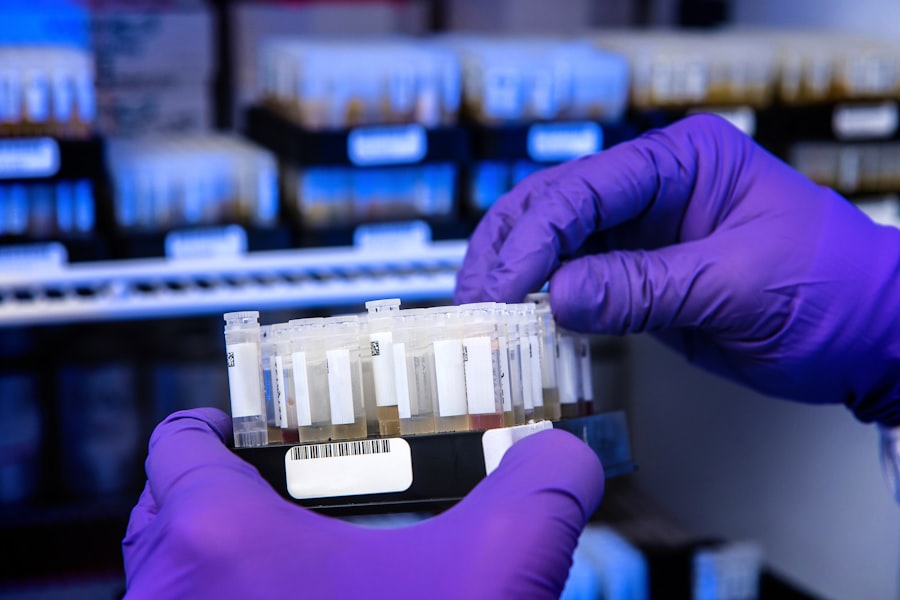
The current shortage isn’t the result of a single event, but rather a combination of factors that have created a perfect storm.
Aging Infrastructure and Planned Downtime
Many of the major nuclear reactors that produce Mo-99 have been operating for a long time. They require regular maintenance and upgrades. These planned shutdowns, while necessary for safety and efficiency in the long run, can temporarily reduce global supply. When multiple reactors go offline around the same time, the impact is magnified.
Supply Chain Fragility
The production of medical isotopes is a global effort. Raw materials, processing, and distribution all rely on a complex international network. Any disruption at one point in this chain – a technical issue at a reactor, a shipping delay, a political problem in a supplier country – can cascade and create shortages elsewhere.
Economic Realities and Market Dynamics
Producing medical isotopes is expensive. The cost of operating reactors, processing radioactive materials, and ensuring stringent safety and security protocols is high. Historically, the market has sometimes been driven by the lowest bidder, which hasn’t always incentivized investment in redundant or newer production facilities.
Geopolitical Factors
Some key suppliers of medical isotopes are located in countries with specific geopolitical landscapes. Events or policy changes in these regions can directly impact the global availability of these vital materials.
The Impact on Healthcare: What Does This Mean for Patients?
The medical isotope shortage has tangible and serious consequences for how healthcare is delivered.
Delayed or Rescheduled Procedures
When isotopes are scarce, hospitals and clinics have to make tough decisions. This can mean:
- Postponing diagnostic scans: Patients might have to wait longer for tests that are crucial for diagnosis, potentially delaying the start of treatment.
- Canceling or rescheduling appointments: This creates inconvenience and anxiety for patients.
- Prioritizing certain patients: In critical situations, doctors may have to decide who gets the limited supply first, which is a difficult ethical dilemma.
Increased Costs and Resource Strain
When supplies are low, prices can go up. Hospitals might have to pay more for the isotopes they can get, or spend more on alternative imaging techniques, if available. Staff also face increased stress trying to manage schedules and communicate with patients about delays.
Limitations in Cancer Treatment
For cancers treated with radiotherapy, shortages can be devastating. This can mean:
- Delayed or interrupted treatment: If the specific isotope needed for a patient’s therapy isn’t available, their treatment plan might be thrown off, impacting its effectiveness.
- Limited access to newer therapies: The development of novel targeted therapies using isotopes like Lu-177 is growing, but a shortage in essential isotopes could hinder their widespread adoption.
Reduced Access to Early Detection Tools
Many diseases, especially cancers, are most treatable when caught early. The diagnostic power of isotopes like Tc-99m is paramount for this. Shortages mean fewer opportunities for early detection, potentially leading to later diagnosis and poorer outcomes.
The ongoing medical isotope shortage has raised significant concerns within the healthcare community, as these isotopes are crucial for various diagnostic and therapeutic procedures. For a deeper understanding of the implications and potential solutions to this crisis, you can read a related article that explores the challenges faced by medical facilities and the efforts being made to mitigate the impact of this shortage. To learn more about this pressing issue, visit this article, which provides valuable insights into the current situation.
Moving Forward: Solutions and the Future of Isotope Production
| Isotope | Shortage Explanation |
|---|---|
| Technetium-99m | Shortage due to supply chain disruptions and reactor shutdowns |
| Molybdenum-99 | Shortage due to limited production capacity and aging reactors |
| Fluorine-18 | Shortage due to increased demand and limited production facilities |
Addressing the medical isotope shortage requires a multi-pronged approach involving governments, industry, and research institutions.
Diversifying Production: The Long Game
The most frequently cited solution is to move away from relying on a few aging reactors.
New Reactor Projects
There are efforts underway globally to build new, modernized nuclear reactors specifically designed for medical isotope production. These projects are complex, expensive, and take many years to come online, but they are crucial for long-term security.
Expanding Cyclotron Capabilities
Investing in and expanding the use of cyclotrons for producing isotopes that don’t rely on nuclear reactors is also a key strategy. This requires training personnel and developing more efficient cycling technologies.
Strengthening the Supply Chain
Improving the resilience and transparency of the global supply chain is vital.
Collaboration Between Suppliers and Users
Better communication and foresight between isotope producers and healthcare providers can help anticipate potential shortages and manage demand more effectively.
Strategic Stockpiling
While difficult for short-lived isotopes, exploring options for strategic stockpiling of precursor materials or more stable isotopes could offer a buffer.
Regulatory and Policy Support
Governments play a significant role in facilitating isotope production and distribution.
Streamlined Licensing and Permitting
Reducing bureaucratic hurdles for new production facilities while maintaining stringent safety standards can accelerate progress.
Funding and Incentives
Providing financial support and incentives for research, development, and the establishment of new production sites is essential.
Innovations in Isotope Production and Delivery
Researchers are constantly exploring new ways to create and utilize medical isotopes.
- Advanced Reactor Designs: Exploring smaller, modular reactor designs that might be more cost-effective and flexible for isotope production.
- Novel Isotope Pairs: Investigating alternative isotope pairs for imaging and therapy that might be easier to produce or have improved properties.
- On-Demand Production: Research into technologies that could allow for more localized, on-demand production of certain isotopes at or near hospitals.
The medical isotope shortage is a significant challenge, but it’s also an opportunity to reimagine and strengthen a critical part of our healthcare infrastructure. By understanding the complexities of isotope production and the reasons behind the shortages, we can better appreciate the efforts being made to ensure these vital tools remain available for patients who need them.

Why Modern Medicine Can’t Store Tomorrow
FAQs
What are medical isotopes?
Medical isotopes are radioactive substances used in nuclear medicine to diagnose and treat various medical conditions. They are commonly used in imaging procedures such as PET scans and SPECT scans.
Why is there a shortage of medical isotopes?
The shortage of medical isotopes is primarily due to the limited number of nuclear reactors capable of producing them. Additionally, unexpected shutdowns of these reactors and supply chain disruptions can also contribute to the shortage.
What are the implications of the medical isotope shortage?
The shortage of medical isotopes can lead to delays in diagnostic procedures and treatment for patients. It can also impact the availability of certain medical treatments and potentially increase healthcare costs.
How are efforts being made to address the shortage of medical isotopes?
Efforts are being made to increase the production of medical isotopes by building new nuclear reactors and utilizing alternative production methods. Additionally, research is being conducted to develop more efficient ways of producing and utilizing medical isotopes.
What can be done to mitigate the impact of the medical isotope shortage?
To mitigate the impact of the medical isotope shortage, healthcare providers can prioritize the use of available isotopes for critical diagnostic and treatment purposes. Additionally, collaboration between countries and organizations can help ensure a more stable supply of medical isotopes.