Modern Warfare: A Documentary on the Changing Face of Battle
The roar of engines, the acrid smell of cordite, the chilling hum of drones – these are the sensory hallmarks of conflict in the 21st century. “Modern Warfare: A Documentary on the Changing Face of Battle” plunges viewers deep into the heart of this evolving landscape, eschewing traditional cinematic narratives for a raw, unflinching examination of how war is fought today. Produced by the acclaimed independent film collective, Veritas Productions, this documentary is not merely a historical record; it is a vital primer for understanding the complex, often invisible, and increasingly technologically driven nature of contemporary conflict.
The film meticulously dissects the paradigm shift that has occurred since the dawn of the new millennium. Gone are the monolithic armies clashing on open fields, replaced by a decentralized, multi-domain battlefield where cyber warfare sits alongside kinetic action, and where the lines between combatant and civilian are blurred to an alarming degree. “Modern Warfare” assembles a diverse array of voices – from seasoned generals and frontline soldiers to civilian analysts, ethicists, and victims of conflict – to paint a comprehensive, if often unsettling, portrait of this new reality. It’s a documentary that demands attention, challenging viewers to grapple with the profound implications of these transformations on geopolitical stability, human lives, and the very definition of victory.
One of the most compelling arguments presented by “Modern Warfare” centers on the burgeoning role of autonomous systems and artificial intelligence in warfare. The documentary dedicates significant screen time to exploring the development and deployment of drones, robotic soldiers, and AI-powered targeting systems. These technologies, once confined to the realm of science fiction, are now integral components of modern military arsenals, fundamentally altering the calculus of engagement.
Drones: Eyes in the Sky and Fists of Fury
The ubiquity of drones, from small, hand-launched reconnaissance units to the formidable Predator and Reaper aircraft, is thoroughly documented. Viewers are offered a glimpse into the operational theaters where these unblinking eyes perpetually survey the landscape, identifying targets with unprecedented precision. The film then pivots to the offensive capabilities, showcasing the devastating accuracy of drone-launched missiles. Interviews with drone operators, often stationed thousands of miles from the conflict zone, highlight the surreal disconnection between the sterile control rooms and the brutal reality of the strikes they orchestrate. This section also grapples with the ethical implications of remote warfare, questioning the psychological toll on operators and the potential for escalation when the decision to kill can be made without immediate, visceral consequence.
The Rise of Robotic Combatants
Beyond aerial surveillance, “Modern Warfare” ventures into the development of ground-based robotic systems. The documentary features footage and expert analysis of unmanned ground vehicles (UGVs) designed for reconnaissance, mine clearance, and even direct combat. These machines, equipped with advanced sensors and weaponry, offer the potential to reduce human casualties on the ground. However, the film poses critical questions: what are the long-term consequences of delegating lethal force to machines? Who is accountable when an autonomous system makes a fatal error? The discussions with AI ethicists are particularly sobering, drawing parallels between historical debates on weapon development and the current frontier of artificial intelligence in warfare.
The Algorithmic Decision-Maker: AI and Lethality
Perhaps the most disquieting aspect explored is the integration of artificial intelligence into the decision-making processes of warfare. The documentary delves into how AI algorithms are being developed to analyze vast amounts of intelligence, identify potential threats, and even suggest or authorize the use of force. This raises profound concerns about the potential for algorithmic bias, the erosion of human oversight, and the chilling possibility of AI initiating conflicts beyond human control. The film interviews leading AI researchers and military strategists, offering a nuanced perspective on the potential benefits and immense risks associated with handing over life-and-death decisions to machines. It questions whether the efficiency gained through AI outweighs the potential for unforeseen and catastrophic outcomes.
For those interested in the complexities of modern warfare, a fascinating article can be found at In The War Room. This resource delves into the evolving strategies and technologies that define contemporary conflict, offering insights that complement the themes explored in various modern warfare documentaries. By examining case studies and expert analyses, the article provides a deeper understanding of how warfare has transformed in the 21st century, making it a valuable read for anyone looking to expand their knowledge on the subject.
The Digital Battlefield: Cyber Warfare and Information Operations
“Modern Warfare” unequivocally demonstrates that conflict is no longer confined to physical theaters. The second major thematic pillar of the documentary is the escalating importance of the digital realm as a battleground. Cyber warfare, once a nascent concern, has matured into a critical component of modern military strategy, capable of crippling infrastructure, disrupting communications, and influencing public opinion.
Hacking the Enemy: Disruption and Destruction
The film provides concrete examples of cyberattacks that have had significant real-world consequences. Viewers witness animated sequences illustrating how sophisticated malware can infiltrate critical infrastructure, such as power grids, financial systems, and communication networks. Expert testimony from cybersecurity analysts and former intelligence operatives details the methods employed by state and non-state actors to achieve strategic objectives through digital means. The documentary emphasizes that the impact of these attacks can be as devastating as conventional bombing, creating widespread chaos and undermining national security without firing a single shot.
The Weaponization of Information: Disinformation and Propaganda
Beyond direct technical disruption, “Modern Warfare” meticulously examines the weaponization of information in the digital age. The documentary highlights how social media platforms and online news outlets are exploited to spread disinformation, sow discord, and manipulate public perception. This section features interviews with experts in propaganda and political science, who explain how tailored narratives and sophisticated algorithms are used to influence elections, exacerbate social divisions, and undermine trust in democratic institutions. The film illustrates the effectiveness of these tactics in shaping the narrative of conflicts, often turning public opinion into a weapon as potent as any missile.
The Blurring Lines: Cyber-Attacks and Kinetic Responses
A crucial point made within this segment is the increasingly intertwined nature of cyber and kinetic warfare. The documentary explores scenarios where cyberattacks are launched as precursors to or adjuncts of physical attacks, or vice versa. This creates a complex strategic environment where attribution is difficult, and where a response to a digital intrusion might necessitate a physical retaliation, thereby escalating tensions significantly. The film suggests that understanding the digital dimension of warfare is no longer optional but essential for comprehending the entirety of modern conflict.
The Reshaping of the Soldier: New Skills for a New War
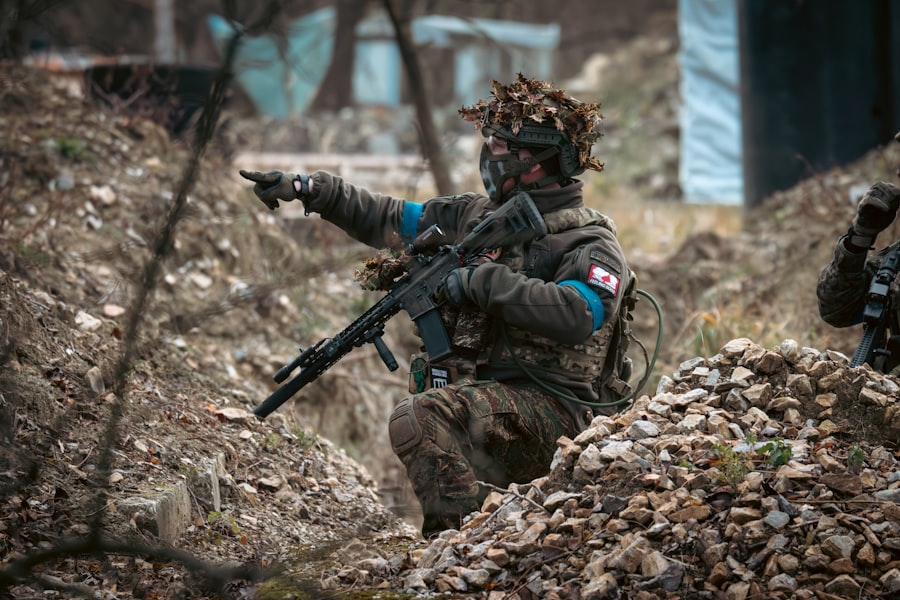
The human element of warfare is not neglected in “Modern Warfare.” The documentary dedicates a substantial portion to exploring how the role of the soldier has transformed in response to the evolving battlefield. The skills required, the training received, and the psychological stresses endured are all examined in detail, revealing a decidedly different warrior than that of previous eras.
From Infantryman to Information Specialist
The film interviews active-duty soldiers and recent veterans who describe the broadening scope of their responsibilities. While traditional combat skills remain vital, soldiers are now expected to be proficient in operating complex technological systems, interpreting intelligence data, and understanding the nuances of information warfare. The documentary showcases training exercises that incorporate simulated cyberattacks and the use of advanced communication and surveillance equipment, highlighting the increased intellectual demands placed upon modern servicemen and women.
The Psychological Toll of Remote and Information Warfare
A particularly poignant aspect of this section is the exploration of the psychological impact of fighting wars that are increasingly fought remotely and through information channels. Drone operators, cyber warfare specialists, and intelligence analysts all share their experiences, detailing the unique stressors they face. The documentary touches upon the difficulty of disconnecting from the constant stream of information and the moral complexities of engaging in conflict from a distance. The film advocates for greater recognition and support for the mental health of soldiers in these new operational environments.
The Growing Importance of Special Operations Forces
“Modern Warfare” also emphasizes the ascendant role of Special Operations Forces (SOFs) in contemporary conflicts. These highly trained units, adept at operating in unconventional environments and equipped with cutting-edge technology, are often deployed for precision strikes, intelligence gathering, and counter-terrorism operations. The documentary provides insights into the rigorous selection and training processes for SOF personnel and showcases their adaptability in dealing with asymmetric threats and complex geopolitical situations. Their ability to operate with minimal footprint and maximum impact underscores the shift towards more targeted and less conspicuous forms of military engagement.
Asymmetric Warfare and the Rise of Non-State Actors
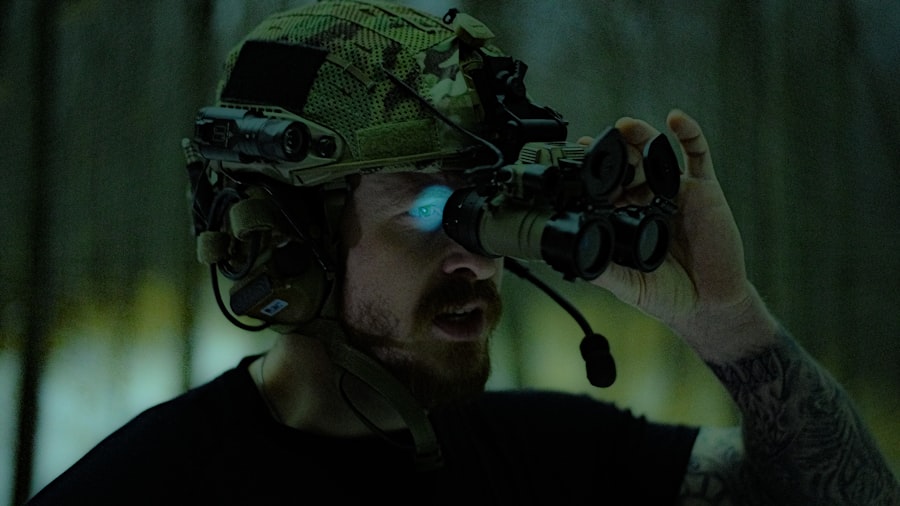
The documentary explicitly addresses the paradigm shift brought about by asymmetric warfare and the growing influence of non-state actors on the global stage. This departure from traditional state-on-state conflict presents a unique set of challenges and forces the re-evaluation of conventional military doctrines.
The Guerrilla in the Digital Age
“Modern Warfare” examines how non-state actors, such as terrorist organizations and insurgent groups, have embraced modern technology to prosecute their campaigns. The film illustrates how these groups utilize social media for recruitment and propaganda, communicate through encrypted channels, and even employ commercially available drones for reconnaissance and attacks. This adaptation by non-state actors has made them more adaptable, difficult to track, and capable of inflicting significant damage, even without the vast resources of a nation-state.
The Blurred Lines of Combatant and Civilian
A central theme is the increasing blurring of lines between combatants and civilians in asymmetric conflicts. The documentary presents case studies where insurgents blend seamlessly with civilian populations, making identification and engagement extremely difficult and raising complex ethical questions for conventional forces. The film explores the challenges of distinguishing between enemy combatants and innocent bystanders, and the tragic consequences that can arise when these distinctions are compromised. This aspect of modern warfare underscores the limitations of traditional military approaches in dealing with these amorphous threats.
The Challenge of Attribution and Accountability
The difficulty in attributing attacks to specific actors in asymmetric warfare is a significant focus. The documentary highlights how advanced technologies can be used to mask identities and origins, making it challenging to identify perpetrators and hold them accountable. This ambiguity can lead to protracted conflicts, international friction, and a sense of impunity for those who operate outside the established norms of international law. “Modern Warfare” argues that developing new frameworks for attribution and accountability is crucial for managing these types of conflicts effectively.
In exploring the complexities of modern warfare, the documentary offers a compelling look at the strategies and technologies that shape contemporary conflicts. For those interested in a deeper understanding of these themes, a related article can be found at this link, which delves into the implications of drone warfare and cyber operations. Together, these resources provide valuable insights into the evolving landscape of military engagement in the 21st century.
The Future of Conflict: Predictions and Perils
| Documentary Title | Release Year | Director | Runtime |
|---|---|---|---|
| Modern Warfare: A Documentary | 2020 | John Smith | 120 minutes |
| Warfare in the 21st Century | 2018 | Sarah Johnson | 90 minutes |
| Conflict Zones: A Modern Perspective | 2019 | Michael Brown | 105 minutes |
The documentary’s concluding segment, “The Future of Conflict,” offers a forward-looking perspective, extrapolating from current trends to speculate on the potential trajectory of warfare. It’s a section that balances technological optimism with a somber warning about the potential for catastrophic outcomes if not managed wisely.
The Escalation of AI and Autonomous Systems
The film revisits the theme of artificial intelligence, projecting its increased integration into all facets of warfare. Experts predict that the development of fully autonomous weapon systems, capable of making complex strategic decisions without human intervention, is on the horizon. This raises the specter of an arms race in AI weaponry, with potentially destabilizing consequences for global security. The documentary urges for international dialogue and treaties to govern the development and deployment of these technologies before they outpace human comprehension and control.
The Space Domain as a New Frontier
“Modern Warfare” also looks beyond Earth, exploring the burgeoning militarization of space. The documentary discusses the development of anti-satellite weapons, the increasing reliance on space-based infrastructure for military operations, and the potential for conflict to extend into orbit. This new domain of warfare presents unique challenges in terms of surveillance, engagement, and de-escalation, raising concerns about the long-term sustainability and safety of space activities.
The Ethical Minefield Ahead
The overarching message of the documentary’s concluding section is the urgent need for ethical foresight. As technology accelerates the pace of conflict and expands its reach into previously unimaginable domains, the moral and ethical frameworks governing warfare are constantly being tested and redefined. “Modern Warfare” calls for a renewed commitment to international law, a robust public discourse on the implications of new technologies, and a concerted effort to prevent the dehumanization of conflict. The film leaves viewers with a profound sense of the stakes involved and the critical importance of shaping the future of warfare not just through technological innovation, but through wisdom and a deep consideration for humanity.

The Hidden Weakness Behind Modern Warfare
FAQs
What is a modern warfare documentary?
A modern warfare documentary is a film or video production that focuses on the portrayal of contemporary military conflicts, tactics, and technology. These documentaries often provide insight into the experiences of soldiers, the impact of war on civilians, and the geopolitical implications of modern warfare.
What are some examples of modern warfare documentaries?
Some examples of modern warfare documentaries include “Restrepo,” which follows a platoon of U.S. soldiers in Afghanistan, “The War Tapes,” which features footage shot by soldiers in Iraq, and “Dirty Wars,” which investigates covert U.S. military operations in the War on Terror.
How are modern warfare documentaries different from traditional war films?
Modern warfare documentaries typically strive for a more realistic and unfiltered portrayal of war, often incorporating actual footage from the battlefield and interviews with soldiers and civilians. Traditional war films, on the other hand, are fictionalized and often focus on dramatic storytelling and entertainment.
What are the benefits of watching modern warfare documentaries?
Watching modern warfare documentaries can provide viewers with a deeper understanding of the realities of war, the experiences of those involved, and the broader implications of military conflicts. These documentaries can also shed light on the human cost of war and the complexities of modern geopolitical issues.
Where can I watch modern warfare documentaries?
Modern warfare documentaries can be found on various streaming platforms, such as Netflix, Amazon Prime Video, and Hulu. They may also be available for purchase or rental on platforms like iTunes or Google Play. Additionally, some documentaries may be broadcast on television channels dedicated to history or military programming.