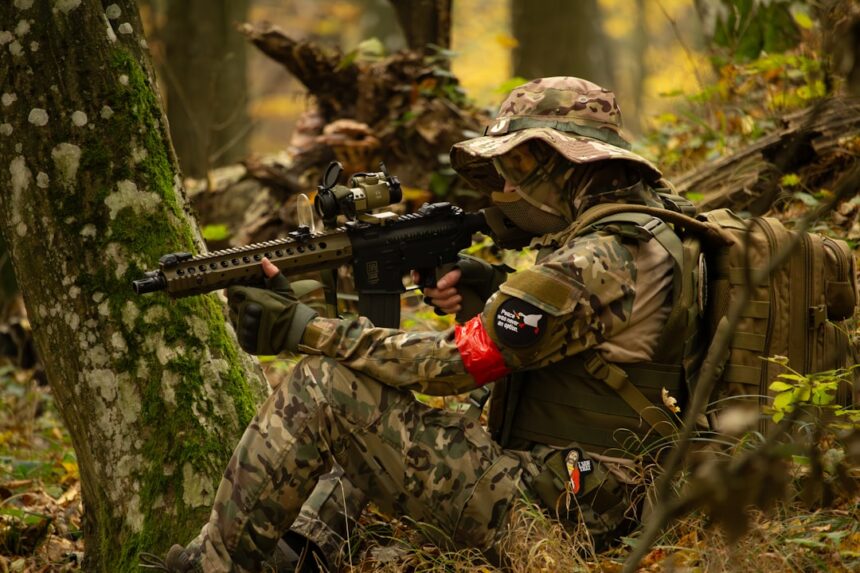
Enhancing military operational effectiveness is a perpetual endeavor, demanding constant adaptation and innovation in response to evolving global threats and technological advancements. The modern battlefield is a complex and dynamic ecosystem, requiring a holistic approach that integrates human proficiency, technological superiority, and strategic foresight. Achieving peak operational effectiveness is not simply about acquiring the latest weaponry; it involves cultivating a culture of continuous improvement, fostering interoperability, and ensuring that military forces are agile, resilient, and capable of achieving objectives across the full spectrum of conflict. This article will delve into the multifaceted strategies and considerations involved in elevating military operational effectiveness, exploring key areas that contribute to a more potent and decisive military posture.
Modernization of force structures and capabilities forms the bedrock upon which enhanced military operational effectiveness is built. This encompasses a re-evaluation of traditional organizational frameworks, the integration of advanced technologies, and the strategic investment in future-resilient platforms. The aim is to create forces that are not only equipped for current challenges but are also adaptable to the uncertainties of future conflicts.
A. Embracing Technological Advancement
The relentless pace of technological innovation presents both unparalleled opportunities and significant challenges for military establishments. To achieve enhanced operational effectiveness, military forces must actively embrace and integrate cutting-edge technologies. This involves not just acquiring new systems but also understanding their strategic implications and developing the doctrine and training to leverage them optimally.
1. Artificial Intelligence and Autonomy
The integration of Artificial Intelligence (AI) and autonomous systems is a paradigm shift in military operations. AI-powered systems can enhance decision-making, improve situational awareness, and automate tasks, thereby reducing cognitive load on human operators and increasing operational tempo. Autonomous vehicles, from drones to unmanned ground systems, can perform reconnaissance, logistics, and even combat operations in high-risk environments, minimizing human casualties. The development of AI-enabled cyber warfare capabilities also presents a new frontier for offensive and defensive operations, necessitating a robust understanding of this domain. However, the ethical considerations, potential for unintended consequences, and the need for robust human oversight remain critical areas of ongoing research and development.
2. Advanced Sensing and Intelligence, Surveillance, and Reconnaissance (ISR)
Ubiquitous and pervasive ISR capabilities are crucial for achieving information dominance. This includes the deployment of advanced sensor technologies, such as sophisticated radar systems, electro-optical/infrared (EO/IR) sensors, and electronic intelligence (ELINT) receivers, on a variety of platforms, from satellites to drones and even dismounted soldiers. The ability to collect, process, and disseminate vast amounts of data in near real-time is paramount. The development of persistent ISR capabilities, which can maintain continuous surveillance over vast areas, is also a key objective. Furthermore, the integration of multi-intelligence fusion, combining data from various sources to create a comprehensive operational picture, is essential for effective decision-making and targeting.
3. Next-Generation Weapon Systems
The development and deployment of next-generation weapon systems are vital for maintaining a qualitative edge. This includes advanced precision-guided munitions, hypersonic weapons, directed energy weapons, and cyber offensive tools. These systems offer enhanced range, accuracy, lethality, and speed, enabling forces to engage targets more effectively and with reduced collateral damage. The focus is increasingly on intelligent munitions that can adapt to changing battlefield conditions and engage moving or time-critical targets. Equally important is the development of robust defensive systems to counter these advanced threats, creating a dynamic cycle of innovation and counter-innovation.
4. Network-Centric Operations and Information Warfare
Effective military operations in the 21st century are increasingly reliant on robust, secure, and resilient communication networks. Network-centric operations enable seamless information sharing and coordination across all echelons of command, fostering a shared understanding of the battlefield and enhancing agility. This necessitates the development of secure and interoperable communication systems, robust command and control (C2) architectures, and effective battle management systems. Information warfare, encompassing electronic warfare, cyber warfare, and psychological operations, plays a critical role in shaping the information environment, influencing adversary perceptions, and disrupting enemy operations.
B. Reconfiguring Force Structures for Agility and Scalability
Traditional, rigid force structures are often ill-suited to the complexities of modern conflict, which can range from small-scale special operations to large-scale conventional engagements. Reconfiguring force structures for agility and scalability allows military organizations to adapt rapidly to changing operational requirements.
1. Modular and Expeditionary Formations
The adoption of modular and expeditionary force structures enhances flexibility. Modular units can be reconfigured with different capabilities and personnel to suit specific mission requirements, allowing for rapid deployment and redeployment. Expeditionary forces are designed for rapid deployment to distant theaters of operation, equipped with the necessary logistical and combat support to sustain operations independently for extended periods. This approach emphasizes rapid power projection and the ability to respond quickly to emerging crises.
2. Special Operations Forces (SOF) Integration
Special Operations Forces are increasingly being integrated into broader military operations, providing specialized capabilities for reconnaissance, direct action, counter-terrorism, and unconventional warfare. Their integration requires clear command and control structures, seamless interoperability with conventional forces, and robust logistical support. The ability of SOF to operate in denied or politically sensitive environments, gather critical intelligence, and conduct targeted strikes can significantly enhance overall operational effectiveness.
3. Joint and Combined Operations Proficiency
Modern conflicts rarely occur in isolation. Therefore, achieving enhanced operational effectiveness necessitates a high degree of proficiency in joint (inter-service) and combined (inter-nation) operations. This requires robust standardization of procedures, effective joint and combined training exercises, and interoperable command, control, communications, computers, intelligence, surveillance, and reconnaissance (C4ISR) systems. The ability to seamlessly integrate the capabilities of different military branches and allied nations multiplies combat power and enhances strategic reach.
In exploring the factors that contribute to military operational effectiveness, one can gain valuable insights from the article titled “Enhancing Military Operational Effectiveness: Strategies and Insights.” This article delves into various strategies that can be employed to improve the efficiency and effectiveness of military operations, including the integration of advanced technologies and the importance of training and leadership. For more information, you can read the full article here: Enhancing Military Operational Effectiveness: Strategies and Insights.
II. Cultivating Human Proficiency and Resilience
While technology plays a pivotal role, the human element remains indispensable to military operational effectiveness. Investing in the physical, mental, and professional development of personnel is paramount to ensuring that forces can operate effectively under stress, adapt to new technologies, and maintain morale.
A. Advanced Training and Education
The complexity of modern warfare demands sophisticated and continuous training and education programs. This goes beyond basic combat skills to encompass strategic thinking, cultural awareness, and technological literacy.
1. Realistic and Adaptive Training Environments
Training must evolve to reflect the realities of the contemporary battlefield. This includes the use of advanced simulators, virtual reality (VR) and augmented reality (AR) technologies, and realistic scenario-based exercises that replicate complex operational environments. Adaptive training programs can tailor instruction to individual learning paces and identify areas requiring further development, ensuring that personnel are equipped with the most relevant skills. Joint and combined exercises are also critical for building cohesion and interoperability.
2. Cognitive and Decision-Making Skills Development
Effective operations often hinge on the ability of individuals and teams to make sound decisions under pressure and with incomplete information. Training programs must focus on developing critical thinking, problem-solving, and ethical reasoning skills. This includes exercises designed to improve situational awareness, risk assessment, and the ability to adapt plans in response to unforeseen circumstances. The development of “system thinking” allows personnel to understand how their actions impact the broader operational environment.
3. Cross-Cultural Competence and Language Proficiency
In an increasingly interconnected world, military forces often operate in diverse cultural contexts. Developing cross-cultural competence, understanding local customs and traditions, and fostering effective communication with local populations and allied forces are essential for mission success and for minimizing friction. Investment in language training opens doors to better intelligence gathering, diplomacy, and operational effectiveness in multinational environments.
B. Enhancing Personnel Welfare and Resilience
The psychological and physical well-being of military personnel is directly correlated with their operational effectiveness. Addressing issues such as stress, morale, and mental health is crucial.
1. Psychological Resilience and Mental Health Support
The stresses of modern warfare, including prolonged deployments, exposure to trauma, and the constant threat environment, can take a significant toll on mental health. Proactive measures to build psychological resilience, including stress management techniques, mindfulness training, and accessible mental health support services, are vital. Early detection and intervention for mental health issues can prevent severe consequences and ensure that individuals can return to full operational readiness.
2. Physical Fitness and Health Maintenance
A high standard of physical fitness is fundamental for any military operation. Comprehensive programs that promote optimal physical health, injury prevention, and rehabilitation are essential. This includes personalized fitness plans, nutritional guidance, and access to advanced medical care and physiotherapy. Soldiers who are physically fit are better able to perform their duties, endure demanding conditions, and recover more quickly from injuries.
3. Leadership Development and Ethical Conduct
Effective leadership is the lynchpin of any successful military operation. Developing leaders at all levels who are not only operationally proficient but also possess strong ethical compasses is crucial for maintaining discipline, fostering trust, and inspiring personnel. Training programs should focus on developing an understanding of ethical frameworks, the consequences of poor decision-making, and the importance of leading by example.
III. Optimizing Logistics and Sustainment
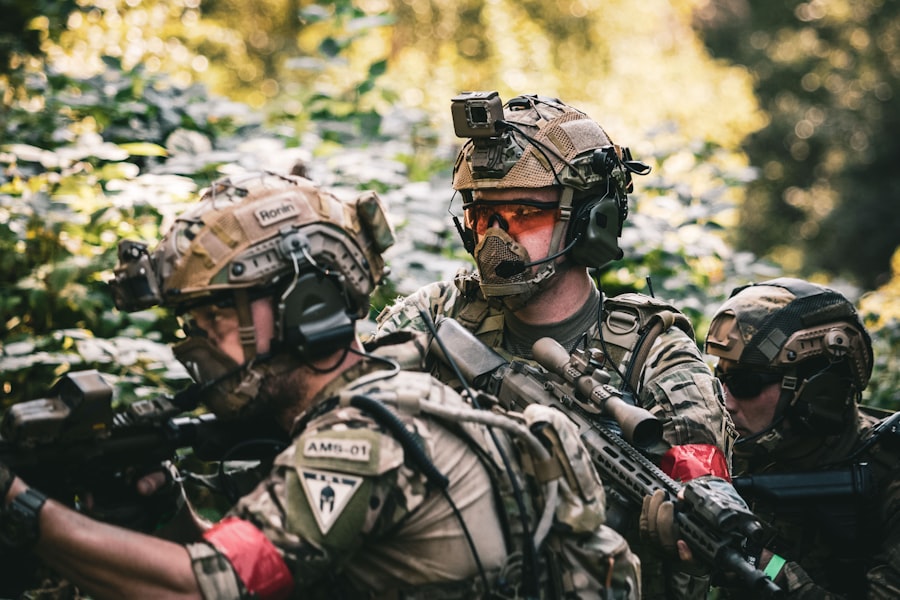
Effective military operations are critically dependent on robust and resilient logistical and sustainment capabilities. The ability to provision troops with adequate supplies, equipment, and maintenance in any operational environment is a force multiplier.
A. Modernizing the Supply Chain
The traditional military supply chain is often characterized by its complexity and vulnerability. Modernization aims to create a more agile, responsive, and survivable system.
1. Predictive Logistics and Demand Forecasting
Leveraging data analytics and AI, predictive logistics aims to anticipate logistical needs before they become critical. By analyzing historical data, operational tempo, and environmental factors, it’s possible to forecast demand for supplies and spare parts, thereby reducing stockouts and optimizing inventory management. This proactive approach ensures that resources are available where and when they are needed.
2. Agile and Resilient Transportation Networks
Ensuring the timely and secure delivery of supplies is paramount. This requires developing agile and resilient transportation networks that can operate across diverse terrains and under adversarial conditions. This includes incorporating multimodal transport solutions, utilizing advanced tracking technologies, and developing contingency plans for disruptions caused by enemy action or natural disasters. The use of unmanned aerial vehicles (UAVs) for last-mile delivery in contested zones is also a growing area of interest.
3. Deployed Maintenance and Repair Capabilities
Minimizing downtime for equipment is crucial for maintaining operational readiness. This involves establishing robust deployed maintenance and repair capabilities, enabling on-site repairs and servicing of vehicles, aircraft, and other essential equipment. Empowering forward-deployed units with the resources and expertise to perform essential maintenance reduces reliance on distant repair facilities and improves the operational availability of critical assets.
B. Ensuring Information Dominance in Logistics
Information flow is as critical as physical flow in the logistical chain. Ensuring seamless and accurate information regarding the status of supplies, equipment, and demand is essential for effective management.
1. Digital Supply Chain Management Systems
Implementing digital supply chain management systems provides real-time visibility into inventory levels, asset tracking, and demand patterns. These systems integrate data from various nodes in the supply chain, offering a comprehensive overview of logistical operations and enabling faster and more informed decision-making. This transparency is vital for identifying bottlenecks and optimizing resource allocation.
2. Cybersecurity for Logistics Networks
The critical nature of logistical networks makes them prime targets for cyberattacks. Robust cybersecurity measures are essential to protect sensitive data, prevent disruption of supply lines, and ensure the integrity of logistical operations. This includes secure communication protocols, access controls, and continuous monitoring for cyber threats.
3. Integration of Private Sector Innovations
The military can significantly benefit from innovations in commercial logistics, such as advanced tracking technologies, autonomous delivery systems, and efficient inventory management practices. Integrating these private sector solutions can lead to more cost-effective and agile logistical operations, provided they meet stringent military requirements for security and reliability.
IV. Enhancing Information and Cyber Warfare Capabilities
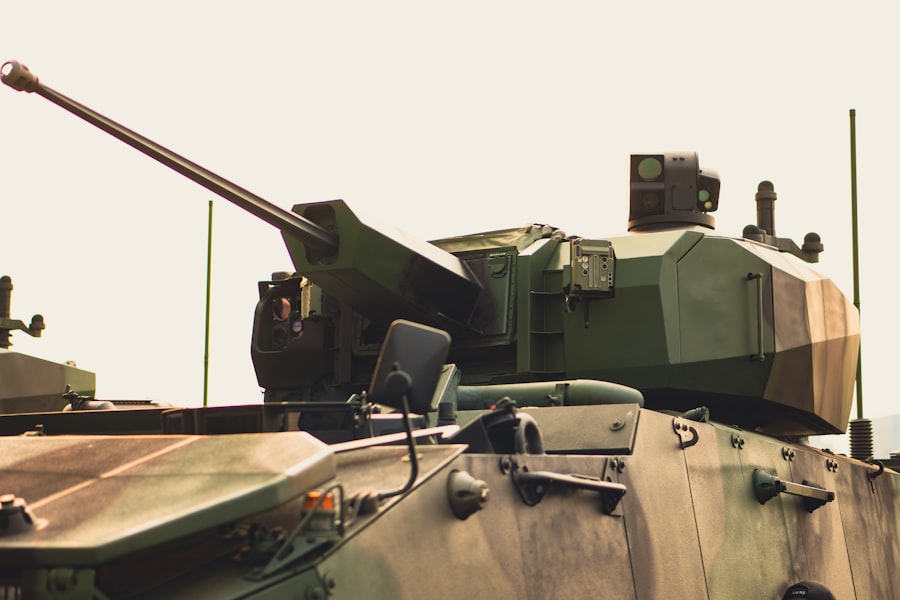
In the modern era, conflict is increasingly fought in the information domain. The ability to exploit, protect, and manipulate information is as critical as kinetic power.
A. Strengthening Cyber Defense and Resilience
The increasing reliance on digital systems makes military networks vulnerable to cyber threats. Robust cyber defenses are essential to maintain operational continuity.
1. Proactive Threat Detection and Prevention
Rather than solely reacting to attacks, military organizations must adopt a proactive stance in cyber defense. This involves implementing advanced threat detection systems, employing artificial intelligence for anomaly detection, and continuously updating security protocols. Understanding potential attack vectors and adversary tactics, techniques, and procedures (TTPs) is crucial for effective prevention.
2. Network Segmentation and Data Protection
Implementing robust network segmentation limits the spread of any potential breach, ensuring that critical systems remain isolated. Data encryption at rest and in transit is paramount, along with strict access controls and multi-factor authentication. Regular security audits and penetration testing help identify vulnerabilities before they can be exploited.
3. Rapid Response and Recovery Mechanisms
Even with the best defenses, cyber incidents can occur. Military organizations must have well-rehearsed rapid response plans in place to mitigate the impact of an attack and restore operations as quickly as possible. This includes established procedures for incident analysis, containment, eradication, and recovery.
B. Developing Offensive Cyber Operations
Offensive cyber capabilities are becoming an integral part of modern military strategy, offering non-kinetic options to disrupt adversary operations and achieve strategic objectives.
1. Advanced Cyber Tools and Techniques
The development of sophisticated cyber tools and techniques allows military forces to identify vulnerabilities in adversary networks, conduct targeted intrusions, and disrupt critical infrastructure. This requires a highly skilled workforce trained in the latest offensive cyber tactics.
2. Information Operations and Psychological Warfare
Cyber capabilities are increasingly interwoven with information operations and psychological warfare. The ability to disseminate targeted disinformation, sow confusion, and influence adversary perceptions can be a powerful tool in achieving strategic goals. This requires a deep understanding of adversary populations and the dynamics of the information environment.
3. Ethical and Legal Frameworks for Cyber Operations
The use of offensive cyber capabilities raises significant ethical and legal questions. Establishing clear legal frameworks, robust oversight mechanisms, and adhering to international norms of conduct are essential to ensure responsible and proportionate use of these powerful tools.
In exploring the complexities of military operational effectiveness, one can gain valuable insights from a related article that discusses the integration of technology in modern warfare. This piece highlights how advancements in communication systems and data analytics are reshaping strategies on the battlefield. For a deeper understanding of these evolving dynamics, you can read more in the article available at In the War Room. The intersection of technology and military tactics is crucial for enhancing overall mission success and adaptability in various combat scenarios.
V. Fostering Adaptability and Continuous Learning
| Category | Metric | Measurement |
|---|---|---|
| Personnel | Training hours | Number of hours per year |
| Equipment | Maintenance downtime | Percentage of time equipment is out of service |
| Logistics | Supply chain efficiency | Percentage of on-time deliveries |
| Command and Control | Response time | Minutes from receiving orders to deployment |
| Morale | Retention rate | Percentage of personnel staying in service |
The strategic landscape is in constant flux, characterized by rapid technological change, evolving geopolitical dynamics, and the emergence of novel threats. Military organizations must therefore foster a culture of adaptability and continuous learning to remain effective.
A. Embracing Agility and Experimentation
Traditional approaches to military planning and procurement can be slow and bureaucratic. Embracing agility and a willingness to experiment with new approaches is essential.
1. Rapid Prototyping and Acquisition
The ability to rapidly prototype and acquire new technologies and capabilities allows military forces to stay ahead of the curve. This involves streamlining procurement processes, fostering collaboration with industry, and embracing a “fail fast, learn faster” mentality in the development of new systems.
2. Scenario-Based Planning and Wargaming
Regularly engaging in scenario-based planning and sophisticated wargaming allows military leaders to explore a wide range of potential futures and identify strategic vulnerabilities. This iterative process helps to refine strategies, identify training needs, and develop effective responses to emerging threats.
3. Encouraging Innovation from the Ground Up
Empowering lower-level personnel to identify problems and propose innovative solutions can be a powerful driver of improvement. Creating mechanisms for capturing and implementing innovative ideas from all levels of the organization fosters a dynamic and responsive military culture.
B. Cultivating a Learning Organization
A truly effective military is one that constantly learns from its experiences and adapts its practices accordingly. This requires a systematic approach to knowledge management and continuous improvement.
1. Post-Operation Analysis and Lessons Learned
Thorough analysis of operations, both successes and failures, is crucial for extracting valuable lessons. Establishing robust processes for documenting and disseminating these lessons learned ensures that knowledge gained in one operation is applied to future endeavors.
2. Knowledge Management and Information Sharing Platforms
Centralized knowledge management systems and effective information-sharing platforms allow for the easy accessibility and dissemination of critical data, best practices, and lessons learned across the entire organization. This fosters a shared understanding and accelerates the adoption of new knowledge.
3. Professional Military Education and Development
Continuous professional military education and development programs are vital for keeping personnel abreast of the latest threats, technologies, and strategic thinking. These programs should not only impart technical knowledge but also foster critical thinking, leadership skills, and a commitment to lifelong learning.
In conclusion, enhancing military operational effectiveness is a multifaceted and ongoing pursuit. It requires a strategic commitment to modernizing force structures and capabilities, a deep investment in cultivating human proficiency and resilience, the optimization of robust logistical and sustainment networks, the development of sophisticated information and cyber warfare capabilities, and ultimately, a pervasive culture of adaptability and continuous learning. By addressing these critical areas holistically, military organizations can ensure they remain prepared to meet the challenges of an ever-changing global security environment and effectively achieve their objectives.

Why Armies Fear 4:30 AM
FAQs
What is military operational effectiveness?
Military operational effectiveness refers to the ability of a military force to achieve its objectives in a given operational environment. It encompasses a range of factors including leadership, training, equipment, logistics, and strategic planning.
What factors contribute to military operational effectiveness?
Factors that contribute to military operational effectiveness include the quality of leadership, the training and morale of the troops, the effectiveness of equipment and technology, the availability of logistical support, and the soundness of strategic planning and decision-making.
How is military operational effectiveness measured?
Military operational effectiveness is measured through a variety of means, including assessments of mission success, casualty rates, readiness levels, and the ability to adapt to changing circumstances. It can also be evaluated through exercises and simulations that test the military’s capabilities.
Why is military operational effectiveness important?
Military operational effectiveness is important because it directly impacts a military force’s ability to achieve its objectives and protect national security. It also influences the outcome of conflicts and the safety of military personnel.
What are some examples of military operational effectiveness in action?
Examples of military operational effectiveness in action include successful military operations, such as the D-Day invasion during World War II, as well as peacekeeping missions and humanitarian assistance efforts. It can also be seen in the ability of a military force to respond to natural disasters or other emergencies.