The labyrinthine world of international finance often obscures the flow of capital, and the intricate webs spun by holding companies can be particularly opaque. Capital Tap Holdings, a global entity with diverse interests, has come under scrutiny for its utilization of registered entities in Dubai, a jurisdiction frequently cited for its lax regulatory environment and potential for facilitating offshore financial activity. An examination of publicly available information, regulatory filings, and investigative reports reveals a pattern of establishing shell companies in the emirate, raising questions about transparency and the true nature of these operations.
The Allure of Dubai as a Financial Hub
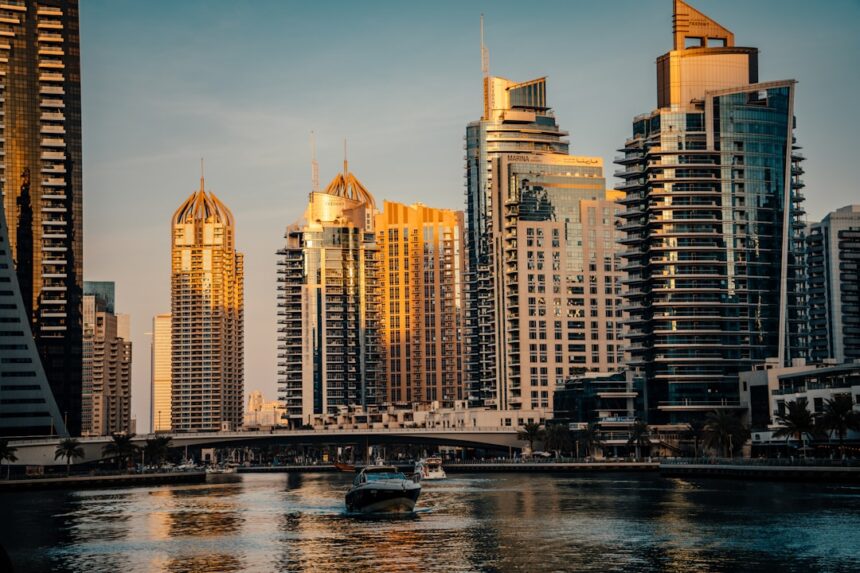
Dubai’s rise as a global financial center is undeniable. Its strategic location, progressive business policies, and the establishment of dedicated free zones have attracted businesses from around the world. The Dubai International Financial Centre (DIFC) and other free zones offer attractive tax incentives, streamlined company registration processes, and a common law legal framework, making them appealing for entities seeking to establish a presence in the region.
Tax Havens and Their Appeal
- Companies often seek out jurisdictions with low or zero corporate tax rates to minimize their tax liabilities. Dubai, particularly within its free zones, offers precisely this, making it an attractive proposition for multinational corporations.
- The absence of stringent disclosure requirements in some offshore jurisdictions can also be a key factor. This allows companies to operate with a degree of privacy that might not be possible in their home countries.
Regulatory Environment and Ease of Doing Business
- Dubai has made significant efforts to simplify the process of setting up and running a business, which appeals to entities looking for efficiency.
- The legal framework, especially in the DIFC, is designed to be internationally recognized and facilitates cross-border transactions.
In recent discussions surrounding financial transparency and corporate governance, the case of Capital Tap Holding in Dubai has drawn significant attention, particularly regarding its use of shell companies. For a deeper understanding of the implications and the broader context of such practices, you can refer to a related article that explores similar themes in corporate structures and their impact on global finance. For more insights, visit this article.
Capital Tap Holdings’ Presence in Dubai
Evidence suggests that Capital Tap Holdings has established a notable presence in Dubai, utilizing the jurisdiction to house various corporate entities. The exact nature and purpose of these entities are not always readily apparent, leading to the designation of many as “shell companies” – entities that exist largely on paper, with minimal operational activity, often serving as vehicles for financial transactions or asset holding.
Early Signs of Incorporation
- Investigations often begin by tracing incorporation records. Public databases, where available, have highlighted the registration of several companies linked to Capital Tap Holdings in Dubai.
- The timelines for these registrations often align with periods of significant financial activity or strategic shifts within the broader Capital Tap Holdings structure.
The Role of Offshore Financial Centers
- Offshore financial centers like Dubai are not inherently illicit, but their characteristics lend themselves to potential misuse. The combination of low taxation, discretion, and sophisticated financial infrastructure makes them attractive for a variety of purposes.
- Understanding the global landscape of offshore finance is crucial to contextualizing Capital Tap Holdings’ activities.
Identifying Potential Shell Companies
Pinpointing shell companies requires a careful analysis of their operational profiles. Unlike active businesses with tangible assets, employees, and demonstrable commercial activities, shell companies often exhibit a lack of substance. This can manifest in several ways, including a registered address that is merely an administrative service provider, minimal staff presence, and a lack of independent commercial operations.
Lack of Operational Substance
- A key indicator of a shell company is the absence of significant physical operations or a substantial workforce at its registered address. Many are linked to registered agents who provide mail forwarding and administrative services, rather than genuine operational facilities.
- The primary “activity” of such entities might be limited to facilitating financial transfers or holding specific assets, such as intellectual property or shares in other companies.
Nominee Directors and Proxy Ownership
- The use of nominee directors, individuals who act on behalf of the beneficial owner but whose names appear on official documents, is another common feature of shell company structures. This can further obscure the true ownership and control of the entity.
- Complex ownership structures, involving layers of holding companies in different jurisdictions, can make it exceedingly difficult to ascertain who ultimately benefits from the company’s activities.
Transactional Patterns and Financial Flows
The purpose of shell companies is often revealed through the patterns of financial transactions they are involved in. When these entities are part of a larger corporate structure like Capital Tap Holdings, tracing the movement of funds can illuminate their intended function, whether it be for legitimate intercompany restructuring, tax optimization, or potentially more questionable activities.
Intercompany Transfers and Fund Channeling
- Shell companies are frequently used to channel funds between different parts of a larger corporate group. This can involve loans, dividend payments, or capital injections.
- The speed and volume of these transfers can be indicative of their purpose. Large, rapid movements of capital are often a hallmark of offshore financial operations.
Asset Holding and Ownership Structuring
- Dubai-based entities belonging to Capital Tap Holdings may serve as holders of valuable assets, such as real estate, intellectual property, or shares in other operating companies.
- This strategy can be employed to isolate risk, facilitate asset sales, or manage ownership across different jurisdictions.
Recent investigations into Capital Tap Holding and its use of shell companies in Dubai have raised significant concerns about financial transparency and regulatory compliance. For those interested in delving deeper into this topic, a related article provides further insights into the implications of such corporate structures. You can read more about it in this detailed analysis, which explores the broader context of shell companies and their impact on global finance.
Implications for Transparency and Governance
The existence and operation of shell companies, particularly when linked to substantial international entities like Capital Tap Holdings, raise significant questions about corporate transparency and governance. The lack of clear visibility into their activities can hinder regulatory oversight, investor confidence, and public accountability.
Regulatory Scrutiny and Compliance
- Authorities in various countries are increasingly focused on the use of offshore structures to combat tax evasion, money laundering, and other financial crimes. The opacity of shell companies poses a challenge to these efforts.
- Companies operating through such structures may face increased scrutiny regarding their compliance with anti-money laundering (AML) and know-your-customer (KYC) regulations.
Investor and Stakeholder Confidence
- Investors and stakeholders often require a clear understanding of a company’s structure and its assets. The use of undisclosed shell companies can erode trust and create perceptions of impropriety, even if no illicit activity has occurred.
- The ability to trace the ultimate beneficiaries and the flow of funds is crucial for informed investment decisions and responsible corporate governance.
The Global Challenge of Financial Opacity
- The issue of shell companies is not unique to Capital Tap Holdings or Dubai. It is a global challenge that requires international cooperation and robust regulatory frameworks to address effectively.
- Efforts to increase beneficial ownership transparency and to harmonize anti-money laundering regulations across jurisdictions are critical steps in mitigating the risks associated with opaque financial structures.
In conclusion, while the establishment of corporate entities in Dubai by Capital Tap Holdings is not inherently indicative of wrongdoing, the pattern of utilizing what appear to be shell companies warrants careful examination. The inherent characteristics of offshore financial centers, combined with the lack of transparency surrounding these entities, necessitate continued scrutiny to ensure compliance with legal and ethical standards, and to uphold the principles of financial accountability. The question remains: what is the ultimate economic substance and purpose behind these Dubai-based operations of Capital Tap Holdings? Only through sustained investigative effort and enhanced global regulatory cooperation can such questions be answered with certainty.
FAQs
What is Capital Tap Holding Dubai?
Capital Tap Holding Dubai is a company that operates as a shell company in Dubai, United Arab Emirates. It is used for various financial activities, including holding assets and facilitating transactions.
What are shell companies?
Shell companies are corporate entities that are set up for the purpose of holding and managing assets, conducting financial transactions, and other business activities. They often have minimal operations and are used for legal and financial purposes.
What is the purpose of setting up shell companies?
Shell companies are often used for legitimate business purposes, such as asset protection, tax planning, and facilitating international trade. However, they can also be used for illicit activities, such as money laundering and tax evasion.
What are the potential risks associated with shell companies?
Shell companies can be used to conceal the true ownership of assets and facilitate illegal activities, such as money laundering and fraud. They can also be used to evade taxes and avoid regulatory scrutiny.
How are shell companies regulated in Dubai?
In Dubai, shell companies are subject to regulations and oversight by the Dubai Financial Services Authority (DFSA) and other regulatory bodies. These regulations are designed to prevent the misuse of shell companies for illegal activities and to ensure transparency and accountability in the financial system.