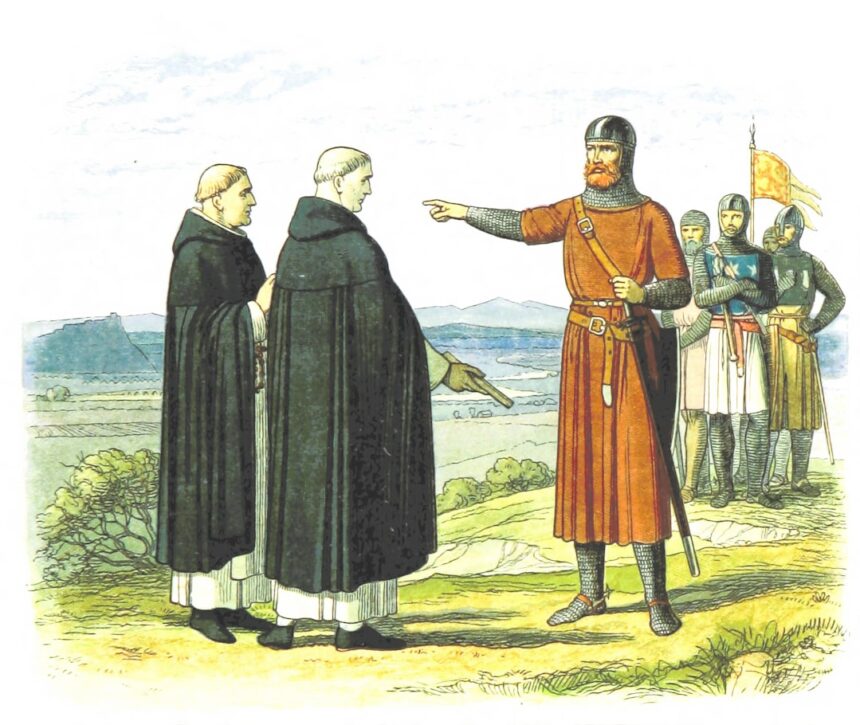
The Anglo-Portuguese Alliance: A Historical Overview
The enduring relationship between England and Portugal, often referred to as the Anglo-Portuguese Alliance, stands as one of the longest-standing diplomatic pacts in recorded history. Its origins can be traced back to the medieval period, and its influence has spanned centuries, shaping the political, economic, and military landscapes of both nations and impacting global events. This alliance, forged through a complex interplay of strategic necessity, dynastic ambitions, and mutual economic interests, has experienced periods of profound strength and occasional strain, yet has remarkably persisted through shifting geopolitical tides. Understanding this protracted partnership requires examining its genesis, its evolution through key historical epochs, and the underlying factors that have sustained it for so long.
The formal establishment of the Anglo-Portuguese Alliance is widely attributed to the Treaty of Windsor, signed in 1386. However, the roots of this relationship extend further back, influenced by earlier diplomatic exchanges and shared regional dynamics. The decline of unified Anglo-Saxon rule in England and the consolidation of the Kingdom of Portugal in the 12th century, following the Reconquista, laid the groundwork for future interactions.
The Iberian Context and Early English Involvement
Portugal’s emergence as an independent kingdom was a significant event in the Iberian Peninsula. Its struggle for recognition and security often placed it in opposition to larger, more dominant powers. England, during this period, was navigating its own complex relationships with continental European powers, particularly France, and was often seeking strategic leverage and alliances to counter its rivals.
The Iberian Reconquista and Portuguese Independence
The lengthy process of the Reconquista, the Christian reconquest of the Iberian Peninsula from Muslim rule, was a defining feature of medieval Iberian history. Portugal’s establishment as a distinct political entity within this context was crucial. Its early rulers actively sought to solidify their borders and establish their sovereignty, which necessitated a degree of external diplomatic engagement.
Early English Diplomatic Missions and Trade Relations
While not yet formalized into a comprehensive alliance, early English diplomatic overtures and burgeoning trade relations with Portugal began to sow the seeds of future cooperation. English merchants found opportunities in Portuguese ports, and this economic interaction fostered a degree of familiarity and mutual interest between the two kingdoms.
The Crisis of 1383-1385 and the Treaty of Windsor
The pivotal moment leading to the formalization of the alliance was the succession crisis in Portugal following the death of King Fernando I in 1383. This crisis threatened to absorb Portugal into the Kingdom of Castile, a long-standing Iberian rival with whom England also had a complex and often adversarial relationship.
The Portuguese Succession War and Castilian Ambitions
King Fernando’s death without a legitimate male heir plunged Portugal into turmoil. His daughter, Beatrice, was married to King John I of Castile, and a significant faction within Portugal supported the Castilian claim to the Portuguese throne. This prospect was deeply concerning for England, as it would significantly alter the balance of power in the Iberian Peninsula and potentially strengthen France, Castile’s ally.
John of Gaunt and English Intervention
John of Gaunt, Duke of Lancaster and son of King Edward III of England, claimed the Castilian throne through his own marriage. While his personal claim was complex, his intervention in the Portuguese crisis was multifaceted. He saw an opportunity to advance his own interests and, perhaps more importantly, to prevent the unification of Portugal and Castile under Castilian rule, which would have been detrimental to English strategic interests.
The Treaty of Windsor: A Military and Dynastic Pact
The Treaty of Windsor, signed on May 9, 1386, formalized the Anglo-Portuguese alliance. It was a mutual defense pact, pledging military support in the event of an attack by Castile. Crucially, it also cemented a dynastic union through the marriage of John of Gaunt’s daughter, Philippa of Lancaster, to João I of Portugal, the Master of the Order of Aviz, who had emerged as the leading claimant to the Portuguese throne and the figurehead of Portuguese independence. This marriage ensured a lasting connection between the ruling houses of both nations. This treaty was not merely a document of convenience; it was an acknowledgment of shared strategic interests and a commitment to mutual security in a volatile European landscape.
The Anglo-Portuguese Alliance, one of the oldest military alliances in the world, has played a significant role in shaping the diplomatic landscape of Europe and beyond. For those interested in exploring the historical context and implications of this enduring partnership, a related article can be found at this link. This resource delves into the origins of the alliance, its impact on colonial expansion, and its relevance in contemporary international relations.
The Age of Exploration and the Golden Era of the Alliance
The centuries following the Treaty of Windsor witnessed a remarkable expansion of both Portuguese and English maritime power. The Anglo-Portuguese Alliance proved to be a significant factor in facilitating and protecting these endeavors, particularly during the Portuguese Age of Discovery.
Portugal’s Maritime Dominance and English Support
Portugal, driven by a desire for new trade routes to the East and advancements in navigation, spearheaded global exploration and the establishment of a vast overseas empire. This ambitious undertaking was not without its challenges, and the alliance with England provided crucial maritime and diplomatic backing.
The Voyages of Discovery and Early Trade Networks
Portuguese navigators like Vasco da Gama and Ferdinand Magellan (though sailing for Spain on his famous circumnavigation) opened up new sea routes, establishing trading posts and colonies across Africa, Asia, and the Americas. England, while developing its own nascent maritime capabilities, benefited indirectly from the routes pioneered by Portugal and from the stability the alliance provided in crucial maritime regions.
Naval Cooperation and Protection of Trade Routes
The alliance facilitated a degree of naval cooperation, particularly in regions where both nations had burgeoning interests. This cooperation was vital for protecting their respective merchant fleets from piracy and the interference of rival European powers. The shared commitment to maritime security bolstered both nations’ economic ambitions.
England’s Rise as a Naval Power and the Alliance’s Continued Relevance
As England itself began its ascent as a prominent naval power, the alliance continued to hold significant strategic value. The shared understanding and mutual support fostered by the treaty allowed both nations to navigate the increasingly complex international arena.
The Elizabethan Era and Spanish Rivalry
During the Elizabethan era, England’s rivalry with Spain intensified, leading to events like the Spanish Armada. Portugal, under Spanish rule for a period in the late 16th century, found itself caught between these powers. However, even during this challenging period, the historical ties and the underlying strategic rationale for the alliance remained, influencing subsequent diplomatic maneuvers.
The Shared Threat of Habsburg Ambitions
The expansionist ambitions of the Habsburg dynasty, which at times encompassed both Spain and the Holy Roman Empire, presented a common threat to both Portugal and England. The alliance served as a bulwark against this perceived hegemonic power, reinforcing the strategic necessity of their partnership.
The Alliance in the Colonial Era and the Napoleonic Wars
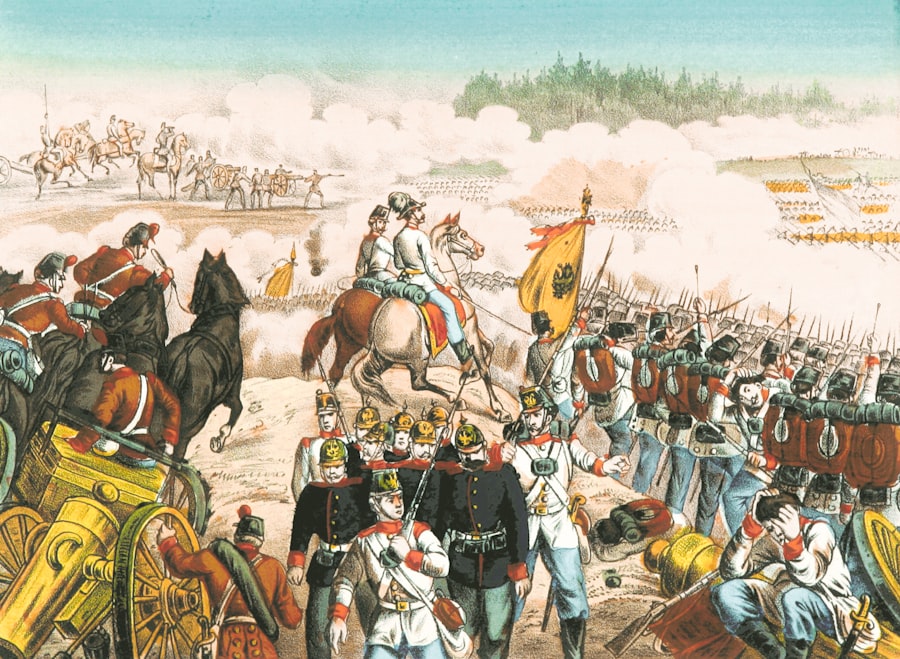
The alliance’s significance continued to evolve as European powers carved up the globe into colonial empires. The strains and pressures of this era tested the alliance, but its fundamental strategic importance, particularly in relation to Iberian security and colonial rivalries, kept it resilient. The Napoleonic Wars proved to be a critical juncture, demonstrating the alliance’s enduring value in the face of existential threats.
Portugal’s Colonial Empire and Anglo-Portuguese Relations
Portugal’s vast colonial holdings in Brazil, Africa, and Asia created complex diplomatic and economic relationships with England. While often characterized by a degree of paternalism from the British side, the alliance generally ensured that Portugal’s colonial interests were not unduly threatened by other European powers, particularly France and the Netherlands.
The Brazilian Connection and Economic Interdependence
The economic ties with Brazil, Portugal’s most lucrative colony, were of particular importance. England played a significant role in facilitating trade with Brazil, often positioning itself as a favored trading partner and investor, further intertwining the economic destinies of both nations. This economic interdependence often served as a powerful undercurrent in the diplomatic relationship.
Competition and Cooperation in Colonial Ventures
While broadly cooperative, there were instances of competition and disagreement over colonial territories. However, the overarching framework of the alliance usually served to resolve these disputes through negotiation rather than open conflict.
The Napoleonic Wars and English Intervention
The Napoleonic Wars presented the most significant existential threat to Portugal since the Castilian crisis of the late Middle Ages. Napoleon’s Continental System, aimed at isolating Great Britain economically, led to French and Spanish invasions of Portugal in 1807.
The French Invasion and the Royal Family’s Flight to Brazil
Faced with overwhelming odds and the threat of French occupation, the Portuguese royal family, with the crucial support and encouragement of the British government, embarked on a daring expedition to Brazil. This dramatic relocation of the Portuguese court essentially preserved Portuguese sovereignty and served as a strategic boon for Britain, preventing Portugal from falling fully under Napoleonic control.
Wellington’s Peninsular Campaign and the Defense of Portugal
The British military intervention in Portugal, led by Arthur Wellesley, later the Duke of Wellington, was a pivotal element of the Peninsular War. British troops, fighting alongside Portuguese forces, defended Portugal from repeated French invasions, transforming the country into a crucial base for operations against Napoleon on the Iberian Peninsula. This military campaign underscored the deep mutual reliance and shared strategic objectives of the alliance during a period of intense conflict. The sacrifices made by both nations during this period solidified the historical narrative of their unbreakable bond.
The 19th and 20th Centuries: Shifting Global Dynamics and Enduring Ties
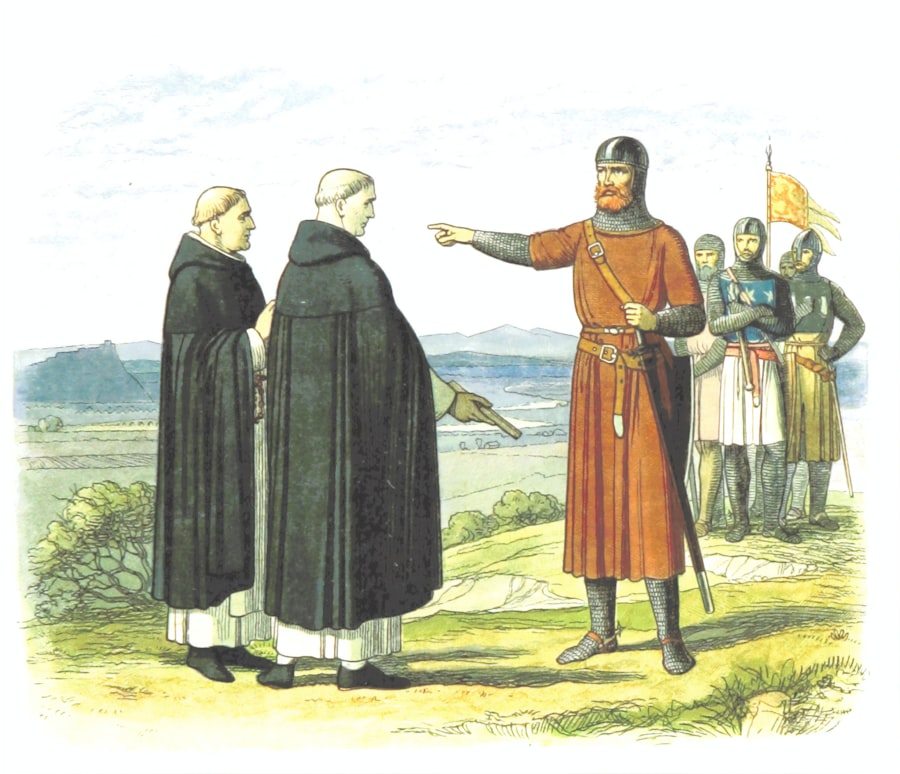
The 19th and 20th centuries brought about profound changes in the global order, including the rise of new superpowers, the decline of colonial empires, and the outbreak of two world wars. Throughout these transformative periods, the Anglo-Portuguese Alliance adapted and endured, albeit with evolving contours and renewed strategic imperatives.
The Victorian Era and the Boer War
During the Victorian era, Britain’s global dominance meant that its relationship with Portugal was often characterized by a degree of British preponderance. Nevertheless, the alliance remained a constant. A notable test of the alliance occurred during the Second Boer War (1899-1902). Portugal’s strategic position on the southern tip of Africa, bordering British-controlled territories, made its neutrality or alignment a matter of concern.
Portugal’s Colonial Enclaves and British Interests
Portugal’s African colonies, particularly Angola and Mozambique, bordered British territories in Southern Africa. The potential for these Portuguese colonies to be used as staging grounds for Boer resistance or as conduits for German influence was a genuine concern for British strategists. The alliance, while not directly invoked for military intervention on behalf of Britain in the Boer War, ensured Portugal’s continued cooperation and prevented the escalation of any potential complications stemming from its colonial holdings. The diplomatic channels established by the alliance were crucial in managing these sensitivities.
The Colonial Boundary Issues and Diplomatic Resolution
Disputes over colonial boundaries between British and Portuguese territories in Africa were a recurring feature of the late 19th century. The Anglo-Portuguese Alliance provided the framework for resolving these potential flashpoints through diplomatic means, such as the Anglo-Portuguese Convention of 1891, which demarcated significant portions of the borders between Portuguese East Africa (Mozambique) and British territories. This demonstrated the alliance’s capacity for pragmatic problem-solving in managing colonial expansion.
World War I and the Portuguese Expeditionary Corps
The outbreak of World War I saw Portugal eventually join the Allied cause, a decision heavily influenced by its historical alliance with Britain and its own colonial interests which were threatened by the Central Powers.
The German Threat to Portuguese Colonies
German territorial ambitions in Africa, particularly the desire to consolidate German colonies and potentially seize Portuguese territories like Angola and Mozambique, were a significant factor in Portugal’s decision to enter the war. The alliance with Britain offered a guarantee of protection against these German incursions.
The Portuguese Expeditionary Corps (PEC) on the Western Front
Portugal dispatched the Portuguese Expeditionary Corps (PEC) to fight alongside British and French forces on the Western Front. This demonstrated Portugal’s commitment to the alliance and its willingness to share the burden of war, even at considerable cost. The PEC saw heavy fighting, and its deployment marked a significant moment in the alliance’s history, showcasing a shared commitment to collective security.
World War II and the Azores Bases
During World War II, the strategic importance of the Anglo-Portuguese Alliance was re-emphasized, particularly concerning the Iberian Peninsula’s position and the critical Atlantic sea lanes.
The Neutrality Dilemma and British Pressure
Portugal, under the authoritarian rule of António de Oliveira Salazar, maintained a complex policy of neutrality during much of World War II. However, this neutrality was significantly influenced by its historical alliance with Britain. The British government exerted considerable diplomatic pressure on Portugal to allow the use of its strategic Atlantic islands, the Azores, as Allied bases.
The L agreement and the Use of the Azores
The L agreement, signed in 1943, granted the Allies access to air and naval facilities in the Azores. This was a crucial development, allowing for the monitoring of U-boat activity, the protection of convoys, and the projection of air power across the Atlantic. The agreement was a testament to the enduring strategic value of the alliance, enabling a pragmatic arrangement that benefited the Allied war effort while maintaining a façade of Portuguese neutrality. This demonstrated the alliance’s ability to adapt to new military technologies and strategic imperatives.
The Anglo-Portuguese Alliance, one of the oldest military alliances in the world, has played a significant role in shaping the diplomatic landscape of Europe and beyond. Its origins can be traced back to the Treaty of Windsor in 1386, which established a strong bond between England and Portugal that has endured through centuries of conflict and cooperation. For a deeper understanding of the historical context and implications of this alliance, you can explore a related article that delves into its impact on global politics at In the War Room. This alliance not only influenced military strategies but also fostered cultural exchanges that enriched both nations.
The Post-War Era and the Alliance in Contemporary Times
| Year | Event |
|---|---|
| 1373 | Anglo-Portuguese Alliance signed |
| 1386 | Treaty of Windsor signed, establishing a perpetual alliance |
| 1640 | Portuguese Restoration War, alliance reaffirmed |
| 1661 | Methuen Treaty signed, strengthening economic ties |
| 1899 | Anglo-Portuguese Alliance renewed |
| 1943 | Anglo-Portuguese Treaty of 1943 signed, cooperation during World War II |
The end of World War II ushered in a new bipolar world order dominated by the Cold War. The Anglo-Portuguese Alliance, while no longer the singular defining feature of either nation’s foreign policy, continued to evolve and adapt to these new geopolitical realities. Its symbolic significance and pragmatic utility persisted in various forms.
The Cold War and NATO Membership
Both Portugal and the United Kingdom became founding members of the North Atlantic Treaty Organization (NATO) in 1949. This collective security alliance, forged in response to the perceived threat of Soviet expansionism, further solidified the military and strategic ties between the two nations.
Shared Security Interests and Interoperability
NATO provided a framework for continued military cooperation, standardization of equipment, and joint training exercises. The historical precedent of the Anglo-Portuguese Alliance undoubtedly contributed to the ease with which both nations integrated into this new transatlantic security structure. Their shared commitment to democratic values and collective defense underpinned their roles within the alliance.
The Iberian Peninsula and NATO’s Southern Flank
Portugal’s geographical location on the Iberian Peninsula made it a crucial element of NATO’s southern flank. The alliance with Britain, and later within the broader NATO framework, ensured the security of this strategically important region and contributed to the overall stability of Western Europe.
Decolonization and Shifting Bilateral Relations
The process of decolonization in the mid-20th century led to the dismantling of Portugal’s vast overseas empire. This significant historical shift inevitably altered the nature of the bilateral relationship, moving away from predominantly colonial dynamics to a more equal partnership between two European states.
The End of the Portuguese Colonial Empire
The independence of African nations like Angola and Mozambique in the 1970s marked the end of an era. The alliance’s historical role in supporting and protecting Portugal’s colonial enterprise transformed as Portugal transitioned to a democratic republic and focused on its integration into Europe.
The European Integration of Portugal and the UK’s Relationship with the EU
Portugal’s accession to the European Economic Community (EEC) in 1986, and later the European Union, further shaped its foreign policy and its relationship with the UK. While both nations were EU members, their approaches to European integration often differed, particularly as the UK’s engagement with the EU evolved.
Contemporary Cooperation and the Enduring Legacy
In the 21st century, the Anglo-Portuguese Alliance, though not always explicitly named, continues to manifest in various forms of cooperation. This includes economic ties, cultural exchanges, and continued diplomatic engagement on issues of mutual interest.
Economic and Trade Relations in the Modern Era
The economic relationship between the UK and Portugal remains robust. Trade, investment, and tourism are significant components of their bilateral ties. Despite the UK’s departure from the European Union, the historical framework of the alliance continues to inform and facilitate these economic connections.
Cultural and Diplomatic Exchanges
The shared history and cultural legacy of the alliance continue to foster close ties. Numerous cultural exchanges, educational programs, and diplomatic dialogues serve to maintain the strong relationship between the two nations. The historical bond, built over centuries, provides a unique foundation for contemporary cooperation and mutual understanding. The enduring nature of the Anglo-Portuguese alliance testifies to a unique historical trajectory, shaped by shared threats, mutual benefit, and an unwavering commitment to a partnership that has weathered the storms of centuries.
The Anglo-Portuguese Alliance, from its medieval origins to its contemporary manifestations, stands as a remarkable testament to the enduring power of strategic partnership. Forged in an era of shifting European power dynamics and cemented by dynastic ties, it evolved to support maritime exploration, colonial expansion, and ultimately, survival against existential threats. While the geopolitical landscape has irrevocably changed, the historical threads of this alliance continue to weave a complex tapestry of cooperation and mutual respect between England and Portugal, a legacy that underscores its profound and lasting significance.
FAQs
What is the Anglo-Portuguese Alliance?
The Anglo-Portuguese Alliance is the oldest diplomatic alliance in the world that is still in force, dating back to the Treaty of Windsor signed in 1386.
What is the significance of the Anglo-Portuguese Alliance?
The alliance has played a crucial role in various historical events, including the Age of Exploration, the Napoleonic Wars, and World War II, and has helped both countries maintain their sovereignty and independence.
How has the Anglo-Portuguese Alliance evolved over time?
The alliance has evolved from a military and diplomatic partnership to a broader cooperation in areas such as trade, culture, and education, reflecting the changing needs and priorities of both countries.
What are some key milestones in the history of the Anglo-Portuguese Alliance?
Key milestones include the signing of the Treaty of Windsor in 1386, the support provided by Portugal to England during the Napoleonic Wars, and the joint efforts in the Battle of the Atlantic during World War II.
How does the Anglo-Portuguese Alliance continue to impact both countries today?
The alliance continues to influence the foreign policies and international relations of both countries, as well as fostering strong cultural and economic ties between the United Kingdom and Portugal.