The journey from scattered cultural memory to the cohesive entity of a modern state is a complex and often protracted evolution of identity. It is a process driven by a confluence of historical forces, social pressures, and the deliberate construction of shared narratives. This transformation is not merely a political reordering but a fundamental redefinition of what it means to belong, to be recognized, and to possess a collective future.
Before the advent of formalized states, human societies gravitated towards forming identities based on kinship, shared locale, and common practices. These early forms of collective consciousness, while lacking the overarching administrative structures of modern states, laid the groundwork for future national allegiances.
Kinship and Tribal Structures
At the most fundamental level, identity was often forged through bloodlines. Extended families, lineages, and clans formed the bedrock of social organization. Loyalty and obligation were primarily directed towards kin, and shared ancestry provided a potent sense of belonging. This was particularly prevalent in societies with less settled populations or those facing external threats, where the strength of the group was paramount for survival.
The Role of Ancestral Narratives
Genealogies, myths of origin, and tales of heroic ancestors served to reinforce the bonds of kinship. These narratives offered a shared history, a common past that justified present allegiances and offered a vision of continuity. The recounting of these stories, often orally transmitted, was a crucial ritual that solidified group identity and distinguished ‘us’ from ‘them.’
Shared Geography and Local Allegiances
Proximity and a common territory also played a significant role in shaping early identities. Communities inhabiting a particular valley, river basin, or coastal region developed distinct ways of life, adapting to their environment and developing unique customs and traditions. These localized identities were often strong, providing a sense of place and shared experience that differentiated them from neighboring groups.
Vernacular Languages and Dialects
The development and use of distinct languages and dialects within these geographic areas further reinforced local identities. Language acts as a powerful unifying force, enabling communication, the transmission of culture, and the expression of a shared worldview. Regional variations in language could, over time, contribute to a sense of distinct sub-identities within larger cultural blocs.
Religious and Spiritual Affiliations
In many historical contexts, religious or spiritual affiliations provided a powerful overarching identity that transcended kinship and locale. Shared beliefs, rituals, and sacred sites created a sense of community among individuals who might otherwise have been disparate. These affiliations often dictated moral codes, social norms, and provided a framework for understanding the world and humanity’s place within it.
Sacred Texts and Ritual Practices
The existence of sacred texts, whether written or transmitted through oral tradition, offered a standardized body of knowledge and belief. Common religious leaders, pilgrimage sites, and standardized rituals provided focal points for collective worship and reinforced a shared spiritual identity. These elements served to bind adherents together, fostering a sense of unity that could extend across vast distances.
The transition from cultural memory to modern statehood is a complex process that involves the redefinition of identity and governance in the context of historical narratives. An insightful article that explores this shift in detail can be found at this link. It discusses how societies evolve from collective memories rooted in tradition to the establishment of formal state structures, highlighting the implications for national identity and political legitimacy.
The Crucible of Change: Forces Driving Consolidation
The transition from fragmented cultural memory to a unified state identity was rarely a smooth or spontaneous process. It was frequently catalyzed by external pressures and internal dynamics that necessitated greater organization and a broader sense of collective purpose.
The Rise of External Threats and the Need for Defense
The persistent threat of invasion, raiding, or conquest by neighboring groups often served as a primary impetus for consolidation. Smaller, disparate communities, when faced with a common and existential enemy, found it advantageous to unite, pool their resources, and present a more formidable front. This shared struggle for survival could forge powerful bonds of solidarity.
Military Alliances and Early Confederations
In response to external threats, proto-states or confederations began to emerge. These were often loose alliances characterized by mutual defense agreements and the pooling of military manpower. While not yet fully centralized states, these arrangements fostered a nascent sense of shared interest and a willingness to subordinate individual group interests for a common good.
Economic Interdependence and Trade Networks
The development of more complex economic systems and the establishment of extensive trade networks also contributed to the process of identity formation. As communities became more interdependent through the exchange of goods and services, they began to recognize their shared reliance on one another. This facilitated interaction and understanding between previously distinct groups.
Development of Common Marketplaces and Standards
The emergence of common marketplaces, the standardization of weights and measures, and the development of shared currencies all facilitated economic integration. These practical necessities created shared infrastructure and common practices that could, over time, foster a sense of belonging to a larger economic unit, which could then translate into a political one.
The Influence of Dominant Economic or Political Centers
In many regions, the rise of a particularly powerful kingdom, empire, or city-state exerted a gravitational pull on surrounding, less organized communities. These dominant centers often offered protection, economic opportunities, or access to established infrastructure, drawing others into their orbit. This influence could lead to gradual assimilation or the imposition of a ruling order.
Imperial Expansion and Administrative Imposition
The expansionist policies of empires often involved the imposition of their administrative structures, legal systems, and even cultural norms onto conquered territories. While this could be a violent and coercive process, it also led to the integration of diverse populations into a larger political and administrative framework, gradually eroding older, more localized identities.
The Architect of Unity: State Formation and Identity Construction
The establishment of a modern state is intrinsically linked to the deliberate construction of a unified national identity. This process involves the creation of symbols, narratives, and institutions designed to foster a sense of shared belonging among a diverse population.
The Role of the State in Centralizing Power and Authority
A defining characteristic of the modern state is its claim to a monopoly on legitimate use of force and its centralized administrative capacity. This centralization allows the state to impose laws, collect taxes, and administer justice across its territory, thereby creating a uniform experience for its citizens, regardless of their origin.
Establishment of Bureaucratic Structures and Infrastructure
The development of a professional bureaucracy, including tax collectors, judges, soldiers, and administrators, creates a national apparatus that penetrates society. Similarly, the construction of national infrastructure, such as roads, railways, and communication networks, facilitates movement, trade, and the dissemination of state-sanctioned information, further knitting the nation together.
The Construction of National Narratives and Symbolism
States actively engage in the construction of national narratives that highlight shared history, common struggles, and collective achievements. These narratives, often disseminated through education, media, and public ceremonies, aim to create a unified sense of national destiny and shared heritage.
The Creation of National Heroes and Founding Myths
The elevation of certain historical figures to the status of national heroes, and the elaboration of founding myths that explain the nation’s origins and purpose, are powerful tools for identity formation. These narratives provide role models and a sense of shared origin that can be deeply resonant.
The Use of National Flags, Anthems, and Monuments
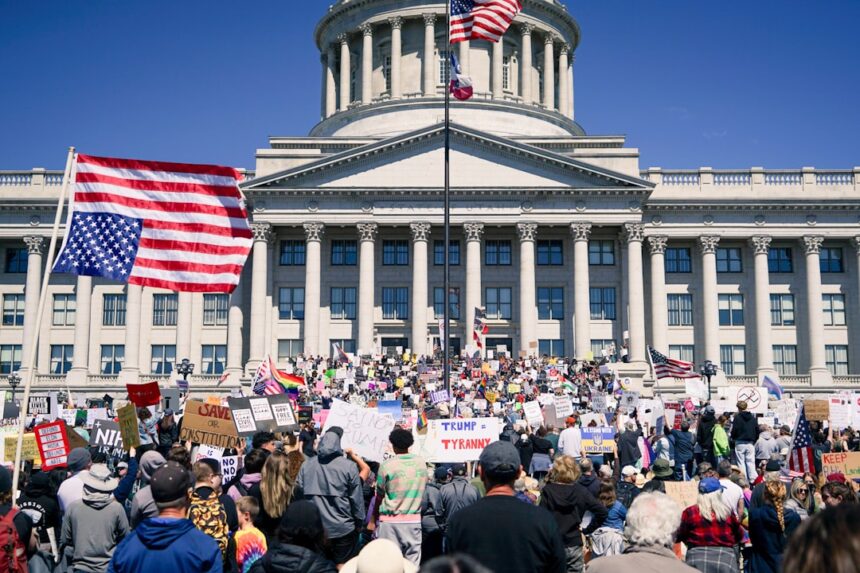
National symbols, such as flags, anthems, and iconic monuments, are tangible manifestations of the collective. They serve as constant reminders of national unity and shared identity, invoked in moments of celebration, mourning, and national pride. These symbols are designed to elicit an emotional response and a sense of belonging to something larger than oneself.
The Function of National Education Systems
Modern states invariably establish universal education systems. These systems are not merely for imparting knowledge and skills but are crucial vehicles for instilling national values, teaching national history (often a carefully curated version), and promoting the national language. Education plays a vital role in socializing younger generations into the national identity.
Standardized Curricula and the Teaching of National History
The development of a standardized curriculum across the nation ensures that all citizens receive a common education, including a shared understanding of national history and civic principles. This uniformity aims to create a common intellectual and cultural foundation for all.
Promotion of a National Language
The active promotion and standardization of a national language is a cornerstone of state-driven identity formation. By encouraging or mandating the use of a single language, states can break down linguistic barriers, facilitate communication, and create a more homogenous cultural space.
Challenges and Contestation in the Evolution of Identity
The evolution of identity from cultural memory to modern statehood is not a linear or uncontested process. Diverse populations within the boundaries of a state often harbor pre-existing identities that can clash with the dominant national narrative.
Internal Diversity and the Persistence of Sub-National Identities
Even within the framework of a modern state, significant linguistic, ethnic, religious, and regional diversity often persists. These pre-existing identities may continue to hold sway for individuals and communities, creating a complex tapestry of allegiances. In some instances, these identities can lead to tension or conflict with the overarching national identity.
Regionalism and Local Loyalties
Strong regional identities and loyalties that predate state formation can remain potent forces. These may manifest in distinct cultural practices, dialects, and even political aspirations for greater autonomy or self-determination.
Ethnic and Religious Minority Groups
Ethnic and religious minority groups, in particular, may find their identities at odds with the dominant national culture. They may feel marginalized, misunderstood, or pressured to assimilate, leading to resistance against the imposed national identity.
The Impact of Colonialism and Post-Colonialism
Colonial powers often imposed arbitrary state boundaries that did not align with existing cultural or ethnic divisions. This legacy can lead to enduring conflicts and anxieties about identity in post-colonial states, as diverse groups grapple with shared, yet often unequal, historical experiences.
Imposed Borders and Artificial Unities
The drawing of colonial borders without regard for indigenous populations often created states encompassing disparate and sometimes hostile groups. The struggle to forge a unified national identity in such contexts can be fraught with difficulty and historical grievance.
The Search for Authentic Post-Colonial Identity
Following independence, post-colonial nations often face the challenge of constructing an identity that is both unique and inclusive, moving beyond the imposed colonial framework while acknowledging the complexities of their diverse populations and the lingering effects of imperial rule.
The transition from cultural memory to modern statehood is a complex process that reflects the evolution of societies over time. This shift often involves the reinterpretation of historical narratives and the establishment of new national identities. For a deeper understanding of this transformation, you can explore an insightful article on the subject at In the War Room, which discusses how cultural legacies influence contemporary governance and societal structures. By examining these dynamics, we can better appreciate how historical contexts shape the foundations of modern states.
The Ongoing Negotiation of Identity in the Modern State
| Aspect | Data/Metrics |
|---|---|
| Time Period | From cultural memory to modern statehood |
| Population | Changes in population size and demographics |
| Political Structure | Transition from traditional cultural governance to modern state governance |
| Economic Development | Growth of industries and trade |
| Technological Advancements | Adoption of modern technologies and infrastructure |
| Cultural Preservation | Efforts to preserve cultural heritage in the face of modernization |
The evolution of identity within a modern state is not a finished historical event but a continuous process of negotiation and adaptation. Global forces and internal dynamics constantly shape and reshape how individuals and groups understand themselves and their relationship to the nation.
Globalization and the Blurring of National Boundaries
In an increasingly interconnected world, global flows of information, ideas, and people challenge the notion of a singular, impermeable national identity. Individuals may develop transnational identities or embrace aspects of global culture, complicating the traditional state-centric view of belonging.
Transnationalism and Hybrid Identities
The rise of transnational communities and the increasing prevalence of hybrid identities, blending elements of multiple cultures and national affiliations, reflect the complex reality of our interconnected world.
The Influence of Global Media and Popular Culture
Global media and popular culture can disseminate shared trends and consumption patterns across national borders, influencing individual tastes and perceptions, and sometimes creating a sense of shared global cultural experience that can exist alongside or even supersede national ones.
The Role of Civil Society and Activism in Shaping Identity
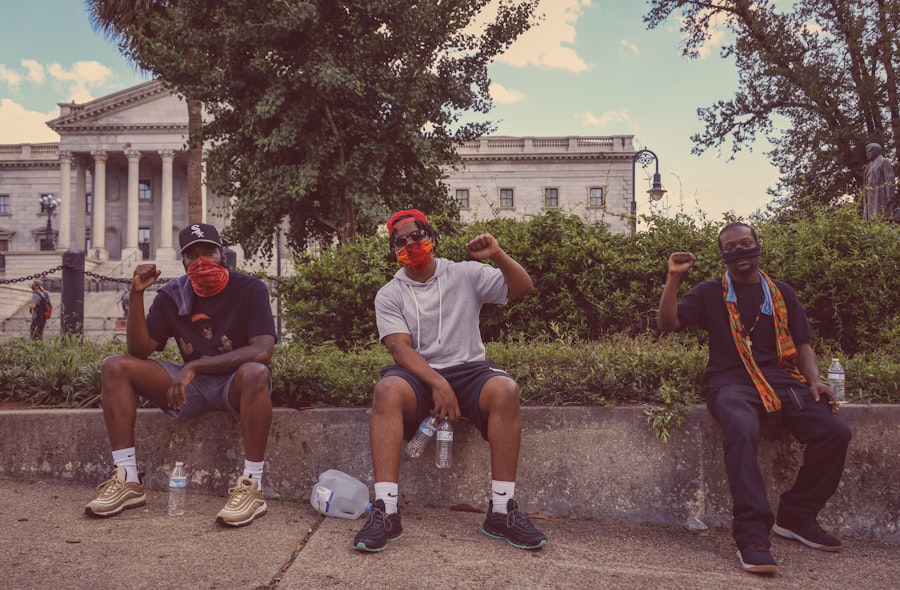
Civil society organizations, social movements, and individual activism play a crucial role in challenging dominant narratives and advocating for the recognition of diverse identities within the state. These efforts can lead to the redefinition of national identity and a more inclusive understanding of belonging.
Movements for Minority Rights and Cultural Recognition
Activist groups advocating for the rights of ethnic, linguistic, and religious minorities, as well as movements promoting gender equality and LGBTQ+ rights, actively work to broaden the scope of national identity to encompass a wider range of experiences and perspectives.
The Power of Counter-Narratives and Reclaiming History
By challenging official historical accounts and promoting counter-narratives that highlight marginalized voices and experiences, activists and scholars contribute to a more nuanced and contested understanding of national identity, encouraging a more critical and inclusive engagement with the past.
The journey from the fragmented memories of pre-statehood to the complex, negotiated identity of the modern state is a testament to humanity’s enduring capacity for collective organization and self-definition. It is a process marked by both the forge of necessity and the deliberate hand of statecraft, a continuous dialogue between inherited traditions and the evolving demands of coexistence in a shared political community.
FAQs
What is cultural memory?
Cultural memory refers to the ways in which a society or group remembers and preserves its history, traditions, and collective experiences. This can include oral traditions, rituals, monuments, and other forms of cultural expression.
What is modern statehood?
Modern statehood refers to the concept of a sovereign state with defined borders, a government, and the ability to enter into relations with other states. It is characterized by the establishment of institutions, laws, and administrative systems to govern a defined territory and its population.
How has the shift from cultural memory to modern statehood impacted societies?
The shift from cultural memory to modern statehood has led to changes in the way societies understand and preserve their history and traditions. It has also influenced the way power and authority are organized and exercised within a society.
What are some examples of the shift from cultural memory to modern statehood?
Examples of the shift from cultural memory to modern statehood can be seen in the establishment of national museums, the standardization of education systems, the creation of national holidays, and the development of official historical narratives.
What are the challenges associated with the shift from cultural memory to modern statehood?
Challenges associated with this shift include the potential loss of diverse cultural traditions, the imposition of dominant narratives over marginalized voices, and the tension between preserving cultural memory and promoting a unified national identity.