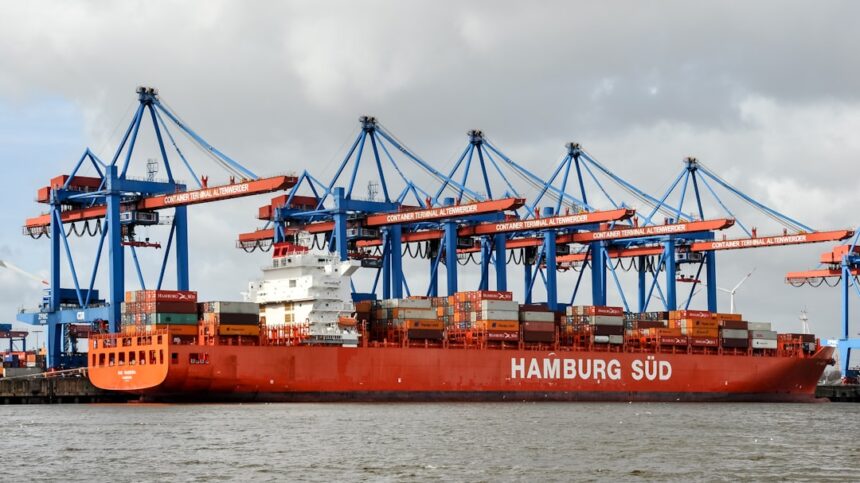
The maritime shipping industry, a foundational pillar of global commerce, faces a significant and potentially prolonged shift in its operational landscape. The year 2026 is projected to be a critical juncture, demanding adaptation and strategic recalibration due to a confluence of geopolitical, economic, and environmental factors that render traditional routes, particularly through the Suez Canal, increasingly complex and, at times, untenable. This article explores the anticipated rerouting of maritime shipping, focusing on the protracted detour around the continent of Africa, and the multifaceted implications for stakeholders in 2026.
The Shifting Tides: Drivers Behind the Rerouting
The imperative to reroute maritime traffic is not a singular event but rather a cascading consequence of interconnected challenges that have been building in intensity. Understanding these underlying drivers is crucial to grasping the scale and duration of the anticipated navigational changes.
Suez Canal Vulnerabilities
The Suez Canal, a linchpin of global trade connecting the Mediterranean Sea and the Indian Ocean, has proven to be a chokepoint susceptible to various disruptions. Its strategic importance makes it a target and a point of leverage, impacting a vast swathe of international shipping.
Geopolitical Instability and Regional Conflicts
The geopolitical climate in regions bordering the Suez Canal, particularly the Middle East, remains volatile. Ongoing conflicts, the threat of proxy wars, and the potential for military engagements in or near critical maritime passages directly elevate the perceived risk associated with transiting the canal. For shipping companies and their insurers, the calculation of risk versus reward becomes a significant deterrent. Even the remote possibility of a naval incident or escalating tensions can trigger a reassessment of route viability. The specter of deliberate obstruction, as witnessed in past incidents, further fuels this pre-emptive caution.
Piracy and Security Concerns in the Red Sea and Gulf of Aden
While efforts have been made to curb piracy in the past, the underlying socioeconomic conditions that foster it often persist. Any resurgence or increased activity in the Red Sea and Gulf of Aden, even if localized, can lead to significant concerns for vessel security. The cost of robust security measures, including armed escorts and enhanced surveillance, adds to the operational expenses of transiting the canal. Furthermore, insurance premiums for voyages in these high-risk areas can become prohibitively expensive, forcing a calculation for alternative routes.
Environmental Factors and Infrastructure Constraints
While less frequent than geopolitical triggers, environmental factors can also contribute to Suez Canal disruptions. Extreme weather events, though rare, can impact canal operations. More significantly, the physical limitations of the canal itself, the ongoing maintenance requirements, and the potential for accidents involving large vessels (as exemplified by the Ever Given incident in 2021) highlight inherent vulnerabilities. The canal’s capacity, while substantial, is finite, and any prolonged closure, even due to technical issues or navigational incidents, necessitates immediate alternative planning.
Growing Trade Volumes and Capacity Pressures
The secular trend of increasing global trade volumes places continuous pressure on existing maritime infrastructure. As the volume of goods transported by sea grows, the capacity of key transit points like the Suez Canal becomes a more significant bottleneck.
Increased Demand for Goods and Interconnected Supply Chains
The expansion of global populations and the intricate nature of modern supply chains mean that the demand for manufactured goods, raw materials, and agricultural products continues to rise. This translates into a sustained and growing need for efficient maritime transport. When traditional routes become congested or less reliable, the pressure to find alternative pathways intensifies.
The Limitations of Existing Chokepoints
The Suez Canal, alongside other critical chokepoints like the Panama Canal and the Strait of Malacca, represents fixed points in a dynamic global trade network. Their inherent limitations in terms of capacity and accessibility mean that they can become points of significant congestion, leading to delays and increased shipping times, especially during periods of peak demand, which are often exacerbated by unforeseen events.
In light of the increasing challenges faced by maritime shipping routes, a recent article discusses the potential implications of rerouting around Africa by 2026. This shift is driven by geopolitical tensions and the need for more secure and efficient trade pathways. For a deeper understanding of this evolving situation and its impact on global shipping, you can read the full article here: Maritime Shipping Rerouting Around Africa 2026.
The African Cape Route: A Necessary Detour
The primary alternative to transiting the Suez Canal for routes connecting Asia to Europe has historically been, and is projected to be again in 2026, the circumnavigation of Africa via the Cape of Good Hope. This route, while longer, offers a pathway less susceptible to the specific geopolitical and security risks associated with the Suez Canal.
Increased Transit Times and Distance
The most immediate and impactful consequence of rerouting around Africa is the substantial increase in travel time and distance. This alteration has ripple effects across the entire supply chain, impacting delivery schedules, inventory management, and the overall cost of goods.
The Added Nautical Miles
Navigating around the Cape of Good Hope adds thousands of nautical miles to typical East-West voyages. For a journey from Shanghai to Rotterdam, for instance, the detour significantly extends the maritime leg, transforming a journey of weeks into one that spans several weeks more. This increased distance translates directly into higher fuel consumption.
The Proverbial “Extra Weeks” in Transit
The difference in transit time is not measured in days but often in weeks. This extended transit period can disrupt just-in-time inventory systems, forcing businesses to hold larger buffer stocks, thereby increasing warehousing costs and tying up capital. It also impacts perishable goods requiring faster delivery.
Heightened Operational Costs
The extended voyage necessitates a significant increase in operational expenses for shipping companies. These costs are then inevitably passed down the supply chain, affecting the final price of goods for consumers.
Fuel Consumption and Bunker Prices
The most substantial increase in cost comes from fuel. Longer distances mean more hours at sea, which directly translates to a greater consumption of bunker fuel. Fluctuations in global oil prices, and consequently bunker fuel prices, can therefore have a magnified impact on shipping costs when rerouting.
Crew Costs and Vessel Utilization
Extended voyages also mean longer periods at sea for crews, impacting crew rotation schedules and potentially increasing labor costs. Furthermore, vessels are tied up for longer durations on a single voyage, reducing their overall utilization rate and potentially requiring a larger fleet to maintain previous shipping volumes.
Insurance Premiums and Risk Assessment
The added distance and passage through potentially more challenging sea conditions can also lead to increased insurance premiums. Insurers will assess the risks associated with extended voyages, including the potential for adverse weather around the Cape and the duration of exposure to various maritime environments.
Implications for Global Supply Chains
The rerouting of maritime shipping has profound implications for the complex and interconnected web of global supply chains, necessitating strategic adjustments at every level.
Inventory Management and Warehousing Strategies
With longer transit times, businesses will need to fundamentally rethink their inventory management strategies to mitigate the risk of stockouts and maintain adequate supply.
Increased Buffer Stocks and Safety Margins
The traditional just-in-time model, which relies on minimal inventory and frequent, predictable deliveries, becomes far more precarious with extended transit times. Companies will likely need to increase their buffer stocks, holding larger quantities of goods to ensure continuity of supply. This translates to higher warehousing costs and a greater need for efficient inventory tracking.
The Cost of Capital Tied Up in Inventory
Holding larger inventories means that more capital is tied up in goods that are not yet sold. This can impact a company’s cash flow and liquidity, requiring careful financial planning to manage.
Shift Towards Regionalized Supply Chains
In the long term, the inefficiencies and costs associated with prolonged global transit might accelerate the trend towards regionalization of supply chains. This involves sourcing and manufacturing goods closer to the end consumer, reducing reliance on long-distance maritime transport.
Production Planning and Lead Times
The extended delivery schedules will inevitably necessitate adjustments in production planning, with businesses needing to account for longer lead times for both raw materials and finished goods.
The Need for Enhanced Forecasting Accuracy
With greater uncertainty in transit times, the accuracy of demand forecasting becomes even more critical. Businesses will need to invest in more sophisticated forecasting tools and methodologies to anticipate future needs.
Re-evaluating Production Cycles
Production cycles may need to be lengthened or reconfigured to align with the new shipping realities. This could involve building up inventory before shipment or adjusting production schedules to accommodate the longer gaps between deliveries.
The Impact on Consumer Prices and Inflationary Pressures
Ultimately, the increased costs incurred by shipping companies and businesses due to rerouting will likely be passed on to consumers, contributing to higher prices for a wide range of goods.
Increased Cost of Goods Transported
The direct cost of transporting goods will rise due to fuel, crew, and other operational expenses. This will be reflected in the wholesale and retail prices of imported products.
Potential for Inflationary Spirals
If the rerouting and associated cost increases become a sustained phenomenon, they could contribute to broader inflationary pressures across economies, impacting consumers’ purchasing power and potentially leading to calls for government intervention.
Technological Adaptations and Infrastructure Investments
In response to the evolving shipping landscape, the maritime industry will likely see increased adoption of existing technologies and potentially spur investment in new or expanded infrastructure.
Vessel Modernization and Fuel Efficiency
With longer voyages and increased fuel consumption, there will be a renewed focus on optimizing vessel performance and reducing environmental impact.
Investment in More Fuel-Efficient Ships
The economic imperative of reducing fuel costs will drive investment in newer, more fuel-efficient vessel designs. This could include advancements in hull coatings, propeller technology, and engine efficiency.
Exploration of Alternative Fuels
The ongoing shift towards decarbonization in the maritime sector will be amplified. Research and development into and deployment of alternative fuels like LNG, methanol, or even ammonia will become more critical for long-distance voyages.
Enhanced Navigation and Communication Systems
The complexity of longer voyages and potentially more challenging sea conditions will necessitate robust navigation and communication systems.
Advanced Weather Routing and Optimization Software
Sophisticated weather routing software will be essential to plot the most efficient and safest courses, minimizing fuel consumption and avoiding adverse weather.
Improved Real-Time Tracking and Communication
Enhanced real-time vessel tracking and communication systems will be crucial for managing fleets on longer routes, ensuring timely information flow between vessels, shipping companies, and port authorities.
Potential for New Maritime Infrastructure
While significant rerouting around Africa is the immediate solution, the long-term economic implications of such extended voyages might reignite discussions about investments in alternative East-West transit routes.
Re-examination of Northern Sea Route Feasibility
While still facing significant challenges related to ice cover and seasonal limitations, the potential of the Northern Sea Route as an alternative for certain types of cargo and at specific times of the year might see renewed interest, albeit with its own set of environmental and logistical considerations.
Infrastructure Development in African Ports
Increased shipping traffic around Africa could also lead to increased investment in port infrastructure along the African coastline. This could include dredging, expanded berth capacity, and improved hinterland connectivity to facilitate the efficient handling of goods, potentially fostering economic development along these routes. However, the scale and pace of such investments will be subject to economic viability and political stability within African nations.
In light of the increasing challenges faced by maritime shipping, a recent article discusses the potential implications of rerouting shipping routes around Africa by 2026. This shift is driven by the need to avoid piracy and geopolitical tensions in traditional shipping lanes. For a deeper understanding of the strategic considerations and economic impacts of this development, you can read more in the article available at In the War Room.
Geopolitical and Economic Ramifications
The sustained rerouting of global shipping has far-reaching geopolitical and economic consequences that extend beyond the immediate operational adjustments.
Shifting Global Trade Patterns and Economic Power Balances
The increased reliance on the African route can subtly alter existing trade flows and potentially influence the economic standing of nations at various points along these new maritime highways.
Increased Importance of African Coastal Nations
Nations with strategic port locations along the East and West African coastlines could see increased economic activity and potential for foreign investment as they become more vital nodes in global trade. This could foster development but also raise concerns about equitable distribution of benefits and potential for external influence.
Impact on Suez Canal Revenue and Geopolitical Influence
A prolonged decrease in Suez Canal traffic would have significant economic repercussions for Egypt, impacting toll revenue and its strategic geopolitical leverage. This could necessitate diversification of revenue streams and a re-evaluation of its role in global trade.
Increased Demand for Naval Presence and Security Cooperation
The extended transit through more open and diverse maritime domains can necessitate a greater naval presence to ensure safety and security.
Enhanced Maritime Security Patrols
An increase in shipping traffic around Africa could lead to calls for enhanced maritime security patrols by navies to deter piracy, protect shipping lanes, and respond to maritime incidents. This could involve increased collaboration between regional navies and international maritime forces.
The Role of International Agreements and Cooperation
Ensuring the smooth and secure passage of vessels along the African coast will likely require strengthened international agreements and cooperative frameworks to address security concerns, environmental protection, and navigational safety.
Long-Term Outlook: A Complex and Evolving Scenario
The situation in 2026 represents a complex and evolving scenario. While the rerouting around Africa is a pragmatic response to immediate challenges, its sustainability and the potential for a return to previous transit routes will depend on a multitude of factors.
The Persistence of Geopolitical Instability
A lasting resolution of conflicts and a de-escalation of tensions in the Suez Canal region would be a primary catalyst for the potential return to more direct routes. However, the historical patterns of instability suggest this is not a short-term prospect.
Technological Advancement and Infrastructure Development
Innovations in maritime technology, such as autonomous shipping or advanced propulsion systems, could eventually alter the cost-benefit analysis of different routes. Similarly, significant investments in alternative transit infrastructure, though costly and time-consuming, could emerge as viable long-term solutions.
The Influence of Climate Change
The long-term impact of climate change on Arctic routes and the potential for greater accessibility, albeit with significant environmental risks, could also play a role in shaping future maritime transit patterns, although this is likely beyond the scope of immediate 2026 considerations.
In conclusion, 2026 is poised to be a year where the maritime shipping industry grapples with the practical realities of navigating around Africa. This shift, driven by a confluence of geopolitical risks and logistical pressures, will demand significant adaptation from all stakeholders. The extended transit times, increased operational costs, and subsequent implications for global supply chains and consumer prices will necessitate strategic foresight, technological innovation, and a willingness to embrace a more complex and geographically diverse operational paradigm. The continent of Africa, once a formidable obstacle, is now poised to become a critical artery in the arteries of global trade, for the foreseeable future.
FAQs
What is the reason for maritime shipping rerouting around Africa in 2026?
The reason for maritime shipping rerouting around Africa in 2026 is due to the ongoing conflict and instability in the Suez Canal and the Bab el-Mandeb strait, which are key shipping routes. This has led to concerns about the safety and reliability of these routes for maritime shipping.
How will maritime shipping be rerouted around Africa in 2026?
Maritime shipping will be rerouted around Africa in 2026 by utilizing the Cape of Good Hope route, which involves sailing around the southern tip of Africa. This route is longer and more time-consuming than the Suez Canal route, but it is considered a safer alternative due to the current geopolitical and security challenges in the region.
What are the potential impacts of maritime shipping rerouting around Africa in 2026?
The potential impacts of maritime shipping rerouting around Africa in 2026 include increased transit times, higher fuel costs, and potential congestion at alternative ports. Additionally, there may be implications for global trade patterns and supply chain logistics as shipping companies adjust to the new routes.
How will the rerouting of maritime shipping around Africa in 2026 affect global trade?
The rerouting of maritime shipping around Africa in 2026 is expected to affect global trade by potentially increasing shipping costs and transit times for goods. It may also lead to shifts in trade routes and supply chain strategies as companies adapt to the new maritime shipping routes.
Are there any long-term solutions being considered for the challenges in maritime shipping around Africa?
Long-term solutions being considered for the challenges in maritime shipping around Africa include investments in alternative shipping infrastructure, such as the development of new ports and shipping lanes. Additionally, efforts to address the underlying geopolitical and security issues in the region are being explored to ensure the safety and reliability of key shipping routes.