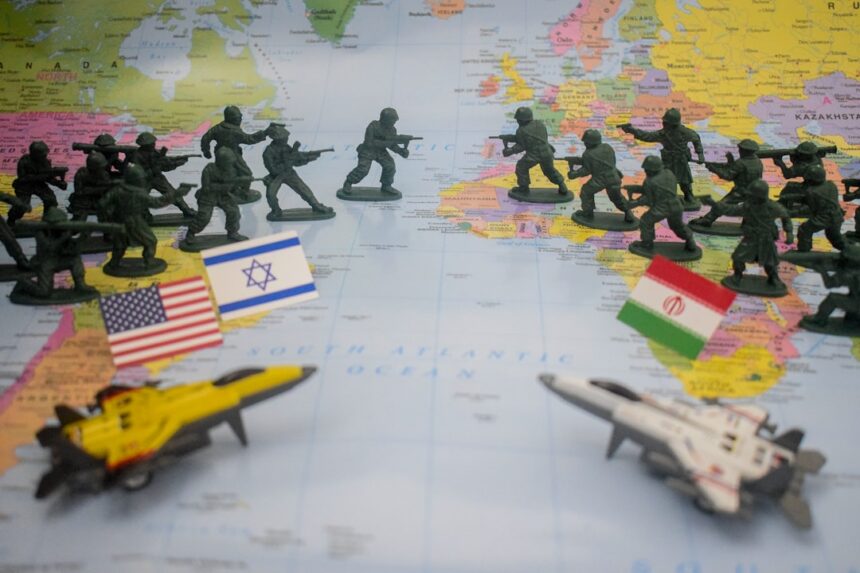
The recent “war game” conducted by the United States military, simulating a large-scale conflict with Iran, has brought into sharp relief the evolving landscape of global military power and the ongoing debate surrounding the sustainability of American military primacy. While the exercise itself was designed to test strategic planning, logistical capabilities, and the effectiveness of various military assets, its conclusions, whether articulated publicly or kept within classified briefings, inevitably touch upon the enduring question of whether the United States can maintain its position as the unipolar military superpower in the face of rising regional powers and increasingly sophisticated adversarial capabilities. This article will delve into the various facets of this complex issue, examining the implications of such simulations, the specific challenges posed by Iran’s military doctrine, and the broader implications for U.S. foreign policy and defense strategy.
War games, at their core, are designed to be analytical tools, not simple predictive models. They provide a controlled environment to explore hypothetical scenarios, assess the strengths and weaknesses of different courses of action, and identify potential vulnerabilities. The U.S. military has a long history of conducting such simulations, ranging from tabletop exercises involving scenario analysis to full-scale, multi-domain “integrated exercises” that involve thousands of personnel and hundreds of platforms.
Understanding the Objectives
The primary objective of a war game, especially one with the geopolitical weight of a simulated Iran conflict, is to achieve a deeper understanding of potential operational challenges and strategic outcomes. This is not about declaring a winner or loser in a literal sense, but rather about generating actionable intelligence for policymakers and commanders.
Assessing Strategic Objectives
A crucial aspect of any war game is the articulation and evaluation of strategic objectives. In a hypothetical conflict with Iran, these objectives could range from securing key energy chokepoints like the Strait of Hormuz to deterring Iran’s nuclear ambitions, or even regime change. The war game would then test the feasibility and cost of achieving these objectives under various constraints.
Identifying Operational Lapses
Beyond the grand strategy, war games are invaluable for identifying operational lapses. This can include shortcomings in command and control, intelligence, surveillance, and reconnaissance (ISR), logistics, cyber defenses, and the seamless integration of different military branches (Army, Navy, Air Force, Marines, Space Force).
Evaluating Technological Effectiveness
With the rapid advancement of military technology globally, these simulations are critical for assessing the effectiveness of U.S. military assets against potential adversaries who are increasingly employing asymmetric tactics and developing advanced countermeasures.
Limitations and Interpretations
It is important to acknowledge that war games, however sophisticated, are inherently limited by the assumptions and data fed into them. The human element, unpredictable events, and the fog of war can never be perfectly replicated. Therefore, the results of any war game, including one focused on Iran, must be interpreted with caution and a degree of skepticism.
The “Human Factor”
The decisions of human commanders, their adaptability under pressure, and unforeseen human errors are difficult to model accurately within a simulation. This “human factor” can significantly alter the trajectory of any real-world conflict.
Data and Assumption Dependency
The accuracy of a war game’s output is directly proportional to the quality of the data and the realism of the assumptions upon which it is built. Biases or incomplete information can lead to skewed results.
Scenario Specificity
A war game is designed for a particular scenario. Extrapolating broader conclusions about overall military superiority from a single, albeit significant, exercise can be misleading.
In exploring the implications of Iran war simulation outcomes for U.S. military primacy, a related article can be found on In The War Room, which delves into strategic assessments and potential scenarios that could shape future military engagements. This analysis provides valuable insights into how simulated conflicts can inform real-world military strategies and decision-making processes. For more information, you can read the article here: In The War Room.
Iran’s Asymmetric Warfare Doctrine
Iran’s military strategy is not designed to directly confront a superpower like the United States in a conventional, head-to-head engagement. Instead, it is characterized by an emphasis on asymmetric warfare, leveraging its unique geography, regional proxies, and a range of low-cost, high-impact capabilities. This doctrine presents a distinct challenge to traditional U.S. military planning, which has historically been geared towards peer or near-peer adversaries.
The Concept of “Defense in Depth”
Iran’s military doctrine can be understood as a form of “defense in depth,” aiming to deter and frustrate any direct military intervention by making the cost prohibitively high. This involves a multi-layered approach that extends far beyond its borders.
Forward Deployed Forces and Proxies
Iran has cultivated a network of regional proxies and allied militias across the Middle East, including Hezbollah in Lebanon, Houthi rebels in Yemen, and various Shiite militias in Iraq and Syria. These groups serve as a significant force multiplier, capable of engaging U.S. interests and allies in multiple theaters simultaneously.
Ballistic and Cruise Missile Capabilities
A cornerstone of Iran’s deterrent posture is its advanced ballistic and cruise missile program. These weapons systems, while perhaps not individually advanced enough to strike U.S. carrier groups with pinpoint accuracy, can saturate defenses and pose a significant threat to regional bases and naval assets.
Naval Asymmetry in the Persian Gulf
In its strategic backyard, the Persian Gulf, Iran employs asymmetric naval tactics. This includes the use of numerous small, fast attack craft, sea mines, anti-ship missiles, and kamikaze drones. The objective is not to win a naval battle in the traditional sense, but to disrupt shipping, exact a heavy toll on any invading force, and create a minefield of operational hazards.
Cyber and Electronic Warfare
Beyond kinetic capabilities, Iran has invested significantly in cyber and electronic warfare capabilities. These can be used to disrupt command and control systems, collect intelligence, and sow confusion among enemy forces.
Network Penetration and Disruption
Iranian cyber units are assessed to be capable of penetrating critical infrastructure and military networks, potentially causing significant operational disruptions and intelligence breaches.
Jamming and Deception
Electronic warfare tactics, such as jamming GPS signals and radar, can blind U.S. forces, complicate navigation, and disrupt precision targeting, thereby degrading the effectiveness of technologically superior American assets.
Testing U.S. Military Primacy: Key Considerations
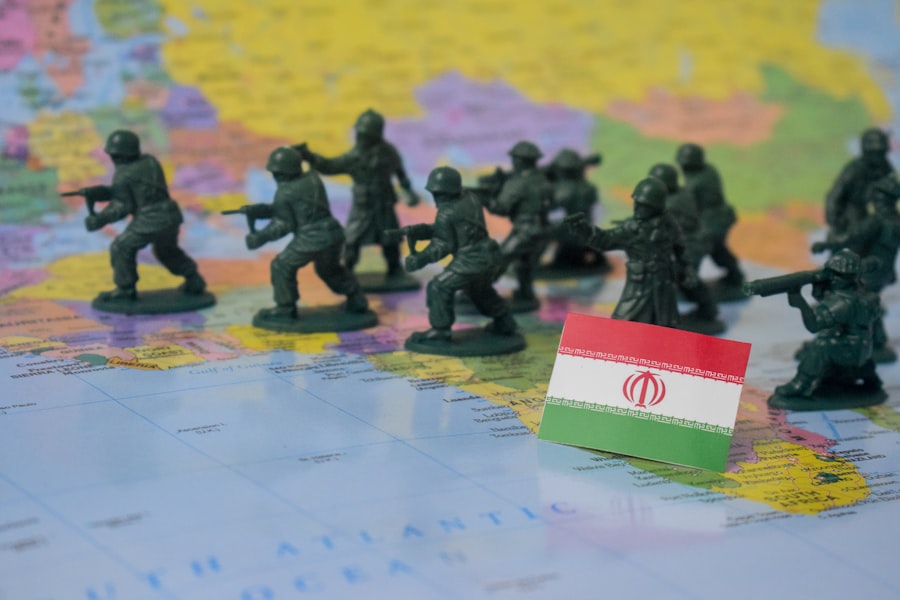
The war game surrounding a potential Iran conflict inevitably puts the concept of U.S. military primacy under scrutiny. While the U.S. military possesses unparalleled global power projection capabilities, advanced technology, and extensive combat experience, certain aspects of Iran’s doctrine and the complexities of a protracted regional conflict could stress these advantages.
The Challenge of Geographic Constraints
The vast Persian Gulf and surrounding regions present unique geographic challenges that can counteract some U.S. advantages. The relatively confined sea lanes, the presence of numerous islands and coastlines, and the sheer scale of the operational area can complicate force projection and create opportunities for asymmetric attacks.
Operating in Contested Environments
Deploying and sustaining large forces in a region with significant anti-access/area denial (A2/AD) capabilities, such as those potentially fielded by Iran and its proxies, requires meticulous planning and carries inherent risks.
The Psychological Impact of Continuous Low-Level Harassment
Even if major engagements are avoided, the constant threat of harassment from small craft, mines, and drones can have a significant psychological impact on military personnel and erode operational tempo.
The Cost of Sustaining a Large-Scale Operation
A prolonged conflict with Iran would likely be expensive, not just in terms of direct military expenditure but also in terms of the strain on U.S. logistical networks, personnel, and political capital.
Logistical Vulnerabilities
Projecting and sustaining sufficient supplies, ammunition, and spare parts to a theater thousands of miles away, especially under duress, is a monumental logistical undertaking. Iran and its proxies could target these supply lines.
Personnel Overstretch
The U.S. military is already engaged in multiple theaters. A major conflict in the Middle East would necessitate a significant reallocation of resources and personnel, potentially impacting other ongoing missions and leading to significant troop fatigue.
The Deterrent Effect of Ambiguity
Iran’s asymmetric strategy often relies on creating ambiguity and uncertainty for an adversary. By possessing a range of capabilities, from asymmetric naval tactics to missile strikes and cyber warfare, Iran aims to present a complex and unpredictable threat that is difficult for a conventional military to exclusively counter.
The “Porcupine” Strategy
This approach, often referred to as the “porcupine strategy,” aims to make an attacker decide that the pain and cost of engagement far outweigh any potential gains.
Deniability and Plausible Deniability
The use of proxies allows Iran to maintain a degree of deniability for certain actions, making it more difficult for the U.S. to formulate a direct and proportionate response.
The Role of Non-Kinetic Warfare
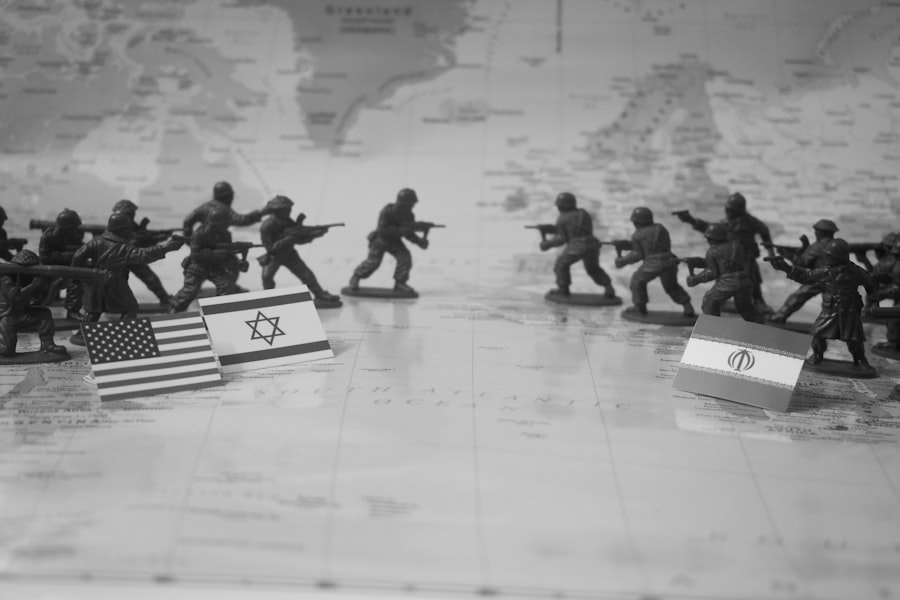
The Iran conflict war game would undoubtedly place a significant emphasis on non-kinetic domains, areas where the U.S. holds a technological advantage but where adversaries are increasingly making strides.
Cyber Warfare as a Critical Domain
Cyber warfare offers Iran a potent tool to disrupt U.S. operations without firing a shot. The U.S. military is heavily reliant on networked systems, making it vulnerable to cyber attacks.
Denying U.S. Information Superiority
Effective cyber operations could degrade the U.S. advantage in intelligence, surveillance, and reconnaissance (ISR), a critical component of modern warfare.
Targeting Critical Infrastructure
Beyond military networks, Iran could target civilian infrastructure that supports military operations, creating a ripple effect of disruption.
Electronic Warfare and Information Operations
Electronic warfare, including jamming and spoofing, can create illusions and blind U.S. assets. Information operations can also be used to sow discord, shape narratives, and undermine public support for military action.
Deception and Misdirection
Adversaries can use electronic warfare to create phantom targets or mask real ones, complicating targeting decisions for U.S. forces.
Psychological Warfare
Propaganda and disinformation campaigns can be waged to influence domestic and international opinion, potentially undermining the political will for engagement.
Recent analyses of Iran war simulation outcomes have raised important questions about the future of U.S. military primacy in the region. These simulations suggest that the complexities of modern warfare and the evolving strategies of adversaries could significantly impact the effectiveness of U.S. forces. For a deeper understanding of these dynamics, you can explore a related article that delves into the implications of such simulations on military strategy and readiness. Check out the insights in this article for a comprehensive overview.
Implications for U.S. Military Strategy and Foreign Policy
| Scenario | Outcome |
|---|---|
| Conventional War | US Military Victory |
| Asymmetric Warfare | Challenges for US Military Primacy |
| Cyber Warfare | US Vulnerabilities Exposed |
The insights gleaned from a war game simulating conflict with Iran have profound implications for U.S. military strategy and broader foreign policy. The exercise serves as a crucial stress test, highlighting areas where adaptation and innovation are necessary to preserve a meaningful degree of military primacy.
Re-evaluating Force Projection and Expeditionary Capabilities
The challenges posed by operating in a contested, geographically complex environment necessitate a re-evaluation of how the U.S. projects power and sustains operations far from its shores.
Investments in Resilient Logistical Chains
Strengthening the resilience of logistical supply chains and developing more distributed logistical nodes will be crucial.
Emphasis on Distributed Lethality and Survivability
Adopting strategies of distributed lethality and enhancing the survivability of individual platforms will be key to withstanding asymmetric attacks.
The Importance of Diplomacy and Deterrence
While military strength remains a cornerstone of U.S. foreign policy, the complexities revealed in such war games underscore the indispensable role of diplomacy, intelligence gathering, and robust deterrence strategies that extend beyond purely military means.
Strengthening Alliances and Partnerships
Cooperative security arrangements and strong alliances can enhance regional stability and provide a more unified front against potential aggression.
Innovative Deterrence Frameworks
Developing more nuanced and adaptable deterrence frameworks that account for the spectrum of Iranian capabilities, including non-kinetic threats, is essential.
The Future of U.S. Military Primacy
Ultimately, the war game serves as a stark reminder that U.S. military primacy is not an immutable guarantee. It is a position that must be constantly maintained and adapted in response to a dynamic global security environment. The ability to understand, anticipate, and effectively counter the asymmetric strategies of potential adversaries like Iran will be a defining factor in the United States’ ability to exert influence and ensure its national security in the coming decades. The lessons from such simulations, therefore, are not merely academic exercises; they are critical inputs into the ongoing strategic calculus that shapes the future of global power dynamics.
FAQs
What is the Iran war simulation?
The Iran war simulation is a hypothetical scenario in which military experts and strategists simulate a potential conflict between the United States and Iran to assess the potential outcomes and implications for US military primacy.
What were the outcomes of the Iran war simulation for US military primacy?
The outcomes of the Iran war simulation varied, but some potential implications for US military primacy included the assessment of the effectiveness of US military capabilities, the potential for escalation and regional destabilization, and the impact on global security dynamics.
How does the Iran war simulation inform US military strategy?
The Iran war simulation provides valuable insights into potential challenges and opportunities for US military strategy in the event of a conflict with Iran. It allows military planners to assess the strengths and weaknesses of current strategies and capabilities and to identify areas for improvement.
What are the key takeaways from the Iran war simulation for US military leaders?
Key takeaways from the Iran war simulation for US military leaders may include the need for enhanced diplomatic efforts to prevent conflict, the importance of maintaining a strong and capable military posture, and the potential for unforeseen consequences in the event of a conflict with Iran.
How does the Iran war simulation contribute to national security discussions?
The Iran war simulation contributes to national security discussions by providing a platform for experts to assess potential scenarios and implications for US military primacy. It allows policymakers and military leaders to consider the potential risks and opportunities associated with a conflict with Iran and to make informed decisions about national security strategy.