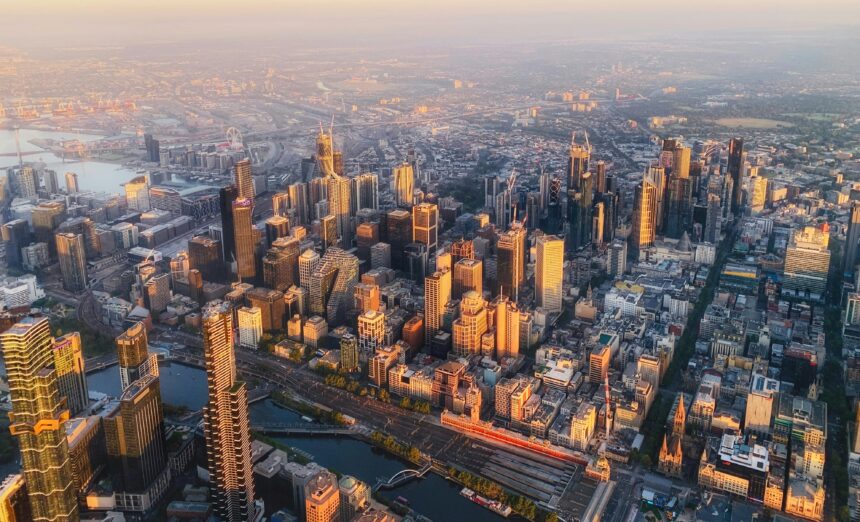
Melbourne’s vulnerability to coastal inundation from Southern Ocean storms is a growing concern, influenced by a confluence of meteorological, oceanographic, and terrestrial factors. The city’s extensive low-lying coastal areas, coupled with the increasing frequency and intensity of extreme weather events originating in the Southern Ocean, present a significant risk of surge inundation. Understanding these dynamics is crucial for effective urban planning, infrastructure resilience, and community preparedness.
The Influence of the Roaring Forties and Furious Fifties
The Southern Ocean is characterized by prevailing westerly winds, often referred to as the Roaring Forties and Furious Fifties, due to their consistent strength between 40 and 50 degrees south latitude. These powerful wind bands are the primary drivers of storm systems that can impact southern Australia, including Melbourne.
Fetch and Storm Track Alignment
The distance over which wind blows across a body of water is known as fetch. Longer fetches allow winds to generate larger and more powerful waves. Storms tracking across the Southern Ocean, particularly those with a long fetch aligned in a direction that directs wind towards Melbourne’s coastline, can imbue the ocean with considerable energy. This energy is subsequently transferred to the coast in the form of elevated sea levels and destructive wave action.
Cyclogenesis and Intensification
Storms in the Southern Ocean often undergo cyclogenesis, the process of storm formation and intensification. These systems can develop rapidly and reach significant intensity, possessing low-pressure centers that draw ocean water towards them. The associated strong winds then push this water shoreward, contributing to storm surge.
Atmospheric Pressure Gradients
The rapid drop in atmospheric pressure associated with intense low-pressure systems is a significant factor in storm surge. As pressure falls, the sea surface rises to equalize the weight of the atmosphere. This atmospheric effect, though often secondary to wind-driven surge, can nonetheless contribute to elevated water levels.
Frontal Systems and Associated Winds
The passage of cold fronts and associated low-pressure systems are common occurrences in the Southern Ocean. These fronts can bring strong, gusty winds that, when sustained and directed towards the coast, can generate substantial storm surges. The speed and direction of these frontal passages are critical in determining their impact.
Recent discussions about the surge risk in Melbourne due to Southern Ocean storms have highlighted the increasing frequency and intensity of such weather events. For a deeper understanding of this phenomenon and its implications for coastal cities, you can read a related article that explores the dynamics of storm patterns and their impact on urban areas. Check it out here: Melbourne Surge Risk and Southern Ocean Storms.
Melbourne’s Coastal Topography and Vulnerability
Melbourne’s geographical position along the northern shores of Port Phillip Bay makes it susceptible to inundation, particularly during events where sea levels are already elevated. The bay’s relatively confined nature can also exacerbate surge effects by funneling water.
Low-Lying Coastal Plains
Significant portions of Melbourne’s metropolitan area are situated on low-lying coastal plains. These areas, often reclaimed land or naturally subsided coastal zones, are inherently more vulnerable to even modest increases in sea level.
Reclamation and Development in Sensitive Areas
Historically, extensive land reclamation has occurred along Melbourne’s coast, including areas now occupied by residential, commercial, and industrial developments. This human modification of the natural coastline, while enabling urban expansion, has also increased the extent of vulnerable infrastructure and populations.
Drainage Systems and Flood Defenses
While drainage systems and some coastal defenses exist, their capacity and effectiveness during extreme surge events are subject to scrutiny. Overwhelmed drainage systems can lead to prolonged inundation, even after the surge itself has receded.
Port Phillip Bay’s Hydrology
Port Phillip Bay acts as a semi-enclosed body of water. Its connection to the Southern Ocean is via the narrow Heads. This hydrological configuration has implications for how storm surge propagates into the bay.
Resonance and Amplification Effects
In basins like Port Phillip Bay, resonance can occur where the natural period of oscillation of the water within the bay aligns with the periodicity of incoming storm surge. This can lead to an amplification of water levels, making the surge appear more pronounced within the bay than it might be in the open ocean.
Tidal Influence on Surge
While storm surge is primarily driven by wind and atmospheric pressure, it is superimposed upon existing tidal conditions. High tides coinciding with the peak of a storm surge can significantly exacerbate inundation depths and extent.
The Role of Climate Change
Scientific consensus indicates that climate change is influencing the frequency and intensity of extreme weather events globally, and the Southern Ocean is not exempt. This evolving climate poses a heightened risk to coastal communities like Melbourne.
Sea Level Rise
Global sea level rise, driven by thermal expansion of ocean water and the melting of glaciers and ice sheets, is a fundamental driver of increased coastal inundation risk. Even without changes to storm characteristics, a higher baseline sea level means that storm surges will reach further inland and inundate areas that were previously safe.
Thermal Expansion of Ocean Water
As the ocean absorbs excess heat from the atmosphere, its volume increases. This thermal expansion is a primary contributor to observed sea level rise.
Melting of Glaciers and Ice Sheets
The accelerated melting of land-based ice, such as glaciers and ice sheets in Greenland and Antarctica, adds vast quantities of water to the oceans, further driving sea level rise.
Changes in Storm Intensity and Frequency
While projections can vary, there is evidence suggesting that the intensity of tropical and extra-tropical cyclones may increase in a warming climate. Furthermore, changes in atmospheric circulation patterns could influence the tracks and frequency of storms impacting southern Australia.
Increased Sea Surface Temperatures
Warmer sea surface temperatures can provide more energy for storm development and intensification, potentially leading to stronger winds and more significant storm surges.
Altered Atmospheric Circulation Patterns
Shifts in global atmospheric circulation, such as changes in the Southern Annular Mode (SAM), can influence the frequency and intensity of storms in the Southern Ocean and their subsequent impact on coastal regions.
Impact Assessment and Future Projections
Understanding the potential impacts of storm surges on Melbourne requires rigorous data analysis and modeling. This assessment informs planning and mitigation strategies.
Historical Surge Events and Their Consequences
Analyzing past storm surge events provides valuable insights into the magnitude of past impacts. This historical context is essential for calibrating predictive models and understanding the baseline risk.
Case Studies of Past Inundations
Examining specific instances of coastal inundation in Melbourne’s history, noting the meteorological conditions, surge heights, and geographical extent of flooding, offers concrete examples of vulnerabilities.
Infrastructure Damage and Economic Losses
Past events have likely resulted in damage to critical infrastructure such as roads, bridges, power lines, and sewage systems. The economic consequences, including property damage, business disruption, and emergency response costs, are also important considerations.
Climate Change Projections and Surge Modeling
Predictive modeling, incorporating climate change projections, is crucial for anticipating future risks. These models simulate various storm scenarios and their potential inundation envelopes.
Probabilistic Flood Mapping
Developing probabilistic flood maps that illustrate the likelihood of inundation for different return periods (e.g., a 1-in-100-year surge event) is a key tool for urban planning and risk management.
Socioeconomic Vulnerability Analysis
Assessing which populations and communities are most vulnerable to surge inundation is critical for targeted preparedness and response efforts. This includes considering factors such as age, income, disability, and housing situation.
Recent discussions about the surge risk in Melbourne due to Southern Ocean storms have highlighted the increasing frequency and intensity of such weather events. For a deeper understanding of this phenomenon and its implications for coastal cities, you can read a related article that explores the broader impacts of climate change on storm patterns and sea levels. This insightful piece can be found here, providing valuable context for the challenges facing Melbourne and similar regions.
Mitigation and Adaptation Strategies
| Location | Surge Risk | Storm Frequency |
|---|---|---|
| Melbourne | High | Southern Ocean storms |
Addressing Melbourne’s surge risk requires a multi-faceted approach encompassing both mitigation of underlying causes and adaptation to unavoidable impacts.
Infrastructure Resilience and Hard Engineering Solutions
Modifying or reinforcing coastal infrastructure can provide a physical barrier against inundation.
Seawalls and Levees
Constructing or upgrading seawalls and levees along vulnerable coastlines can offer protection against wave action and rising water levels. However, their effectiveness is dependent on design height, structural integrity, and maintenance.
Stormwater Management Upgrades
Enhancing stormwater drainage systems, including larger pipes, pumps, and retention basins, can help manage increased water flows during and after surge events.
Nature-Based Solutions and Ecosystem Restoration
Coastal ecosystems can play a vital role in buffering against storm impacts.
Mangrove and Wetland Restoration
Mangrove forests and coastal wetlands act as natural barriers, dissipating wave energy and reducing the impact of surge. Their restoration and protection are key nature-based solutions.
Dune Rehabilitation and Beach Nourishment
Maintaining healthy sand dunes and undertaking beach nourishment programs can provide natural defenses, reducing erosion and inundation.
Urban Planning and Land Use Management
Prudent planning and land use decisions are essential for long-term resilience.
Retreat and Relocation Strategies
In highly vulnerable areas, a long-term strategy of managed retreat, where development is discouraged or relocated away from the coast, may be necessary.
Zoning and Building Code Amendments
Implementing stricter zoning regulations in coastal hazard zones and updating building codes to mandate flood-resistant construction can reduce future risk.
Early Warning Systems and Community Preparedness
Effective communication and community engagement are paramount for mitigating the human impact of surge events.
Advanced Forecasting and Alert Systems
Improving meteorological forecasting and developing robust early warning systems that can accurately predict surge events and disseminate timely alerts are critical.
Public Education and Evacuation Planning
Educating residents about surge risks, providing clear evacuation routes and procedures, and conducting regular drills can significantly enhance community resilience.
Melbourne’s confrontation with the surge risk from Southern Ocean storms is not a future hypothetical but an ongoing reality amplified by a changing climate. A comprehensive understanding of these complex interactions, from the deep ocean dynamics to the intricate urban fabric, is the foundation upon which effective strategies for protection and adaptation must be built. Failure to adequately address this escalating threat risks significant economic, social, and environmental consequences for the city and its inhabitants. The resilience of Melbourne will depend on its capacity to integrate scientific knowledge, innovative engineering, thoughtful urban planning, and robust community engagement into a cohesive and proactive response.
FAQs
What is the risk of surge in Melbourne from Southern Ocean storms?
The risk of surge in Melbourne from Southern Ocean storms is significant, as these storms can bring strong winds and high waves that can lead to coastal flooding and erosion.
How does Melbourne’s location make it vulnerable to surge from Southern Ocean storms?
Melbourne’s location on the southern coast of Australia exposes it to the full force of Southern Ocean storms, making it vulnerable to surge and coastal inundation.
What measures are in place to mitigate the risk of surge in Melbourne?
Melbourne has implemented various measures to mitigate the risk of surge from Southern Ocean storms, including coastal protection infrastructure, early warning systems, and land use planning regulations.
What are the potential impacts of surge from Southern Ocean storms on Melbourne?
The potential impacts of surge from Southern Ocean storms on Melbourne include damage to coastal infrastructure, erosion of beaches and dunes, and disruption to coastal communities and ecosystems.
How can residents and authorities prepare for surge events in Melbourne?
Residents and authorities can prepare for surge events in Melbourne by staying informed about weather forecasts and warnings, securing loose items, and following evacuation and emergency response plans.