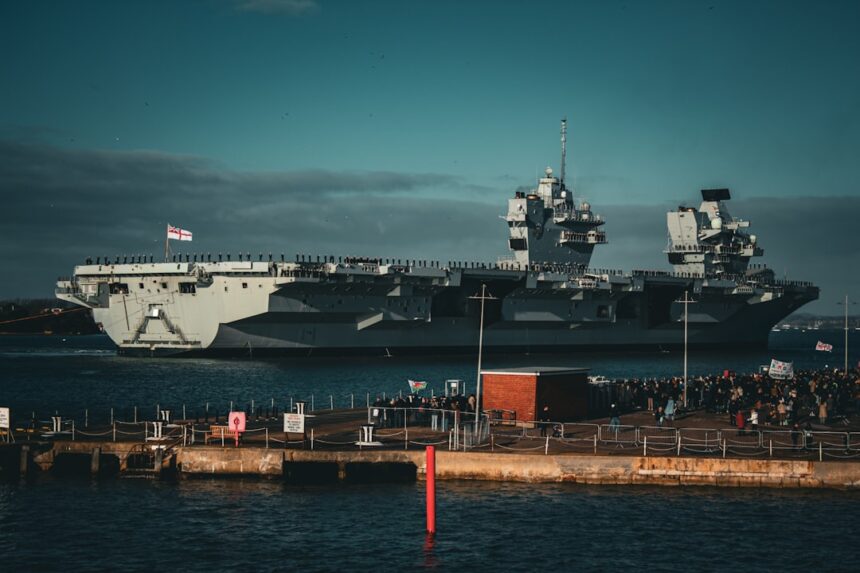
The image of the US Navy pier side, meticulously planned and presented in architectural renderings and strategic documents, often conjures an idealized vision. These “paper” representations showcase efficient operations, seamless logistics, and state-of-the-art facilities designed to support a global maritime force. However, the transition from concept to concrete reality can be a complex and often challenging undertaking. This article aims to dissect the divergence between the envisioned pier side and its tangible manifestation, exploring the inherent complexities, unforeseen hurdles, and the pragmatic adjustments that characterize this critical military infrastructure.
The Blueprint of Power: Strategic Vision and Idealized Design
The genesis of any US Navy pier side begins with a strategic imperative. Whether it’s to project power into a new theater, enhance the operational readiness of a specific fleet, or consolidate existing capabilities, the underlying strategic goals are meticulously documented. These documents, referred to as the “paper” in this context, are the bedrock upon which these monumental projects are built.
Defining Operational Requirements
The initial phase of development involves a rigorous articulation of operational requirements. This includes defining the types of vessels the pier must accommodate, their displacement, draft, and berthing needs. The frequency and volume of logistical movements, the types of cargo handled, and the required turnaround times are all factored in.
Ballistic and Structural Load Considerations
Beyond simple berthing, the paper meticulously details the structural integrity required. This involves calculating the immense forces exerted by fully loaded warships, including wind, wave, and current loads, as well as the dynamic forces associated with docking and undocking maneuvers. The design must account for the potential impact of seismic activity in certain regions.
Environmental and Sustainability Mandates
Modern infrastructure development is increasingly shaped by environmental considerations. The paper will outline requirements for wastewater management, storm runoff control, and the minimization of ecological impact on surrounding marine ecosystems. Energy efficiency and the potential for renewable energy integration may also be addressed.
Economic Projections and Cost-Benefit Analyses
Extensive economic modeling underpins the justification for these projects. Cost-benefit analyses aim to demonstrate the long-term value proposition of the pier, considering factors such as reduced transit times, increased operational efficiency, and the strategic advantage gained. These analyses, however, are often based on assumptions that can be subject to change.
Life Cycle Costing and Maintenance Planning
The paper also dedicates significant attention to the projected lifecycle costs of the pier. This includes not only the initial construction but also ongoing maintenance, repair, and potential future upgrades. Realistic estimates for these expenditures are crucial for budgetary planning and long-term sustainability.
The discussion surrounding the US Navy’s pier side operations often highlights the discrepancies between theoretical strategies and real-world applications. A related article that delves into this topic can be found on In The War Room, which examines the challenges faced by naval forces when transitioning from planning to execution. This insightful piece emphasizes the importance of adapting to on-ground realities, contrasting the ideal scenarios often depicted in military doctrine. For further reading, you can check out the article here: In The War Room.
The Collision with Reality: Unforeseen Challenges and Pragmatic Adjustments
The journey from a pristine architectural rendering to a functional pier is rarely a smooth one. The inherent complexities of large-scale construction, combined with the dynamic nature of military operations and the unpredictable forces of nature, often necessitate significant deviations from the original plan.
Environmental Surveys and Site-Specific Constraints
While initial environmental surveys inform the paper, the reality on the ground often reveals unforeseen ecological sensitivities or geological complexities. Dredging requirements might be more extensive than anticipated due to sediment composition, or the presence of protected marine life could necessitate modified construction timelines or methods.
Subsurface Geotechnical Challenges
The stability of the seabed is paramount for any pier construction. Unexpected variations in soil conditions, the presence of submerged debris, or the discovery of unstable bedrock can lead to costly redesigns and construction delays. These subsurface realities can significantly impact the foundation and structural integrity of the pier.
Navigational Channel Dynamics
The precise depth and width of navigational channels leading to the pier are critical. Natural sedimentation processes, changes in currents, or the proximity of other maritime traffic can alter these parameters, requiring ongoing dredging and potentially impacting the size and type of vessels that can access the facility.
Supply Chain Disruptions and Material Procurement
The construction of a US Navy pier involves a vast array of specialized materials and equipment. Global supply chain disruptions, unforeseen demand surges, or the unavailability of specific components can lead to significant delays and cost overruns. The reliance on international suppliers can introduce geopolitical risks as well.
Specialized Equipment and Logistics
The installation of heavy-lift cranes, concrete batching plants, and specialized marine construction equipment requires meticulous planning and execution. Access to these resources, their timely delivery, and their efficient deployment are all critical factors that can be impacted by real-world logistical hurdles.
Quality Control and Material Testing
Ensuring the quality of materials used is a constant challenge. Rigorous testing protocols are in place, but the sheer volume of materials and the demanding environment can test the effectiveness of these quality control measures. Substandard materials could compromise the long-term integrity of the pier.
The Unseen Labor: Human Factors and Operational Realities
Beyond the concrete and steel, the success of a US Navy pier side hinges on the human element. The skills, coordination, and dedication of the personnel involved in its construction and subsequent operation are often understated in the initial planning documents.
Workforce Availability and Skill Sets
The availability of a skilled construction workforce, particularly in specialized maritime trades, can be a significant bottleneck. The demand for experienced engineers, divers, and heavy equipment operators can exceed the available supply, leading to increased labor costs and potential schedule slippage.
Safety Protocols and Incident Management
Construction sites of this magnitude present inherent safety risks. While comprehensive safety protocols are designed, unexpected incidents can occur, leading to injuries, project delays, and the need for thorough investigations. Managing these incidents effectively is crucial for maintaining progress.
Inter-Agency and Contractor Coordination
The construction of a US Navy pier often involves multiple government agencies, private contractors, and subcontractors. Effective communication, clear lines of responsibility, and seamless coordination among these entities are vital. Miscommunication or conflicting priorities can lead to inefficiencies and delays.
Operational Workforce Training and Readiness
Once constructed, the pier requires a skilled operational workforce to manage its day-to-day functions. This includes dockworkers, logistics specialists, security personnel, and maintenance crews. Adequate training and ongoing readiness exercises are essential to ensure the pier can fulfill its intended purpose.
Equipment Maintenance and Calibration
The specialized equipment used for cargo handling, mooring, and vessel support requires regular maintenance and calibration. Delays in these processes or the unavailability of spare parts can impact the operational efficiency of the pier, potentially hindering the rapid deployment or resupply of naval assets.
Adaptability to Evolving Threats
Naval operations are constantly evolving in response to new threats and geopolitical dynamics. The pier side infrastructure must be adaptable to these changes, which might require modifications to security measures, communication systems, or the types of support provided to incoming vessels.
The Unforeseen Costs: Budgetary Realities and Financial Pressures
The idealized financial projections laid out in the initial “paper” often fall victim to the unpredictable nature of large-scale infrastructure projects. Rising material costs, unexpected site remediation, and extended timelines invariably exert pressure on the allocated budget.
Contingency Planning and Risk Allocation
While contingency funds are typically included in project budgets, their adequacy is often tested by the sheer scale and complexity of naval pier construction. The allocation of risk between government entities and private contractors can also become a source of contention, impacting overall costs.
Unforeseen Site Remediation and Environmental Fines
The discovery of hazardous materials, archaeological artifacts, or unforeseen environmental contamination during construction can trigger expensive and time-consuming remediation efforts. Failure to adhere to environmental regulations can also result in significant fines, further impacting project finances.
Change Orders and Scope Creep
As construction progresses and new information emerges, change orders are often necessary to address unforeseen issues or incorporate minor design adjustments. While some change orders are minor, a proliferation of them, often referred to as “scope creep,” can significantly inflate project costs and extend timelines.
Inflationary Pressures and Material Price Volatility
Global economic forces, including inflation and fluctuating commodity prices, can have a substantial impact on the cost of construction materials such as steel, concrete, and specialized polymers. The longer the construction timeline, the greater the exposure to these inflationary pressures.
Labor Cost Escalation
As mentioned earlier, the demand for skilled labor can drive up wages. This escalation in labor costs, often compounded by overtime necessitated by delays, contributes significantly to the overall project expenditure.
Interest Rates and Financing Costs
For projects funded through loans or bonds, changes in interest rates can significantly increase the overall financing costs over the life of the project, even if the initial construction costs remain within a projected range.
In exploring the complexities of naval operations, the article on US Navy pier side reality versus paper highlights the stark differences between theoretical planning and actual execution. This discussion is further enriched by examining the implications of logistical challenges and personnel readiness in real-world scenarios. For a deeper understanding of these dynamics, you can refer to a related article that delves into the operational intricacies of naval deployments and their impact on mission success. Check it out here for more insights.
Bridging the Divide: The Continuous Evolution of Naval Pier Infrastructure
The gap between the “paper” ideal and the “bedrock” reality of US Navy pier side development is not a static one. It is a dynamic process of adaptation, learning, and continuous improvement. The lessons learned from each project inform future planning and execution.
Post-Construction Analysis and Lessons Learned
Following the completion of a pier project, a thorough post-construction analysis is typically conducted. This involves identifying successes, analyzing failures, and documenting lessons learned to inform future infrastructure development. This iterative process is crucial for refining design standards and construction methodologies.
Technological Advancements and Modernization
The US Navy is committed to leveraging technological advancements to enhance pier efficiency and resilience. This includes adopting new construction materials, implementing advanced sensing technologies for structural health monitoring, and integrating smart city concepts for optimized resource management.
Integration with Next-Generation Naval Platforms
Future pier designs must anticipate the evolving needs of naval platforms. This includes accommodating larger, more technologically advanced vessels, supporting drone operations, and facilitating advanced cyber-security measures for connected maritime systems.
Agile Design and Modular Construction
The concept of agile design and modular construction is gaining traction in infrastructure development. This approach allows for greater flexibility and adaptability to changing requirements, potentially reducing the impact of unforeseen issues and facilitating future upgrades.
Long-Term Strategic Investment and Maintenance Cycles
Ultimately, the success of US Navy pier side infrastructure is a story of long-term strategic investment. Recognizing that these are not one-off construction projects but vital components of national defense necessitates a commitment to regular maintenance, timely repairs, and strategic modernization throughout their operational lifecycles. The “paper” may offer an initial vision, but it is the ongoing commitment to adapting, improving, and investing that transforms that vision into a resilient and effective reality.
FAQs
What is the US Navy pier side reality vs paper article about?
The article discusses the differences between the planned operations and maintenance of US Navy ships and the actual reality of pier side maintenance and operations.
What are some of the challenges faced by the US Navy in pier side maintenance and operations?
Some of the challenges include limited resources, manpower shortages, budget constraints, and unexpected maintenance issues that arise during pier side operations.
How does the US Navy address these challenges?
The US Navy addresses these challenges by prioritizing maintenance tasks, optimizing resource allocation, and implementing efficient maintenance and operational procedures.
What are some of the key differences between the planned operations and the actual reality of pier side maintenance and operations?
Some key differences include the time and resources required for maintenance tasks, the impact of unexpected issues on planned operations, and the need for flexibility in adapting to changing circumstances.
What are the implications of the differences between planned operations and pier side reality for the US Navy?
The implications include potential delays in maintenance and operations, increased strain on resources, and the need for continuous evaluation and adjustment of maintenance and operational plans.