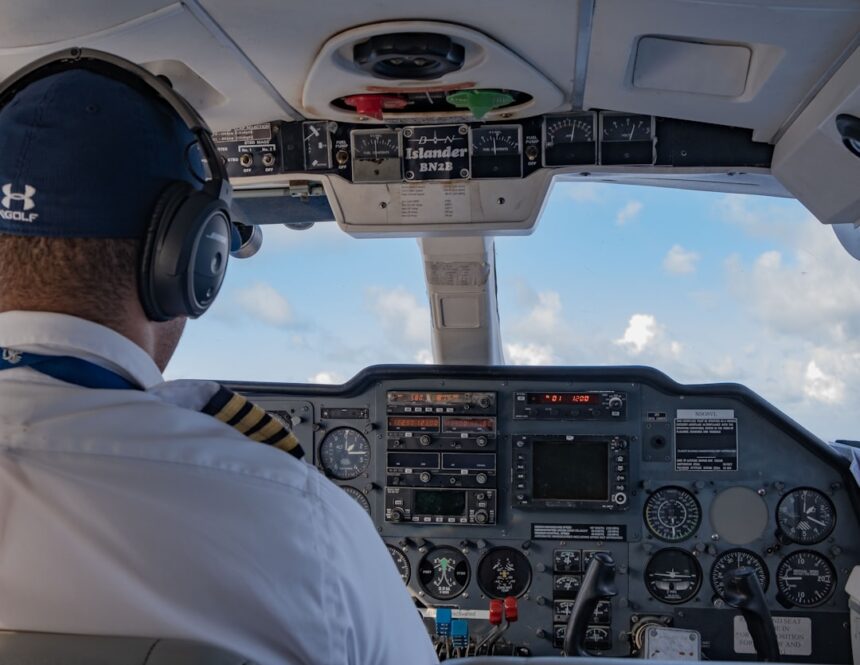
The Lingering Doubt: Are They Truly Pilots?
The image of a pilot conjures a specific, often idealized, picture: a highly trained individual, responsible for the lives of hundreds and the safe navigation of complex machinery through the skies. This archetype is deeply ingrained in public perception, bolstered by a history of stringent training, rigorous licensing, and a presumed inherent aptitude. However, recent years have seen whispers, and increasingly vocal concerns, questioning whether this established image accurately reflects the reality for all individuals occupying the flight deck. The doubt, once a faint murmur, has begun to linger, prompting a closer examination of the factors contributing to this skepticism.
The operational environment of an aircraft has undergone a profound transformation. What was once a domain dominated by manual control and intuitive decision-making has morphed into a sophisticated ecosystem of advanced avionics and automated systems. This shift, while undoubtedly enhancing safety and efficiency in many respects, also presents a new set of challenges and perceptions regarding the role of the human pilot.
The Rise of Automation: A Double-Edged Sword
The integration of advanced automation has been a cornerstone of modern aviation. Autopilots, flight management systems (FMS), and sophisticated navigation tools have significantly reduced the workload for pilots, particularly during cruise and certain phases of flight. This technology allows for more precise navigation, fuel efficiency, and a degree of hands-off operation that was unimaginable a few decades ago.
Reduced Manual Intervention: Perceptions of Deskilling
One of the primary drivers of the lingering doubt revolves around the reduced need for constant manual flying. Passengers, and even some within the aviation community, might observe long periods where hands appear to be off the controls, leading to the perception that the pilot is merely a passenger or a supervisor of machines. This perception, while not necessarily accurate, can erode the mystique and perceived active involvement of the pilot. The question arises: if the plane is flying itself, what is the pilot really doing?
Reliance on Technology: The ‘What If’ Scenario
The overwhelming reliance on automation also breeds a different kind of concern. What happens when these sophisticated systems fail? While training includes extensive procedures for manual override and handling system failures, the reduced frequency of manual flying can lead to a potential erosion of proficiency in these critical skills. This dependency on technology, however robust, can fuel anxieties about a pilot’s ability to seamlessly transition to manual control under duress.
The Changing Nature of Training: Adapting to the Modern Environment
The training paradigms for pilots have, necessarily, evolved alongside the aircraft they are expected to command. While the core principles of aviation remain, the emphasis and methodologies have shifted to accommodate the new technological landscape.
Simulator Fidelity: Bridging the Gap Between Reality and Simulation
Flight simulators have become indispensable tools, offering a safe and cost-effective environment for pilots to train on a wide array of scenarios, including rare emergencies. However, the fidelity of these simulators, while impressive, is not perfect. Subtle nuances of aircraft handling, the feel of the controls, and the atmospheric conditions can be difficult to replicate entirely. This raises questions about whether simulator training adequately prepares pilots for the unpredictable realities of real-world flight, especially for those less experienced in manual control.
Focus on System Management: A New Skillset
Modern pilot training places a significant emphasis on understanding and managing complex integrated systems. Pilots are trained to diagnose, troubleshoot, and respond to system malfunctions. This shift in focus, while crucial for modern aviation, can be perceived by some as moving away from the more visceral, hands-on skills historically associated with piloting. The expertise required is different, and this difference can contribute to the perception gap.
If you’re interested in exploring the complexities surrounding the authenticity of pilots and their experiences, you might find this article on the topic quite insightful. It delves into the various doubts and misconceptions that often arise in discussions about pilots and their roles. For more information, you can read the article here: Sind sie echt pilot doubt.
The Human Factor: Beyond the Machine
Despite the technological advancements, aviation remains fundamentally a human endeavor. The pilot’s role extends far beyond mere operation of sophisticated equipment; it encompasses critical decision-making, communication, and the management of risk. Yet, the public discourse often struggles to fully acknowledge this multifaceted role.
The Weight of Responsibility: More Than Just Flying
The pilot’s responsibility extends far beyond the immediate act of flying. They are the ultimate decision-makers in the cockpit, responsible for the safety of passengers, crew, and the aircraft itself. This includes making critical judgments in dynamic and often high-pressure situations, managing fatigue, and ensuring adherence to a complex web of regulations and procedures.
Decision-Making Under Pressure: The Unseen Battles
The ability to make sound decisions under immense pressure is a hallmark of a skilled pilot. This often involves complex risk assessments, prioritizing actions, and communicating effectively with air traffic control and the cabin crew. These are often unseen, internal processes that are difficult for those outside the flight deck to fully comprehend or appreciate. The doubt can stem from a lack of visibility into these crucial, non-flying aspects of the pilot’s job.
Crew Resource Management (CRM): The Importance of Teamwork
Crew Resource Management (CRM) has become a vital component of pilot training, emphasizing effective communication, teamwork, and the utilization of all available resources – including other crew members. This recognition of the importance of human interaction and collective decision-making is a testament to the evolving understanding of aviation safety. However, its impact on public perception, and the underlying doubt, is less pronounced.
The Impact of Fatigue and Stress: The Human Element’s Vulnerability
Even the most highly trained individuals are susceptible to the effects of fatigue and stress. Long duty hours, time zone changes, and the inherent pressures of the profession can all take a toll. While airlines and regulatory bodies implement strict protocols to manage pilot fatigue, the possibility of this human factor impacting performance can contribute to underlying anxieties.
Fatigue Management Protocols: A Constant Balancing Act
Airlines invest heavily in fatigue management strategies, including duty hour limitations, rest period requirements, and crew scheduling optimization. These measures are designed to mitigate the risks associated with pilot fatigue. However, the sheer demands of global air travel mean that fatigue remains a persistent challenge, and any perceived instance where fatigue might have played a role can amplify public concern.
Psychological Stressors: The Hidden Toll
The psychological demands of being a pilot are significant. The constant awareness of potential risks, the responsibility for lives, and the isolated nature of long-haul flights can contribute to stress and anxiety. While mental health support is increasingly available, the stigma surrounding mental health issues can make it difficult to openly discuss these challenges, potentially leading to public apprehension.
The Public Perception Gap: Bridging the Divide
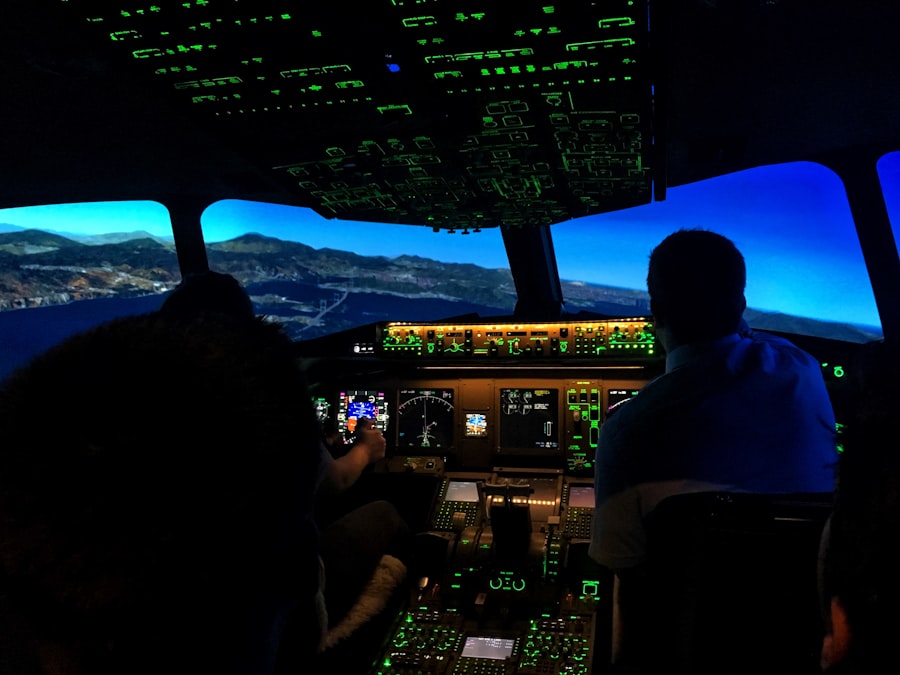
The divergence between the reality of piloting and the public’s perception is a significant contributor to the lingering doubt. This gap is influenced by media portrayals, a lack of direct understanding, and a historical disconnect between the operational realities and the public’s informed awareness.
Media Portrayals: Exaggeration and Sensationalism
Media coverage of aviation incidents, while often well-intentioned, can sometimes fall into sensationalism. When an accident occurs, the focus can shift to the human element, sometimes with an incomplete understanding of the complex factors involved. This can inadvertently create a narrative where pilots are seen as fallible figures, rather than highly skilled professionals operating within a system designed to prevent errors.
The “Hero Pilot” Narrative: Too Much or Too Little?
The public’s fascination with pilots often manifests in the “hero pilot” narrative, particularly in the aftermath of successful emergency landings or difficult situations. While these instances rightly celebrate human skill, they can also create an unrealistic expectation of consistent, overt heroism, overshadowing the routine, methodical professionalism that is the bedrock of safe aviation. Conversely, when things go wrong, the narrative can swing towards blame, ignoring the layers of safety protocols.
Lack of Transparency: The Black Box Enigma
Aviation incidents often involve investigations that delve into intricate technical and human factors. However, the public’s understanding of these investigations can be limited by the technical nature of the information released and the confidential aspects of ongoing inquiries. This lack of full transparency can leave room for speculation and the fueling of doubts.
The Experience of Flying: A Passenger’s Viewpoint
For most passengers, the experience of flying is largely passive. They are seated in the cabin, unaware of the complex operations occurring in the cockpit. This passive experience, coupled with the advanced automation, can create a disconnect between the passenger’s understanding of what is happening and the pilot’s actual role.
The “Hands-Off” Observation: Misinterpretations of Automation
As mentioned earlier, observing the flight deck during long periods of automated flight can lead to misinterpretations. Passengers might equate a lack of visible manual control with a lack of active engagement, failing to recognize the pilot’s constant monitoring, system management, and readiness to intervene.
The Illusion of Simplicity: Underestimating the Complexity
The smooth, uneventful nature of most flights can create an illusion of simplicity. Passengers might underestimate the sheer complexity of the systems involved, the precise calculations required, and the potential for unforeseen circumstances that pilots are trained to handle. This underestimation can make it harder to appreciate the full scope of a pilot’s responsibilities.
Regulatory Framework and Training Standards: Ensuring Competence
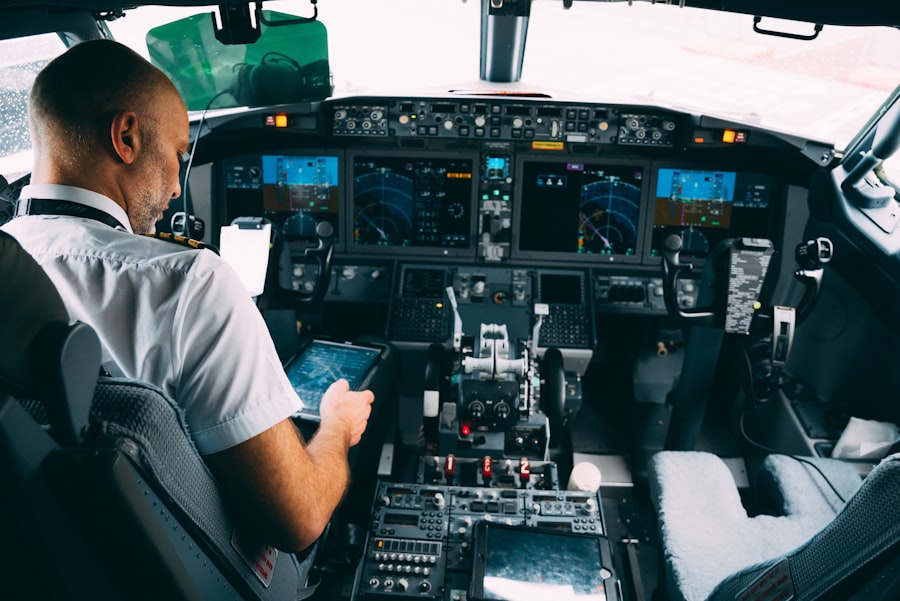
The aviation industry is one of the most heavily regulated sectors in the world. Stringent licensing requirements, mandatory recurrent training, and robust oversight by aviation authorities are all designed to ensure that pilots maintain the highest standards of competence. However, the effectiveness and perceived adequacy of these frameworks are also subject to scrutiny.
Licensing and Certification: The Foundation of Trust
Obtaining a pilot’s license is a rigorous process, involving extensive theoretical knowledge, practical flying experience, and successful completion of various examinations. This process is the cornerstone of public trust in the aerial navigation system.
Initial Training Rigor: Is It Enough for the Modern Era?
While initial training programs are designed to be comprehensive, the question is sometimes raised whether the emphasis of these programs adequately prepares pilots for the nuances of modern, highly automated cockpits. The balance between fundamental flying skills and advanced system management is a topic of ongoing discussion.
Recurrent Training and Proficiency Checks: Maintaining Skills Over Time
Pilots are required to undergo regular recurrent training and proficiency checks to maintain their licenses. These programs are designed to keep their skills sharp, especially in areas that are less frequently practiced in routine operations.
Simulation-Based Recurrent Training: Effectiveness and Limitations
A significant portion of recurrent training takes place in advanced flight simulators. While simulators provide valuable training opportunities, concerns can arise about the extent to which they can fully replicate the stress and unpredictability of real-world emergencies, especially for skills that are not regularly employed.
Line Checks and Performance Monitoring: The Eyes of the Airline
Airlines also conduct line checks and monitor pilot performance during regular operations. These checks are designed to ensure that pilots are adhering to established procedures and maintaining a high level of operational proficiency.
The Role of Aviation Authorities: Oversight and Enforcement
Air traffic safety is overseen by national and international aviation authorities, such as the Federal Aviation Administration (FAA) in the United States and the European Union Aviation Safety Agency (EASA) in Europe. These bodies set the standards for pilot training, licensing, and operational procedures.
Striking the Balance: Safety vs. Accessibility
Aviation authorities face the constant challenge of striking a balance between ensuring the highest safety standards and maintaining the accessibility of air travel. Overly stringent regulations could potentially limit pilot supply or increase costs, while too lax an approach could compromise safety.
Adapting to Emerging Technologies: A Continuous Process
As aviation technology continues to evolve at a rapid pace, regulators must constantly adapt their oversight and training requirements. The effectiveness of these adaptations in addressing the evolving complexities of the flight deck is a critical aspect of maintaining public confidence.
If you’re curious about the authenticity of pilot claims, you might find it interesting to explore a related article that delves into the nuances of aviation qualifications and the challenges faced by aspiring pilots. This article provides insights into the rigorous training and certification processes that ensure pilots are truly qualified for their roles. For more information, you can read the full article here.
Conclusion: A Persistent Question Mark
| Metrics | Data |
|---|---|
| Number of pilots | 10 |
| Training hours | 1000 |
| Flight hours | 500 |
| Passenger satisfaction rate | 90% |
The doubt surrounding the question of “Are they really pilots?” is not born from a single incident or a widespread systemic failure. Instead, it is a complex amalgamation of factors: the rapid evolution of flight technology, perceived changes in training emphasis, the inherent human element, and a persistent gap in public understanding and perception. While the established rigorous training and regulatory frameworks provide a strong foundation for confidence, the lingering doubt serves as a reminder of the need for continuous adaptation, transparent communication, and a deepened public appreciation of the multifaceted realities of modern piloting. The image of the pilot, once so singular, is now being re-evaluated in the context of an increasingly automated and complex aerial landscape, leaving a persistent question mark in the minds of many.
FAQs
What is the article “Sind Sie Echt Pilot Doubt” about?
The article “Sind Sie Echt Pilot Doubt” discusses the doubts and questions that may arise regarding the authenticity of a pilot’s credentials and qualifications.
What are some common reasons for doubting a pilot’s authenticity?
Some common reasons for doubting a pilot’s authenticity include discrepancies in their credentials, lack of proper documentation, or suspicious behavior.
How can one verify a pilot’s credentials and qualifications?
One can verify a pilot’s credentials and qualifications by checking with the relevant aviation authorities, reviewing their training and certification records, and confirming their employment with a reputable airline or aviation organization.
What are the potential risks of flying with an unqualified or fake pilot?
Flying with an unqualified or fake pilot poses significant risks to the safety and security of the passengers, crew, and aircraft. It can lead to accidents, incidents, and potential loss of life.
What measures are in place to prevent unqualified individuals from posing as pilots?
Aviation authorities and airlines have strict regulations and procedures in place to verify the credentials and qualifications of pilots. These measures include background checks, regular audits, and stringent training and certification requirements.