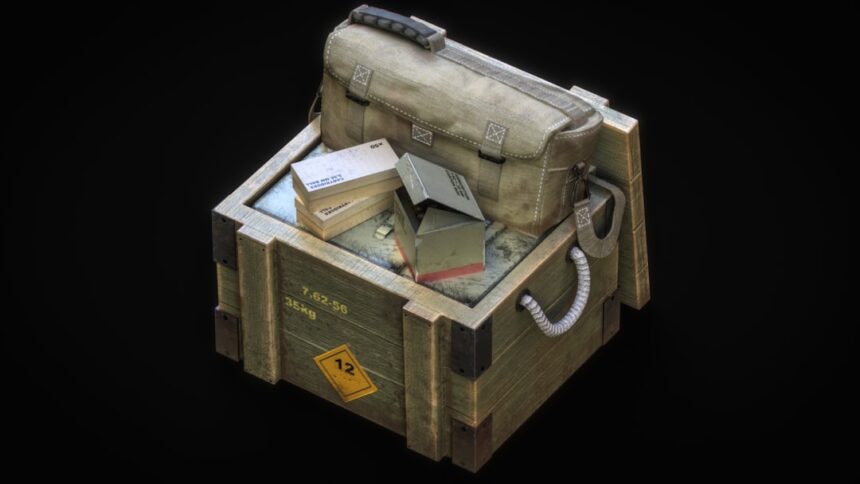
The vast machinery of modern warfare operates on more than just troop movements and strategic deployments. Underlying every successful military operation, from humanitarian aid to large-scale combat, lies a complex and often invisible network: military logistics. This invisible ballet of supply, transportation, and maintenance is the lifeblood of any armed force, ensuring that personnel and equipment are where they need to be, when they need to be there, and in optimal working condition. To truly comprehend the capabilities of a military, one must delve beneath the surface and understand the hidden gears that make it all turn.
The military supply chain is not merely about delivering ammunition and rations; it is a sophisticated system designed for resilience, efficiency, and adaptability. It encompasses the full lifecycle of materiel, from procurement and storage to distribution and disposal. Think of it as the circulatory system of the military body, delivering vital nutrients and oxygen to every limb without which the body fails.
Procurement: Acquiring the Tools of the Trade
The process of acquiring the vast array of goods and services required by a military is a colossal undertaking. This involves everything from the mundane – uniforms and food – to the highly specialized – advanced weaponry and cutting-edge technology.
Strategic Sourcing and Long-Term Contracts
A significant portion of military procurement relies on strategic sourcing, identifying and cultivating relationships with reliable suppliers capable of meeting stringent quality and quantity requirements. Long-term contracts are often established to ensure a steady and predictable supply of essential items, mitigating the risks associated with market fluctuations and geopolitical instability. These contracts are forged like high-strength alloys, designed to withstand immense pressure and maintain integrity over extended periods.
The Role of Defense Contractors
Private defense contractors play a crucial role in the modern military procurement ecosystem. They provide specialized goods and services, from aircraft maintenance to sophisticated cyber warfare tools, often bringing expertise and flexibility that internal military structures may lack. Understanding their capabilities and limitations is integral to successful acquisition.
Inventory Management: Balancing Needs and Resources
Effective inventory management is a delicate balancing act. Holding too much stock ties up capital and creates storage burdens, while insufficient stock can lead to critical shortages during operations.
Just-in-Time vs. Strategic Stockpiling
The military grapples with the classic logistics dilemma of just-in-time (JIT) delivery versus strategic stockpiling. While JIT can reduce warehousing costs, it can be vulnerable to disruptions. Strategic stockpiles, on the other hand, provide a buffer against unforeseen events but require significant investment in storage facilities and maintenance. This is akin to a chef deciding whether to rely on fresh ingredients delivered daily or to maintain a well-stocked pantry for all eventualities.
The Impact of Technology on Inventory Control
Modern technologies, such as radio-frequency identification (RFID) tags and sophisticated inventory management software, have revolutionized military inventory control, providing real-time visibility and enabling more precise forecasting and replenishment.
Understanding the hidden gears of military logistics is crucial for comprehending how armed forces operate effectively in various environments. For a deeper dive into this topic, you can explore the article titled “The Backbone of Military Operations,” which discusses the intricate supply chains and logistical strategies that support military missions. To read more about it, visit this link.
The Arteries: Transportation and Distribution Networks
Once procured and stored, materiel must be moved to its intended destinations. This necessitates a robust and multi-modal transportation network capable of operating in diverse environments and under demanding conditions.
Modes of Military Transport
The military utilizes a wide array of transportation methods, each suited to different operational requirements and geographical challenges.
Air Transport: Speed and Reach
Military air transport, encompassing cargo planes, helicopters, and specialized aerial delivery systems, offers unmatched speed and reach. It is crucial for rapid deployment, emergency resupply, and reaching otherwise inaccessible locations. However, it is also the most expensive mode of transport and can be vulnerable to airspace control issues.
Sea Transport: Volume and Endurance
Naval transport, from large container ships to amphibious assault vessels, is the backbone for moving substantial volumes of equipment and supplies over long distances. Its capacity and endurance are unparalleled but are inherently slower and require secure sea lanes.
Land Transport: Flexibility and Ground Presence
The deployment of trucks, trains, and armored vehicles on land provides flexibility and direct access to ground forces. This mode is essential for tactical resupply and maintaining a visible presence in operational areas, but it can be susceptible to terrain limitations and enemy interdiction.
Distribution Hubs and Forward Basing
The strategic placement of distribution hubs and forward operating bases is critical for efficient delivery. These points act as staging areas, allowing for the consolidation and onward movement of supplies closer to the point of need.
The Role of Logistics Support Vessels
Specialized vessels designed for logistical support, such as roll-on/roll-off (Ro-Ro) ships and auxiliary cruisers, are vital for projecting and sustaining forces abroad. They function as floating warehouses and mobile command centers for logistical operations.
Challenges of Operating in Contested Environments
Operating transportation and distribution networks in contested or denied environments presents significant challenges. Threats from enemy forces, adverse weather, and damaged infrastructure can severely impede or halt the flow of vital supplies.
The Nervous System: Information and Communication
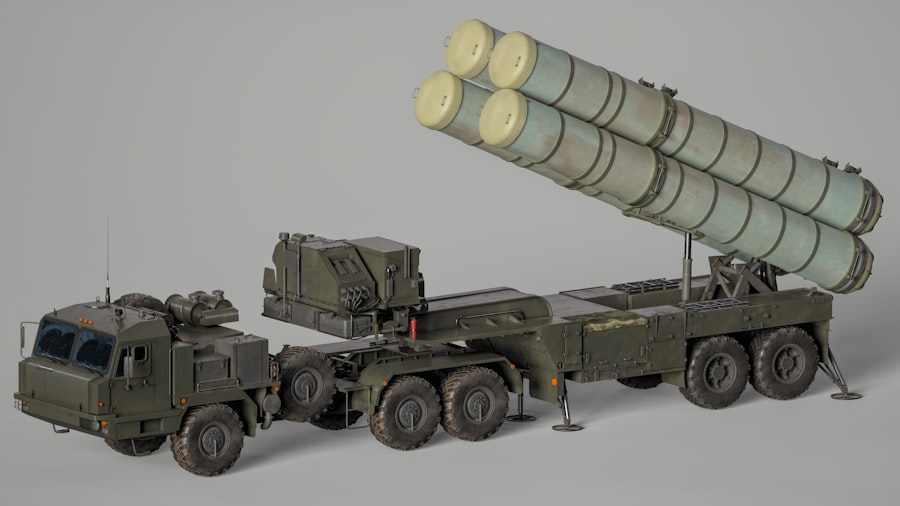
The efficiency of military logistics is intrinsically linked to the reliability and sophistication of its information and communication systems. This “nervous system” transmits data seamlessly, enabling proactive decision-making and responsive adjustments.
Logistics Management Systems (LMS)
Modern military logistics relies heavily on integrated Logistics Management Systems (LMS). These software platforms provide a comprehensive view of the entire supply chain, from procurement orders to equipment status.
Real-Time Tracking and Data Analytics
The ability to track materiel in real-time, coupled with advanced data analytics, allows logisticians to identify bottlenecks, predict potential shortages, and reallocate resources dynamically. This continuous flow of information is like the constant feedback loop in a complex machine, ensuring optimal performance.
Predictive Maintenance and Demand Forecasting
LMS enables predictive maintenance for vehicles and equipment, reducing downtime and ensuring operational readiness. Furthermore, accurate demand forecasting, informed by historical data and operational intelligence, minimizes wasteful overstocking and prevents critical understocking.
Communication Networks and Command Structures
Robust communication networks are essential for coordinating the movement of supplies and personnel. These networks connect disparate logistical units, command centers, and operational units, ensuring that information flows unimpeded.
Interoperability of Communication Systems
Ensuring interoperability between different communication systems, especially in multinational operations, is a persistent challenge. The ability for diverse units to share information seamlessly is crucial for coherent logistical support.
The Impact of Cyber Warfare on Logistics
The vulnerability of communication and information systems to cyber warfare poses a significant threat to military logistics. Disruption of these networks can cripple supply lines and severely impact military operations.
The Maintenance Crew: Sustainment and Repair
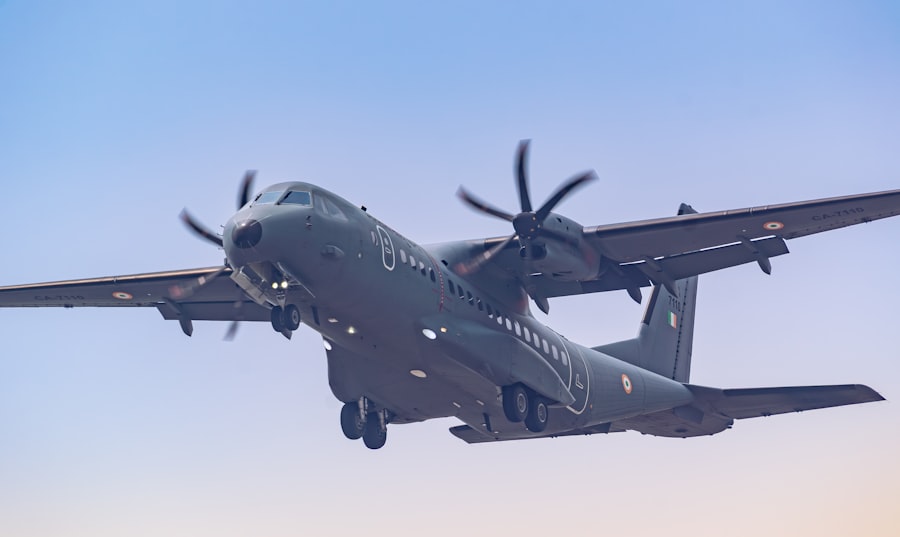
The relentless demands of military operations place immense strain on equipment and vehicles. Effective sustainment and repair operations are vital to keeping these assets functional and mission-ready.
Field Maintenance vs. Depot Maintenance
Military maintenance is broadly categorized into field maintenance, performed by units on-site, and depot maintenance, undertaken at specialized facilities for more complex repairs and overhauls.
Empowering Unit-Level Technicians
Investing in training and equipping unit-level technicians empowers them to perform routine maintenance and minor repairs, significantly reducing reliance on external support and minimizing downtime.
The Role of Specialized Repair Depots
Depot-level maintenance facilities house specialized equipment and highly skilled personnel for engine overhauls, complex electronic repairs, and refurbishment of major weapon systems. These are the specialized workshops that bring critically damaged machines back to full operational capacity.
Spare Parts Management and Readiness
The availability of appropriate spare parts is paramount to effective maintenance. Managing this complex inventory, often involving thousands of different components, directly impacts operational readiness.
The Challenge of Obsolescence
Ensuring the availability of spare parts for older equipment can be a significant challenge as manufacturers cease production. This necessitates proactive obsolescence management and, if necessary, reverse engineering efforts.
The Impact of Wear and Tear in Expeditionary Operations
Operations in harsh expeditionary environments, characterized by dust, extreme temperatures, and limited resources, accelerate wear and tear on equipment, increasing the demand for maintenance and spare parts.
Understanding the intricate workings of military logistics is crucial for comprehending how armed forces operate effectively in various environments. A related article that delves deeper into this topic can be found on In the War Room, where it explores the hidden gears that keep military operations running smoothly. For those interested in learning more about this essential aspect of defense strategy, you can read the article here.
The Human Element: The Logisticians Themselves
| Metric | Description | Typical Value / Range | Impact on Military Operations |
|---|---|---|---|
| Supply Chain Lead Time | Time taken from order placement to delivery of supplies | 24-72 hours (varies by location and urgency) | Critical for maintaining operational readiness and troop sustainment |
| Inventory Turnover Rate | Frequency at which inventory is replenished | 4-6 times per month | Ensures fresh and adequate stock levels, reduces waste |
| Transportation Capacity Utilization | Percentage of available transport assets actively used | 70-90% | Maximizes efficiency of logistics movement and resource allocation |
| Fuel Consumption Rate | Average fuel used per vehicle per 100 km | 30-50 liters per 100 km (varies by vehicle type) | Impacts operational range and resupply frequency |
| Equipment Maintenance Turnaround Time | Time required to repair and return equipment to service | 12-48 hours | Maintains combat readiness and reduces downtime |
| Personnel Training Hours | Average hours spent training logistics personnel annually | 100-150 hours | Improves efficiency and accuracy in logistics operations |
| Warehouse Storage Capacity | Volume of supplies that can be stored at a logistics hub | 10,000 – 50,000 cubic meters | Supports sustained operations and rapid deployment |
| Order Accuracy Rate | Percentage of orders delivered without errors | 98-99% | Reduces delays and ensures correct supply distribution |
Behind the sophisticated systems, advanced technology, and vast networks are the logisticians – the individuals responsible for orchestrating this complex endeavor. Their expertise, dedication, and adaptability are the true driving force behind successful military logistics.
Training and Education of Logistical Personnel
Comprehensive training programs are essential for developing skilled logisticians. This includes technical training in areas like supply chain management, transportation, and maintenance, as well as leadership and decision-making skills.
The Importance of Adaptability and Problem-Solving
Military logisticians often operate in highly dynamic and unpredictable environments. The ability to adapt to changing circumstances, creatively solve unforeseen problems, and maintain composure under pressure is a hallmark of effective logistical support.
The Future of Military Logistics: Innovation and Resilience
The landscape of military logistics is constantly evolving, driven by technological advancements and the changing nature of warfare. Future operations will demand even greater agility, resilience, and technological integration.
The Rise of Autonomous Systems and AI
The integration of autonomous vehicles for transportation and delivery, as well as artificial intelligence for predictive analytics and decision support, promises to revolutionize military logistics, enhancing efficiency and reducing human risk.
Building Resilient and Agile Supply Chains
The lessons learned from recent global disruptions highlight the critical need for building military supply chains that are not only efficient but also inherently resilient to shocks and disruptions. This involves diversification of sources, robust contingency planning, and the ability to rapidly reconfigure logistical networks.
In conclusion, military logistics is far more than a supporting function; it is a critical enabler of military power. Understanding its intricate workings, from the granular details of procurement to the strategic oversight of information systems, provides a fundamental insight into the capabilities and limitations of any armed force. It is the silent architect of victory, the unseen guardian of readiness, and the essential component that allows military objectives to be realized, even in the face of overwhelming odds.
FAQs
What is military logistics?
Military logistics refers to the planning, coordination, and movement of resources such as personnel, equipment, and supplies to support military operations effectively.
Why are logistics considered the “hidden gears” of military operations?
Logistics are often called the “hidden gears” because they operate behind the scenes, ensuring that troops have the necessary supplies and support, which is crucial for mission success but not always visible to the public.
What are the main components of military logistics?
The main components include transportation, supply chain management, maintenance, medical support, and infrastructure development to sustain military forces in various environments.
How does military logistics impact the outcome of conflicts?
Effective logistics can determine the speed, efficiency, and endurance of military forces, directly influencing the success or failure of operations and overall conflict outcomes.
What technologies are used in modern military logistics?
Modern military logistics utilize technologies such as GPS tracking, automated inventory systems, drones for delivery, and advanced communication networks to enhance coordination and efficiency.