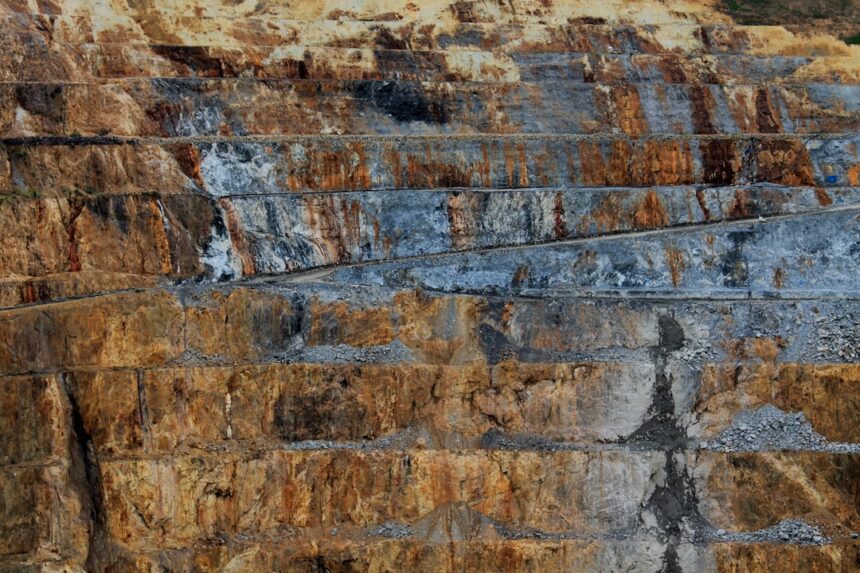
The Sahel region, a vast and arid expanse straddling the Sahara Desert and the Sudanian savanna, has long been a geological treasure trove, particularly in its gold deposits. However, this potential wealth has also drawn the attention of illicit actors, fueling instability and conflict. In response to the escalating security challenges surrounding these vital mineral resources, the Africa Corps has reportedly undertaken a significant operational role. This article examines the multifaceted aspects of securing Sahel gold mines, focusing on the reported involvement of the Africa Corps and the broader implications for regional stability and resource management.
Ancient Routes of Trade and Power
The Sahel’s relationship with gold is not a recent phenomenon. For millennia, the region has been a source of precious metals, forming the backbone of trans-Saharan trade routes that connected West Africa with North Africa and the Mediterranean world. Empires like Ghana, Mali, and Songhai rose to prominence largely on the back of their control over these goldfields. The sheer volume and purity of Sahelian gold were legendary, fueling economies and shaping political landscapes for centuries. These historical precedents underscore the enduring economic and strategic importance of the region’s mineral wealth.
Modern Day Exploitation and Economic Impact
In contemporary times, the discovery and exploitation of significant gold deposits have continued to shape the economic fortunes of Sahelian nations. Countries like Burkina Faso, Mali, and Niger are major gold producers, with the sector representing a crucial source of foreign exchange, employment, and government revenue. However, the benefits of this natural bounty have often been unevenly distributed, leading to grievances and contributing to the socio-economic imbalances that can be exploited by insurgent groups. The allure of quick riches, both legal and illicit, continues to be a potent force in the region.
In recent discussions surrounding the security challenges faced by gold mines in the Sahel region of Africa, the article “The Role of Africa Corps in Securing Gold Mines” provides valuable insights into the complexities of maintaining safety in these high-risk areas. The piece explores the involvement of local security forces and international partnerships in combating threats from insurgents and ensuring the stability necessary for mining operations. For further details, you can read the full article here: The Role of Africa Corps in Securing Gold Mines.
The Evolving Security Landscape
Rise of Non-State Armed Groups
The security vacuum in parts of the Sahel, exacerbated by weak governance, poverty, and the influx of weapons, has created fertile ground for the proliferation of non-state armed groups. These groups, ranging from ethnically based militias to transnational jihadist organizations, have increasingly targeted and infiltrated artisanal and large-scale mining operations. For them, gold mines represent not just a source of revenue to fund their activities but also strategic assets that can be controlled to exert influence and project power. This symbiotic relationship between armed groups and resource control forms a complex knot that is difficult to untangle.
Artisanal Mining and Its Vulnerabilities
Artisanal and small-scale gold mining (ASGM) is a significant economic activity in the Sahel, providing livelihoods for millions of people. However, these operations are often characterized by rudimentary techniques, poor safety standards, and a lack of formal regulation. This makes them particularly vulnerable to exploitation and encroachment by armed groups. Artisanal miners can be coerced into working for insurgents, their gold diverted, or their sites used as safe havens. The informal nature of much ASGM makes it a difficult environment to police and track, akin to chasing shadows in the desert.
The Strategic Importance of Gold for Insurgency
For armed groups operating in the Sahel, gold has become a vital financial lifeline. The profits derived from taxing artisanal miners, controlling mining sites, or directly engaging in extraction can fund the purchase of weapons, the recruitment of fighters, and the expansion of their territorial influence. This financial independence allows them to operate with a degree of autonomy from external funding sources, making them more resilient and harder to defeat. The flow of gold, therefore, directly correlates with the operational capacity of these groups, making its control a critical battlefield.
Africa Corps’ Operational Mandate and Approach
Formation and Objectives of Africa Corps
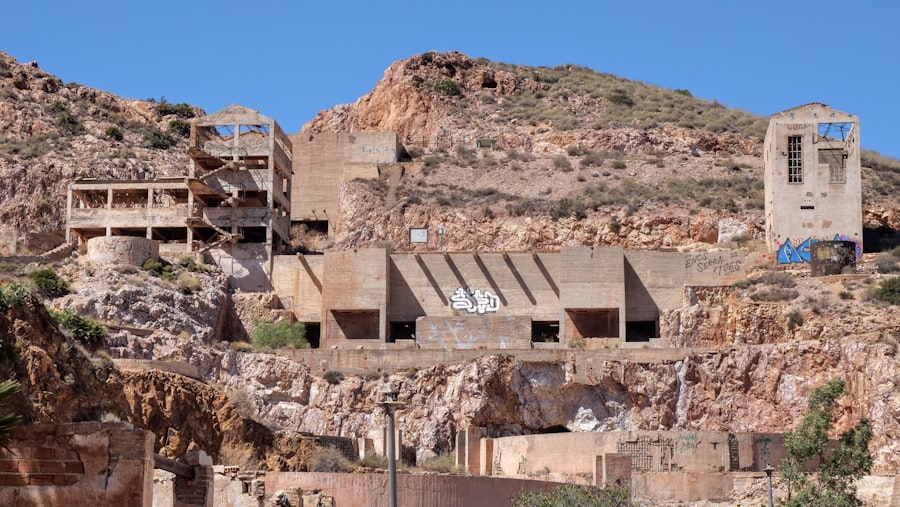
The Africa Corps, a private military and security company, has reportedly been contracted to provide security services for select gold mining operations in the Sahel. While details of their contracts and specific mandates are often confidential, their stated objective is to enhance the safety and security of mining sites, protect personnel and assets, and deter illegal activities. This involves establishing a robust security presence, implementing surveillance measures, and potentially engaging in defensive operations. Their presence marks a deviation from solely relying on state security forces, which have often been stretched thin and face their own capacity limitations.
Methodologies in Securing Mining Sites
The Africa Corps’ approach to securing gold mines is likely to encompass a multi-pronged strategy. This could include:
Perimeter Security and Access Control
Establishing secure perimeters around mining areas is a fundamental first step. This involves physical barriers, checkpoints, and regular patrols to prevent unauthorized access by armed groups or illegal miners. The goal is to create a controlled environment that minimizes points of vulnerability.
Intelligence Gathering and Surveillance
Effective intelligence gathering is crucial for anticipating threats. This can involve sophisticated surveillance technologies, such as drones and sensor networks, as well as human intelligence gathering through local networks. Understanding the patterns of movement and intentions of potential adversaries is akin to a skilled navigator charting a course through treacherous waters.
Response Force Deployment
When threats are identified, swift and effective response forces are necessary to neutralize them. This could involve trained security personnel equipped to handle a range of security incidents, from small-scale incursions to more significant attacks.
Collaboration with Local Security Forces
While private entities may provide specialized security, effective security in the long term often relies on integration with and support for national security forces. Collaboration can involve training, joint patrols, and information sharing to build the capacity of local authorities to eventually assume full responsibility.
Challenges and Criticisms
The involvement of private military companies like the Africa Corps is not without its challenges and criticisms.
Sovereignty Concerns
The deployment of foreign private security actors can raise questions about national sovereignty and the role of state security institutions. Concerns are often voiced about who ultimately holds authority and accountability for security operations.
Accountability and Transparency
Ensuring accountability for the actions of private security personnel can be complex. Issues of transparency regarding their rules of engagement, use of force, and any incidents that occur are paramount. This is a delicate balancing act, like walking a tightrope between necessity and oversight.
Potential for Escalation
While intended to deter conflict, the presence of armed private security forces could, in some scenarios, inadvertently lead to escalation if not managed carefully. The presence of well-armed groups, whether state-sanctioned or private, can alter the dynamics on the ground.
Impact on Regional Stability and Resource Governance
Deterrence of Illegal Activities
A primary objective of the Africa Corps’ involvement is to deter illegal mining and the activities of armed groups that prey on these operations. By creating a more secure environment, it is hoped that the flow of illicit funds to insurgent networks will be disrupted, thereby weakening their capacity to operate. This aims to starve the hydra of its financial sustenance.
Supporting Legitimate Economic Development
By securing mining operations from disruption, the Africa Corps’ presence could potentially allow for the continuation and expansion of legitimate gold extraction. This can translate into increased revenue for host governments, job creation for local communities, and greater investment in the sector, contributing to economic development.
Implications for Artisanal Miners
The impact on artisanal miners can be varied. If security measures are implemented with community engagement and alternative livelihood programs, it could lead to better protection and improved working conditions. However, if security operations are perceived as alienating or exclusionary, they could further marginalize these communities. Understanding their needs and integrating them into the security framework is crucial for success.
The Long-Term Vision: State Ownership
The ultimate goal for many observers of Sahelian security is the strengthening of state capacity to provide its own security and manage its resources. The involvement of private entities is often viewed as a transitional measure. The long-term vision involves building robust national security forces, improving governance, and establishing transparent and equitable resource management systems that benefit the entire population. This is akin to nurturing a sapling until it can stand tall on its own.
The security situation surrounding the Sahel gold mines has become increasingly complex, with various factions vying for control and influence in the region. A related article discusses the role of the Africa Corps in providing security for these vital resources, highlighting the challenges they face in maintaining stability. For more insights on this topic, you can read the article here, which delves into the implications of mining operations on local communities and the broader geopolitical landscape.
Broader Geopolitical and Economic Context
| Metric | Details |
|---|---|
| Location | Sahel Region, West Africa |
| Security Provider | Africa Corps Security |
| Number of Mines Secured | 5 Major Gold Mines |
| Security Personnel Deployed | Approximately 300 |
| Security Measures | Armed Patrols, Surveillance Drones, Perimeter Fencing, Access Control |
| Incidents Reported (Last 12 Months) | 3 Minor Security Breaches |
| Response Time to Incidents | Under 15 Minutes |
| Collaboration with Local Authorities | Regular Coordination Meetings and Joint Patrols |
| Training Programs | Monthly Security Drills and Anti-Terrorism Training |
| Technology Utilized | Night Vision Cameras, Motion Sensors, GPS Tracking |
Competition for Resources
The Sahel’s gold reserves are part of a broader geopolitical landscape where competition for natural resources is a significant factor. Various state and non-state actors have interests in the region, and the security of mining operations can be influenced by these wider dynamics. This competition can be subtle, like currents beneath the surface, shaping events in ways not always immediately apparent.
The Role of International Partners
International partners often play a role in supporting security sector reform, development initiatives, and counter-terrorism efforts in the Sahel. The involvement of private security companies can sometimes intersect with or complement these broader international efforts, though coordination and alignment of objectives are essential for effectiveness.
The Interplay of Security and Development
The security challenges in the Sahel are deeply intertwined with broader development issues. Poverty, lack of opportunities, and political marginalization can drive individuals towards extremism and illicit activities. Therefore, any effective security strategy must be complemented by robust development programs that address the root causes of instability. This is a delicate but necessary dance between ensuring order and fostering prosperity.
Conclusion: Towards Sustainable Security
The security of Sahel gold mines is a complex challenge with no easy solutions. The reported involvement of the Africa Corps highlights the evolving nature of security provision in the region, driven by the persistent threats posed by non-state armed groups and the need to protect valuable economic resources. While such private security interventions may offer immediate benefits in terms of deterrence and protection, their long-term efficacy is dependent on several factors: robust oversight, clear lines of accountability, meaningful engagement with local communities, and a sustained commitment to strengthening national security institutions and governance structures. The ultimate goal must be to transition from reliance on external security actors to a future where Sahelian states can independently secure their territories and ensure that their natural wealth benefits their people, fostering a more stable and prosperous future. The path forward requires a delicate balancing act, a commitment to collaboration, and a clear understanding of the intricate tapestry of security, development, and governance that defines the Sahel.
FAQs
What is the significance of gold mines in the Sahel region?
Gold mines in the Sahel region are important economic assets, contributing to local and national economies through employment, trade, and revenue generation. The Sahel’s gold deposits attract both artisanal miners and larger mining companies.
Who are the Africa Corps involved in Sahel gold mine security?
The Africa Corps refers to specialized security forces or private military companies operating in the Sahel to protect mining sites, personnel, and infrastructure from threats such as armed groups, bandits, and insurgents.
What security challenges do gold mines in the Sahel face?
Gold mines in the Sahel face security challenges including attacks by militant groups, theft, illegal mining activities, and conflicts between local communities and mining operators, which can disrupt operations and endanger workers.
How does the presence of Africa Corps impact mining operations in the Sahel?
The deployment of Africa Corps security personnel helps to safeguard mining sites, reduce incidents of violence and theft, and create a more stable environment for mining activities, thereby supporting continuous production and investment.
Are there any environmental or social concerns related to gold mining in the Sahel?
Yes, gold mining in the Sahel can lead to environmental degradation such as deforestation, water pollution, and soil erosion. Social concerns include displacement of communities, labor rights issues, and conflicts over resource control, which require careful management and regulation.