
The landscape of global security is in a perpetual state of flux. As geopolitical tensions ebb and flow, and the nature of conflict evolves, so too must the strategies and technologies employed to safeguard nations, infrastructure, and populations. Defense systems, once confined to the tangible realm of ballistic missiles and armored vehicles, have expanded to encompass intricate networks of intelligence, sophisticated cyber defenses, and adaptive autonomous platforms. This article delves into the cutting edge of defense systems, examining the advancements that are fortifying against the ever-evolving array of threats.
The cornerstone of any effective defense strategy lies in the ability to detect threats early and understand the unfolding situation with clarity. This foundational capability, much like a vigilant sentry on a high wall, provides the crucial foresight needed to react effectively. Recent developments in sensor technology, data fusion, and artificial intelligence are dramatically enhancing this critical area.
Advanced Radar and Sensor Networks
The traditional radar dish, a familiar symbol of defense, is undergoing a significant transformation. Modern radar systems are no longer limited to simple detection. They are becoming increasingly sophisticated, employing phased-array technology that allows for rapid beam steering without mechanical movement. This enables them to track multiple targets simultaneously with greater precision and at extended ranges. Furthermore, the integration of artificial intelligence allows these systems to differentiate between genuine threats and benign objects, such as flocks of birds or atmospheric anomalies, thereby reducing false alarms and optimizing reaction times.
Multi-Static and Bi-Static Radar Systems
Beyond traditional monostatic radar, which transmits and receives from a single point, multi-static and bi-static configurations are gaining prominence. In these setups, transmitters and receivers are separated, offering distinct advantages. Multi-static systems, with their multiple transmit and receive nodes, can create a more comprehensive picture of an area, making it harder for stealthy targets to evade detection. Bi-static systems, on the other hand, can operate more covertly, as the transmitter and receiver can be positioned in locations that are less susceptible to jamming or exploitation.
Infrared and Electro-Optical Sensors
While radar excels at detecting physical objects, infrared (IR) and electro-optical (EO) sensors provide complementary information, particularly regarding heat signatures and visual identification. Advances in IR technology have led to smaller, more sensitive detectors capable of operating in a wider range of atmospheric conditions. EO systems are now incorporating higher resolution cameras, advanced image processing algorithms powered by AI, and even hyperspectral imaging capabilities that can identify the unique spectral signatures of various materials, aiding in target recognition and classification.
The Power of Data Fusion and AI
The sheer volume of data generated by these advanced sensors can be overwhelming. The true power of modern defense lies not just in collecting data, but in intelligently fusing it to create a coherent and actionable intelligence picture. This is where artificial intelligence plays a pivotal role.
Real-Time Threat Assessment
AI algorithms are being developed to process vast streams of sensor data in real-time, identifying patterns, anomalies, and potential threats that might be missed by human operators. For instance, an AI system can correlate data from radar, satellite imagery, electronic intelligence, and open-source information to build a dynamic understanding of an adversary’s intentions and capabilities. This can manifest as an early warning system that flags unusual troop movements or a surge in electronic emissions from a particular region.
Predictive Analysis and Threatcasting
Looking beyond immediate detection, AI is also being employed for predictive analysis. By analyzing historical data and current trends, these systems can forecast potential future threats, allowing for proactive defense planning. This is akin to a meteorologist predicting a storm days in advance, enabling preparations to mitigate its impact. Threatcasting models can identify areas of vulnerability, predict likely attack vectors, and even suggest optimal defensive postures.
In recent discussions about advancements in military technology, the article on defense systems featured on In The War Room provides valuable insights into the latest innovations and strategies being implemented across various nations. This comprehensive analysis highlights the importance of integrating cutting-edge technology into defense frameworks to enhance national security. For more information, you can read the article here: In The War Room.
Escalating the Battle in Cyberspace
The digital realm has become a critical battlefield, with adversaries probing and exploiting vulnerabilities in interconnected systems. Fortifying against cyber threats requires a multi-layered approach, encompassing proactive defense, rapid incident response, and resilient infrastructure. The digital air traffic control tower for national security, as it were, needs constant vigilance and robust firewalls.
Proactive Cybersecurity Measures
Prevention is invariably better than cure, and in cyberspace, this translates to a robust framework of cybersecurity measures designed to keep adversaries out.
Network Segmentation and Zero Trust Architectures
Traditional security models often relied on perimeter defenses, like a castle wall with a single moat. However, with remote work and interconnected systems, the perimeter has become increasingly porous. Modern approaches emphasize network segmentation, breaking down large networks into smaller, isolated zones. This limits the lateral movement of an attacker if they manage to breach one segment. The Zero Trust model takes this a step further, mandating that no user or device, inside or outside the network, is implicitly trusted. Every access request is verified, akin to checking identification at every doorway within a secure facility.
Advanced Threat Detection and Prevention (ATDP)
Beyond basic firewalls, ATDP solutions employ AI and machine learning to identify and block sophisticated cyber threats, including zero-day exploits and advanced persistent threats (APTs). These systems can analyze network traffic for anomalies, detect malicious code, and even simulate the behavior of potential attacks to identify vulnerabilities before they are exploited. They act as the digital bloodhounds, sniffing out the faintest scent of intrusion.
Secure Software Development Lifecycles
The security of any system is only as strong as its weakest link, and in software, this often means vulnerabilities introduced during development. Secure Software Development Lifecycles (SSDLCs) integrate security considerations at every stage of the development process, from initial design to deployment and maintenance. This includes rigorous code reviews, penetration testing, and vulnerability scanning, ensuring that security is baked into the software from the ground up.
Rapid Incident Response and Recovery
Despite the best preventative measures, breaches can and do occur. The ability to detect, contain, and recover from a cyber incident swiftly is paramount.
Security Orchestration, Automation, and Response (SOAR)
SOAR platforms are designed to automate and streamline the incident response process. They can integrate with various security tools and orchestrate a series of actions, such as isolating infected systems, blocking malicious IP addresses, and collecting forensic data, all with minimal human intervention. This significantly reduces the time it takes to respond to an attack, minimizing potential damage.
Digital Forensics and Threat Intelligence Sharing
When an incident does occur, digital forensics plays a crucial role in understanding how the breach happened and who was responsible. This involves meticulous analysis of logs, system images, and network traffic to reconstruct the attack. Furthermore, sharing threat intelligence with trusted partners and industry bodies allows for a collective defense, enabling others to prepare for similar attacks.
The Rise of Autonomous and Unmanned Systems

The battlefield of the future will undoubtedly feature a greater presence of autonomous and unmanned systems, ranging from drones to robotic ground vehicles. These platforms offer advantages in terms of reach, persistence, and reduced risk to human personnel. They are becoming the eyes, ears, and even the sharp swords of modern defense forces.
Unmanned Aerial Vehicles (UAVs) and Drones
The proliferation of drones has revolutionized reconnaissance, surveillance, and even strike capabilities. Modern military drones are increasingly sophisticated, featuring advanced sensors, longer endurance, and greater payload capacities.
Swarming Capabilities and AI-Powered Coordination
One of the most significant advancements in UAV technology is the development of swarming capabilities. This involves multiple drones operating in a coordinated manner, acting as a single, distributed entity. AI algorithms enable these swarms to share information, divide tasks, and adapt to changing environments, making them highly effective for large-area surveillance or overwhelming enemy defenses. Imagine a flock of intelligent birds, all working with a common purpose.
Autonomous Navigation and Decision-Making
Future UAVs are being designed with increasing levels of autonomy, capable of navigating complex environments and making tactical decisions without continuous human control. This allows them to operate in GPS-denied environments or when communication links are disrupted. While full autonomy in lethal decision-making remains a subject of ethical debate, the ability for unmanned systems to operate independently in non-lethal roles is rapidly advancing.
Ground-Based and Maritime Unmanned Systems
The application of autonomy is not limited to the air. Unmanned ground vehicles (UGVs) are being developed for a variety of roles, including reconnaissance, logistics, and potentially even combat operations. Similarly, unmanned surface and underwater vehicles (USVs and UUVs) are enhancing naval capabilities for mine countermeasures, intelligence gathering, and anti-submarine warfare.
Robotic Logistics and Support
One immediate and significant impact of unmanned systems is in logistics and support. Autonomous vehicles can transport supplies, drones can deliver critical components to forward operating bases, and robotic systems can perform hazardous maintenance tasks, all of which reduce the need for human soldiers to enter dangerous situations and improve overall operational efficiency.
Enhanced ISR and Mine Countermeasures
For naval forces, UUVs and USVs are proving invaluable for intelligence, surveillance, and reconnaissance (ISR) missions, particularly in challenging underwater environments. They can map the seafloor, detect submarines, and identify mines, significantly improving maritime security and allowing for specialized operations that were previously impossible or extremely risky.
The Evolution of Directed Energy and Non-Kinetic Weapons
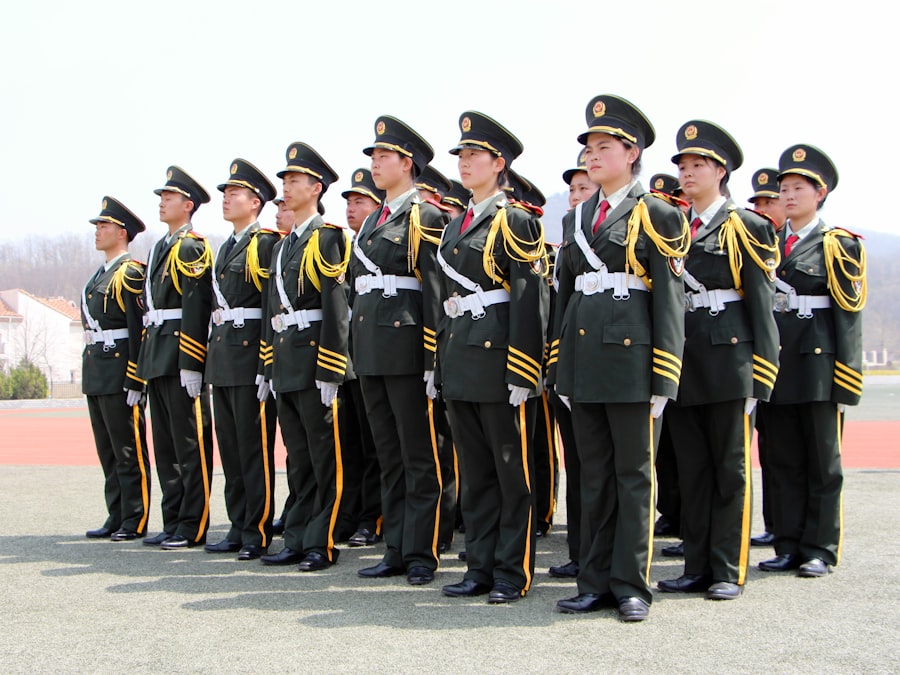
While traditional projectile-based weaponry remains important, the development of directed energy weapons (DEWs) and other non-kinetic solutions represents a significant paradigm shift in defense. These technologies offer the potential for precise, rapid engagement with fewer collateral effects.
Directed Energy Weapons (DEWs)
DEWs, such as lasers and high-power microwaves, offer unique advantages, including speed-of-light engagement and virtually unlimited magazine capacity (as long as power is available).
High-Energy Lasers (HELs)
HELs are being developed for a range of applications, from disabling drones and small boats to potentially intercepting missiles. The power and precision of lasers allow for the targeting of specific components, disrupting a system’s functionality without necessarily destroying it. Imagine a surgeon’s scalpel versus a blunt hammer; the laser offers a more precise form of engagement.
High-Power Microwave (HPM) Weapons
HPM weapons generate intense bursts of microwave energy that can disrupt or disable electronic systems. They are particularly effective against unshielded electronics, potentially shutting down enemy command and control systems or disabling vehicles equipped with sensitive electronic components.
Electronic Warfare (EW) and Cyber Attack Capabilities
While often associated with cyber defense, electronic warfare is also a potent offensive tool, utilizing the electromagnetic spectrum to disrupt enemy communications, radar, and guidance systems.
Advanced Jamming and Deception Techniques
Modern EW capabilities involve sophisticated jamming techniques designed to overwhelm enemy sensors and communications. Beyond simple jamming, deception techniques are also being employed, such as spoofing GPS signals or creating false radar returns, to confuse and misdirect adversaries.
Offensive Cyber Operations
As discussed in the cybersecurity section, the ability to conduct offensive cyber operations is an increasingly important aspect of modern defense. This can involve disabling enemy infrastructure, disrupting their command and control, or extracting critical intelligence by temporarily breaching their networks.
In recent discussions about advancements in military technology, the importance of modern defense systems has become increasingly evident. A comprehensive overview of these developments can be found in a related article that explores the latest innovations and strategies in defense. For those interested in delving deeper into this topic, you can read more about it in this insightful piece on defense systems. Understanding these advancements is crucial as nations continue to adapt to evolving threats and challenges in global security.
Fortifying Critical Infrastructure and Resilient Systems
| Defense System | Type | Range (km) | Target Types | Deployment Year | Country of Origin |
|---|---|---|---|---|---|
| Patriot Missile System | Surface-to-Air Missile | 160 | Aircraft, Ballistic Missiles | 1984 | USA |
| S-400 Triumf | Surface-to-Air Missile | 400 | Aircraft, Cruise Missiles, Ballistic Missiles | 2007 | Russia |
| Iron Dome | Short-range Air Defense | 70 | Rockets, Artillery, Mortars | 2011 | Israel |
| THAAD (Terminal High Altitude Area Defense) | Ballistic Missile Defense | 200 | Ballistic Missiles | 2008 | USA |
| Aegis Combat System | Naval Air Defense | 250 | Aircraft, Missiles | 1983 | USA |
Beyond military applications, the principles of advanced defense are being applied to protect critical national infrastructure, such as power grids, communication networks, and transportation systems. The resilience of these systems is vital for societal functioning, and their protection is a matter of national security.
Smart Grids and Cybersecurity for Energy Sectors
Modernized power grids, often referred to as “smart grids,” incorporate advanced sensors, communication networks, and control systems to improve efficiency and reliability. However, this interconnectedness also creates new vulnerabilities. Robust cybersecurity measures are essential to protect these grids from cyberattacks that could lead to widespread blackouts.
Distributed Defense Models and Physical Security Integration
To protect critical infrastructure, distributed defense models are being employed. This involves multiple layers of security, both physical and cyber, that work in conjunction. For instance, physical security measures at substations are integrated with advanced network monitoring systems to detect and respond to threats originating from either realm.
Secure Communication Networks and Redundancy
The ability to communicate reliably is fundamental to national defense and societal stability. Advanced defense systems prioritize the security and resilience of communication networks.
Quantum-Resistant Cryptography
As quantum computing technology advances, existing encryption methods could become vulnerable. Research is underway to develop quantum-resistant cryptography, ensuring that sensitive communications remain secure even in the face of future technological breakthroughs. This is akin to building a lock that cannot be picked by any known tool, even hypothetical future ones.
Redundant Network Architectures and Failover Systems
To ensure continuous operation, critical communication networks are designed with redundancy. This means having multiple, independent pathways for data transmission and implementing failover systems that can automatically switch to backup systems in the event of a failure or attack. This ensures that communication lines remain open, like multiple well-maintained arteries supplying a vital organ.
The Role of Public-Private Partnerships
The fortification of critical infrastructure often necessitates collaboration between government defense agencies and private sector entities that own and operate these vital systems. Public-private partnerships are crucial for sharing threat intelligence, developing common security standards, and conducting joint exercises to test and improve response capabilities. This collaborative approach ensures that the entire ecosystem is more robust against attack.
In conclusion, the evolution of defense systems is a dynamic and multifaceted undertaking. From the subtle nuances of artificial intelligence enhancing situational awareness to the robust fortifications of the digital frontier and the emergence of autonomous capabilities, the focus is on creating layered, adaptive, and resilient defenses. The threats may shift, but the commitment to safeguarding against them, through relentless innovation and strategic adaptation, remains paramount. The ongoing development in these areas signifies not a cessation of conflict, but a sophisticated redefinition of its boundaries and the tools employed to navigate its complexities.
FAQs
What are defense systems?
Defense systems are organized methods and technologies used by countries or organizations to protect against threats such as military attacks, cyber attacks, or natural disasters. They include physical, electronic, and strategic components designed to detect, deter, and respond to potential dangers.
What types of defense systems exist?
There are several types of defense systems, including missile defense systems, air defense systems, cyber defense systems, and naval defense systems. Each type is specialized to address specific threats, such as intercepting incoming missiles, protecting airspace, securing digital networks, or defending maritime borders.
How do missile defense systems work?
Missile defense systems detect, track, and intercept incoming ballistic or cruise missiles before they reach their targets. They use radar and satellite technology to identify threats and deploy interceptor missiles or other countermeasures to neutralize the threat mid-flight.
What role does technology play in modern defense systems?
Technology is crucial in modern defense systems, enabling advanced surveillance, communication, and weaponry. Innovations such as artificial intelligence, drones, satellite reconnaissance, and cyber defense tools enhance the ability to detect threats early and respond effectively.
Are defense systems only used by military organizations?
While primarily developed and used by military organizations, defense systems can also be employed by governments and private sectors for homeland security, critical infrastructure protection, and cybersecurity. Some defense technologies are adapted for civilian use, such as emergency alert systems and disaster response coordination.