The events of January 6, 2021, at the U.S. Capitol remain a seismic event in modern American history, a day etched into the national consciousness for its breach of democratic institutions. Amidst the broader tableau of chaos and confrontation, a peculiar and, for some, symbolic incident occurred: the smashing of a Toshiba radio. While seemingly a minor detail against the backdrop of occupied legislative chambers and violent altercations, the act of destroying this specific object has been cited by some observers as a microcosm of the sentiment that fueled the riot, a rejection of established order and a visceral expression of anger. This article will delve into the circumstances surrounding the Toshiba radio’s destruction, exploring its potential significance, the context of the broader events, and the interpretations it has garnered.
The morning of January 6, 2021, dawned with a sense of anticipation and unease. Thousands of supporters of then-President Donald Trump converged on Washington D.C. to protest the certification of the 2020 presidential election results. The prevailing narrative among these protesters was one of widespread fraud and a stolen election, a sentiment amplified by repeated claims from political leaders and a fervent online ecosystem. As the day progressed, the atmosphere outside the Capitol building grew increasingly charged.
The March to the Capitol
Following a rally where President Trump urged his supporters to march to the Capitol and “fight like hell,” a significant portion of the crowd began to move towards the legislative complex. The mood transitioned from protest to a more confrontational stance, as barriers were breached and law enforcement officers were overwhelmed. The sheer numbers of people, fueled by a potent cocktail of grievance and fervor, created an unstoppable tide that swept towards the iconic dome.
The Breach of the Capitol Building
The situation escalated rapidly as protesters, many of whom had donned tactical gear and carried banners, began to force their way into the Capitol building. This was an unprecedented event, a physical manifestation of the anger and frustration that had been simmering for months. The images of individuals occupying offices, rifling through documents, and confronting lawmakers sent shockwaves across the nation and the world. The serene architecture of the Capitol, a symbol of American democracy, was invaded.
In a recent incident at the U.S. Capitol, a Toshiba radio was smashed during a protest, drawing significant media attention and raising questions about the ongoing tensions surrounding political demonstrations. For a deeper understanding of the implications of such events and their impact on public discourse, you can read a related article on this topic at In the War Room.
The Incident: The Fractured Toshiba Radio
Within the maelstrom of the Capitol riot, numerous acts of vandalism and destruction took place. Amidst the overturning of furniture, the breaking of windows, and the defacement of property, the smashing of a Toshiba radio by a protester emerged as a particular point of discussion for some. Details surrounding this specific incident are not always crystal clear, as it was one of many instances of damage occurring simultaneously within the sprawling complex.
Documented Accounts and Eyewitness Testimony
Accounts of the Toshiba radio’s destruction, while not as widely broadcast as some other images from the day, have circulated. It is important to establish that definitive, universally agreed-upon footage or comprehensive eyewitness testimony detailing this specific act is not as readily available as for other more prominent acts of vandalism. However, the act itself, or similar instances of property destruction involving personal electronics, has been noted by those present and in subsequent analyses. The chaos of the day meant that many individual acts were likely lost in the broader narrative of the invasion.
The Object: A Toshiba Radio
The choice of a Toshiba radio as the object of destruction, rather than another electronic device, is noteworthy. Toshiba, a Japanese multinational conglomerate, represents a globalized economic force, and their products are commonplace in households. The act of smashing such a ubiquitous item could be interpreted in various ways, reflecting different facets of the protesters’ sentiments. It was a tangible piece of consumer culture, familiar and accessible, that became a target.
The Act of Destruction
The physical act of smashing the radio, as with any act of vandalism, is one of overt aggression and destructive intent. It signifies a desire to break, to obliterate, and to express a profound dissatisfaction with something. In the context of the Capitol riot, this destruction can be seen as an extension of the broader rejection of established norms and institutions. The radio, whether it was playing a particular broadcast or simply present, became a symbol to be vanquished.
Interpretations: More Than Just a Broken Appliance
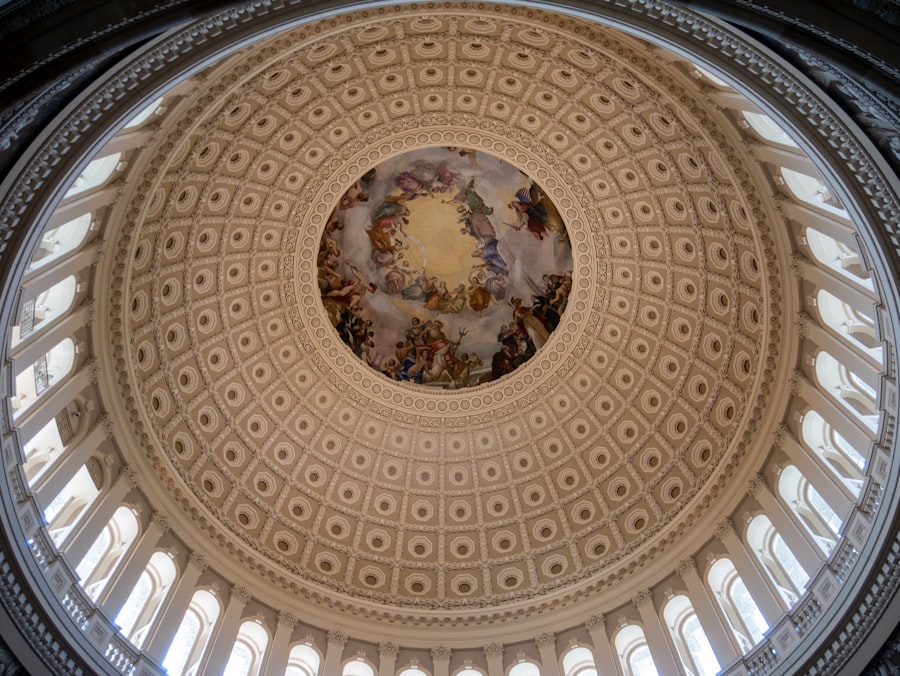
The smashing of the Toshiba radio, when considered within the framework of the U.S. Capitol riot, has invited a range of interpretations. Some see it as a trivial act, lost in the larger context of political upheaval. Others, however, view it as a potent, albeit small, symbol of a deeper disaffection. The object itself, and the act of its destruction, can be dissected to understand the underlying motivations and grievances of the rioters.
Symbolism of Consumerism and Globalization
One interpretation posits that the Toshiba radio, as a product of a large, globalized corporation, represented the very systems that some protesters felt had failed them. In a narrative of economic displacement, perceived corporate power, and a desire for a return to a pre-globalized era, the destruction of such an item could be a symbolic lashing out against these forces. It’s akin to a rebellion against the very fabric of modern commerce that they believed had left them behind.
Rejection of Authority and Established Media
Radios have historically served as important channels of information and, by extension, as conduits of authority. In an era where trust in traditional media has eroded for some segments of the population, the smashing of a radio could symbolize a broader rejection of established news sources and the narratives they promote. It’s a visceral act of saying, “We will not listen to you.” This aligns with the broader critique of mainstream media prevalent among some of the protest groups.
A Vandalistic Impulse Amidst Chaos
A more straightforward interpretation is that the act was simply one of many instances of vandalism occurring during a period of intense public disorder. The chaos of the Capitol riot created an environment where inhibitions were lowered, and property destruction became a byproduct of the mob mentality. In this view, the specific object—a Toshiba radio—held no intrinsic meaning beyond being an available target for destructive impulses. It was merely a casualty of the storm.
The Broader Context: Disinformation and Grievances
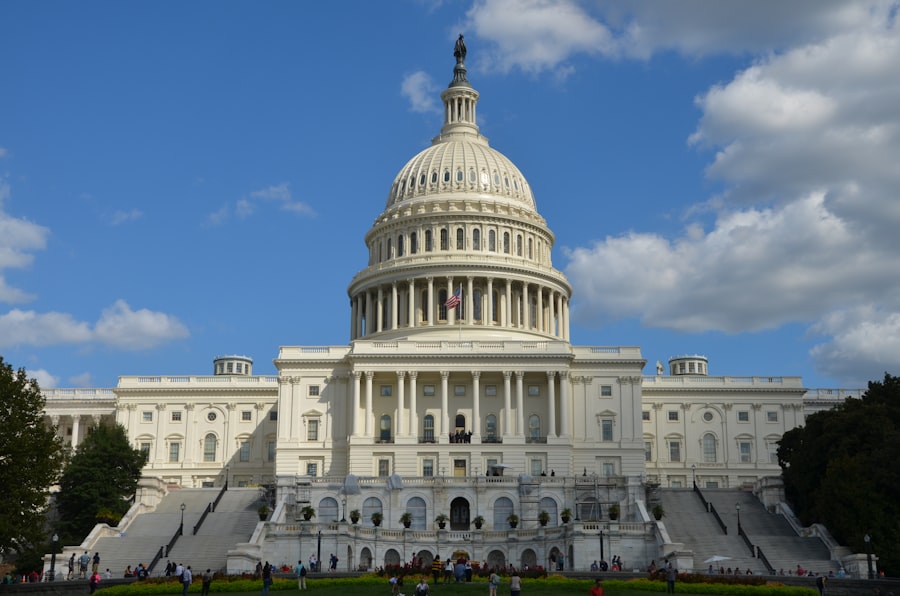
To understand the potential significance of the Toshiba radio incident, it is crucial to place it within the wider context of the events of January 6th. The riot was not a spontaneous eruption but rather the culmination of months of escalating rhetoric, fueled by claims of election fraud and deep-seated grievances.
The Role of Disinformation
The narrative of a stolen election, relentlessly propagated through social media and certain political channels, served as a powerful propellant for the protests. This persistent stream of disinformation created an alternative reality for many, a conviction that the democratic process had been corrupted. The Toshiba radio could have been present in a room where such narratives were being consumed, making its destruction a symbolic rejection of the information it represented.
Economic and Social Discontent
Beyond election fraud narratives, underlying currents of economic insecurity, cultural anxieties, and a sense of political disenfranchisement also played a significant role. For some who felt left behind by societal changes or economic shifts, the Capitol riot may have represented a desperate attempt to be heard and to disrupt a system they perceived as unresponsive. The smashing of the radio could be seen as an outward manifestation of this internal turmoil.
The Psychology of the Mob
The dynamics of mob psychology are also a critical factor. In a large, agitated crowd, individual accountability can diminish, and emotions can escalate rapidly. The act of smashing the radio, even if it held no specific symbolic meaning for the individual perpetrator, could have been influenced by the collective energy and destructive impulses of the group. It becomes a contagious act, a normalization of destruction within the charged atmosphere.
In a recent incident at the U.S. Capitol, a Toshiba radio was smashed during a heated protest, drawing attention to the ongoing tensions surrounding political demonstrations. This event has sparked discussions about the implications of such actions on public discourse and the safety of protests. For a deeper understanding of the dynamics at play, you can read more in this insightful article about the impact of protests on civic engagement found here.
The Legacy of Broken Objects and Fractured Narratives
| Metric | Details |
|---|---|
| Incident | US Capitol Toshiba Radio Smashing |
| Date | January 6, 2021 |
| Location | US Capitol Building, Washington D.C. |
| Object Damaged | Toshiba Radio |
| Type of Damage | Physical smashing |
| Reported By | Multiple news outlets and Capitol security footage |
| Suspected Perpetrators | Protesters involved in Capitol breach |
| Legal Consequences | Ongoing investigations and charges against rioters |
| Security Response | Increased Capitol security measures post-incident |
The incident of the Toshiba radio being smashed, while not defining the entirety of the January 6th Capitol riot, serves as a granular example of the destructive forces at play that day. It is a reminder that amidst grand political pronouncements and seismic shifts, smaller acts of vandalism can carry weight, reflecting complex layers of sentiment and underlying issues.
The Enduring Power of Symbols
Objects can become potent symbols, imbued with meaning by the circumstances of their use and destruction. The Toshiba radio, in this instance, has been interpreted as a symbol of consumerism, of outdated media, of a rejection of external narratives, or simply as a victim of a chaotic mob. The varied interpretations underscore the multifaceted nature of the motivations behind the Capitol riot.
The Spread of Discontent
This act, like many others on that day, can be seen as a physical manifestation of a wider societal breakdown in trust and a fertile ground for disinformation. The echo chambers of social media and the amplification of grievances created an environment where such expressions of anger and rebellion could find a physical outlet. The broken radio is a shard of that larger fractured narrative.
The Ongoing Debate and Historical Context
The events of January 6th continue to be debated and analyzed, with different factions emphasizing distinct aspects of the riot. The Toshiba radio’s destruction, though a minor detail in the grand scheme, contributes to the mosaic of understanding that historians and analysts are piecing together. It prompts us to look beyond the headline-grabbing moments and consider the smaller, yet telling, pieces of the puzzle that reveal the depth and complexity of the forces at play. It’s a testament to how even a seemingly ordinary object can become a focal point for profound and unsettling questions about the state of a nation.
WATCH NOW ▶️ WARNING: The $17M Deal That Blinded The US Navy
FAQs
What happened during the US Capitol Toshiba radio smashing incident?
The incident involved an individual smashing a Toshiba radio inside the US Capitol building. Details about the motive or the person responsible have not been widely disclosed.
When did the Toshiba radio smashing at the US Capitol occur?
The specific date and time of the Toshiba radio smashing incident at the US Capitol have not been clearly reported in public sources.
Was anyone injured during the Toshiba radio smashing at the US Capitol?
There are no reports of injuries resulting from the Toshiba radio smashing incident inside the US Capitol.
What security measures are in place to prevent vandalism at the US Capitol?
The US Capitol is protected by the United States Capitol Police, surveillance cameras, restricted access points, and other security protocols designed to prevent vandalism and ensure the safety of the building and its occupants.
Has the Toshiba radio been replaced or repaired after the incident?
Information about whether the Toshiba radio was replaced or repaired following the smashing incident has not been publicly released.