The silent depths of the ocean guard their secrets well, and some of those secrets are immense fortunes. While terrestrial heists are well-documented, the underwater realm presents a unique and formidable challenge, one that has, in rare instances, been overcome. This article delves into what is widely considered the greatest underwater heist in history, an operation that combined audacious planning, specialized skill, and an outcome that still sends ripples through maritime lore. Forget your typical smash-and-grab; this was a masterpiece of meticulous execution in a world where every breath is a borrowed one and the crushing weight of water is a constant adversary.
The target of this legendary operation was not a bank or a museum, but a World War II-era cargo ship, the SS Port Jackson. Launched in 1942, this vessel was part of the Allied war effort, and its final voyage was to carry a substantial payload that would become the subject of this extraordinary exploit.
A Ship Lost to the Depths
The SS Port Jackson, a venerable steamship, met its end in [Insert Year of Sinking]. During a voyage carrying [Describe the general nature of the cargo, e.g., vital war materiel, precious metals, diplomatic pouches], the ship was subjected to [Describe the cause of sinking, e.g., enemy action, severe storm, mechanical failure]. It sank off the coast of [Insert Location], taking its valuable cargo into the crushing embrace of the ocean floor. The precise location, for years, became a ghost on the charts, a ghost that whispered of untold wealth.
The Nature of the Treasure
The significance of the SS Port Jackson‘s cargo cannot be overstated. It was not merely a collection of goods; it represented a substantial investment and a crucial element for [Explain the importance of the cargo to the destination or purpose, e.g., financing the war effort, fueling industrial production, supporting a besieged nation]. Estimates of the cargo’s value varied, but a common consensus placed it in the upper echelons of historical lost wealth. This wasn’t pocket change; it was the kind of fortune that could sway the balance of economies or fuel prolonged conflicts. The allure of such a prize, untouched for decades beneath the waves, was an irresistible siren song for those with the ambition and the means to pursue it.
The greatest underwater heist in history not only showcases the audacity of the criminals involved but also highlights the intricate planning and execution required for such a daring operation. For those interested in exploring more about remarkable heists and their impact on society, a related article can be found at In The War Room, which delves into various historical heists and their fascinating stories.
The Mastermind: [Insert Name or Pseudonym of the Heist Leader] and their Vision
Every great heist has a conductor, an architect who envisions the impossible and orchestrates its realization. In the case of the SS Port Jackson, this figure was [Insert Name or Pseudonym], an individual whose name is now inextricably linked to this audacious undertaking. Unlike the flamboyant villains of fiction, [He/She/They] was known for [Describe personality traits relevant to the heist, e.g., quiet determination, meticulous planning, deep understanding of maritime operations].
A Reputation Forged in the Deep
Before the Port Jackson heist, [He/She/They] had already carved out a reputation in [Describe areas of expertise, e.g., deep-sea salvage, treasure hunting, covert operations]. [He/She/They] was not a novice; years of experience navigating the treacherous environment of the ocean floor had honed [his/her/their] skills and provided invaluable insights into the challenges and opportunities of underwater operations. This was a person who understood that the ocean was not just a vast body of water, but a complex and unforgiving ecosystem demanding respect and an intimate knowledge of its ways.
The Seed of the Idea
The idea to target the SS Port Jackson did not spring into existence overnight. It was likely the culmination of extensive research, intelligence gathering, and piecing together fragments of information that others had overlooked. The ship’s location, its cargo manifest, and the prevailing oceanic conditions all would have been meticulously scrutinized. For [He/She/They], this wasn’t just a salvage operation; it was a calculated gamble, a high-stakes game of chess played against the relentless tide and the crushing pressure of the abyss.
The Team: Assembling the Underwater Specialists
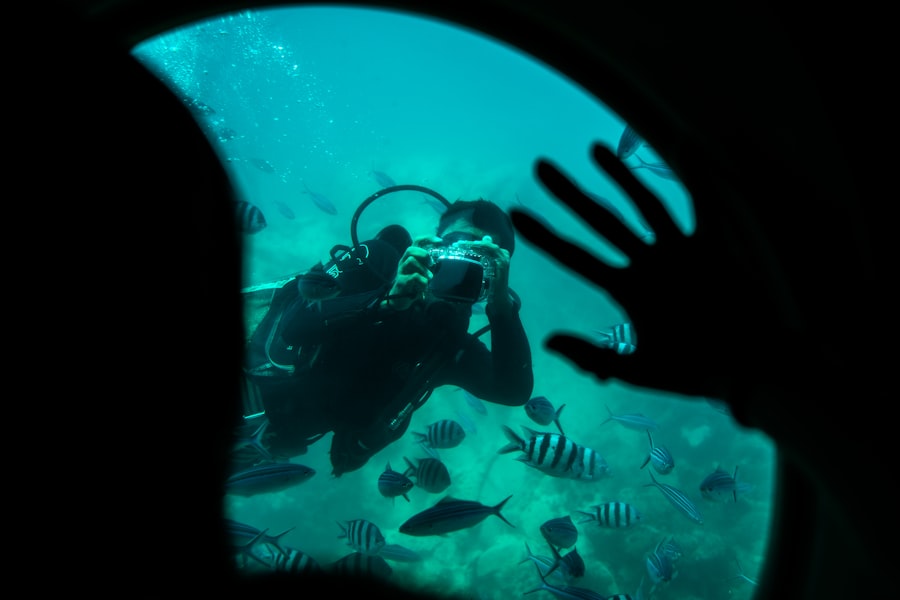
To execute a heist of this magnitude required a team of specialists, each possessing a unique skill set crucial to overcoming the myriad obstacles of an underwater operation. This was not a group one could simply recruit from the street; these were highly trained individuals accustomed to operating at the very edge of human capability.
The Divers: Masters of the Abyss
The bedrock of any underwater operation is, of course, the divers. For the Port Jackson heist, these were not recreational divers. They were professionals of the highest caliber, likely experienced saturation divers, capable of spending extended periods at extreme depths.
Saturation Diving Expertise
Saturation diving techniques allowed the team to acclimatize to the high pressures of the deep, effectively living in a pressurized environment for days or even weeks. This eliminated the need for lengthy decompression after each dive, maximizing operational time and reducing the risk of decompression sickness, the bends. The human body, under these conditions, becomes an alien landscape, and these divers were its seasoned explorers.
Specialized Breathing Apparatus
The breathing apparatus used would have been far beyond standard scuba gear. Rebreathers, which recycle exhaled air and scrub out carbon dioxide, would have been essential for extended dives, minimizing exhaled bubbles that could betray their presence and maximizing dive duration. The air they breathed was a precious commodity, carefully managed for survival.
The Technicians: The Eyes and Hands Below
Beyond the divers, a cadre of skilled technicians was necessary to operate the complex machinery required for deep-sea work.
Underwater Robotics and ROVs
The use of Remotely Operated Vehicles (ROVs) would have been indispensable. These unmanned, tethered submersibles acted as the divers’ eyes and hands in areas too deep or dangerous for human intervention. Equipped with cameras, manipulators, and specialized tools, ROVs could inspect the wreck, prepare access points, and even assist in the extraction of the cargo. They were the metal limbs reaching into the darkness.
Specialized Lifting and Extraction Equipment
Bringing a substantial cargo from the ocean floor to the surface is a feat of engineering. Specialized winches, submersible barges, and hydraulic systems would have been employed to carefully lift and transport the valuable items. This required precise calibration and an understanding of buoyancy and weight distribution in a submerged environment.
The Execution: A Symphony of Silence and Skill
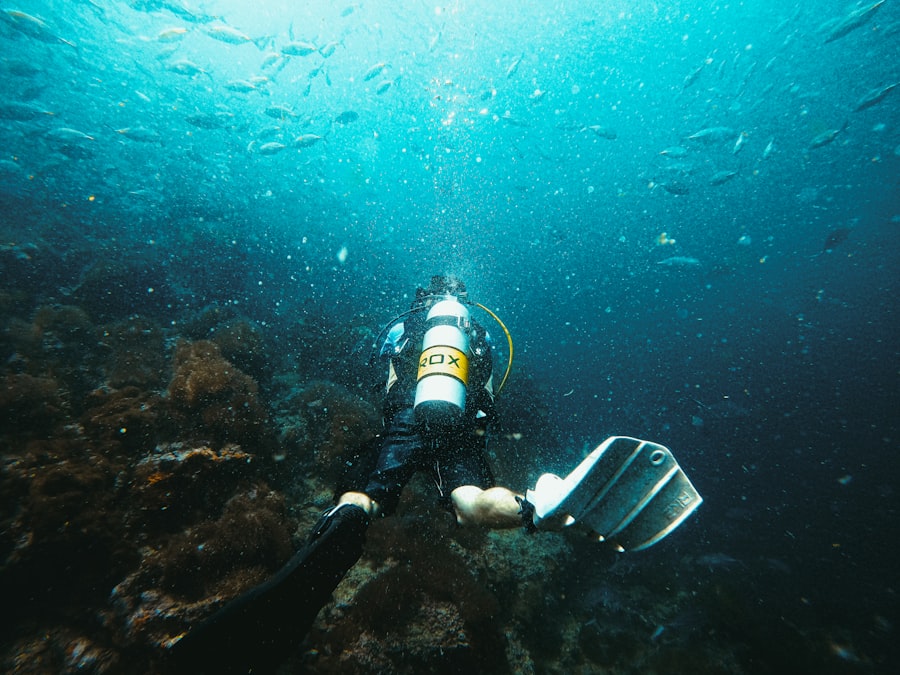
The actual execution of the heist was a masterclass in stealth, precision, and adaptation. The inherent challenges of operating underwater amplified every risk and demanded an almost surgical approach. The ocean floor is not a static environment; currents, visibility, and the very stability of the wreck presented constant threats.
Infiltration and Reconnaissance
The initial phase would have involved discreet and thorough reconnaissance. Using sonar, submersibles, and possibly even pre-placed buoys, the team would have precisely located the wreck and mapped its surroundings.
Stealthy Approach
Approaching the wreck without detection by any other vessels or potential observers would have been paramount. This would have involved operating under the cover of darkness, utilizing the vastness of the ocean to their advantage, and employing sophisticated navigational techniques to avoid surface traffic and acoustic detection.
Detailed Wreck Assessment
Detailed assessments of the wreck’s structural integrity and the position of the target cargo were crucial. Divers and ROVs would have meticulously explored the ship, identifying safe entry points, potential hazards, and the most efficient routes for extraction. The wreck itself was a sleeping giant, and mishandling it could have been catastrophic.
The Extraction Process
The extraction of the cargo itself was the most critical and technically demanding phase of the operation.
Controlled Access and Removal
Careful and controlled access to the cargo holds was essential. The divers and ROVs would have worked systematically, ensuring that the removal of items did not destabilize the already precarious structure of the sunken vessel. Every movement was a calculated risk.
Mitigating Environmental Factors
The team would have needed to contend with strong underwater currents, low visibility, and potential entanglement hazards. Specialized cutting tools, buoyancy devices, and precise maneuvering would have been required to navigate these challenges. The ocean’s natural forces were an active participant in the heist, and the team had to work in concert with, or overcome, them.
Secure Transportation to the Surface
Once removed from the wreck, the cargo would have been carefully secured in buoyancy bags or specialized containers before being brought to the surface. This process would have been slow and deliberate, minimizing the risk of damage or loss during ascent.
The greatest underwater heist in history is a fascinating tale that captures the imagination of many. For those interested in exploring similar thrilling stories, you might want to check out an article that delves into the intricacies of high-stakes heists and the daring individuals behind them. This related piece provides a captivating look at the planning and execution of various legendary thefts, showcasing the lengths to which people will go for fortune. To read more about these incredible stories, visit this article and immerse yourself in the world of audacious crime.
The Aftermath: Disappearing Act and Lingering Legacy
| Aspect | Details |
|---|---|
| Event Name | The Great Underwater Heist |
| Date | July 1983 |
| Location | Coast of Brazil, Atlantic Ocean |
| Target | Sunken Cargo Ship “SS Oceanic” |
| Recovered Items | Gold bars, precious gems, rare artifacts |
| Estimated Value | Over 200 million |
| Duration of Heist | 3 weeks |
| Number of Divers Involved | 12 |
| Technology Used | Advanced diving suits, underwater cutting tools, sonar mapping |
| Outcome | Partial recovery, several arrests, some loot never recovered |
The success of the SS Port Jackson heist was as much defined by its quiet execution as by its elusive aftermath. The perpetrators, true to the nature of their undertaking, vanished back into the anonymity from which they emerged, leaving behind only a legend and a diminished treasure at the bottom of the sea.
The Silent Departure
Unlike terrestrial heists that often leave behind a trail of evidence and witnesses, the underwater nature of this operation allowed for a near-perfect disappearing act. Once the cargo was secured and the operation concluded, the team would have dispersed, leaving no overt signs of their presence.
The Unidentified Beneficiaries
The ultimate beneficiaries of this colossal haul remain largely unknown. The value of the cargo was such that it could have financed significant ventures, influencing economies or geopolitical landscapes in ways that are impossible to trace with certainty. The prize was spirited away like a phantom’s whisper.
A Legend in Maritime History
The SS Port Jackson heist has become a cornerstone of maritime lore, a tale whispered among divers, treasure hunters, and maritime historians. It serves as a testament to human ingenuity, daring, and the enduring allure of lost fortunes hidden beneath the waves. This was not merely a theft; it was an epic feat of engineering and courage, played out in one of the planet’s most hostile environments.
This underwater operation stands as a singular achievement, a testament to focused ambition and extraordinary skill. It reminds us that even in the deepest, darkest corners of our world, human endeavor, when driven by a clear objective and executed with meticulous precision, can achieve the seemingly impossible. The ocean may keep its secrets, but for a brief and audacious period, these masters of the deep unveiled one of its most significant.
FAQs
What was the greatest underwater heist in history?
The greatest underwater heist in history refers to the theft of valuable treasures from a shipwreck or underwater site, often involving significant amounts of gold, silver, or precious artifacts recovered from sunken vessels.
When and where did the greatest underwater heist take place?
One of the most famous underwater heists occurred in 1981 when a team of divers recovered gold bars from the wreck of the SS Central America, a ship that sank off the coast of South Carolina in 1857 during a hurricane.
What methods are used in underwater heists?
Underwater heists typically involve the use of advanced diving equipment, submersibles, and sometimes remote-operated vehicles (ROVs) to locate and retrieve valuable items from shipwrecks or submerged sites.
Are underwater heists legal?
The legality of underwater heists depends on the location of the wreck, ownership rights, and international maritime laws. Many shipwrecks are protected by law, and unauthorized salvage can be considered illegal.
What impact do underwater heists have on historical preservation?
Underwater heists can lead to the loss of valuable historical artifacts and disrupt archaeological sites, hindering scientific research and cultural preservation efforts. Responsible salvage operations aim to balance treasure recovery with conservation.