The Soviet Union’s interceptor doctrine during the Cold War was a critical component of its defense strategy, designed to counter perceived threats from Western air power. This doctrine evolved significantly over decades, adapting to changes in technology, geopolitical realities, and the perceived capabilities of potential adversaries. To understand Soviet air defense, one must delve into the interconnected layers of technology, operational procedures, and strategic thinking that defined this formidable system.
The Soviet interceptor doctrine rested on several fundamental principles, forming a layered defense designed to attrit and ultimately deny enemy aircraft access to Soviet airspace. This was not a singular weapon, but a complex tapestry woven from diverse threads.
Layered Defense Strategy
Soviet military planners adopted a layered approach to air defense, aiming to engage targets at various ranges and altitudes. This strategy recognized that no single weapon system could provide comprehensive protection.
- Outer Perimeter Engagement: Long-range interceptors and ground-based air defense systems (PVO Strany – Air Defense Forces) were tasked with engaging strategic bombers and reconnaissance aircraft far from Soviet borders, ideally over international waters or allied territory. This layer sought to disrupt enemy formations and degrade their combat effectiveness before they could reach critical targets.
- Intermediate Zone Interception: As enemy aircraft penetrated deeper, medium-range interceptors and mobile surface-to-air missile (SAM) systems would engage them. This layer focused on breaking up attack waves and preventing precise targeting runs.
- Inner Zone Protection: Close-in air defense, utilizing short-range SAMs, anti-aircraft artillery (AAA), and fighter-bombers, provided terminal protection for high-value assets and urban centers. This was the final shield, a desperate effort to prevent a successful strike.
Emphasis on Ground-Controlled Intercept (GCI)
Unlike Western air forces that increasingly emphasized independent fighter operations, Soviet interceptor doctrine heavily relied on Ground-Controlled Intercept (GCI). This was a fundamental difference in philosophy, deeply rooted in Soviet command and control structures.
- Centralized Command and Control: Soviet air defense operations were highly centralized, with extensive networks of ground-based radar stations, command centers, and communication links. This allowed for precise guidance of interceptors from the ground, ensuring adherence to tactical plans.
- Limited Pilot Autonomy: Pilots, while skilled, often functioned as extensions of the ground control network. Their primary role was to fly the aircraft to the designated intercept point, acquire the target, and follow instructions from GCI controllers. This minimized independent decision-making in the air, ensuring conformity to doctrine.
- Benefits and Drawbacks: GCI offered advantages in terms of coordinated responses and efficient resource allocation, particularly against massed bomber formations. However, it also introduced vulnerabilities to electronic warfare (EW) and could be less flexible in rapidly evolving aerial engagements.
The Soviet interceptor doctrine during the Cold War was a critical component of their air defense strategy, designed to counter the perceived threat from NATO air forces. For a deeper understanding of this topic, you can explore the article “Soviet Air Defense: The Evolution of Interceptor Doctrine” available at In the War Room, which delves into the strategies, technologies, and key developments that shaped Soviet air defense tactics throughout this tense period in history.
Technological Evolution of Interceptors
The interceptor aircraft themselves were the teeth of this doctrine, evolving in parallel with perceived threats and technological advancements. Each generation brought new capabilities and shifted the operational landscape.
Early Jet Interceptors (1950s)
The dawn of the jet age presented both opportunities and challenges for Soviet air defense. The initial interceptors were primarily adaptations of existing fighter designs.
- MiG-15 “Fagot”: While a formidable dogfighter, the MiG-15’s primary role shifted towards short-range interception as more specialized designs emerged. Its high-speed capability was a significant advantage over propeller-driven bombers.
- MiG-17 “Fresco”: An evolution of the MiG-15, the MiG-17 offered improved performance and maneuverability. It served as a stopgap measure while more advanced interceptors were developed.
- Yak-25 “Flashlight”: This was an early, twin-engine, all-weather interceptor, signifying a move towards radar-equipped aircraft capable of operating beyond visual range. Its introduction marked a crucial step in the development of dedicated interceptor platforms.
Supersonic Interceptors (1960s-1970s)
The advent of supersonic bombers and reconnaissance aircraft spurred a significant acceleration in interceptor development, focusing on speed and missile armament.
- MiG-21 “Fishbed”: While primarily known as a fighter, certain variants of the MiG-21, equipped with rudimentary radar and air-to-air missiles (AAMs), served an interceptor role, particularly for point defense. Its speed was a key attribute.
- Su-9 “Fishpot” and Su-11 “Fishpot-C”: These were dedicated, high-altitude, supersonic interceptors designed to counter American strategic bombers like the B-52. They relied heavily on ground guidance to achieve intercepts.
- Tu-28P “Fiddler”: A large, long-range interceptor, the Tu-28P was specifically designed to operate in the vast, sparsely populated regions of the Soviet Union, providing air defense over extended distances. It carried powerful radar and heavy AAMs.
- MiG-25 “Foxbat”: Arguably the most iconic Soviet interceptor of this era, the MiG-25 was an extraordinary machine built for speed and altitude. Its primary mission was to intercept high-flying reconnaissance aircraft like the SR-71 Blackbird and B-58 Hustler. Its construction emphasized speed over maneuverability, making it a “missile truck” more than a dogfighter.
Look-Down/Shoot-Down Capable Interceptors (1980s)
As Western aircraft gained low-altitude penetration capabilities, Soviet interceptor doctrine adapted by demanding “look-down/shoot-down” capability – the ability to detect and engage targets against ground clutter.
- MiG-23 “Flogger”: This variable-geometry aircraft, while less specialized than some predecessors, offered improved radar and missile capabilities for engaging targets at various altitudes, including low-level intruders.
- MiG-31 “Foxhound”: The pinnacle of Soviet interceptor development, the MiG-31 was designed specifically for long-range, high-speed interception with a powerful “Zaslon” phased array radar capable of tracking multiple targets simultaneously. It could operate as a mini-AWACS (Airborne Warning and Control System), coordinating other interceptors. This marked a significant shift towards more autonomous operational capabilities compared to earlier GCI-dependent platforms.
- Su-27 “Flanker” series: While a multirole fighter, the Su-27’s exceptional speed, range, and advanced radar also made it a potent interceptor, capable of engaging both high-altitude and low-altitude threats.
Operational Procedures and Tactics
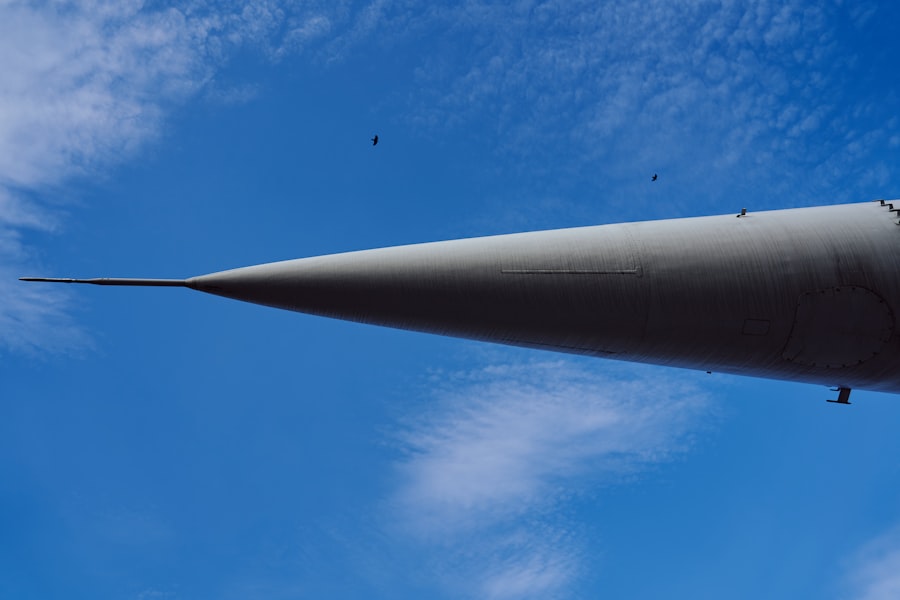
Soviet interceptor doctrine translated into specific operational procedures and tactical approaches, shaping how these aircraft were employed in a combat scenario.
Radar Surveillance Network
The backbone of Soviet air defense was an extensive and sophisticated radar surveillance network, acting as the eyes and ears of the system.
- Early Warning Radars: Long-range early warning radars provided initial detection of incoming threats, allowing air defense forces to be alerted and prepare their response. These radars operated across various frequency bands to counter jamming.
- Ground-Based Intercept Radars: These radars provided precise targeting information to GCI controllers, guiding interceptors towards their targets. They were often hardened and dispersed to enhance survivability.
- Airborne Early Warning (AEW) Aircraft: Aircraft like the Tu-126 “Moss” and later the A-50 “Mainstay” provided airborne radar surveillance, extending the detection range beyond ground-based radars and offering better “look-down” capability. These aircraft were crucial for detecting low-flying targets and coordinating interceptor operations.
Interception Geometry and Attack Profiles
Soviet interceptor tactics were highly standardized, with specific flight profiles and engagement geometries dictated by doctrine.
- Head-on Intercepts: The preferred method was a head-on or near head-on intercept, maximizing the closure rate and reducing the exposure time of the interceptor. This allowed for quick engagements with radar-guided missiles.
- Stern Intercepts (Less Preferred): While less common as an initial tactic, stern intercepts could be used, particularly against slower targets or if a head-on approach was not feasible. This often involved infrared-guided missiles.
- Formation Flying and Team Tactics: Interceptors often operated in pairs or flights, providing mutual support and increasing the probability of a successful intercept. For instance, one aircraft might engage the target while the other provided escort or looked for additional threats. The MiG-31 could even direct other interceptors to targets, acting as a mini-AWACS.
Emphasis on Missile Armament
While cannon armament was present on most interceptors, the primary kill mechanism was air-to-air missiles. This reflected the Soviet emphasis on beyond-visual-range (BVR) engagements.
- Radar-Guided Missiles: Long-range, radar-guided missiles like the R-4 “Acrid,” R-40 “Apex,” and R-33 “Adder” were crucial for engaging bombers and reconnaissance aircraft at significant distances. These missiles could be fired with the interceptor still outside the range of the bomber’s defensive armament.
- Infrared-Guided Missiles: Shorter-range, infrared-guided missiles like the R-3S “Atoll” and R-60 “Aphid” provided close-in engagement capability, particularly for targets that had evaded longer-range shots.
Strategic Objectives and Doctrine Shifts
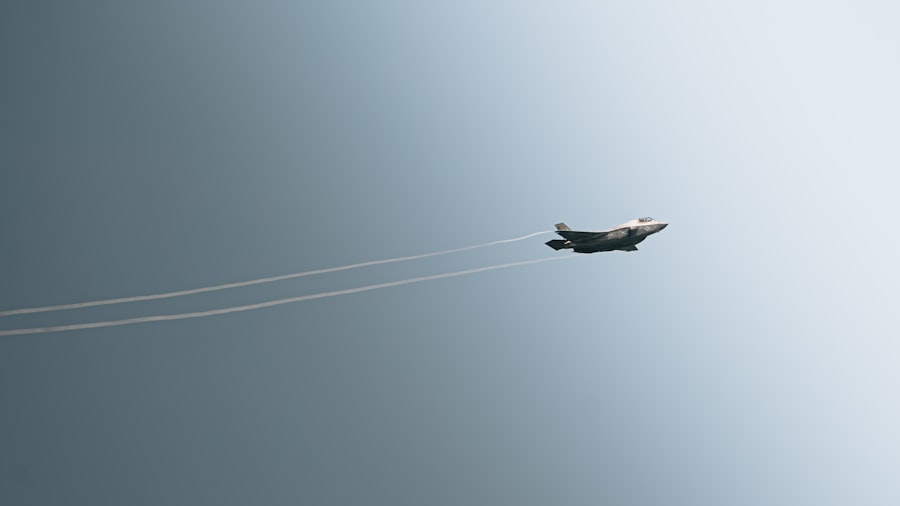
The Soviet interceptor doctrine was not static; it adapted to perceived threats and evolved throughout the Cold War. The core objective, however, remained constant: denial of airspace to the adversary.
Countering Strategic Bombers
Initially, the primary focus was on countering strategic bombers, particularly those carrying nuclear weapons. The interceptor force served as a bulwark against a potential first strike.
- Atomic Bomb Threat: The development of the atomic bomb by the United States immediately placed a premium on air defense. Early Soviet interceptors were designed as a direct response to this existential threat.
- B-52 and Supersonic Bombers: The introduction of the B-52 Stratofortress, and later supersonic bombers like the B-58 Hustler and (projected) B-70 Valkyrie, drove the development of faster and higher-flying interceptors capable of engaging these advanced threats.
Adapting to Cruise Missiles and Low-Level Threats
The advent of cruise missiles and the increased emphasis on low-altitude penetration tactics by Western air forces forced a significant recalibration of Soviet interceptor doctrine.
- Cruise Missile Challenge: Cruise missiles presented a new paradigm – small, fast, low-flying targets that were difficult for traditional high-altitude air defense systems to detect and engage. This led to the development of “look-down/shoot-down” capabilities and improved low-altitude radar systems.
- Tactical Aircraft Penetration: Western tactical aircraft increasingly developed techniques for low-level penetration to evade radar and SAMs. This necessitated interceptors capable of engaging agile targets at low altitudes, often against ground clutter. The MiG-23 and later the Su-27 and MiG-31 were crucial in addressing these threats.
Integration with PVO Strany
The interceptor force was always an integral part of the overarching PVO Strany (Air Defense Forces), a dedicated branch of the Soviet military responsible for air defense.
- Unified Command Structure: Interceptors, SAMs, and radar networks operated under a unified command structure, ensuring coordinated responses to threats. This meant that an interceptor mission might be supported by SAM engagements, or vice versa.
- Complementary Roles: Interceptors and SAMs had complementary roles. Interceptors could cover vast areas that SAMs could not, while SAMs provided fixed-point defense and were generally more cost-effective for defending high-value targets. This synergy created a formidable defensive shield.
The Soviet interceptor doctrine during the Cold War was a critical aspect of their air defense strategy, focusing on the development and deployment of advanced aircraft to counter potential threats from NATO forces. This doctrine emphasized the importance of integrating various systems to create a layered defense, ensuring that any incoming threats could be intercepted at multiple stages. For a deeper understanding of the complexities surrounding this topic, you can explore a related article that delves into the intricacies of Cold War military strategies and their implications by visiting this link.
Conclusion
| Aspect | Description | Key Metrics | Cold War Context |
|---|---|---|---|
| Doctrine Purpose | Intercept and destroy incoming enemy bombers and reconnaissance aircraft before they reach Soviet airspace. | Focus on rapid response and high-altitude interception | Counter NATO strategic bomber threat |
| Primary Aircraft | MiG-15, MiG-17, MiG-19, MiG-21, Su-9, MiG-25 | Speed: Mach 1.5 to Mach 3.2; Service ceiling: 15,000-20,000 meters | Designed to intercept high-speed, high-altitude bombers like B-52 |
| Radar Systems | Ground-based early warning radars and airborne interception radars | Detection range: 200-400 km; Reaction time: minutes | Integrated into PVO (Air Defense Forces) network |
| Missile Armament | Air-to-air missiles such as K-5, K-13 (AA-2 Atoll) | Effective range: 8-15 km; Speed: Mach 2+ | Improved kill probability against fast bombers |
| Operational Strategy | Layered air defense with interceptors, SAMs, and radar coverage | Multiple interception attempts; continuous patrols | Designed to saturate and degrade NATO bomber formations |
| Response Time | From detection to interception | Typically under 10 minutes | Critical for countering surprise attacks |
| Doctrine Evolution | Shift from gun-armed fighters to missile-armed interceptors | Increased reliance on radar-guided missiles by late 1960s | Adaptation to faster, higher-flying Western bombers |
The Soviet interceptor doctrine was a dynamic and evolving construct, a reflection of the intense technological and strategic competition of the Cold War. From rudimentary jet aircraft directed by radio to sophisticated supersonic platforms with advanced radars, each development was a response to a looming shadow cast by perceived threats from the West. Understanding this doctrine is to understand the Cold War itself – a continuous chess match where each move, whether an aircraft design or a tactical shift, was calculated to maintain military balance and deter conflict. The legacy of these Soviet interceptors continues to influence air defense thinking in many nations today, a testament to the ingenuity and strategic foresight of their designers and operators, even in the absence of an actual full-scale war.
WATCH NOW ▶️ STOP: The $100 Billion Titanium Myth Exposed
FAQs
What was the primary purpose of the Soviet interceptor doctrine during the Cold War?
The primary purpose of the Soviet interceptor doctrine during the Cold War was to defend Soviet airspace against potential incursions by enemy bombers and reconnaissance aircraft, particularly those from NATO countries. Interceptors were designed to quickly engage and destroy these threats before they could reach strategic targets.
What types of aircraft were commonly used as Soviet interceptors in the Cold War?
Common Soviet interceptors during the Cold War included aircraft such as the MiG-15, MiG-17, MiG-19, MiG-21, MiG-25, and later the MiG-31. These aircraft were equipped with powerful radar systems and air-to-air missiles to effectively engage high-speed enemy bombers.
How did the Soviet interceptor doctrine influence air defense strategy?
The doctrine emphasized rapid response and high-speed interception to counter the threat of nuclear-armed bombers. It integrated ground-based radar networks, command and control centers, and interceptor squadrons to create a layered air defense system capable of detecting and neutralizing threats at various ranges.
What role did missile technology play in the Soviet interceptor doctrine?
Missile technology was central to the doctrine, with interceptors equipped with long-range air-to-air missiles designed to engage enemy bombers before they could release their payloads. This focus on missile armament allowed Soviet interceptors to engage targets at greater distances and higher speeds than traditional gun-armed fighters.
Did the Soviet interceptor doctrine evolve during the Cold War?
Yes, the doctrine evolved in response to advancements in Western bomber technology and changing strategic threats. Over time, the Soviets developed faster and more capable interceptors, improved radar and missile systems, and integrated their air defense network more closely to maintain effective control over their airspace throughout the Cold War.