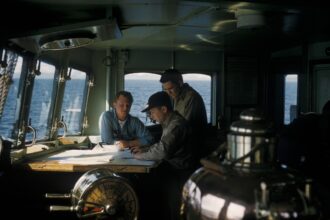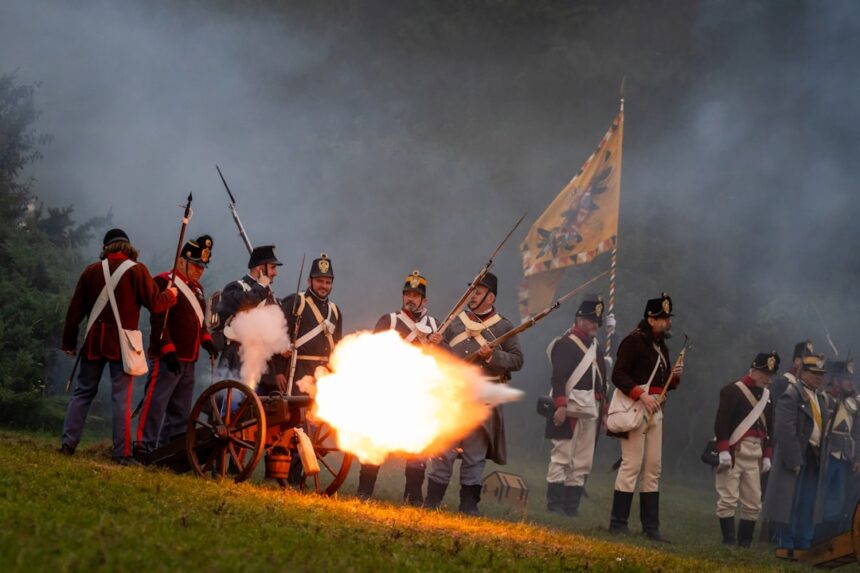
You are embarking on a journey into the intricate landscape of Cold War military history. This exploration, “Deep Dives,” is not about superficial skimming but about understanding the foundational mechanics and the seismic shifts that occurred during this geopolitical era. We will peel back the layers, examining the doctrines, the technologies, and the human element that shaped the conflict and its legacy.
The Cold War military landscape was a tapestry woven from fear and ideology. The fundamental differences between the emerging Soviet Union and the United States, coupled with their respective allies, set the stage for decades of proxy conflicts and an unprecedented arms race. Understanding these origins is like finding the bedrock upon which an entire continent of military thought was built.
The Formation of Blocs: NATO and the Warsaw Pact
The establishment of the North Atlantic Treaty Organization (NATO) in 1949 and the subsequent formation of the Warsaw Pact in 1955 were not mere administrative filings. They were the formalization of opposing military alliances, a handshake across a growing ideological chasm. NATO, initially, was conceived as a defensive bulwark against perceived Soviet expansionism in Europe. Its charter enshrined the principle of collective defense, meaning an attack on one member was considered an attack on all. This concept was a radical departure from traditional alliance structures, introducing a layer of mutual commitment that would dictate strategy and resource allocation for decades.
The Warsaw Pact, formed in 1955, was the Soviet Union’s response. Its creation was presented as a reciprocal defensive measure, mirroring NATO’s structure. However, it also served to solidify Soviet control over its Eastern European satellite states, ensuring a unified military front under Moscow’s direction. The military integration within the Warsaw Pact was often more centralized than within NATO, with a clearer chain of command flowing from the Soviet General Staff. The existence of these two opposing blocs created a bipolar world, where diplomatic and military postures were largely defined by allegiance to one side or the other. This division significantly influenced global military planning, leading to a constant assessment of the balance of power.
The Doctrine of Containment and its Military Implications
The United States’ overarching strategy during the Cold War, known as containment, was the intellectual scaffolding for much of its military activity. Articulated by George F. Kennan, containment posited that the Soviet Union, driven by an expansionist communist ideology, would continue to probe and expand its influence unless actively resisted. This resistance, however, was not to be achieved through direct offensive warfare against the Soviet heartland, which carried the unacceptable risk of nuclear escalation. Instead, containment aimed to prevent the spread of Soviet influence through a combination of diplomatic, economic, and, crucially, military means.
Military implications of containment were manifold. It necessitated a global network of alliances, military bases, and intelligence gathering operations. The establishment of NATO was a primary manifestation of this, but containment also extended to Asia. This doctrine fueled the Korean War and, later, the Vietnam War, as the US sought to prevent domino-like falls of neighboring countries to communism. The economic aspect of containment, such as the Marshall Plan, was designed to bolster the economies of potential allies, making them less susceptible to Soviet influence and, consequently, less likely to require direct military intervention. The military pillar of containment involved maintaining a credible deterrent, both conventional and nuclear, to dissuade Soviet aggression. This constant vigilance and preparation, spread across the globe, became the defining characteristic of American foreign and military policy for nearly half a century.
Nuclear Deterrence: The Sword of Damocles
The advent of nuclear weapons fundamentally reshaped military thinking and international relations. The Cold War became a high-stakes chess game played with these ultimate tools of destruction, where the greatest victory was often the avoidance of conflict itself. The concept of nuclear deterrence, or Mutual Assured Destruction (MAD) as it became known, was the terrifying glue that held the fragile peace together. This doctrine recognized that a full-scale nuclear exchange would result in the annihilation of both sides, making such an action suicidal. Therefore, the mere possession of nuclear weapons, and the credible threat of their use, was intended to prevent the other side from initiating aggression, particularly a conventional attack that might escalate.
The development of delivery systems – intercontinental ballistic missiles (ICBMs), submarine-launched ballistic missiles (SLBMs), and strategic bombers – played a crucial role in making deterrence credible. The ability to strike anywhere on the enemy’s territory, even after absorbing a first strike, was the logic of MAD. This led to an unprecedented arms race, not just in the number of warheads, but in the sophistication of delivery systems and warning networks. The constant threat of nuclear war cast a long shadow over the entire era, influencing everything from diplomatic negotiations to cultural anxieties. It was a precarious balance, where a miscalculation or an accident could have cataclysmic consequences.
For those interested in exploring the intricate details of Cold War military history, a fascinating article can be found at In The War Room. This resource delves into various aspects of military strategy, espionage, and the geopolitical tensions that defined the era, offering readers a comprehensive understanding of the conflicts and alliances that shaped the modern world.
Conventional Warfare and Proxy Conflicts
While the specter of nuclear annihilation loomed large, the Cold War was also characterized by intense conventional military engagements and a multitude of proxy wars. These conflicts, fought on the peripheries of the major power blocs, served as arenas for testing weapons, doctrines, and the resolve of both sides without triggering direct superpower confrontation.
The Korean War: A Prototypical Proxy Conflict
The Korean War (1950-1953) stands as a stark testament to the early application of containment doctrine and a harbinger of future proxy conflicts. Following World War II, Korea was divided at the 38th parallel, with the North falling under Soviet influence and the South under that of the United States. The invasion of South Korea by North Korean forces, supported by the Soviet Union with materiel and advisors, was viewed by the US and its allies as a clear act of communist aggression. The United Nations, with significant American leadership, authorized a military intervention to repel the invasion and restore the pre-war status quo.
This conflict was the first major hot war of the Cold War, demonstrating the resolve of the United States to militarily enforce its containment policy. It involved direct confrontations between American and Chinese forces, highlighting the dangers of escalation. The war ended in a stalemate, with the Korean peninsula remaining divided, a division that persists to this day. The Korean War served several purposes for both sides: for the US, it validated the necessity of a strong military response to communist expansion; for the Soviet Union and China, it demonstrated their willingness to support communist movements, albeit indirectly to avoid direct superpower conflict. The human cost was immense, a grim reminder of the realities of ideological struggle on the ground.
The Vietnam War: A Complex and Protracted Struggle
The Vietnam War (approximately 1955-1975) evolved from a civil conflict with external support into one of the most defining and divisive conflicts of the Cold War for the United States. The objective of preventing the spread of communism in Southeast Asia, a key tenet of the domino theory, led to increasing American involvement. Initially providing financial and military aid, the US eventually deployed hundreds of thousands of combat troops. The war was characterized by guerrilla warfare tactics employed by the Viet Cong and the North Vietnamese People’s Army, which proved highly effective against conventional American military superiority.
The protracted nature of the conflict, coupled with its high casualty rate and the widespread media coverage, generated significant domestic opposition within the United States. The war exposed the limitations of overwhelming military power against a determined insurgency and raised profound questions about the efficacy and morality of American foreign policy. For the Soviet Union and China, Vietnam served as a significant proxy battlefield, a theater where they could bleed American resources and political will without risking direct confrontation. The eventual withdrawal of American forces and the subsequent unification of Vietnam under communist rule was seen by many as a major strategic setback for the United States.
The Angolan Civil War and Other Regional Conflicts
Beyond Asia, the Cold War manifested itself in numerous other regional proxy conflicts, often fueled by local grievances exacerbated by superpower competition. The Angolan Civil War, which began in 1975 and continued for decades, is a prime example. Following Angola’s independence from Portugal, various liberation movements, each with backing from different Cold War powers, vied for control. The Popular Movement for the Liberation of Angola (MPLA) received support from the Soviet Union and Cuba, while the National Union for the Total Independence of Angola (UNITA) was backed by the United States, South Africa, and China.
These conflicts, though geographically distant from the main power centers, were critical battlegrounds for ideological influence and the demonstration of military capabilities. They drew in various regional actors and became complex quagmires where local factions were empowered and manipulated by external forces. The impact on the civilian populations of these nations was often devastating, leaving behind legacies of instability, unexploded ordnance, and deep-seated divisions. The Angolan case, like many others, highlights how the grand geopolitical chess game of the Cold War had very tangible and ruinous consequences for nations caught in its crossfire.
The Arms Race: Technological Innovation and Strategic Balance
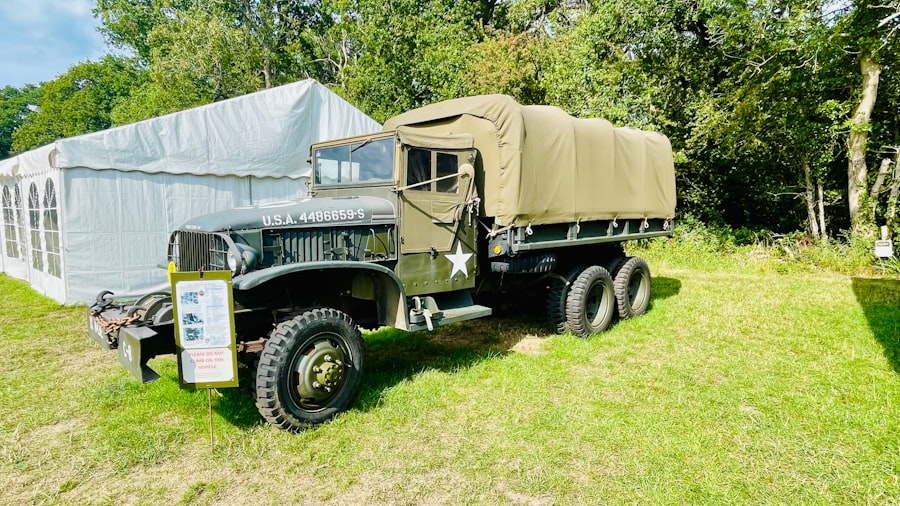
The Cold War was, in many respects, an arms race, a relentless pursuit of technological superiority and ever-increasing destructive capacity. This competition was a driving force behind significant advancements in military technology, forever changing the nature of warfare.
The Evolution of Nuclear Weaponry and Delivery Systems
The initial development of atomic bombs by the United States quickly gave way to a more potent and terrifying reality: the hydrogen bomb. This marked a significant escalation in destructive power, capable of far greater devastation than its predecessors. The subsequent decades saw a continuous refinement of nuclear warheads, focusing on increasing yield, accuracy, and miniaturization for easier deployment. Crucially, the development of reliable delivery systems became paramount.
The advent of intercontinental ballistic missiles (ICBMs) allowed for the direct targeting of adversaries across continents, shrinking response times and increasing the perceived threat. Submarine-launched ballistic missiles (SLBMs) provided a more survivable and stealthy second-strike capability, further solidifying the doctrine of Mutually Assured Destruction. Strategic bombers, while increasingly vulnerable, remained a vital component of nuclear arsenals, capable of delivering both tactical and strategic payloads. The constant technological race extended to early warning systems, missile defense research (though largely unsuccessful in creating a truly impenetrable shield), and the development of countermeasures. This technological treadmill was expensive and dangerous, constantly pushing the boundaries of human ingenuity towards ever more destructive ends.
Conventional Superiority vs. Asymmetric Warfare
While nuclear weapons held a terrifying allure as the ultimate deterrent, the Cold War also witnessed a significant emphasis on maintaining conventional military superiority. For the United States and its allies, this meant developing and deploying technologically advanced naval fleets, air forces, and mechanized ground forces. The doctrine of “flexible response” aimed to provide a range of options beyond nuclear annihilation, from limited conventional strikes to the deployment of tactical nuclear weapons. This necessitated a robust and adaptable conventional military capability, ready to counter any form of aggression.
Conversely, the Soviet Union, while possessing formidable conventional forces, increasingly found itself engaging with or supporting forces employing asymmetric warfare tactics. This included guerrilla warfare, terrorism, and the use of improvised explosive devices. These methods, often employed by less technologically advanced adversaries, sought to negate the conventional superiority of their opponents through unconventional means. The Vietnam War, as discussed, was a significant arena where this dynamic played out. The continued development of technologies like precision-guided munitions and advanced surveillance systems by the West was, in part, a response to the challenges posed by these asymmetric threats, seeking to regain an edge in a rapidly evolving battlefield.
The Space Race as a Military Technological Front
The “Space Race” between the United States and the Soviet Union was far more than a competition for national prestige; it was a crucial military technological front of the Cold War. The ability to launch objects into orbit, and eventually to the Moon, demonstrated advanced capabilities in rocketry, guidance systems, and materials science – all of which had direct military applications. Satellites offered unprecedented opportunities for reconnaissance, intelligence gathering, and communication networks.
The development of ICBMs was inextricably linked to the rocketry technology honed during the Space Race. The ability to launch a satellite into orbit was a precursor to the ability to launch a nuclear warhead intercontinentally. Reconnaissance satellites provided vital intelligence on enemy troop movements, missile sites, and industrial capacity, offering a more comprehensive understanding of the strategic balance than ever before. Communication satellites facilitated secure and rapid command and control, crucial for coordinating forces across vast distances. Therefore, the seemingly peaceful exploration of space was, at its core, a competition for strategic advantage and a crucial element in the unfolding military drama of the Cold War.
The Human Element: Soldiers, Spies, and Civilians
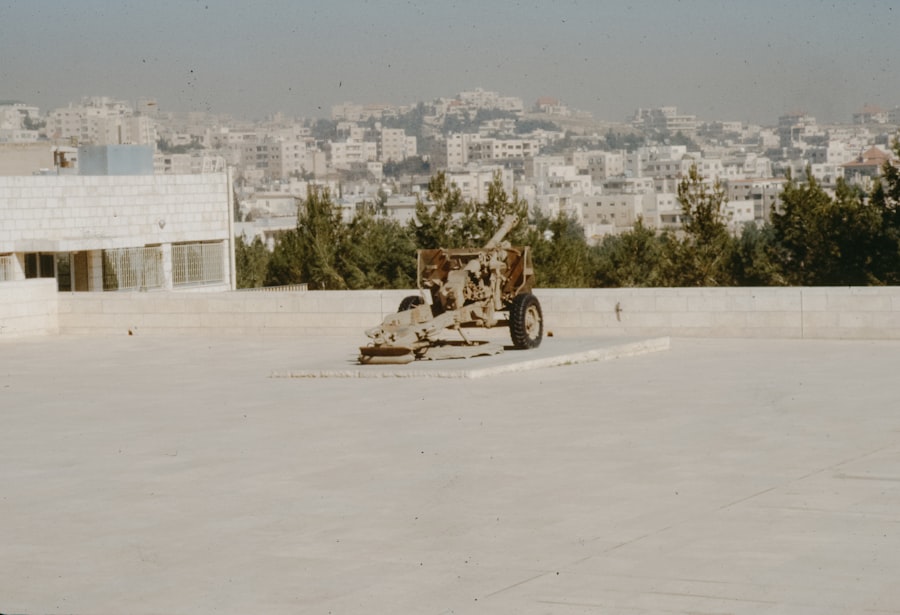
Beyond the doctrines, the weapons, and the geopolitical maneuvering, the Cold War was shaped by the actions and experiences of individuals. From the soldiers on the front lines of proxy wars to the intelligence operatives in the shadows and the civilians living under the constant threat of conflict, the human element is crucial to understanding this period.
Life in the Military: Training, Deployment, and Sacrifice
For millions of men and women in uniform, the Cold War meant a life defined by military service. Training regimes were rigorous, designed to instill discipline, proficiency, and ideological indoctrination. Deployments, whether to tense border regions, distant proxy war theaters, or aboard naval vessels on constant patrol, meant separation from families and exposure to the harsh realities of conflict or the constant vigilance of potential conflict. The specter of nuclear war, while distant for many, was a constant undercurrent, influencing deployment orders and strategic planning.
The sacrifices made were profound. Soldiers who fought in Korea and Vietnam endured immense physical and psychological hardship. Sailors on nuclear submarines bore the immense responsibility of being the tip of the spear, a constant threat capable of initiating global catastrophe. Even those in non-combat roles contributed to the massive logistical and informational machinery that underpinned the Cold War military posture. The experiences of these individuals, their stories of duty, camaraderie, loss, and resilience, offer a vital human counterpoint to the abstract strategies and technological races that dominate historical narratives.
The Shadow War: Espionage and Covert Operations
While military forces stood arrayed in visible tension, a parallel conflict raged in the shadows. Espionage and covert operations were integral components of the Cold War, serving as tools for intelligence gathering, disruption of enemy plans, and the subtle manipulation of international events. Agencies like the CIA and KGB engaged in a constant game of cat and mouse, planting agents, conducting surveillance, and orchestrating clandestine operations.
The intelligence gathered through these means was vital for understanding the enemy’s capabilities and intentions, informing strategic decisions and helping to maintain the delicate strategic balance. Covert operations ranged from propaganda campaigns and disinformation efforts to more direct interventions, such as supporting insurgent groups or assassinating political figures. These actions, often shrouded in secrecy, had a significant impact on regional conflicts and international relations, further complicating the already tense geopolitical landscape. The narrative of the Cold War is incomplete without acknowledging the crucial, and often morally ambiguous, role played by individuals operating far from the battlefield.
The Impact on Civilian Life: The Nuclear Threat and Social Change
The omnipresent threat of nuclear war had a profound and pervasive impact on civilian life on both sides of the Iron Curtain. Civil defense drills, bomb shelters, and public information campaigns about nuclear preparedness became commonplace. The psychological toll of living under such a threat, while difficult to quantify, likely led to widespread anxiety and a heightened awareness of global instability.
Beyond the direct fear of annihilation, the Cold War’s military spending and technological competition also influenced societal development. Resources channeled into military research and development often had technological spin-offs that benefited civilian sectors, such as advancements in computing, telecommunications, and materials science. However, the enormous expenditure on armaments also diverted resources from social programs and civilian infrastructure. Furthermore, the ideological struggle of the Cold War permeated cultural and political discourse, shaping artistic expression, political ideologies, and social movements. The very fabric of daily life for ordinary citizens was, in subtle and overt ways, intertwined with the ongoing military standoff between the superpowers.
For those interested in exploring the intricate details of Cold War military history, a fascinating article can be found at this link. It delves into the strategic maneuvers and political tensions that defined the era, providing a comprehensive analysis of key events and figures. This resource is perfect for anyone looking to deepen their understanding of the complex dynamics that shaped global relations during this pivotal time in history.
Legacy and Lessons Learned
| Topic | Time Period | Key Events | Military Technologies | Impact on Global Strategy |
|---|---|---|---|---|
| Korean War | 1950-1953 | Invasion of South Korea, UN intervention, Armistice Agreement | Jet fighters (F-86 Sabre, MiG-15), early helicopters, tanks | First proxy war, solidified US containment policy |
| Cuban Missile Crisis | 1962 | Discovery of Soviet missiles in Cuba, naval blockade, negotiations | ICBMs, nuclear submarines, reconnaissance aircraft (U-2) | Heightened nuclear deterrence, established direct US-Soviet communication |
| Vietnam War | 1955-1975 | US military escalation, Tet Offensive, Paris Peace Accords | Helicopters (Huey), napalm, chemical agents (Agent Orange) | Shift in US military tactics, impact on public opinion and policy |
| Arms Race | 1947-1991 | Development of nuclear arsenals, SALT treaties, Strategic Defense Initiative | ICBMs, MIRVs, stealth technology, ABM systems | Maintained balance of power, led to arms control agreements |
| Berlin Airlift | 1948-1949 | Soviet blockade of West Berlin, Allied air supply operation | C-47 and C-54 transport aircraft | Demonstrated Western commitment, early Cold War confrontation |
The conclusion of the Cold War did not erase its impact. The military structures, doctrines, and technological advancements forged during this era continue to shape the global landscape and offer crucial lessons for the present and future.
The Dissolution of Blocs and the Shifting Geopolitical Map
The fall of the Berlin Wall in 1989 and the subsequent dissolution of the Soviet Union and the Warsaw Pact marked a seismic shift in the global geopolitical order. The bipolar world, which had defined international relations for nearly half a century, effectively dissolved. NATO, which had been conceived as a bulwark against Soviet aggression, faced an existential question: what was its purpose in a post-Cold War world? Its expansion eastward into former Warsaw Pact territories became a defining feature of the new era, a move viewed with skepticism and concern by Russia.
The dissolution of blocs led to a period of multipolarity, with the United States emerging as the sole superpower. However, the vacuum left by the collapse of the Soviet system also created new challenges, including regional instability, the proliferation of weapons, and the rise of new threats. The legacy of the military structures and alliances forged during the Cold War continues to influence contemporary security arrangements and international diplomacy, demonstrating that the end of a conflict does not mean the immediate disappearance of its consequences.
The Enduring Influence of Military Technology and Strategy
The technological innovations born out of the Cold War arms race continue to be foundational to modern military capabilities. Advanced computing, satellite technology, precision-guided munitions, and stealth technology, all significantly developed during this period, remain central to contemporary warfare. The strategic thinking that emerged, particularly regarding deterrence, nuclear strategy, and the conduct of proxy conflicts, continues to inform military planning, even if the specific adversaries and contexts have changed.
The emphasis on maintaining a technological edge, a hallmark of the Cold War, persists. Nations continue to invest heavily in research and development to ensure they possess superior military capabilities. Understanding the historical trajectory of these technologies and strategies provides valuable context for analyzing current geopolitical tensions and military builduces. The lessons learned, or perhaps not learned, from the constant escalation and the near misses of the Cold War era remain acutely relevant as global powers navigate a complex and often unpredictable security environment.
Lessons for Contemporary Security Challenges
The Cold War offers a rich tapestry of lessons, both cautionary and instructive, for addressing contemporary security challenges. The danger of miscalculation and unintended escalation, exemplified by incidents like the Cuban Missile Crisis, underscores the importance of robust communication channels and de-escalation strategies between major powers. The limitations of military power in achieving political objectives, as demonstrated by the protracted and ultimately unsuccessful interventions in Vietnam and Afghanistan, highlight the necessity of understanding the local political and social dynamics of any conflict.
Furthermore, the prolonged and costly nature of the arms race serves as a stark reminder of the economic and human toll of perpetual military competition. The proliferation of nuclear weapons, a direct consequence of the Cold War dynamic, remains a significant global security concern. The Cold War experience also underscores the importance of comprehensive approaches to security that integrate diplomatic, economic, and informational tools alongside military capabilities. By delving into the intricacies of Cold War military history, we gain a deeper appreciation for the forces that have shaped our world and a clearer perspective on the challenges and opportunities that lie ahead in the realm of global security.

WATCH NOW ▶️ STOP: The $100 Billion Titanium Myth Exposed
FAQs
What was the Cold War?
The Cold War was a period of geopolitical tension between the United States and its NATO allies and the Soviet Union and its satellite states, lasting roughly from 1947 to 1991. It was characterized by political, military, and ideological rivalry without direct large-scale fighting between the two superpowers.
What were the main military strategies used during the Cold War?
The primary military strategies included deterrence through nuclear weapons, proxy wars, espionage, and the buildup of conventional forces. Both sides developed extensive nuclear arsenals to maintain a balance of power known as Mutually Assured Destruction (MAD).
What role did proxy wars play in Cold War military history?
Proxy wars were conflicts where the US and the Soviet Union supported opposing sides without engaging directly. Examples include the Korean War, the Vietnam War, and the Soviet-Afghan War. These wars allowed the superpowers to influence global politics and test military tactics indirectly.
How did technological advancements impact Cold War military history?
Technological advancements such as intercontinental ballistic missiles (ICBMs), nuclear submarines, spy satellites, and advanced aircraft significantly shaped Cold War military strategies. These innovations enhanced surveillance, deterrence, and rapid response capabilities.
What led to the end of the Cold War?
The Cold War ended due to a combination of factors including economic stagnation in the Soviet Union, political reforms under Mikhail Gorbachev like glasnost and perestroika, the easing of tensions through arms control agreements, and the collapse of communist regimes in Eastern Europe by 1991.