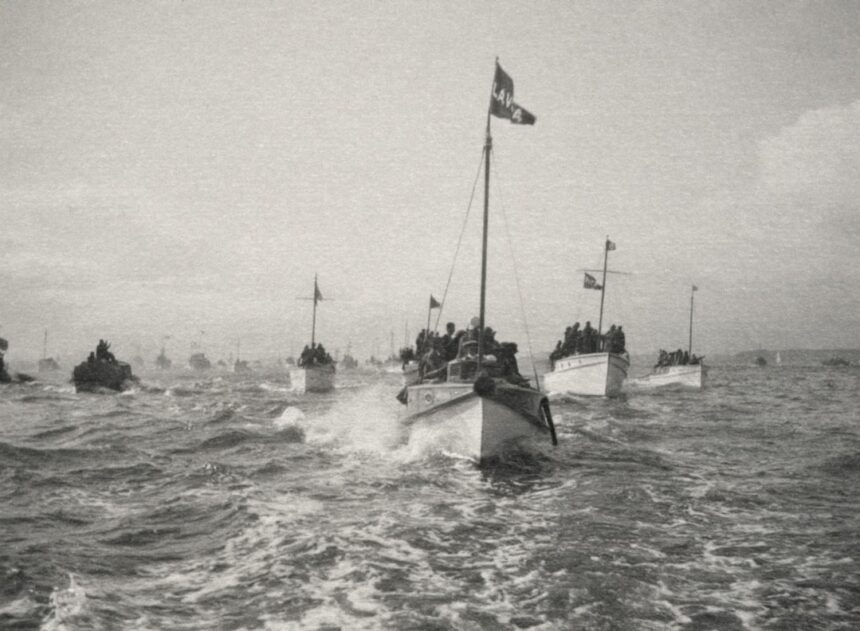
The history of the Central Intelligence Agency (CIA) is intrinsically linked to the vast, often unseen, expanse of the world’s oceans. For decades, the agency has conducted a range of maritime operations, employing clandestine methods to gather intelligence, influence geopolitical events, and project power far from terrestrial shores. These missions have taken many forms, from the subtle deployment of listening devices to the direct intervention in naval conflicts, silently shaping the course of history much like the unseen currents that dictate ocean voyages.
The genesis of the CIA’s involvement in maritime matters can be traced back to the nascent stages of the Cold War. The immense strategic importance of naval power became readily apparent, and the agency recognized the critical need to understand the capabilities and intentions of potential adversaries at sea.
The Dawn of Naval Espionage
Following World War II, the United States found itself in a new ideological struggle. The Soviet Union’s burgeoning submarine fleet and its ambitious naval expansion posed a significant threat. The CIA, established in 1947, inherited the mantle of intelligence gathering from its predecessors and quickly turned its attention to the seas. Early efforts focused on traditional espionage methods: cultivating agents within maritime industries, intercepting communications, and analyzing publicly available information. However, the unique challenges of maritime intelligence demanded more innovative approaches. The sheer scale of the oceans, the mobility of naval assets, and the inherent secrecy of military operations meant that simple human intelligence would not suffice.
Project Azorian: A Bold Salvage Operation
Perhaps one of the most audacious and illustrative examples of early CIA maritime operations was Project Azorian. Launched in the early 1970s, this clandestine mission aimed to recover a sunken Soviet submarine, the K-129, from the depths of the Pacific Ocean. The submarine had sunk in 1968, taking its entire crew with it and, more importantly, carrying sensitive ballistic missiles and codebooks. The CIA, under the guise of a deep-sea mining operation, constructed a colossal ship named the Glomar Explorer. This vessel, a marvel of engineering for its time, was designed to house a massive claw capable of lifting a significant portion of the submarine from the ocean floor, thousands of feet below. The operation was fraught with technical challenges and the constant threat of discovery by Soviet surveillance. While the full success of Project Azorian remains a subject of historical debate, the sheer ingenuity and scale of the undertaking highlight the CIA’s willingness to engage in highly complex, technically demanding maritime missions. The Glomar Explorer itself became a silent sentinel on the waves, its true purpose cloaked in a veil of corporate legitimacy.
The history of CIA maritime operations is a fascinating subject that highlights the agency’s strategic use of naval assets in various covert missions. For a deeper understanding of this topic, you can explore a related article that delves into the intricacies of these operations and their impact on global events. To read more, visit this article.
Covert Support and Influence Operations at Sea
Beyond intelligence gathering, the CIA has also employed its maritime capabilities to covertly support friendly forces, disrupt enemy operations, and influence regional conflicts. These interventions, often shielded from public scrutiny, have played a role in shaping geopolitical landscapes.
Enabling Allied Navies
Throughout the Cold War and beyond, the CIA provided crucial, albeit covert, support to the naval forces of allied nations. This support could range from supplying advanced intelligence on adversary movements to providing material assistance in the form of equipment or training. The agency acted as a silent benefactor, bolstering the defensive capabilities of key maritime partners without formally acknowledging its involvement. This allowed for plausible deniability, insulating the U.S. from direct accusations of intervention while achieving strategic objectives. Think of it as a craftsman providing specialized tools to a carpenter, enabling them to build something vital, but without announcing their role in the construction itself.
Disrupting Enemy Supply Lines and Operations
On the flip side, CIA maritime operations have also been directed at disrupting the logistical chains and operational effectiveness of adversaries. This could involve intelligence sharing that allows allied navies to interdict enemy vessels, or more direct actions aimed at degrading enemy maritime infrastructure or capabilities. The vastness of the seas offers numerous avenues for such disruption, from the open ocean to vital chokepoints. The goal, in essence, was to act as a phantom current, subtly altering the flow of goods and intentions, and creating unwelcome eddies of uncertainty for those on the opposing side.
The Cuban Missile Crisis: A Naval Standoff with Covert Undertones
While the overt U.S. naval quarantine during the Cuban Missile Crisis is well-documented, covert CIA maritime involvement played a significant, if less visible, role. The agency was instrumental in providing the intelligence that confirmed the presence of Soviet missile sites in Cuba, acting as the initial alarm bell. Furthermore, post-crisis, CIA maritime assets were likely involved in continued surveillance and monitoring of Cuba, ensuring compliance with any agreements and remaining vigilant against renewed threats. The agency’s ability to rapidly gather and transmit actionable intelligence from maritime environments was critical in navigating this perilous confrontation.
Submarine Warfare and Underwater Operations
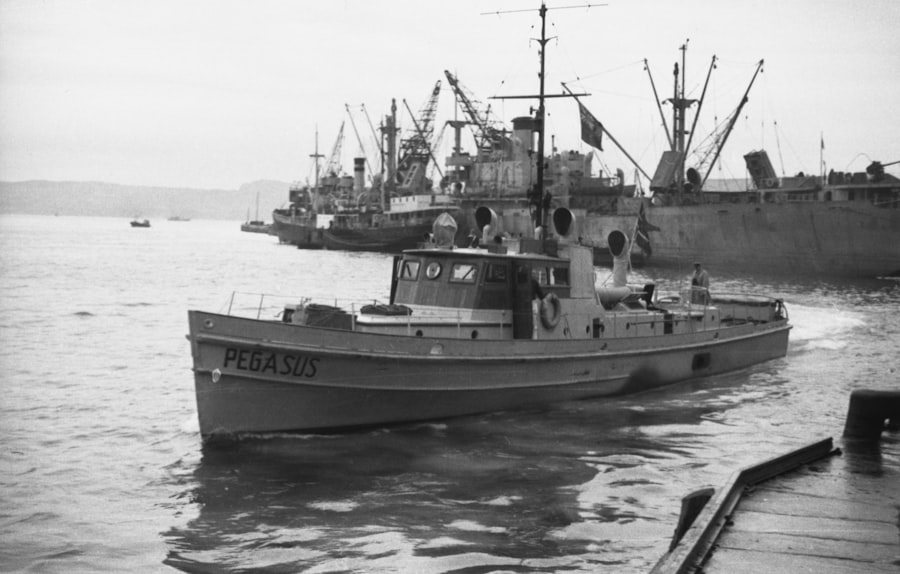
The silent world beneath the waves has been a crucial arena for CIA operations, particularly concerning submarine technology and activities. The stealth and strategic importance of submarines have made them prime targets for intelligence gathering and, at times, for direct covert action.
The Silent Hunt: Intelligence on Soviet Submarine Fleets
A significant portion of CIA maritime intelligence efforts has been dedicated to understanding the Soviet Union’s formidable submarine fleet. This involved tracking submarine patrols, identifying new classes of vessels, and deciphering the communication protocols used by these underwater predators. The agency employed a variety of methods, including signals intelligence (SIGINT) from airborne and ship-based platforms, as well as human intelligence sources within naval yards and submarine bases. The goal was to maintain a clear picture of the “silent service,” understanding its strengths, weaknesses, and deployment patterns. This intelligence was a critical component in strategic defense planning, informing the U.S. Navy’s own anti-submarine warfare (ASW) capabilities and deterring potential aggression.
Acoustic Intelligence and Eavesdropping
Submarines are notoriously difficult to detect, but their very operation generates acoustic signals that can be exploited for intelligence purposes. The CIA has invested heavily in developing and deploying sophisticated acoustic intelligence (ACINT) capabilities. This includes the use of fixed underwater sensor arrays, towed sonar arrays on surface vessels, and even specialized underwater vehicles designed to listen in on enemy submarine activity. These silent ears, strategically placed along vital transit routes, act as an invisible net, attempting to capture the whispers of the ocean’s depths.
Operation Ivy Bells: A Bold Infiltration of Soviet Communications
Operation Ivy Bells stands as a testament to the audacious nature of CIA underwater operations. In the 1970s, divers from the U.S. Navy, with CIA support and oversight, successfully attached tapping devices to Soviet underwater communication cables in the Sea of Okhotsk. These cables carried vital military communications between Soviet naval bases. The operation involved risky dives in hostile waters, under the constant threat of Soviet patrols. The intelligence gathered from these taps was invaluable, providing insights into Soviet naval operations and strategic intentions. The success of Ivy Bells demonstrated the agency’s ability to execute highly technical and dangerous missions in the most unforgiving environments.
Maritime Surveillance and Reconnaissance
The ability to observe and monitor maritime activity is fundamental to any effective intelligence agency, and the CIA has leveraged a diverse array of platforms to achieve this objective. From the skies to the depths, the agency has sought to maintain a constant, albeit often unseen, vigil.
Aerial Reconnaissance Platforms
Aircraft have long been a mainstay of maritime surveillance. The CIA has utilized a variety of covert aerial reconnaissance platforms, ranging from modified commercial airliners to specialized, high-altitude surveillance aircraft that could operate far from the public eye. These platforms were equipped with advanced sensors, including radar, infrared cameras, and electronic intelligence gathering equipment, allowing them to track vessel movements, identify naval exercises, and intercept radio communications. These flying sentinels provided a broad overview of ocean activities, acting as the eyes in the sky that scanned the vast blue canvas.
Satellite Imagery and Remote Sensing
The advent of satellite technology revolutionized intelligence gathering, and the CIA was at the forefront of exploiting this capability for maritime surveillance. Satellites equipped with advanced imaging sensors can provide near real-time imagery of naval bases, ports, and the open ocean, tracking the movement of ships and identifying changes in maritime infrastructure. Furthermore, remote sensing technologies can detect subtle environmental changes or emissions that might indicate clandestine maritime activity. These orbiting observatories offer a persistent, global perspective, offering a bird’s-eye view that transcends the limitations of conventional reconnaissance.
Covert Infiltration and Observation
In certain sensitive situations, the CIA has employed covert human operatives for maritime reconnaissance and observation. This could involve infiltrating port facilities, posing as merchant sailors, or even operating small, clandestine vessels to monitor specific targets. These missions require a high degree of skill, deception, and bravery, as operatives often work in environments where their true purpose would have severe consequences if discovered. These ground-level observers, like skilled fishermen casting their nets, sought to capture the nuanced details that might escape more distant vantage points.
The history of CIA maritime operations reveals a fascinating interplay between intelligence and naval strategy, showcasing how the agency has utilized maritime assets to further national interests. For those interested in exploring this topic in greater depth, a related article can be found at In the War Room, which delves into various covert operations and their impact on maritime security. This resource provides valuable insights into the complexities of maritime intelligence and the role of the CIA in shaping naval operations throughout history.
Future Directions and Evolving Challenges
| Year | Operation Name | Location | Objective | Outcome | Notes |
|---|---|---|---|---|---|
| 1954 | Operation PBSUCCESS | Guatemala | Covert maritime support for overthrow of government | Successful | Used maritime routes to smuggle arms and agents |
| 1961 | Bay of Pigs Invasion | Cuba | Amphibious landing to overthrow Castro | Failed | Maritime operations involved landing of exile forces |
| 1970s | Operation CHAOS | Global waters | Surveillance and intelligence gathering on foreign vessels | Ongoing | Included maritime reconnaissance missions |
| 1980s | Operation Cyclone | Indian Ocean | Support to Afghan mujahideen via maritime supply routes | Successful | Used maritime routes to deliver weapons and supplies |
| 2000s | Counterterrorism Maritime Operations | Global | Prevent maritime terrorism and smuggling | Ongoing | Includes cooperation with Navy and Coast Guard |
As the global geopolitical landscape continues to shift, so too do the demands placed upon the CIA’s maritime operations. Emerging threats and technological advancements necessitate a constant evolution of strategy and capability.
The Rise of Unmanned Systems and Autonomous Operations
The development of unmanned aerial vehicles (UAVs), unmanned underwater vehicles (UUVs), and autonomous surface vessels (ASVs) is transforming the maritime domain. The CIA is undoubtedly investing heavily in these technologies, which offer greater persistence, reduced risk to human operatives, and the ability to operate in contested or denied environments. These robotic scouts and sentinels are becoming increasingly sophisticated, capable of independent operation and data collection, opening up new frontiers for covert maritime intelligence.
Countering Transnational Maritime Threats
Beyond state-on-state competition, the CIA’s maritime operations are increasingly focused on countering transnational threats. This includes combating piracy, illicit drug trafficking, illegal fishing, and the movement of weapons of mass destruction by non-state actors. These diffuse threats require flexible and adaptable maritime intelligence capabilities, often involving close cooperation with international partners. The agency must navigate a complex web of actors and motives, where conventional military assets may not always be the most effective solution.
The Information Warfare at Sea
In an increasingly connected world, information itself has become a vital battlefield, even at sea. The CIA’s maritime operations will likely involve a greater emphasis on cyber warfare and electronic countermeasures directed at maritime command and control systems, as well as the exploitation of open-source intelligence and social media to glean insights into maritime activities and public sentiment. The silent battles for hearts and minds, and for control of information, are now extending to the ocean’s expanse.
The CIA’s maritime operations, shrouded in secrecy and conducted far from the public eye, have been a persistent and critical component of U.S. national security strategy. From the daring salvage of sunken submarines to the silent surveillance of enemy fleets, these covert missions have navigated a complex and ever-changing seascape, silently shaping the currents of global affairs. As the world’s oceans continue to hold strategic importance, the agency’s role in the hidden depths and on the rolling waves will undoubtedly remain a vital, albeit often unsung, facet of intelligence work.
WATCH NOW ▶️ SHOCKING: How The CIA Stole A Nuclear Submarine
FAQs
What is the history of CIA maritime operations?
The CIA’s maritime operations history dates back to the Cold War era, involving covert activities such as intelligence gathering, sabotage, and support for allied forces using naval assets. These operations often included the use of specialized vessels, underwater equipment, and collaboration with other military and intelligence agencies.
What types of maritime assets has the CIA used in its operations?
The CIA has utilized a variety of maritime assets including covert ships, submarines, underwater surveillance devices, and small boats. These assets were employed for reconnaissance, insertion and extraction of agents, and conducting clandestine missions in international waters.
How did the CIA’s maritime operations contribute to intelligence gathering?
Maritime operations allowed the CIA to monitor enemy naval movements, intercept communications, and gather critical intelligence from coastal and offshore locations. These operations provided strategic advantages during conflicts by enabling covert surveillance and reconnaissance.
Were there any notable maritime operations conducted by the CIA?
Yes, notable operations include the use of the Glomar Explorer for deep-sea recovery missions, covert support for anti-communist forces in Southeast Asia, and underwater espionage activities during the Cold War. These missions often remained classified for decades.
How has CIA maritime operations evolved over time?
Over time, CIA maritime operations have evolved with advancements in technology, shifting from traditional naval vessels to incorporating unmanned underwater vehicles, satellite communications, and enhanced stealth capabilities. The focus has expanded to include counterterrorism and cyber-related maritime intelligence.