In the seemingly silent depths of the ocean, a constant hum of activity exists, a symphony of natural and man-made sounds that can reveal hidden truths. For decades, the United States Navy has harnessed the power of these sonic echoes, utilizing a sophisticated network of underwater listening devices to monitor our planet’s immense watery expanse. This is the story of how SOSUS hydrophones, a silent sentinel array, have become an indispensable tool for uncovering submarine activity, offering a unique window into the often-invisible world of underwater warfare and scientific discovery.
The development of SOSUS, an acronym for Sound Surveillance System, was born out of the Cold War imperative. As geopolitical tensions escalated, the need to track the movements of Soviet submarines became paramount. These silent predators, lurking beneath the waves, posed a significant threat to naval operations and global stability. The challenge was immense: sound travels further and faster underwater than it does in air, making the ocean a vast acoustic environment ripe for exploitation. However, pinpointing the source of these sounds, especially faint ones from distant submarines, required a technological leap.
Early Acoustic Research
The foundational principles of underwater acoustics were established long before the Cold War. Scientists and engineers had been studying the propagation of sound in water, understanding how factors like temperature, salinity, and pressure influenced its speed and range. This understanding formed the bedrock upon which the SOSUS system would be built. Experiments in the initial decades of the 20th century began to reveal the potential of using sound to both detect and identify underwater objects.
The Cold War Imperative
The advent of nuclear-powered submarines, capable of sustained submerged operations and carrying ballistic missiles, amplified the urgency for an effective submarine detection system. Traditional methods, such as sonar on surface ships, had limitations in terms of range and endurance. The idea of a fixed, passive listening network—a vast undersea ear—emerged as a potentially game-changing solution. This network would not actively transmit sound, thus remaining undetected, but would instead listen for the sounds generated by passing submarines.
Design and Deployment Challenges
Building a global network of hydrophones presented monumental engineering hurdles. The sensors needed to be robust enough to withstand the extreme pressures and corrosive environment of the deep ocean. Laying miles upon miles of sensitive cabling across the seabed, often in remote and treacherous locations, required specialized vessels and meticulous planning. The sheer scale of the undertaking, stretching across vast oceanic trenches and continental shelves, was unprecedented.
The SOSUS (Sound Surveillance System) hydrophone network has played a crucial role in submarine detection since its inception during the Cold War. For a deeper understanding of its impact on naval warfare and underwater surveillance technology, you can explore a related article that discusses the evolution and effectiveness of SOSUS in modern maritime security. For more information, visit this article.
The Symphony of the Seas: What SOSUS Listens For
SOSUS hydrophones are not simply microphones. They are highly sensitive instruments designed to capture a broad spectrum of underwater sounds, from the natural cacophony of marine life to the distinct acoustic signatures of man-made vessels. The system’s strength lies not only in its ability to detect sound but also in its capacity to analyze and interpret these sonic signatures, transforming them into actionable intelligence.
Natural Ocean Acoustics
The ocean is a constantly active acoustic environment. Whales sing their complex songs, dolphins click and whistle, and the constant rumble of seismic activity contributes to the ambient noise. Understanding these natural sounds is crucial for SOSUS operators. It allows them to differentiate between the natural background and the specific sounds of interest, much like a trained musician can isolate a single instrument within an orchestra.
The Aural Fingerprint of a Submarine
Every submarine, regardless of its stealth technology, produces a unique acoustic “fingerprint.” The propeller shaft’s rotation, the hum of the engines, the churning of water around the hull – all these create distinct sound patterns. Diesel submarines, with their internal combustion engines, generate a much louder and more readily detectable sound signature than their nuclear-powered counterparts. Nuclear submarines, while quieter, still produce identifiable sounds from their propulsion systems and various internal machinery. SOSUS is designed to pick up these subtle yet distinctive noises, creating a sonic silhouette of the passing vessel.
Identifying Vessel Types and Activities
Through advanced signal processing and machine learning, the SOSUS system can go beyond mere detection. By analyzing the frequency, amplitude, and timing of sounds, operators can often determine the type of submarine, its speed, its direction of travel, and even infer its operational status. For example, the sound of a submarine’s ballast tanks being flooded indicates a dive, while the distinctive whine of active sonar (though less common for submarines trying to remain undetected) can reveal intent. The system acts as an undersea acoustic seismograph, charting the movements and activities of submerged craft.
Technical Ingenuity: The Hardware Behind the Hearing
The success of SOSUS hinges on the sophisticated technology employed in its design and operation. From the hydrophones themselves to the complex data processing capabilities, every component is meticulously engineered to maximize detection and minimize noise interference. The system is a testament to human ingenuity in overcoming the challenges of the deep ocean environment.
The Hydrophone Element
At the heart of the SOSUS system are the individual hydrophones. These are essentially underwater microphones, typically made of piezoelectric crystals that convert pressure variations in the water into electrical signals. These crystals are arranged in arrays, often along the seabed, to enhance their sensitivity and directional capabilities. The choice of materials and their precise arrangement are critical for capturing faint sounds over vast distances and filtering out unwanted noise.
Cabling and Data Transmission
Connecting these hydrophone arrays to shore-based processing centers requires robust and reliable cabling. These cables are laid on the ocean floor, often buried to protect them from damage. The data collected by the hydrophones is transmitted through these cables, which are themselves marvels of engineering, designed to withstand immense pressure and the corrosive salty environment. In some cases, acoustic modems are used for data transmission in areas where cable deployment is impractical or impossible.
Signal Processing and Analysis Centers
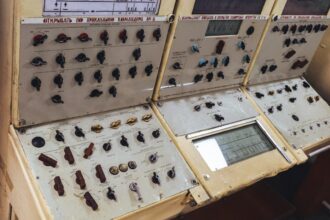
The raw acoustic data collected by SOSUS is not immediately intelligible. It must be processed and analyzed by sophisticated computer systems and skilled acousticians. These analysis centers are the brains of the operation, where the subtle echoes from distant submarines are filtered, amplified, and compared against a vast library of known acoustic signatures. Advanced algorithms and artificial intelligence play an increasingly important role in identifying and classifying these sounds, much like a detective piecing together clues.
Power and Maintenance Challenges
Maintaining a distributed network of sensors across the vastness of the ocean floor presents ongoing logistical and technical challenges. Powering these remote installations, ensuring the integrity of data transmission cables, and performing repairs in such an inaccessible environment are complex undertakings. Regular maintenance, often involving specialized submersibles and remotely operated vehicles (ROVs), is essential to keep the SOSUS network operational.
Beyond Submarines: The Broader Impact of SOSUS
While the primary mission of SOSUS was rooted in military intelligence, its capabilities have transcended this initial purpose. The vast amount of acoustic data collected has proven invaluable to the scientific community, providing unprecedented insights into marine biology, oceanography, and seismology. The system has, in essence, become a powerful scientific instrument as well as a military one.
Marine Mammal Research
The sounds of whales and dolphins, once just a part of the ocean’s natural symphony, have become subjects of intense scientific study thanks to SOSUS. Researchers can track migration patterns, study social behaviors, and monitor the health of whale populations by analyzing their vocalizations. The system allows scientists to listen to these magnificent creatures with an unprecedented level of detail and over vast geographical areas, providing a vital, non-intrusive method for understanding their lives.
Oceanographic Studies
SOSUS data also contributes to our understanding of oceanic processes. The sound of ocean currents, the rumble of underwater earthquakes, and the acoustic echoes produced by ships and other underwater activities can provide valuable information about water temperature, salinity distribution, and seafloor topography. This data helps oceanographers build more accurate models of ocean circulation and predict the impact of climate change.
Seismological Monitoring
The ocean floor is a seismically active region. SOSUS hydrophones are capable of detecting seismic waves that travel through the water column or along the seabed. This makes them valuable tools for monitoring earthquakes and volcanic activity occurring underwater, providing early warnings and contributing to our understanding of Earth’s geological processes.
Historical Acoustic Archives
The continuous operation of SOSUS has created an invaluable historical archive of underwater sounds. This archive allows researchers to study changes in ocean noise over time, track the presence of different types of vessels, and understand the acoustic footprint of human activity in the oceans throughout the latter half of the 20th century and into the 21st.
The SOSUS hydrophone system has played a crucial role in submarine detection, significantly enhancing naval capabilities during the Cold War and beyond. For a deeper understanding of the technological advancements and strategic implications of this underwater surveillance system, you can explore a related article that delves into its historical context and operational effectiveness. This insightful piece can be found here, providing valuable information on how SOSUS has shaped modern naval warfare.
The Evolving Landscape: Modern Trends and Future Prospects
| Metric | Description | Typical Value | Unit |
|---|---|---|---|
| Detection Range | Maximum distance at which a submarine can be detected | 100-200 | nautical miles |
| Frequency Range | Operational frequency band of SOSUS hydrophones | 10-1000 | Hz |
| Array Length | Length of the hydrophone array deployed on the ocean floor | 10-20 | kilometers |
| Number of Hydrophones | Number of individual hydrophone elements in an array | 100-200 | units |
| Signal Processing Latency | Time delay between signal reception and detection output | 1-5 | seconds |
| Detection Probability | Likelihood of detecting a submarine under optimal conditions | 0.85-0.95 | probability (0-1) |
| False Alarm Rate | Frequency of false detections per hour | 0.01-0.05 | alarms/hour |
The technological landscape of underwater surveillance is constantly evolving. As submarines become quieter and new technologies emerge, the SOSUS system continues to adapt and improve. The integration of artificial intelligence and advancements in sensor technology are shaping the future of undersea acoustic monitoring.
Advancements in Sensor Technology
New generations of hydrophones are being developed with even greater sensitivity, broader frequency ranges, and improved noise reduction capabilities. These advancements allow for the detection of fainter sounds from more stealthy submarines and provide a clearer picture of the underwater acoustic environment. Fiber optic sensors, for instance, offer promising alternatives to traditional piezoelectric elements.
The Rise of Artificial Intelligence
Artificial intelligence and machine learning are revolutionizing the way acoustic data is processed. AI algorithms can now identify and classify submarine sounds with remarkable accuracy, often outperforming human analysts. This allows for faster and more efficient analysis of vast datasets, enabling real-time threat assessment and improved intelligence gathering. AI can learn to recognize nuanced patterns that might be missed by human observation alone.
The Continued Role in Global Security
Despite the proliferation of other surveillance technologies, SOSUS remains a critical component of global security. Its ability to passively and persistently monitor vast ocean areas makes it an indispensable tool for tracking submarine movements and detecting potential threats. The system provides a crucial layer of reassurance in an increasingly complex geopolitical environment.
Ethical Considerations and International Cooperation
The deployment of extensive underwater surveillance networks like SOSUS also raises ethical questions regarding privacy and international cooperation. While the primary focus is on military intelligence, the data collected has significant scientific implications. Future developments will likely involve discussions about data sharing and the responsible use of this powerful technology in a global context. The potential for misunderstanding or misuse of such extensive monitoring capabilities necessitates careful consideration of international norms and agreements.

WATCH NOW ▶️ SHOCKING: How The CIA Stole A Nuclear Submarine
FAQs
What is SOSUS and how does it work?
SOSUS, or the Sound Surveillance System, is a network of underwater hydrophone arrays used primarily by the United States Navy to detect and track submarines. It works by capturing low-frequency sound waves emitted by submarines and other underwater vessels, allowing operators to monitor submarine movements over vast ocean areas.
What types of submarines can SOSUS detect?
SOSUS is designed to detect a wide range of submarines, including nuclear-powered and diesel-electric submarines. Its sensitivity to low-frequency sounds enables it to pick up the acoustic signatures of submarines even when they are operating quietly or at great distances.
Where are SOSUS hydrophone arrays typically located?
SOSUS hydrophone arrays are strategically placed on the ocean floor, often near key maritime chokepoints, coastlines, and along the continental shelf. These locations maximize the system’s ability to monitor submarine activity in critical areas of naval interest.
Is SOSUS still in use today?
While the original SOSUS system was developed during the Cold War, its technology and infrastructure have evolved. Some components of SOSUS remain operational, integrated into modern undersea surveillance systems, though many details about current deployments are classified.
What are the limitations of SOSUS in submarine detection?
SOSUS is highly effective at detecting submarines that produce low-frequency noise, but it has limitations. Quiet submarines using advanced noise-reduction technologies can be harder to detect. Additionally, environmental factors like ocean temperature, salinity, and seabed topography can affect sound propagation and detection accuracy.