The intricate relationship between government and artistic expression has long been a subject of intense debate, particularly within the realm of filmmaking. Film censorship, a practice as old as cinema itself, continues to manifest in various forms across the globe, reflecting diverse political ideologies, cultural sensitivities, and moral frameworks. This article delves into the nuances of government control over film content in the modern age, examining its historical roots, contemporary manifestations, underlying justifications, and profound implications for both filmmakers and audiences globally. You, the reader, are invited to consider the subtle and overt ways in which these controls shape the cinematic landscape, a mirror reflecting society and a window into alternative perspectives.
The impulse to regulate moving images emerged almost concurrently with their invention. Early cinema, often viewed as a novelty or even a moral hazard, quickly attracted the attention of authorities. The potential for film to influence public opinion, incite unrest, or corrupt morals was recognized early on, leading to sporadic and often localized attempts at control.
The Dawn of Pre-emptive Censorship
In the United States, for instance, the Supreme Court’s 1915 ruling in Mutual Film Corporation v. Industrial Commission of Ohio declared films not a part of the press and therefore not entitled to the same free speech protections, effectively opening the floodgates for state and municipal censorship boards. These boards, operating under vague mandates, often cut scenes deemed immoral, violent, or politically subversive. This period saw film exist in a kind of legal limbo, a medium simultaneously powerful and vulnerable.
War and Propaganda
The two World Wars significantly amplified the role of government in film. Cinema became a potent tool for propaganda, rallying national support, demonizing enemies, and shaping public morale. Governments, recognizing this power, either directly commissioned films or imposed strict guidelines on existing productions to ensure alignment with national interests. The line between informed publics and manipulated populations became increasingly blurred, a shadow that still lingers over discussions of media control.
Post-War Ideologies and Global Divisions
The Cold War further entrenched state control, particularly in communist nations where film was seen as a crucial ideological instrument. Every frame was scrutinized for adherence to party doctrines, and dissent was rigorously suppressed. In many democratic nations, while direct state censorship might have lessened, self-regulation bodies often emerged, often under informal government pressure or in anticipation of stricter state intervention. These self-regulatory mechanisms, while ostensibly industry-led, often served as a proxy for governmental concerns, acting as a buffer against more overt state control.
Film censorship and government control have long been contentious issues, as they often intersect with the realms of art, expression, and societal norms. A related article that delves deeper into these themes can be found at this link: In the War Room. This piece explores the historical context of film censorship, examining how various governments have influenced cinematic narratives and the implications for filmmakers and audiences alike.
Contemporary Manifestations: A Global Spectrum
Today, film censorship presents a diverse and complex tableau. While explicit, pre-release government censorship has declined in some liberal democracies, it remains a robust and often draconian reality in many parts of the world. Moreover, even in countries with ostensibly free media, subtle forms of governmental pressure and indirect controls persist.
Overt State Censorship
Across authoritarian regimes and many developing nations, direct government censorship boards hold significant power. These bodies review films before their release, imposing cuts, demanding re-edits, or banning entirely works deemed to violate national security, public order, religious sensitivities, or moral codes. Examples include nations where films depicting LGBTQ+ relationships, political dissent, or critical portrayals of the state are routinely suppressed. In these contexts, the censor’s scissors are not merely a tool for editing but a direct instrument of state power, shaping what millions can and cannot see. You might imagine this as a gatekeeper standing guard over the collective consciousness, deciding which thoughts are permissible to enter.
Self-Censorship and “Chilling Effects”
Even in countries without official pre-release censorship, the threat of potential government backlash can lead to pervasive self-censorship. Filmmakers, wary of losing funding, distribution opportunities, or facing legal repercussions, may proactively alter their content to avoid controversy. This “chilling effect” is particularly pronounced in industries heavily reliant on government funding or subsidies. The shadow of potential disapproval can be as potent as the disapproval itself, guiding artistic choices before a single frame is shot. Consider this a silent, invisible hand guiding the artist’s brush, not by direct force, but by the anticipation of future consequences.
Rating Systems and Classification Boards
In many Western democracies, explicit government censorship has largely been replaced by classification and rating systems (e.g., MPAA in the US, BBFC in the UK). While these bodies are often industry-led, they frequently operate under government mandates or legislation, dictating age restrictions and content warnings. While purportedly designed to inform parents and protect minors, these systems can implicitly influence artistic decisions, particularly for films seeking broader audiences. A higher rating can severely limit a film’s commercial viability, pushing filmmakers to self-dilute content to achieve a more accessible classification. The distinction between protection and control becomes a fine line, often blurred by economic realities.
Economic and Political Pressures
Beyond direct cuts, governments can exert control through economic levers. Subsidies, tax breaks, and access to state-controlled distribution networks can be contingent on adherence to certain thematic or ideological guidelines. Conversely, films critical of the government or expressing dissenting viewpoints may find themselves starved of funding or facing distribution hurdles. This economic leverage subtlely shapes the cinematic output, favoring compliant narratives and quietly sidelining challenging ones. This can be likened to invisible strings that guide the puppet, not through direct command, but through the delicate manipulation of resources.
Justifications and Rationales: The Core Arguments for Control

The arguments for government control over film are multifaceted, often rooted in perceived necessities for social cohesion, protection of vulnerable groups, or the maintenance of public order. Understanding these justifications is crucial to comprehending the enduring nature of censorship.
Protection of Minors
One of the most widely accepted rationales for film censorship or classification is the protection of children from potentially harmful content. Governments argue that explicit violence, sexual content, or drug use can negatively influence impressionable young minds. This justification underpins most modern rating systems globally.
National Security and Public Order
In times of conflict, political instability, or perceived national threat, governments often invoke national security to justify censorship. Films deemed to incite unrest, spread misinformation, or reveal sensitive information are targeted. The goal is to prevent panic, maintain morale, and preserve societal stability. However, critics argue this rationale can be easily abused to suppress dissent or inconvenient truths.
Religious and Cultural Sensitivity
Many nations, particularly those with strong religious or cultural traditions, implement censorship to protect revered beliefs, deities, or established social norms. Films perceived as blasphemous, sacrilegious, or disrespectful to local customs are frequently banned or heavily edited. This reflects a state’s role in upholding the moral fabric of its society as it understands it.
Moral Decency and Public Morality
A more subjective and often controversial rationale is the maintenance of “public morality” or “decency.” Governments may censor content deemed obscene, sexually explicit, or promoting lifestyles considered deviant from societal norms. This justification often reflects the prevailing cultural and ethical standards of a given nation at a particular time. What constitutes “indecency” is a moving target, shifting with societal values.
Implications and Consequences: The Echoes of Control
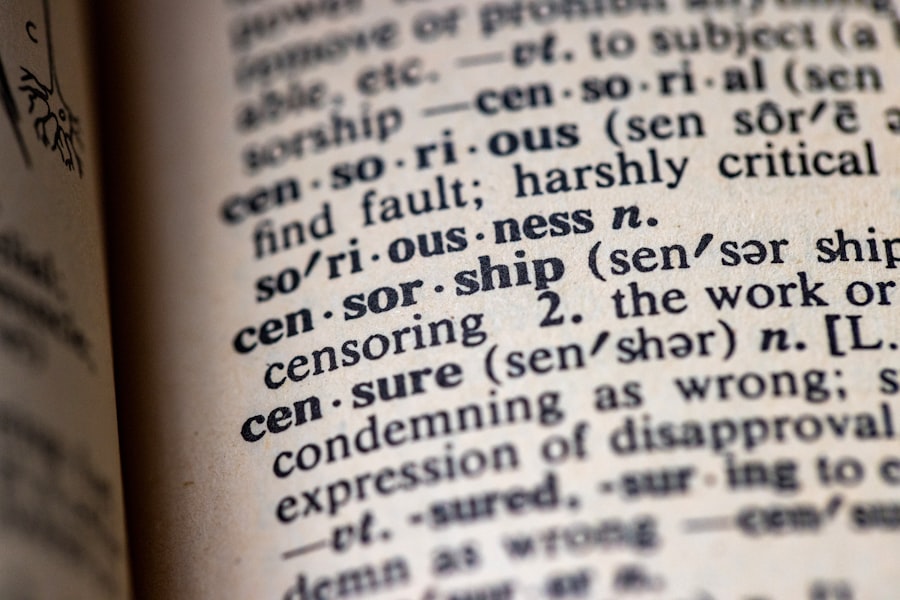
The effects of government control over film reverberate throughout the artistic, social, and political landscapes. These consequences extend beyond the immediate removal of content, shaping creative processes, public discourse, and international relations.
Stifling Artistic Expression and Innovation
Perhaps the most direct consequence is the chilling effect on artistic freedom. Filmmakers, constrained by official guidelines or the fear of reprisal, may shy away from challenging topics, experimental forms, or controversial narratives. This can lead to a homogenization of cinematic output, stifling innovation and limiting the diversity of voices and perspectives available to audiences. The vibrant spectrum of human experience is reduced to a sanitized, pre-approved palette.
Limiting Public Discourse and Information
When governments control film content, they effectively control a significant channel of public discourse. Critical examinations of power, historical injustices, or social problems can be suppressed, leading to an uninformed or misinformed citizenry. Film, as a powerful medium for conveying complex ideas and sparking debate, is neutralized, transforming a potential catalyst for change into a mere entertainer or propagandist. You might see this as the government drawing curtains over certain windows to the world, limiting the views available to the public.
Economic Impact on the Film Industry
Censorship can have significant economic repercussions. Film bans or severe cuts can diminish a film’s marketability and potential revenue, impacting producers, distributors, and exhibitors. Furthermore, nations with strict censorship regimes might deter international co-productions and investment, as foreign filmmakers may be unwilling to compromise their artistic vision. This can cripple local film industries and limit their ability to compete globally.
Erosion of Trust and Credibility
Overzealous censorship can erode public trust in both the government and the integrity of the media. When audiences perceive that information is being deliberately withheld or manipulated, skepticism grows. This can lead to a proliferation of unofficial sources and undermine the credibility of official narratives, creating a societal disconnect.
International Relations and Soft Power
A nation’s approach to film censorship can also impact its international standing and “soft power.” Countries known for restrictive controls may be viewed negatively by the global community, potentially affecting tourism, cultural exchange, and diplomatic relations. Conversely, nations that champion artistic freedom often project an image of openness and dynamism, enhancing their cultural influence.
Film censorship and government control have long been subjects of intense debate, as they often intersect with issues of free expression and artistic integrity. A related article that delves deeper into the implications of these practices can be found here, where various case studies highlight the impact of censorship on filmmakers and audiences alike. Understanding the balance between regulation and creative freedom is crucial in today’s media landscape, making it essential to explore how different countries approach this sensitive topic. For more insights, you can read the article at this link.
The Future of Control: Navigating a Digital Landscape
| Country | Government Agency | Type of Control | Common Reasons for Censorship | Impact on Film Industry | Notable Censored Films |
|---|---|---|---|---|---|
| China | National Radio and Television Administration (NRTA) | Pre-release review and approval | Political sensitivity, violence, sexuality, superstition | Strict content guidelines, limited foreign film quotas | “Call Me by Your Name”, “Bohemian Rhapsody” |
| India | Censor Board of India (CBFC) | Certification and cuts | Religious sentiments, obscenity, political criticism | Films often edited or banned, regional variations | “Udta Punjab”, “Padmaavat” |
| Russia | Ministry of Culture | Pre-release approval and bans | Political dissent, LGBTQ+ content, extremism | Increased self-censorship, limited foreign influence | “The Death of Stalin”, “Call Me by Your Name” |
| Saudi Arabia | General Commission for Audiovisual Media | Pre-screening and content restrictions | Religious values, sexuality, political content | Recent reopening of cinemas with strict guidelines | “Black Panther” (edited version) |
| United States | MPAA (voluntary rating system) | Rating and voluntary content guidelines | Violence, language, sexual content | Self-regulation, no government censorship | “A Clockwork Orange”, “The Last Temptation of Christ” |
The advent of the internet and digital distribution has dramatically complicated the landscape of film censorship. The traditional gates and borders that once constrained film distribution are now porous, presenting governments with new challenges in controlling content.
The Rise of Online Platforms
Streaming services and peer-to-peer sharing platforms have made it increasingly difficult for governments to implement blanket bans or universal censorship. Films banned in one country can often be accessed online through VPNs or unofficial channels, challenging the efficacy of traditional censorship mechanisms. This digital Hydra grows new heads as quickly as old ones are cut.
Algorithmic Censorship and Platform Responsibility
Governments are increasingly pressuring online platforms to self-regulate and remove content deemed objectionable. This “algorithmic censorship,” where content is flagged and removed by AI or human moderators based on terms of service, often blurs the lines between private company policy and informal governmental pressure. The responsibility for censorship shifts from visible state bodies to opaque tech companies.
The Global-Local Dichotomy
The internet creates a constant tension between global content flows and local censorship demands. Governments grapple with how to enforce national rules in a borderless digital environment, leading to debates about internet sovereignty and the extraterritorial application of national laws. This ongoing struggle defines the modern battleground for film control.
Education and Media Literacy
In this complex environment, the role of education and media literacy becomes paramount. Empowering individuals to critically evaluate diverse sources, understand the motivations behind content creation, and identify potential biases is crucial. A well-informed public is the strongest defense against unwarranted control and manipulation.
Government control over film, whether through overt censorship or subtle pressures, remains a powerful force in the modern age. It is a constant negotiation between the state’s perceived need for order and the artist’s imperative for expression. As you journey through the silver screen’s offerings, consider the invisible hands that may have shaped what you see, and ponder the implications for freedom of thought and the rich tapestry of human storytelling. The struggle for an unencumbered artistic vision is an ongoing one, with each cut and each release serving as a testament to the enduring power of cinema and the persistent questions of who gets to control its narrative.
FAQs
What is film censorship?
Film censorship refers to the practice of reviewing and regulating movies by authorities to control or restrict content deemed inappropriate, offensive, or harmful according to cultural, moral, or political standards.
Why do governments impose film censorship?
Governments impose film censorship to protect public morals, maintain social order, prevent the spread of harmful or sensitive information, uphold political ideologies, and sometimes to promote national security or cultural values.
How is film censorship typically enforced?
Film censorship is enforced through government agencies or boards that review films before release, requiring edits, cuts, or bans. Filmmakers may need to obtain certification or approval to distribute their work legally.
What are common criteria used in film censorship?
Common criteria include the depiction of violence, sexual content, political dissent, religious sensitivity, language, drug use, and any material considered offensive or threatening to societal norms or government policies.
How does film censorship impact filmmakers and audiences?
Film censorship can limit creative expression for filmmakers and restrict access to diverse viewpoints for audiences. It may also influence the themes and narratives explored in cinema, sometimes leading to self-censorship to comply with regulations.