Nuclear weapons proliferation represents a persistent and multifaceted threat to global security, a shadow cast by the very ingenuity that unlocked the atom’s power. The knowledge and capability to construct and deploy these devastating instruments, once possessed by a select few, has a tendency to spread, like a contagion, across borders and ideologies. Understanding this complex phenomenon requires a deep dive into its historical roots, the motivations behind proliferation, the mechanisms of control, and the stark consequences of its unchecked advance.
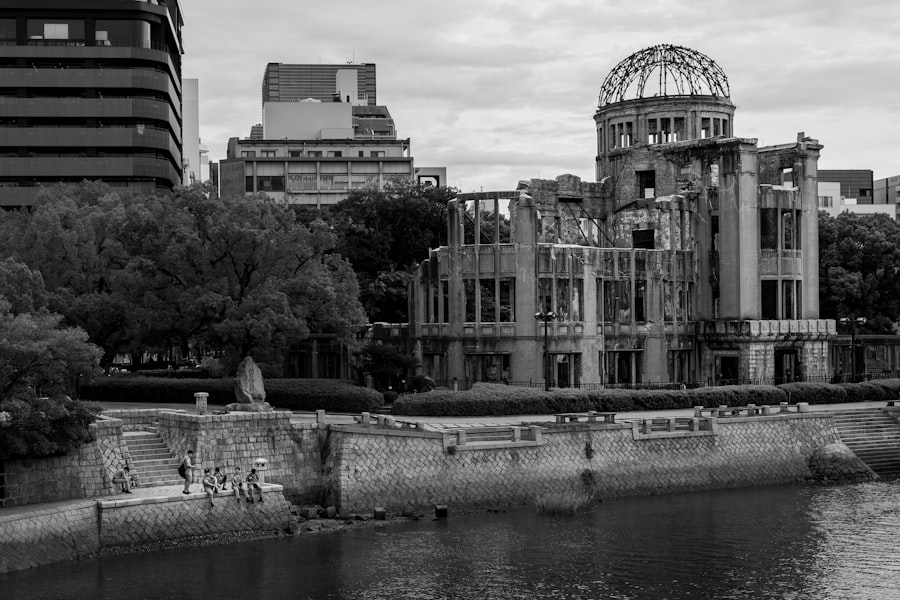
The dawn of the nuclear age was heralded by the thunderous roar of the atomic bombs dropped on Hiroshima and Nagasaki in 1945. This exhibition of destructive power, while ending a global conflict, simultaneously ignited a new and terrifying arms race. The initial monopoly held by the United States dissolved as the Soviet Union successfully detonated its own atomic device in 1949, ushering in the era of bipolar nuclear competition.
The Cold War Arms Race: A Spectacle of Escalation
The ensuing decades were characterized by an unprecedented and arguably irrational build-up of nuclear arsenals. The doctrine of Mutually Assured Destruction (MAD) emerged as a chillingly effective deterrent, premised on the understanding that any nuclear attack would inevitably lead to the annihilation of both attacker and defender. This concept, often described as holding a gun to your own head to prevent someone else from pulling the trigger, paradoxically maintained a fragile peace between superpowers.
Development of Delivery Systems and Escalation Ladders
The race was not solely about the number of warheads but also the sophistication of their delivery systems. Intercontinental Ballistic Missiles (ICBMs), submarine-launched ballistic missiles (SLBMs), and strategic bombers became the pillars of nuclear posture. Each innovation was met with a counter-innovation, creating a dizzying escalation ladder where the potential for catastrophic error or miscalculation loomed ever larger.
The Nuclear Club: Early Entrants and Their Motivations
Beyond the superpowers, other nations soon joined the ranks of nuclear-armed states. Britain, France, and China developed their own nuclear capabilities, driven by a mixture of perceived security needs, a desire for greater global influence, and a reluctance to remain under the nuclear umbrella of an ally. Each entry into the “Nuclear Club” was a significant event, altering the global strategic landscape.
Post-Cold War Disarmament Efforts and Emerging Challenges
The collapse of the Soviet Union in 1991 offered a fleeting moment of optimism, leading to significant reductions in existing nuclear arsenals. Treaties like the Strategic Arms Reduction Treaties (START) symbolized a commitment to de-escalation. However, this period also saw the emergence of new anxieties and the persistent threat of proliferation to states outside the established nuclear powers.
Nuclear weapons proliferation remains a critical issue in international relations, as nations grapple with the implications of nuclear capabilities on global security. For a deeper understanding of the complexities surrounding this topic, you can explore a related article on the subject at In The War Room, which discusses the challenges and strategies involved in preventing the spread of nuclear weapons and ensuring a safer world.
Drivers of Nuclear Weapon Acquisition
The motivations behind a state’s pursuit of nuclear weapons are rarely singular and often intertwined with a complex web of political, strategic, and even domestic considerations. These drivers act as powerful magnets, pulling nations towards the dangerous allure of nuclear capability.
National Security and Deterrence: The Ultimate Assurance
Foremost among the drivers is the perceived need for enhanced national security. For nations facing significant external threats or feeling vulnerable to overwhelming conventional military power, nuclear weapons are often seen as the ultimate guarantor of sovereignty and a deterrent against aggression. The logic here is simple: possessing a weapon of mass destruction makes a nation an unappealing target.
Regional Power Dynamics and the Security Dilemma
In volatile regions, the acquisition of nuclear weapons by one state can trigger a “security dilemma” for its neighbors. If State A develops a nuclear weapon, State B, feeling threatened, may feel compelled to pursue its own nuclear program, leading to an arms race that destabilizes the entire region, much like a ring of gunpowder waiting for a spark.
Preventing Conventional Inferiority: The Nuclear “Great Equalizer”
For states that cannot match the conventional military might of their adversaries, nuclear weapons can serve as a “great equalizer.” This perception is particularly potent for nations that have historically been subjected to foreign intervention or whose territorial integrity is frequently challenged.
Prestige, Political Leverage, and International Standing
Beyond existential security concerns, the possession of nuclear weapons can also confer significant international prestige and political leverage. Being a member of the nuclear club, however grim, elevates a nation’s standing on the world stage and grants it a voice in major international security discussions.
The “Nuclear Ambition” and Aspirations of Power
For some regimes, the pursuit of nuclear weapons is driven by a desire for greater regional or even global influence. It can be a symbol of technological advancement and a declaration of intent to be a major player in international affairs, regardless of the underlying security rationale. The ambition for power can be a potent intoxicant, leading nations to consider the most destructive means to achieve it.
Domestic Political Considerations and Regime Survival
In certain contexts, the development of nuclear capabilities can also be a tool for domestic political consolidation. A leader can rally nationalistic sentiment around a high-profile project like a nuclear program, deflecting attention from internal problems or solidifying their grip on power. The promise of national strength can be a powerful anesthetic for public discontent.
Mechanisms of Nuclear Proliferation and Control
The spread of nuclear weapons is not an uncontrollable natural phenomenon; it is a process influenced by international law, political agreements, and technological diffusion. Conversely, efforts to curb proliferation are equally shaped by these factors, forming a complex interplay of cause and effect.
The Nuclear Non-Proliferation Treaty (NPT): A Cornerstone of Restraint
The NPT, signed in 1968, stands as the primary international legal instrument aimed at preventing the spread of nuclear weapons. It operates on a three-pillar system: non-proliferation, disarmament by nuclear-weapon states, and the peaceful use of nuclear energy.
The Grand Bargain: Disarmament and Non-Proliferation Reciprocity
The NPT’s core bargain is that non-nuclear-weapon states agree not to acquire nuclear weapons in exchange for a commitment by the nuclear-weapon states to pursue disarmament, and for access to peaceful nuclear technology. This reciprocity, however, has been a source of ongoing tension and debate, with some non-nuclear states feeling that the disarmament pillar has not been adequately fulfilled.
The Role of the International Atomic Energy Agency (IAEA)
The IAEA, an autonomous organization within the United Nations system, plays a crucial role in verifying that states are not diverting nuclear materials from peaceful programs for weapons purposes. Its safeguard system, though reliant on state cooperation, is a vital tool in detecting and deterring clandestine nuclear activities. The IAEA acts as the global watchdog, scrutinizing the nuclear activities of nations.
Export Controls and Material Safeguards: Building Barriers
Beyond the NPT, a network of export control regimes and national security measures aims to restrict access to the materials and technologies that can be used to build nuclear weapons. These efforts focus on preventing sensitive components and knowledge from falling into the wrong hands.
The Nuclear Suppliers Group (NSG) and Technology Restrictions
The NSG, a group of nuclear supplier countries, aims to harmonize their export policies for nuclear and nuclear-related materials, equipment, and technology to prevent their diversion for military purposes. This collective action creates a significant barrier, akin to fortifying a citadel against intruders.
Illicit Trafficking and the Black Market Threat
Despite these controls, the persistent threat of illicit trafficking in nuclear materials and technology remains a serious concern. The discovery of a global network engaged in the clandestine sale of nuclear-related items underscores the constant vigilance required to prevent these materials from becoming a “dirty bomb” or worse in the hands of rogue actors.
The Consequences of Nuclear Weapon Proliferation

The proliferation of nuclear weapons is not merely an abstract geopolitical concern; it carries profound and potentially catastrophic consequences for humanity and the planet. The shadow of nuclear war, however distant it may seem at times, is a specter that haunts the world.
The Immediate and Long-Term Effects of Nuclear War
A full-scale nuclear exchange would be an event of unprecedented horror, far exceeding any conflict in human history. The immediate blast, heat, and radiation would devastate cities and populations. However, the long-term consequences are equally, if not more, chilling.
Nuclear Winter and Global Famine: A Planetary Cataclysm
The immense quantities of smoke and dust injected into the atmosphere by widespread nuclear explosions could block sunlight, leading to a prolonged period of global cooling known as “nuclear winter.” This would decimate agricultural production, leading to widespread famine and societal collapse on a scale that might be difficult for the current generations to conceptualize.
Environmental Degradation and Long-Term Health Impacts
Beyond the immediate effects, nuclear detonations would release vast amounts of radioactive material into the environment, contaminating land, water, and air for centuries. This would lead to increased rates of cancer, genetic mutations, and other severe health problems for generations to come.
Increased Risk of Accidental War and Miscalculation
The more nuclear weapons exist, and the more states possess them, the higher the probability of an accidental or unintended nuclear war. Systems are complex, human judgment can be flawed, and in times of heightened tension, the risk of miscalculation or a “launch on warning” scenario increases exponentially, like a high-wire act with no safety net.
The “Hotlines” and Early Warning Systems: Fragile Safeguards
While mechanisms like direct communication lines (“hotlines”) between nuclear powers and sophisticated early warning systems are in place to mitigate this risk, they are not infallible. A technical malfunction, a misinterpreted signal, or a deliberate deception could trigger a cataclysm.
The Cult of the Cult: Irrationality and Extremism
The presence of nuclear weapons increases the stakes in any conflict, and the possibility of them falling into the hands of irrational actors or extremist groups, driven by ideology rather than conventional strategic calculus, presents a particularly terrifying prospect. The idea of such a weapon in the hands of someone who embraces chaos as an end in itself is a chilling thought experiment.
The Drain on Global Resources and the Opportunity Cost
The development and maintenance of nuclear arsenals require immense financial and human resources. These resources could otherwise be directed towards addressing pressing global challenges such as poverty, disease, climate change, and sustainable development. The nuclear arms race represents a colossal diversion of human ingenuity and capital away from progress.
Diverting Funds from Humanitarian Needs: A Moral Quandary
The billions of dollars spent annually on nuclear weapons programs represent a stark contrast to the millions who lack basic necessities. This creates a moral quandary: how can humanity justify investing in instruments of annihilation when so much basic human suffering remains unaddressed?
Nuclear weapons proliferation remains a critical issue in global security, as nations continue to navigate the complex landscape of arms control and disarmament. A recent article delves into the implications of this ongoing challenge and highlights various diplomatic efforts aimed at curbing the spread of nuclear capabilities. For a deeper understanding of the current state of nuclear proliferation and its potential consequences, you can read more in this insightful piece found here.
The Future of Nuclear Proliferation: Challenges and Prospects
| Country | Estimated Nuclear Warheads | Year of First Nuclear Test | Declared Nuclear Status | Non-Proliferation Treaty (NPT) Status |
|---|---|---|---|---|
| United States | 5,428 | 1945 | Declared Nuclear Weapon State | Signatory |
| Russia | 5,889 | 1949 | Declared Nuclear Weapon State | Signatory |
| China | 350 | 1964 | Declared Nuclear Weapon State | Signatory |
| France | 290 | 1960 | Declared Nuclear Weapon State | Signatory |
| United Kingdom | 225 | 1952 | Declared Nuclear Weapon State | Signatory |
| India | 160 | 1974 | Declared Nuclear Weapon State | Non-Signatory |
| Pakistan | 165 | 1998 | Declared Nuclear Weapon State | Non-Signatory |
| North Korea | 40-50 (estimated) | 2006 | Declared Nuclear Weapon State | Withdrew from NPT |
| Israel | 80-90 (estimated) | Unknown (estimated late 1960s) | Undeclared Nuclear Weapon State | Non-Signatory |
The landscape of nuclear proliferation is constantly shifting, presenting both persistent challenges and glimmers of hope for a future free from the existential threat of these weapons. Navigating this complex terrain requires ongoing commitment and adaptation of international efforts.
The Resurgence of Great Power Rivalry and Arms Races
The current geopolitical climate, marked by renewed great power rivalry and a breakdown in some arms control agreements, poses a significant challenge to non-proliferation efforts. The rhetoric of nuclear modernization and potential use can reignite old anxieties and encourage new states to consider nuclear options, like embers glowing in a dying fire, ready to be fanned.
The Erosion of Arms Control Frameworks
The withdrawal of the United States from the Intermediate-Range Nuclear Forces Treaty (INF) and ongoing debates surrounding the future of others, like the New START treaty, have created uncertainty and weakened the global arms control architecture. This erosion of established norms can be a dangerous precedent.
The “New Nuclear Powers” Debate and Dual-Use Technologies
Concerns are also rising about the potential for new states to acquire nuclear weapons, particularly those with advanced civilian nuclear programs and access to dual-use technologies that can be readily diverted for military purposes. The line between peaceful and military applications can become perilously thin.
Diplomacy, De-escalation, and the Path to Disarmament
Despite the formidable challenges, diplomatic engagement, de-escalation of tensions, and sustained efforts towards disarmament remain the most viable paths forward. A renewed commitment to dialogue and a verifiable process for the eventual elimination of nuclear weapons are crucial.
The Role of International Cooperation and Multilateralism
Strong multilateral institutions and robust international cooperation are essential to effectively address the complex issue of nuclear proliferation. A united global front can exert significant pressure on states contemplating nuclear acquisition and provide a framework for verification and accountability, acting as a sturdy bulwark against unchecked ambition.
The Long Road to a Nuclear-Weapon-Free World
Achieving a world free of nuclear weapons is an ambitious but necessary goal. It requires not only the elimination of existing arsenals but also the dismantling of the very infrastructure and mindset that supports their existence. This is a journey, not a destination, requiring persistent effort and unwavering resolve.
The Importance of Public Awareness and Advocacy
Ultimately, the fight against nuclear proliferation also relies on an informed and engaged global citizenry. Raising awareness about the catastrophic risks and advocating for policies that prioritize disarmament and peace is a vital component in preventing the ultimate catastrophe. The collective voice of humanity can be a powerful force for change, a beacon of hope in the face of overwhelming danger.
FAQs
What is nuclear weapons proliferation?
Nuclear weapons proliferation refers to the spread of nuclear weapons, fissile material, and weapons-related technology to countries that do not already possess them. It involves the increase in the number of states or non-state actors capable of developing or acquiring nuclear weapons.
Why is nuclear weapons proliferation a global concern?
Nuclear weapons proliferation is a global concern because it increases the risk of nuclear conflict, destabilizes international security, and raises the possibility of nuclear weapons falling into the hands of non-state actors or terrorist groups. It also complicates diplomatic relations and arms control efforts.
Which international agreements aim to prevent nuclear weapons proliferation?
The primary international agreement aimed at preventing nuclear weapons proliferation is the Treaty on the Non-Proliferation of Nuclear Weapons (NPT). Other agreements include the Comprehensive Nuclear-Test-Ban Treaty (CTBT) and various regional nuclear-weapon-free zone treaties.
How do countries typically acquire nuclear weapons?
Countries can acquire nuclear weapons by developing them indigenously through scientific research and enrichment of fissile material, or by obtaining nuclear technology and materials through clandestine networks or assistance from other states. Some countries have also tested nuclear weapons to demonstrate their capabilities.
What measures are in place to monitor and control nuclear proliferation?
Measures to monitor and control nuclear proliferation include inspections and safeguards by the International Atomic Energy Agency (IAEA), export controls on nuclear technology and materials, diplomatic efforts, sanctions against proliferating states, and international cooperation to secure nuclear materials and prevent illicit trafficking.