Project Azorian, a covert operation of unparalleled ambition and complexity, was designed to retrieve a sunken Soviet submarine, the K-129. The catastrophic failure of this mission, however, etched its name into the annals of espionage and engineering as a stark testament to the inherent risks and technological limitations of clandestine endeavors. This article will delve into the multifaceted reasons behind Azorian’s ultimate downfall, exploring the technical hurdles, ethical compromises, and strategic miscalculations that transformed a grand design into a costly, and ultimately, disastrous undertaking.
The Loss of the K-129
In 1968, the Soviet submarine K-129 met its demise in the Pacific Ocean, taking with it its crew and, more importantly for the United States, its classified missile technology and communications equipment. The sinking was a significant intelligence loss for the US, but also presented an unprecedented opportunity. Recovering the K-129 could provide invaluable insights into Soviet naval capabilities, electronic warfare systems, and the operational tactics of their submarine fleet. This information was akin to plucking a rare jewel from the ocean’s floor, a prize that could tip the scales in the Cold War arms race.
The Strategic Imperative: A Cold War Chess Game
The Cold War was a period of intense geopolitical tension, where information was as potent a weapon as any missile. The United States, locked in a silent war of attrition with the Soviet Union, sought every advantage. Project Azorian was conceived in this climate of urgency and suspicion. The potential intelligence gains were not merely tactical; they were strategic. Understanding the enemy’s technological prowess and intentions was paramount to maintaining national security and deterring further Soviet aggression. The K-129, lying at a depth of over 16,000 feet, represented a technological and logistical Everest, a challenge that tested the very limits of engineering and underwater operations.
The Cover Story: A Veil of Secrecy
To mask the true nature of their operation, the US government devised an elaborate cover story. Project Azorian was to be presented as a deep-sea mining venture, a legitimate commercial enterprise that would explain the presence of a massive, specialized ship in the remote Pacific. This façade was crucial. Its success hinged on the assumption that no one would suspect a clandestine military operation beneath the guise of ordinary commerce. The ship itself, the Glomar Explorer, was a marvel of engineering, specifically designed to house the colossal lifting mechanism required for the retrieval. Its sheer size and specialized equipment, however, would later become a point of contention and a tell-tale sign for those who looked closely.
The catastrophic failure of Project Azorian, a secretive CIA operation aimed at recovering a sunken Soviet submarine, has been the subject of much analysis and speculation. For a deeper understanding of the complexities and challenges faced during this ambitious endeavor, you can read a related article that explores the operational failures and the implications of the project on Cold War intelligence efforts. For more information, visit this article.
Engineering the Impossible: The Technological Hurdles
The Hughes H-15 Giant Claw: An Engineering Marvel Turned Millstone
At the heart of Project Azorian lay the Hughes H-15 Giant Claw, an immense underwater retrieval device. This behemoth of steel was designed to clamp onto the K-129 and lift it to the surface. Its sheer scale was unprecedented, a testament to the ambition driving the project. Imagine attempting to cradle a fallen titan in a steel embrace, miles beneath the waves, amidst crushing pressures and swirling currents. The H-15 was a testament to human ingenuity, a complex arrangement of hydraulics, steel, and intricate control systems. However, its very complexity became a breeding ground for potential failure. The precision required to operate such a device at extreme depths was a tightrope walk over an abyss, where the slightest miscalculation could lead to disaster.
The Pressure Cooker: The Deep-Sea Environment
The immense depth at which the K-129 lay was not merely a number; it was a tangible, crushing force. The pressure at over 16,000 feet is equivalent to placing a bowling ball on every square inch of your body. This extreme environment presented a myriad of challenges for the H-15 and its supporting systems. Not only did the equipment need to withstand this immense pressure, but its operation had to be precise and controlled. The subtle shifts and movements of the ocean floor, the unpredictable currents, all conspired to make the delicate task of gripping and lifting the submarine akin to performing surgery with sledgehammers.
The Submarine as a Fragile Relic: The Risk of Disintegration
The K-129, resting on the seabed, was not a pristine vessel. It had been subjected to the violent forces of its own destruction and had been submerged for years. The risk of it disintegrating under the immense pressure of the lifting operation was a constant shadow. The H-15 had to exert just enough force to secure the submarine without crushing its already compromised structure. This delicate balancing act was like trying to thread a needle in a hurricane – the slightest tremor, the slightest overextension of force, could turn the intended prize into a scattered collection of debris. The worry was that instead of retrieving a coherent submarine, they would be left with nothing more than a cloud of metal fragments, an empty gesture in the vast ocean.
Operational Catastrophes: The Unraveling of the Mission
The Initial Retrieval Attempt: A Glimpse of Hope and Imminent Doom
The first major attempt to lift the K-129 was fraught with tension. The H-15, maneuvered with painstaking precision, successfully captured the submarine. For a brief moment, success seemed within reach, a tangible victory against the unforgiving depths. However, the immense forces at play began to assert their dominance. The delicate balance of pressures and stresses proved too much for the compromised structure of the K-129, or perhaps for the limitations of the H-15’s grip. The submarine, or parts of it, began to break apart. The retrieval, which had appeared to be going according to plan, was unraveling before the eyes of the anxious crew.
The Critical Failure: The Loss of the Missile Section
The most significant catastrophic failure occurred during the lifting process. As the K-129 was being brought closer to the surface, a critical section, believed to contain the submarine’s nuclear missiles and other sensitive intelligence, broke away and plummeted back to the ocean floor. This was the heart of the intelligence prize, the very reason for the monumental effort and expense. Its loss was a crushing blow, transforming the mission from a triumphant intelligence coup to a bitter disappointment. It was like sailing a ship across a stormy sea to reach a treasure island, only to discover the treasure chest had sprung a leak and spilled its contents back into the waves.
The Partial Recovery: A Pyrrhic Victory
While the primary objective of fully recovering the K-129 was not achieved, the Glomar Explorer did manage to bring a portion of the submarine to the surface. This salvaged section, though incomplete, still yielded valuable intelligence. However, the context of the mission was one of overwhelming failure. The cost in terms of resources, manpower, and secrecy far outweighed the benefits of this partial recovery. It was a hollow victory, like winning a single chess piece while losing the entire game. The intelligence gained, while useful, did not justify the colossal risks and ultimate collapse of the grander plan.
The Shadow of Secrecy: The Unseen Costs and Consequences
The Astronomical Expense: A Fortune Cast into the Abyss
Project Azorian was an incredibly expensive undertaking. Estimates vary, but the cost ran into hundreds of millions of dollars, a staggering sum by any measure. This was money poured into a venture cloaked in secrecy, far from public scrutiny, yet its ultimate failure represented a significant drain on national resources. The question of whether such a colossal expenditure could have been better allocated elsewhere, perhaps to more attainable intelligence gathering or research, remains a point of contention. The sheer scale of the project, like a beacon in the financial ocean, highlighted the immense stakes and the potential for immense loss.
The Ethical Quagmire: The Unseen Sacrifices
Beyond the financial cost, Project Azorian also carried an ethical burden. The mission resulted in the loss of the K-129’s crew. While the primary goal was intelligence retrieval, the human aspect of the disaster could not be ignored. The secrecy surrounding the mission meant that the full story of the K-129’s sinking and the potential loss of life remained largely unknown to the public for decades. This veil of silence, while intended to protect national security, also created a lacuna of information, leaving the families of the submariners in a perpetual state of uncertainty. The ethical dilemma of prioritizing intelligence over transparency is a recurring theme in the history of clandestine operations.
The Legacy of Failure: A Cautionary Tale for Future Operations
Project Azorian, despite its ultimate failure, provided invaluable lessons for future covert operations. It underscored the inherent dangers of ambitious deep-sea retrieval missions and the critical importance of robust engineering and operational planning. The catastrophic break-up of the K-129 highlighted the fragility of sunken vessels and the unpredictable nature of the deep-sea environment. The project served as a stark reminder that even with the most advanced technology, the ocean remains a formidable adversary, and that secrecy, while essential for covert operations, can also cast a long shadow of unanswered questions. The failure of Azorian became a blueprint of what not to do, a scar on the history of espionage that served as a perpetual warning.
The ambitious Project Azorian aimed to recover a sunken Soviet submarine from the depths of the Pacific Ocean, but it ultimately faced a catastrophic failure that has been the subject of much analysis. For those interested in exploring the complexities and challenges of this covert operation, a related article can provide deeper insights into the factors that contributed to its downfall. You can read more about it in this detailed examination of the project and its implications by visiting In The War Room.
The Unveiling of the Truth: Decades of Secrecy Lifted
| Metric | Details |
|---|---|
| Project Name | Project Azorian |
| Objective | Recovery of Soviet submarine K-129 |
| Date of Incident | March 1974 |
| Location | North Pacific Ocean |
| Failure Type | Mechanical failure during lift |
| Submarine Section Lost | Approximately 40 feet of the submarine |
| Estimated Depth of Loss | Approximately 16,500 feet (5,000 meters) |
| Recovery Vessel | Hughes Glomar Explorer |
| Outcome | Partial recovery; majority of submarine lost |
| Impact | Significant intelligence loss; project secrecy maintained |
The Gradual Revelation: A Slow Unfolding of the Narrative
For decades, the true nature of Project Azorian remained a closely guarded secret. The cover story of deep-sea mining was maintained, effectively drawing a curtain over the ambitious and ultimately failed retrieval mission. The sheer scale of the Glomar Explorer and the extraordinary nature of its operations were subtle clues to those who were looking, like tiny cracks in a meticulously constructed wall. The gradual release of information was a slow drip, a piecemeal unveiling of the truth, akin to an ancient map being slowly X-rayed to reveal its hidden details.
The Role of Investigative Journalism and Declassification
Investigative journalists played a crucial role in peeling back the layers of secrecy. By meticulously piecing together fragmented information, they began to expose the truth about Project Azorian. The eventual declassification of key documents further solidified these revelations, allowing historians and the public to gain a more comprehensive understanding of the mission’s objectives, its ambitious design, and its ultimate catastrophic failure. The slow turn of these bureaucratic wheels, the careful release of once-classified information, allowed the full story to finally see the light of day.
The Enduring Questions: Unanswered Puzzles and Historical Debate
Even with the declassification of information, some questions surrounding Project Azorian remain. The exact reasons for the catastrophic failure during the lifting process, the precise intelligence gained, and the full extent of the ethical implications continue to be subjects of historical debate and speculation. The partial recovery of the K-129, while providing some insights, left the mystery of the sunken submarine and its most crucial components largely intact. Project Azorian, therefore, stands as an enduring testament to the complexities and inherent risks of intelligence gathering, a story where the pursuit of knowledge came at a profound cost and left a lingering sense of intrigue. The deep ocean, in its vastness, holds onto its secrets, and Project Azorian, though partially revealed, still whispers of an enigmatic past.
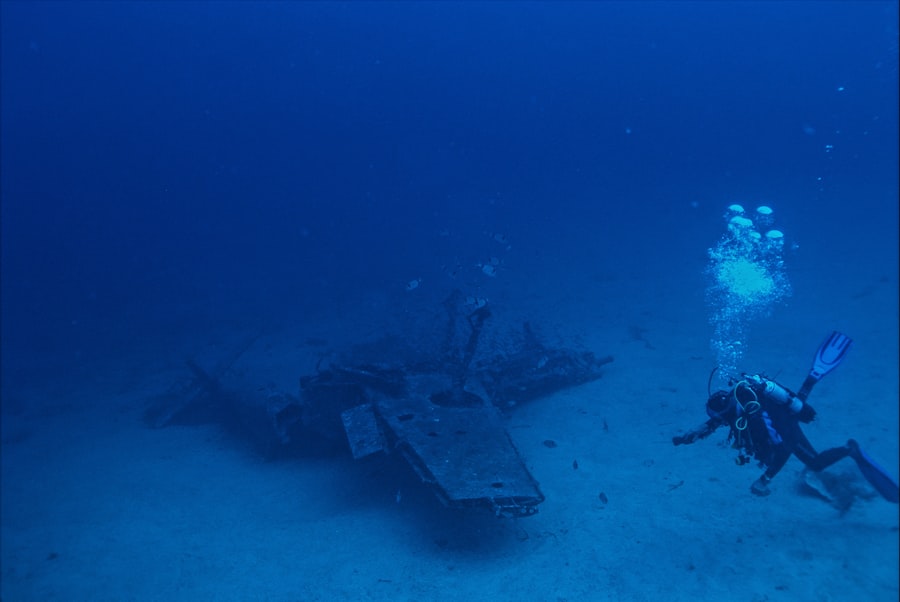
WATCH NOW ▶️ The CIA’s Impossible Mission To Steal A Nuclear Submarine
FAQs
What was Project Azorian?
Project Azorian was a secret CIA operation in the early 1970s aimed at recovering a sunken Soviet submarine, K-129, from the Pacific Ocean floor using a specially designed ship called the Hughes Glomar Explorer.
Why is Project Azorian considered a catastrophic failure?
Project Azorian is considered a catastrophic failure because the recovery operation was only partially successful; the ship managed to retrieve a portion of the submarine, but much of the vessel and its contents were lost during the lift, limiting the intelligence gained.
What caused the failure during the recovery operation?
The failure was primarily caused by mechanical issues with the lifting apparatus, which broke during the hoisting process, causing the majority of the submarine to fall back to the ocean floor.
What were the consequences of the failure for the CIA?
The failure resulted in a significant loss of resources and intelligence opportunity for the CIA, and it also led to increased secrecy and caution in future deep-sea recovery missions.
Has any information from Project Azorian been declassified?
Yes, some information about Project Azorian has been declassified over the years, revealing details about the mission’s objectives, the technology used, and the partial success and failure of the operation.