You stand before the vast expanse of the ocean, not as a mere observer, but as a commander. The Strategic Warfare Series beckons you to delve into the intricate dance of naval power, where steel behemoths become extensions of your will and the waves themselves are your chessboard. Mastering naval tactics is not about brute force; it is about outthinking, outmaneuvering, and outlasting your adversary. It is the art of leveraging geography, technology, and human ingenuity to achieve victory on the global stage. The following guide will equip you with the fundamental principles and considerations necessary to navigate these complex waters.
Before you can command fleets, you must comprehend the bedrock upon which naval power is built. Naval doctrine is not a static set of rules; it is a living organism, constantly adapting to technological advancements, geopolitical shifts, and the lessons learned from past conflicts. Understanding this doctrine allows you to frame your tactical decisions within a broader strategic context.
The Spectrum of Naval Roles
Naval forces are not monolithic. Their utility spans a wide spectrum, each with distinct objectives and operational considerations. You must grasp these distinctions to deploy your assets effectively.
Power Projection
This is the quintessential characteristic of modern naval power. It involves the ability to project military force and influence far from your home shores, often deep into an adversary’s territory. Aircraft carriers, guided-missile destroyers, and amphibious assault ships are the linchpins of power projection. You will use these to establish air superiority, conduct amphibious landings, and enforce maritime control over distant waters. Consider a carrier strike group a mobile airbase, capable of striking deep inland while remaining relatively immune to conventional land-based threats.
Sea Control
Achieving and maintaining control of vital sea lanes and strategic oceanic areas is paramount. This encompasses denying enemy access to these areas while ensuring your own freedom of movement for trade, troop movement, and logistical support. Submarines, frigates, and patrol craft play critical roles in this domain, alongside surface combatants. Sea control is the lifeblood of global commerce and military operations; without it, your ability to sustain a protracted conflict is severely diminished.
Deterrence
The mere presence of a capable navy can act as a powerful deterrent, dissuading potential aggressors from initiating conflict. This is particularly true for nuclear-powered submarines armed with ballistic missiles. However, conventional naval forces also contribute to deterrence through their visibility and demonstrable capacity to respond to threats. You must project strength, but not so aggressively as to provoke an unwanted escalation.
Maritime Security
This broader category encompasses a range of activities, including anti-piracy operations, counter-terrorism, and humanitarian assistance. While often less glamorous than direct combat, these missions are crucial for maintaining global stability and protecting national interests. You will utilize coast guard cutters, patrol vessels, and specialized maritime task forces for these enduring responsibilities.
The Evolution of Naval Thought
The history of warfare is replete with examples of how naval power has shaped the course of empires and civilizations. From the galleys of ancient Greece to the dreadnoughts of the early 20th century, and now to the age of networked warfare, naval strategy has evolved dramatically.
Mahanian Theory
Alfred Thayer Mahan’s seminal work, The Influence of Sea Power Upon History, remains a cornerstone of naval strategy. His emphasis on the control of sea lanes, the importance of naval bases, and the concentration of naval power remains relevant. You must internalize these lessons, understanding that controlling the sea is often key to controlling the land.
####The Rise of Air Power and Subsurface Warfare
The advent of aircraft and submarines fundamentally altered the calculus of naval warfare. The Battle of Midway demonstrated the decisive impact of carrier-based aircraft, while the silent hunter of the deep has proven a persistent and deadly threat. Your understanding of air-sea integration and subsurface tactics is no longer optional; it is a prerequisite for survival and victory.
Network-Centric Warfare
The modern era is defined by the concept of network-centric warfare. This paradigm emphasizes the interconnectedness of all military assets, allowing for real-time information sharing and coordinated action. Your fleet acts as a single distributed entity, with each sensor feeding data into a common operational picture. This allows for faster decision cycles and more precise application of force.
Naval tactics have evolved significantly over the centuries, influenced by advancements in technology and changes in warfare strategy. For those interested in a deeper exploration of this subject, a related article can be found at this link, which discusses various historical and modern naval tactics, their effectiveness, and their impact on naval engagements. This resource provides valuable insights into how naval commanders have adapted their strategies to meet the challenges of different eras.
The Art of Maneuver: Tactical Formations and Operations
Naval tactics are the practical application of strategy on the battlefield. They involve the movement and positioning of your fleet to gain an advantage over the enemy. This is where the abstract principles of strategy are translated into concrete actions.
Formations for Battle and Transit
The configuration of your fleet is not arbitrary. Each formation serves a specific purpose, offering different levels of protection, offensive capability, and situational awareness.
Screen Formations
When operating in potentially hostile waters, a screen of smaller, agile vessels will surround the more valuable capital ships. This is akin to a knight guarding a king, designed to detect and intercept threats before they reach the core of your formation. These screens can be radial, line-abreast, or other variations depending on the anticipated threat vector.
Strike Formations
When engaging the enemy, formations are designed to maximize offensive punch. This might involve concentrating firepower on a specific sector or arranging vessels for mutual support during an offensive push. You might position your cruisers and destroyers to provide escort fire for your carriers or submarine predators.
Transit Formations
When moving through potentially neutral or less dangerous waters, formations can prioritize speed and ease of maneuverability. However, even in transit, a degree of vigilance is maintained, as threats can emerge unexpectedly.
Key Tactical Maneuvers
Beyond formations, specific maneuvers are employed to gain tactical advantages.
Flanking and Envelopment
As in land warfare, flanking and envelopment are devastating on the sea. This involves maneuvering to attack the enemy’s weaker side or to encircle them, concentrating your forces while dividing theirs. Imagine using a favorable wind and currents to slip around the enemy’s flank, like a swift current outmaneuvering a slower tide.
Gunnery Duel and Missile Engagement
The nature of naval combat has shifted dramatically from the broadsides of yesteryear to the long-range precision of modern missiles. You must understand the optimal range for engagement for each weapon system, the capabilities of your radar and fire control systems, and the vulnerabilities of enemy platforms.
Ambushes and Feints
Deception is a powerful weapon. Setting ambushes, particularly for submarines, or employing feints to draw the enemy into a disadvantageous position can lead to decisive victories with minimal losses. A well-placed minefield or a deceptive electronic signature can lure a wary enemy into a trap.
The Domain of the Subsurface: Unseen Threats and Silent Hunters
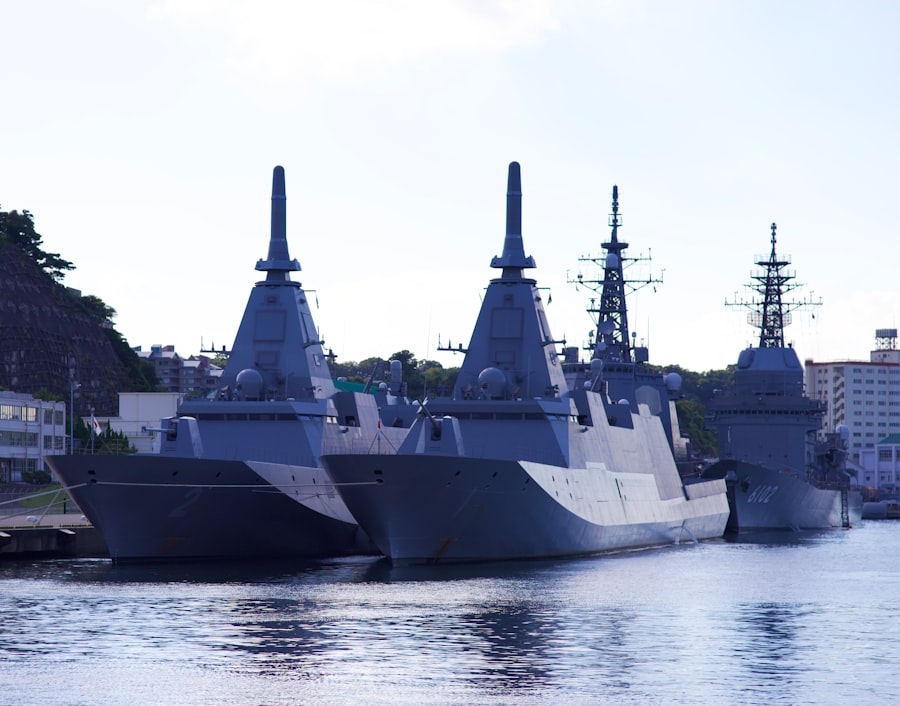
The submarine represents a unique and formidable element of naval warfare. Its ability to operate unseen beneath the waves creates a constant, pervasive threat that profoundly influences surface fleet operations. Mastering submarine tactics and counter-tactics is critical.
Submarine Warfare Doctrine
Submarines have evolved from simple reconnaissance platforms to highly sophisticated weapons systems. Their primary roles include strategic deterrence, anti-ship warfare, and intelligence gathering.
Stealth and Deception
The submarine’s greatest asset is its stealth. Advanced sonar baffling, noise reduction technologies, and careful operational planning allow them to operate undetected for extended periods. You must be aware of these capabilities and employ countermeasures to detect and track them.
Torpedo and Missile Attacks
Modern submarines are armed with potent torpedoes and cruise missiles, capable of inflicting catastrophic damage on surface vessels. Their attack profiles are designed to exploit the blind spots of surface escorts and to strike before defenses can be fully engaged.
Anti-Submarine Warfare (ASW)
The persistent threat posed by submarines necessitates robust ASW capabilities. This involves a multi-layered approach, combining surface ship sonar, ASW helicopters, maritime patrol aircraft, and naval mines.
Sonar Operations and Analysis
Understanding the principles of sonar, both active and passive, is fundamental to detecting submarines. You must train your crews to interpret sonar contacts, differentiate between genuine threats and acoustical clutter, and to employ sonar effectively in various oceanographic conditions.
ASW Platforms and Weaponry
Helicopters equipped with dipping sonar and torpedoes, P-3 Orion or P-8 Poseidon maritime patrol aircraft with advanced sensor suites, and frigates and destroyers armed with ASW torpedoes and depth charges are your primary tools in this fight.
Submarine Tactics
Submarines employ a variety of tactics to remain hidden and to effectively engage their targets.
“Wolf Pack” Tactics
Historically, submarines would operate in coordinated groups, or “wolf packs,” to overwhelm enemy shipping. While modern submarine operations are more often about individual stealth, coordination between submerged units can still be a potent tactic.
Operating in the Sound Channel
Understanding the physics of underwater sound propagation is crucial. Submarines often utilize the “sound channel” to travel long distances with reduced acoustic signatures, making them harder to detect.
The Air-Sea Interface: Joint Operations and Air Dominance
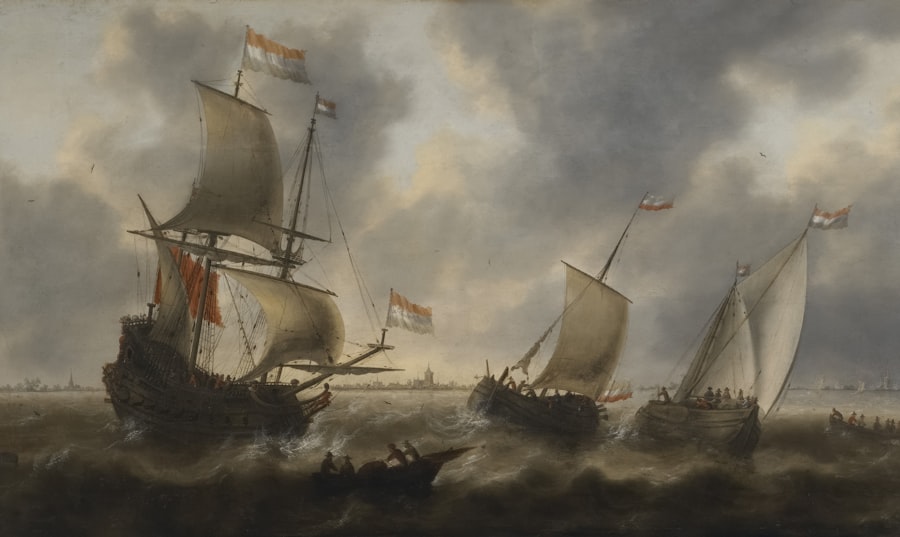
The modern battlefield is a truly joint domain, and naval warfare is no exception. The integration of air and sea power, particularly through carrier aviation, is essential for achieving victory.
Carrier Aviation: The Apex of Naval Power Projection
Aircraft carriers are floating airbases, capable of projecting air power across vast distances. Their operational effectiveness is a testament to the intricate coordination required between naval and air forces.
Carrier Strike Group Operations
A carrier strike group is a self-contained, mobile military force. It comprises the carrier itself, screening escorts (destroyers, cruisers), submarines, and support vessels. The wing of aircraft embarked on the carrier forms its offensive and defensive shield.
Air Wing Composition and Roles
The air wing is a diverse collection of aircraft, including fighter jets for air superiority, attack aircraft for ground and sea strikes, electronic warfare aircraft for jamming enemy communications, and surveillance aircraft for reconnaissance. You must understand the strengths and weaknesses of each aircraft type to deploy them optimally.
Launch and Recovery Operations
The launch and recovery of aircraft from a carrier are highly complex operations, requiring precise timing and coordination. The catapult launch and arrested landing are iconic images of naval power but are the result of rigorous training and meticulous procedures.
Air Superiority and Interdiction
Achieving and maintaining air superiority over the operational area is paramount. This allows your strike aircraft to operate with impunity and prevents enemy aircraft from threatening your fleet. Interdiction missions aim to disrupt enemy logistics and command and control networks by targeting their air assets.
Electronic Warfare and Information Dominance
In contemporary warfare, controlling the electromagnetic spectrum is as crucial as controlling the seas themselves. Electronic warfare (EW) and information dominance are integral to naval operations.
Jamming and Deception
Your EW P-8 Poseidon or EA-18G Growler aircraft can disrupt enemy radar and communications, blinding their sensors and sowing confusion. Conversely, you must be able to defend against similar tactics employed by your adversary.
Cyber Warfare
The proliferation of networked systems means that naval operations are increasingly vulnerable to cyber-attacks. Protecting your own networks and exploiting vulnerabilities in the enemy’s cyber infrastructure are critical aspects of modern warfare.
Naval tactics have evolved significantly over the years, adapting to new technologies and changing warfare strategies. For those interested in a deeper exploration of this topic, a related article can be found on In The War Room, which discusses the impact of modern naval strategies on global security. You can read more about it in this insightful piece on naval warfare. Understanding these tactics is crucial for comprehending the complexities of contemporary military operations and international relations.
The Strategic Dimension: Logistics, Geography, and Enduring Principles
| Naval Tactic | Description | Historical Example | Effectiveness | Key Metrics |
|---|---|---|---|---|
| Line of Battle | Ships form a single line to maximize broadside firepower. | Battle of Trafalgar (1805) | High | Number of ships in line, firing arcs, rate of fire |
| Crossing the T | Positioning fleet perpendicular to enemy line to maximize firepower. | Battle of Tsushima (1905) | Very High | Angle of approach, fleet speed, firing range |
| Wolfpack Tactics | Coordinated submarine attacks on convoys. | Battle of the Atlantic (WWII) | Moderate to High | Number of submarines, convoy size, detection range |
| Amphibious Assault | Landing troops on hostile shores supported by naval gunfire. | Normandy Invasion (1944) | High | Landing craft numbers, naval gunfire support, beachhead size |
| Hit and Run | Quick strikes followed by rapid withdrawal to avoid counterattack. | Privateer raids (17th-18th centuries) | Variable | Speed, surprise factor, damage inflicted |
Tactics are the battles, but strategy is the war. Understanding how logistical chains function, how geography dictates operational possibilities, and how enduring principles of warfare apply to the naval realm is what separates a mere tactician from a true strategic commander.
The Lifeline: Naval Logistics and Sustainment
No fleet can operate indefinitely without a robust logistical support system. Supply lines, maintenance, and resupply are the often-invisible muscles that power naval operations.
Sea Lines of Communication (SLOCs)
These are the maritime routes that allow for the transport of goods and personnel. Securing and defending your SLOCs while interdicting those of your enemy is a fundamental strategic objective.
Forward Operating Bases and Replenishment at Sea (RAS)
Forward operating bases provide crucial staging points for operations, reducing transit times and increasing operational reach. Replenishment at sea allows your fleet to refuel, rearm, and resupply while on station, extending their operational endurance. Imagine your fleet as a body; logistics are the circulatory system, essential for sustenance and without which the body perishes.
The Unforgiving Tutor: Geography and Environmental Factors
The ocean is not a uniform battlefield. Its currents, depths, weather patterns, and coastline configurations all play a significant role in tactical and strategic planning.
Chokepoints and Strategic Straits
Narrow passages like the Strait of Hormuz or the Suez Canal are crucial chokepoints that can be exploited for both offense and defense. Controlling these areas grants significant strategic leverage.
Littoral Operations
Operating in the shallow, complex waters near coastlines presents unique challenges, from mine warfare and anti-ship missile threats to the increased effectiveness of land-based air power.
Weather as a Force Multiplier or Hindrance
Hurricanes, typhoons, and even severe storms can significantly impact naval operations, creating opportunities for surprise attacks or forcing disengagement. You must be able to leverage favorable weather and mitigate the risks posed by adverse conditions.
Enduring Principles of Warfare in the Naval Context
While technology evolves, fundamental principles of warfare often remain constant.
Concentration of Force
Mass is still a critical factor. Concentrating your naval power at the decisive point can overwhelm enemy defenses.
Economy of Force
Conversely, you must also economize your forces, using secondary efforts to distract or contain the enemy while your main effort is applied elsewhere.
Maneuver
As discussed, skillful maneuver remains a cornerstone of naval tactics, allowing you to dictate the terms of engagement.
Surprise
Achieving surprise can negate enemy advantages and lead to decisive victories.
Simplicity
Complex plans are prone to failure. Simple, clear objectives and execution are often the most effective.
You possess the knowledge. Now, you must apply it. The strategic warfare series awaits your command, and the vast, blue frontier beckons. Heed these lessons, and you will not merely navigate the seas; you will command them.
WATCH NOW▶️ Cold War naval operations
FAQs
What are naval tactics?
Naval tactics refer to the strategies and maneuvers used by naval forces during maritime warfare or operations to gain an advantage over an enemy. These tactics involve the positioning, movement, and engagement of ships, submarines, and aircraft to achieve specific military objectives.
How have naval tactics evolved over time?
Naval tactics have evolved significantly from ancient times, where ships engaged in close combat and boarding actions, to modern warfare involving advanced technology such as submarines, aircraft carriers, and missile systems. The development of radar, sonar, and electronic warfare has also transformed naval tactics.
What are some common naval tactics used in modern warfare?
Common modern naval tactics include fleet formations, use of aircraft carriers for air superiority, submarine stealth attacks, electronic warfare to disrupt enemy communications, and coordinated missile strikes. Tactics also emphasize joint operations with air and land forces for comprehensive defense and offense.
Why is understanding naval tactics important for military strategy?
Understanding naval tactics is crucial for military strategy because control of the seas can influence the outcome of conflicts by securing supply lines, projecting power, and restricting enemy movements. Effective naval tactics enable forces to maximize their strengths and exploit enemy weaknesses in maritime environments.
What role do technology and intelligence play in naval tactics?
Technology and intelligence play a vital role in naval tactics by providing real-time information, enhancing communication, and improving targeting accuracy. Advanced sensors, surveillance systems, and data analysis allow naval commanders to make informed decisions and adapt tactics quickly during engagements.