The shadowy world of Soviet submarine operations, from the immediate post-World War II anxieties to the twilight of the Cold War, was paralleled by a relentless, often ingenious, pursuit by the West to track these underwater enigmas. This article delves into the evolution of the technologies and strategies employed to achieve this seemingly impossible task, exploring the intricate dance between concealment and detection.
In the aftermath of World War II, the Soviet Union inherited a significant portion of German U-boat technology, particularly the advanced Type XXI Elektroboot. This presented the nascent Cold War naval powers, primarily the United States and Great Britain, with a daunting challenge. The conventional active sonar systems of the era, while effective against surface vessels, struggled with the quiet and deep-diving capabilities of these new submarines.
Passive Acoustic Beginnings
The initial foray into tracking focused on passive acoustic methods. This involved listening for the sounds submarines naturally emitted.
Hydrophone Development and Deployment
Early hydrophones were relatively simple devices, often consisting of piezoelectric crystals encased in water-resistant housings. These were initially deployed from surface ships, often in arrays towed behind the vessel. The challenge was distinguishing submarine noise from the cacophony of the ocean: waves, marine life, and ambient shipping traffic.
The Sound Surveillance System (SOSUS)
The development of the Sound Surveillance System (SOSUS) represented a monumental leap in passive acoustic tracking. Conceived in the early 1950s, SOSUS utilized vast arrays of hydrophones laid on the ocean floor, typically along passages critical for Soviet submarine egress, such as the Greenland-Iceland-United Kingdom (GIUK) gap. These fixed arrays provided a continuous, wide-area surveillance capability. The data, transmitted via undersea cables to shore processing stations, became the backbone of Western anti-submarine warfare (ASW) efforts for decades. Imagine SOSUS as a gigantic, submerged spider-web, its threads vibrating with the distant thrum of submerged metal.
Challenges of Early Passive Acoustics
Despite its revolutionary nature, early passive acoustics faced significant limitations. Source localization was often imprecise, requiring triangulation from widely dispersed hydrophone arrays. Furthermore, the noise signature of early Soviet submarines, while quieter than their wartime predecessors, was still relatively discernible. As Soviet submarine technology advanced, particularly with the introduction of progressively quieter designs, the reliance solely on passive listening became a more formidable challenge.
The history of Soviet submarine tracking technology is a fascinating topic that sheds light on the advancements in military strategy during the Cold War. For those interested in exploring this subject further, a related article can be found at this link, which delves into the technological innovations and methodologies employed by the Soviet Union to monitor and counteract submarine activities. This resource provides valuable insights into the complexities of underwater warfare and the evolution of naval tactics.
The Mid-Cold War: A Technological Arms Race
As Soviet submarine technology matured, incorporating nuclear propulsion and more sophisticated silencing measures, Western tracking efforts had to evolve in kind. This period witnessed an intense technological arms race, with each side pushing the boundaries of scientific and engineering achievement.
Advanced Sonar Systems
The limitations of early active sonar spurred the development of more powerful and sophisticated variants, alongside the continued refinement of passive techniques.
Low-Frequency Active Sonar (LFAS)
To counter the increasing quietness of Soviet submarines, Western navies began developing Low-Frequency Active Sonar (LFAS). Unlike conventional high-frequency sonar, which is absorbed more quickly by water, LFAS could propagate over much longer distances. This allowed for detection at greater ranges but came with its own set of challenges, including the potentially detrimental impact on marine life and the risk of revealing the transmitting platform’s position. LFAS acted as a powerful floodlight in the deep, its beams sweeping across vast expanses.
Towed Array Sonar (TAS)
Towed Array Sonar (TAS) represented a significant improvement in passive acoustic capabilities. These arrays, consisting of multiple hydrophones strung along a long cable (often hundreds of meters or even kilometers), were towed behind surface vessels or submarines. The sheer length of the array allowed for superior directionality and signal processing capabilities, enabling more precise localization and finer-grained analysis of submarine noise signatures. Imagine a ship dragging an enormous, sensitive ear through the water, each segment listening for subtle changes in the underwater soundscape.
Non-Acoustic Detection Methods
While acoustics remained paramount, researchers explored various non-acoustic methods, hoping to find an Achilles’ heel in the Soviet submarine design.
Magnetic Anomaly Detection (MAD)
Magnetic Anomaly Detection (MAD) capitalized on the fact that the large metallic hull of a submarine creates a detectable disturbance in the Earth’s magnetic field. MAD sensors, typically mounted on aircraft (often in a boom extending from the tail to minimize interference from the aircraft’s own magnetic field), could detect these anomalies. However, MAD’s range was extremely limited, essentially requiring an aircraft to fly almost directly over a submerged submarine for detection. It was like feeling for a miniscule ripple on a vast magnetic pond.
Infrared and Wake Detection
The potential for detecting warm water wakes from submarines or subtle disturbances on the surface caused by their passage also garnered consideration. Infrared sensors could, in theory, detect temperature differences in the water. Similarly, synthetic aperture radar (SAR) aboard aircraft or satellites was investigated for its ability to reveal minute surface perturbations. These methods, however, proved considerably less reliable and practical than acoustic means.
The Silent Evolution: Quiet Soviet Submarines
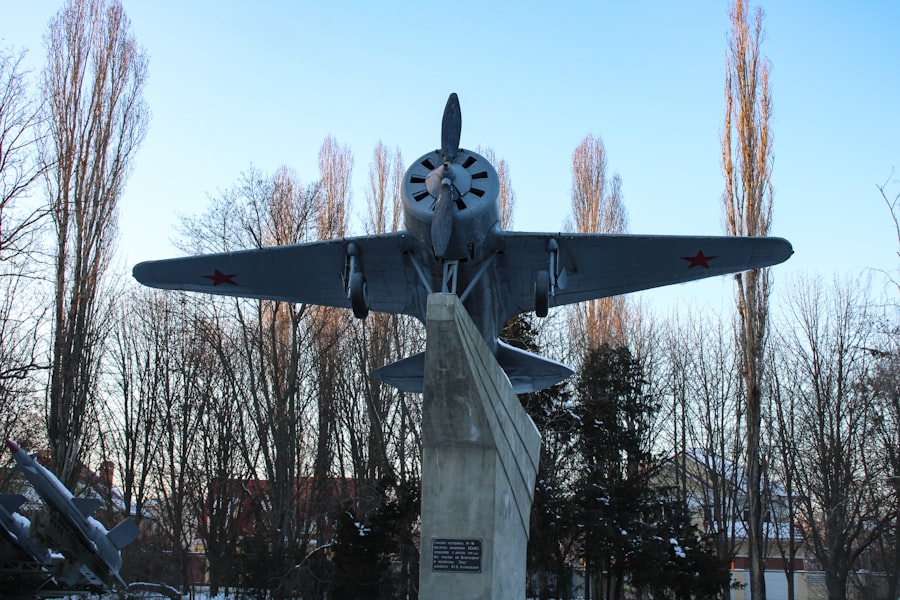
A pivotal moment in the cat-and-mouse game was the increasing quietness of Soviet submarines. This was achieved through significant engineering efforts, driven by both domestic innovation and, controversially, the acquisition of Western technology.
Noise Reduction Techniques
Soviet engineers dedicated considerable resources to minimizing the acoustic signatures of their submarines.
Anechoic Coatings
One key development was the application of anechoic coatings to submarine hulls. These rubber-like tiles were designed to absorb sonar pulses, reducing the submarine’s detectability to active sonar. They also helped to dampen internal machinery noise, preventing it from radiating outwards. Think of these coatings as a stealthy skin, absorbing incoming sound and muffling outward noise.
Advanced Propulsion Systems
Improvements in propulsion systems played a crucial role. Quieter pumps, propellers designed with advanced hydrodynamics to minimize cavitation (the formation of bubbles that generate significant noise), and vibration-isolated machinery all contributed to a dramatic reduction in acoustic footprint. The ideal was a submarine that could move through the water with the silence of a gliding shark.
The Toshiba-Kongsberg Scandal
The mid-1980s saw the revelation of the Toshiba-Kongsberg scandal, where sophisticated milling machine technology was illegally sold to the Soviet Union. This technology allowed the Soviets to manufacture quieter, more efficient submarine propellers with fewer defects, drastically reducing their acoustic signature. This scandal sent shockwaves through Western intelligence, highlighting a critical vulnerability and intensifying efforts to counter these “whispering” threats.
The Late Cold War and Beyond: Integrated Systems
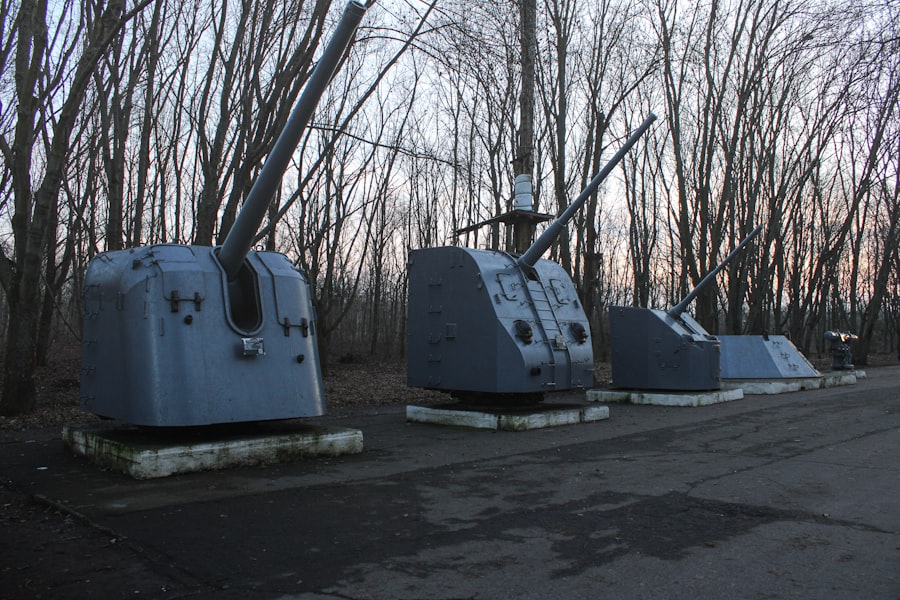
By the late Cold War, tracking Soviet submarines was no longer the domain of isolated sensors. It had evolved into a complex, integrated system, leveraging multiple platforms and advanced data processing.
Multi-Platform Integration
The emphasis shifted to combining data from various sources to build a comprehensive picture of the underwater battlespace.
Maritime Patrol Aircraft (MPA)
Maritime Patrol Aircraft, such as the P-3 Orion, became indispensable assets. Equipped with a suite of sensors including sonobuoys (disposable acoustic sensors dropped into the water), MAD, and radar, MPAs could rapidly survey vast areas, dropping sonobuoy patterns to localize and track submarines once a potential contact was made. Imagine a flock of high-tech birds, constantly scanning the oceans below for any hint of movement.
Surface Combatants
Frigates, destroyers, and cruisers, equipped with powerful hull-mounted and towed array sonars, played a crucial role in close-in tracking and, if necessary, engaging enemy submarines. Their ability to deploy and recover various ASW assets made them versatile players in the tracking game.
Attack Submarines (SSNs)
Ironically, the most effective trackers of Soviet submarines were often other submarines. Western attack submarines (SSNs) were specifically designed for anti-submarine warfare, utilizing their own highly advanced passive sonar arrays to hunt their counterparts in the deep. This created an intricate, silent duel in the subsurface environment.
Advanced Signal Processing and Data Fusion
The sheer volume of data generated by these diverse sensors necessitated equally advanced processing capabilities.
Computer-Assisted Analysis
Sophisticated algorithms and powerful computers were employed to filter noise, identify discrete acoustic signatures, and correlate data from different sensors. This allowed human operators to overcome the limitations of their own auditory and visual processing.
Command and Control Networks
The collected data was fed into elaborate command and control networks, allowing for real-time situational awareness and coordinated responses across multiple platforms. This integrated approach, known as multi-static ASW, aimed to turn the vastness of the ocean into a transparent medium, at least for the purposes of submarine tracking.
The evolution of Soviet submarine tracking technology has played a crucial role in naval warfare, significantly influencing the strategies employed during the Cold War. For those interested in a deeper exploration of this topic, a related article can be found that discusses the advancements in underwater surveillance and the implications for modern military tactics. You can read more about it in this insightful piece on naval technology. Understanding these developments provides valuable context for the ongoing advancements in submarine detection and tracking systems today.
The Continuing Challenge: Stealth and Sophistication
| Year | Technology/Method | Description | Significance |
|---|---|---|---|
| 1940s | Passive Sonar Systems | Initial development of hydrophone arrays to detect submarine noises. | Laid foundation for underwater acoustic detection. |
| 1950s | Active Sonar | Introduction of active sonar emitting sound pulses to locate submarines. | Improved detection range and accuracy. |
| 1960s | Sound Surveillance System (SOSUS) Countermeasures | Development of quieter submarine designs and noise reduction techniques. | Reduced detectability by Western SOSUS arrays. |
| 1970s | Magnetic Anomaly Detectors (MAD) | Use of aircraft-mounted MAD to detect submarine metal hulls. | Enhanced aerial tracking capabilities. |
| 1980s | Satellite Reconnaissance | Utilization of satellites for ocean surface and thermal anomaly detection. | Provided strategic tracking beyond sonar range. |
| 1990s | Integrated Sensor Networks | Combining sonar, radar, and satellite data for comprehensive tracking. | Improved real-time submarine monitoring. |
| 2000s | Advanced Signal Processing | Use of AI and machine learning to analyze acoustic signatures. | Increased accuracy in identifying and classifying submarines. |
Even after the dissolution of the Soviet Union, the challenge of tracking advanced Russian submarines persists. Modern Russian submarines incorporate cutting-edge stealth technologies, pushing the boundaries of acoustic silencing and leveraging other forms of undetectable operation.
New Frontiers in Detection
The post-Cold War era has seen continued investment in research and development to counter these evolving threats.
Non-Acoustic Innovations
Research continues into novel non-acoustic detection methods, including the exploitation of quantum phenomena or unique physical disturbances caused by submerged vessels. These remain largely experimental but hold the promise of a truly revolutionary breakthrough.
Unmanned Systems
The rise of unmanned underwater vehicles (UUVs) and unmanned surface vehicles (USVs) offers new possibilities for persistent, long-duration surveillance. These could act as distributed sensor networks, expanding coverage and reducing risk to human operators. Imagine small, robotic scouts, tirelessly patrolling the depths.
Environmental Manipulation and Oceanography
A deeper understanding of oceanography – currents, temperature layers, salinity, and bathymetry – is increasingly vital. These environmental factors significantly impact sonar performance, and leveraging this knowledge can provide both advantages to the tracker and opportunities for the tracked to exploit the environment for concealment. The ocean itself becomes both a shield and a revealing mirror.
The evolution of Soviet submarine tracking technology is a testament to human ingenuity and the relentless pursuit of strategic advantage. From rudimentary hydrophones to vast interconnected sensor networks, the journey reveals a constant adaptation to evolving threats, a fascinating interplay between the hunter and the hunted, playing out in the unseen depths of the world’s oceans. The challenges remain, but the foundational principles of listening, analyzing, and adapting continue to guide the silent guardians of the seas.
WATCH NOW▶️ Soviet submarine tracking technology
FAQs
What was the primary purpose of Soviet submarine tracking technology?
The primary purpose of Soviet submarine tracking technology was to detect, monitor, and track the movements of enemy submarines, particularly those of NATO forces, to maintain strategic naval superiority during the Cold War.
When did the Soviet Union begin developing submarine tracking technology?
The Soviet Union began developing submarine tracking technology in the late 1940s and early 1950s, shortly after World War II, as part of its efforts to enhance naval capabilities during the Cold War.
What types of technologies were used by the Soviets for submarine tracking?
The Soviets used a combination of passive and active sonar systems, underwater hydrophone arrays, magnetic anomaly detectors, and satellite reconnaissance to track submarines. They also developed specialized tracking ships and aircraft equipped with advanced sensors.
How did Soviet submarine tracking technology impact Cold War naval strategy?
Soviet submarine tracking technology significantly influenced Cold War naval strategy by enabling the Soviet Navy to monitor NATO submarine movements, protect their own ballistic missile submarines, and maintain a credible deterrent against Western naval forces.
Did the Soviet Union collaborate with other countries on submarine tracking technology?
While the Soviet Union primarily developed its submarine tracking technology independently, it occasionally shared knowledge and technology with allied Warsaw Pact countries to strengthen collective naval defense capabilities.