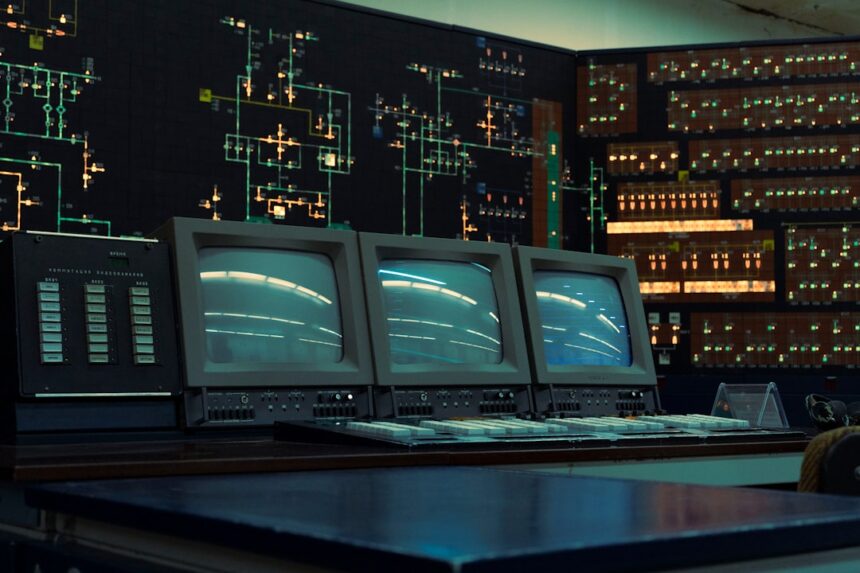
The Cold War, a period of intense geopolitical rivalry, saw an unprecedented escalation in military technology, particularly in naval warfare. One of the most persistent and critical challenges faced by Western powers was the elusive nature of Soviet submarines. These undersea behemoths, often carrying conventional and nuclear payloads, posed a direct threat to strategic interests and shipping lanes. Consequently, a relentless pursuit of advanced submarine tracking technology became a paramount objective for the United States and its allies. This article delves into the various advancements in Soviet submarine tracking technology, examining the methodologies, technological breakthroughs, and the evolving cat-and-mouse game beneath the ocean’s surface.
Before the sophistication of global surveillance networks, early submarine tracking primarily relied on passive acoustic detection. This involved listening for the distinct sounds emanating from a submarine.
Hydrophone Arrays
The fundamental building block of early acoustic detection was the hydrophone. These underwater microphones, initially individual units, evolved into sophisticated arrays.
Fixed Arrays
During the initial phases of the Cold War, static hydrophone arrays were strategically emplaced in choke points and vital maritime approaches. These arrays, often seabed-mounted, relied on triangulation to pinpoint a submarine’s general location. Imagine these fixed arrays as a network of ears, passively listening across vast expanses of the ocean, attempting to discern the faint hum of a distant engine or the subtle cavitation of a propeller. Their effectiveness, however, was limited by oceanic noise, the submarine’s speed, and the inherent difficulties of maintaining such distant, often deep-water installations.
Towed Arrays
A significant leap forward came with the development of towed arrays. These lengthy lines of hydrophones, often several kilometers long, were trailed behind surface ships and, later, other submarines. The advantage of towed arrays lay in their greater flexibility and ability to cover wider areas. Picture a long, sensitive serpent gliding through the ocean, its many “ears” attuned to the faintest whisper of a submarine. This mobility allowed for more dynamic tracking and reduced the impact of localized noise interference. However, their physical vulnerability and the susceptibility of their signals to interference from the towing vessel remained ongoing challenges.
Sonar Evolution
While passive listening was crucial, active sonar, which emits sound pulses and listens for echoes, played an equally vital role, particularly for closer-range detection and precise localization.
Active Sonar Limitations
Early active sonar systems suffered from significant limitations. The emitted sound pulses were easily detectable by the submarine, essentially announcing the tracker’s presence. Furthermore, reverberation from the seafloor and thermoclines – layers of water with different temperatures – severely hampered detection ranges and clarity. Imagine shouting in a vast, echoing cavern; discerning a specific sound amidst the reverberations proved incredibly difficult. This “sonar equation” – balancing emitted power, detection range, and the risk of giving away one’s position – was a constant conundrum for sonar designers.
Advanced Signal Processing
The mid to late Cold War saw dramatic improvements in signal processing. Digital signal processing techniques allowed for the filtering of oceanic noise, enhancing the clarity of faint submarine signals, and distinguishing them from biological sounds or environmental interference. These advancements were akin to developing a sophisticated filter for a noisy radio signal, isolating the distinct voice of the submarine amidst a cacophony of surrounding sounds. This improved the probability of detection and reduced false alarms, a critical factor given the consequences of misidentification in a Cold War context.
Technological innovations in Soviet submarine tracking technology have significantly evolved over the years, reflecting the intense military competition during the Cold War. For a deeper understanding of the advancements in naval warfare and the implications of these technologies, you can explore a related article on this topic at In the War Room. This resource provides insights into the strategic importance of submarine tracking and the technological breakthroughs that shaped naval operations.
Non-Acoustic Tracking Methods
While acoustics remained the cornerstone of submarine tracking, the pursuit of non-acoustic methods offered the potential to overcome inherent limitations and provide alternative detection modalities.
Magnetic Anomaly Detection (MAD)
One of the earliest non-acoustic methods was Magnetic Anomaly Detection (MAD). Submarines, particularly those constructed with ferromagnetic materials, create localized disturbances in the Earth’s magnetic field.
MAD Sensors
Aircraft equipped with MAD sensors, typically mounted on booms or extendable stingers, would fly low over suspected submarine patrol areas. When a submarine passed beneath, the sensor would detect the anomaly. Think of a MAD sensor as a highly sensitive compass, capable of detecting the subtle twitch in the Earth’s magnetic field caused by a large metallic object moving beneath it. Its range, however, was extremely limited, requiring direct overflight, making it primarily a localization tool rather than a broad-area search system.
Complementary Role
MAD rarely served as a primary detection method but rather as a valuable complementary tool. Once an acoustic contact was made, MAD-equipped aircraft could be vectored to the area to confirm the presence of a submarine and assist in its precise localization, especially when the submarine was running shallow or snorkelling. It was often the final piece of the puzzle, confirming a fleeting acoustic signature with a distinct magnetic footprint.
Infrared and Wake Detection
The potential to detect a submarine’s thermal signature or its wake from the surface or air also garnered significant research attention.
Thermal Signatures
Submarines, even when submerged, can leave subtle thermal traces on the ocean surface, particularly when operating at shallow depths or if they have recently surfaced. These thermal anomalies, caused by heat dissipation from the hull or exhaust, could theoretically be detected by airborne infrared sensors. This was akin to trying to spot a warm handprint on a cold surface, a challenging task given the vastness and temperature variability of the ocean. The success of such methods was highly dependent on environmental conditions, submarine depth, and the sensitivity of the sensors.
Wake Signatures
A more ambitious endeavor involved detecting the submarine’s wake, the turbulent disturbance left behind as it moves through the water. Various methods were explored, including laser detection of surface disturbances or even chemical traces. This proved to be an exceedingly difficult task, as ocean turbulence and surface conditions often masked any subtle wake phenomena. Imagine trying to see the ripples of a dropped pebble in a tempestuous sea – the natural environment often swallowed these faint signatures.
Global Surveillance Networks
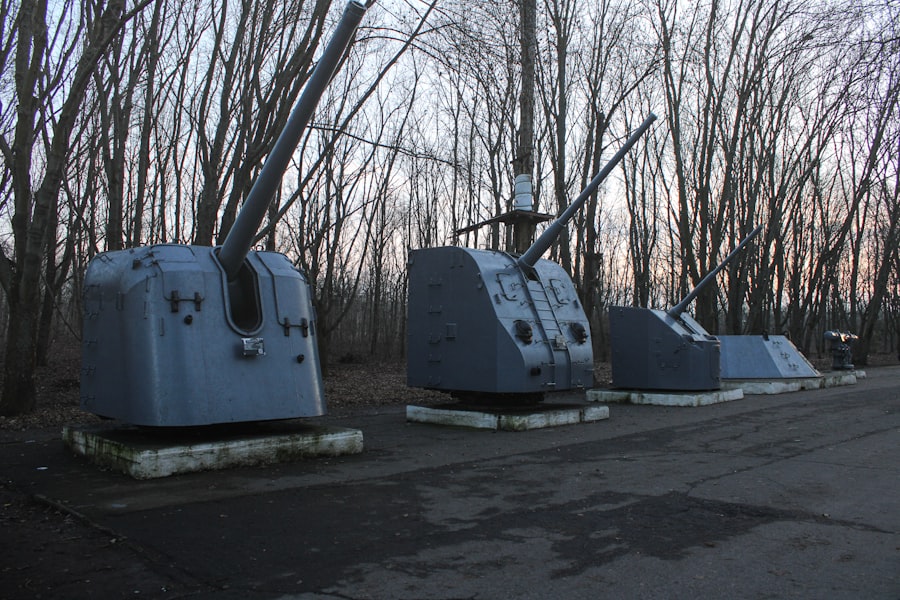
The true power of Cold War submarine tracking emerged from the integration of diverse sensor platforms into vast, interconnected global surveillance networks.
SOSUS (Sound Surveillance System)
The Sound Surveillance System (SOSUS) was perhaps the most iconic and effective of these networks. It represented a titanic engineering and intelligence effort.
Transoceanic Coverage
SOSUS consisted of extensive arrays of highly sensitive hydrophones strategically laid on the ocean floor, primarily across the North Atlantic and Pacific. These arrays were connected by undersea cables to shore-based processing facilities. Think of SOSUS as a gigantic, undersea eavesdropping network, its hundreds of thousands of individual “ears” spread across entire oceans, constantly listening for the tell-tale signs of Soviet submarine activity. This provided unprecedented transoceanic coverage, allowing for the early detection and broad-area localization of submerged threats.
Data Processing and Analysis
The sheer volume of acoustic data generated by SOSUS necessitated sophisticated processing and analysis techniques. Powerful computers filtered out noise, identified distinct signatures, and tracked the movements of Soviet submarines. This was a monumental data management and analysis challenge, requiring skilled operators and advanced algorithms to sift through terabytes of information daily. The ability to differentiate between various submarine classes based on their unique acoustic signatures, much like recognizing different car models by their engine sounds, was a key development.
Integrated Surveillance Systems (e.g., IUSS)
SOSUS, while foundational, was part of a broader network of integrated surveillance systems, including airborne, space-based, and surface platforms.
Multi-sensor Integration
These integrated systems combined data from SOSUS, surface ship sonars, airborne anti-submarine warfare (ASW) aircraft (such as the P-3 Orion), and even satellite intelligence. The aim was to build a comprehensive “picture” of the underwater battlespace. Imagine a grand orchestra, where each instrument, from the deep basses of SOSUS to the high-pitched violins of air-dropped sonobuoys, contributes to a complete auditory tapestry, revealing the clandestine movements of hostile submarines. This multi-sensor fusion dramatically improved the accuracy and continuity of tracking.
Command and Control
Effective command and control were paramount for coordinating these diverse assets. Real-time data sharing and rapid response capabilities allowed tracking forces to be vectored to likely contact areas, initiating a focused search and track operation. The intelligence gathered from these systems directly informed naval strategies and deployment decisions, providing a critical advantage in the submarine deterrent game.
Counter-Measures and Evasion
The relentless pursuit of tracking technology naturally spurred Soviet efforts to develop counter-measures and evasion tactics, turning the Cold War into a perpetual cat-and-mouse game.
Quieting Technologies
The most significant counter-measure was the relentless pursuit of “quieting” technologies. The less noise a submarine emitted, the harder it was to detect acoustically.
An Anechoic Coatings
Soviet engineers invested heavily in anechoic coatings for their submarines. These rubber-like tiles, applied to the hull, were designed to absorb sonar pings and reduce the submarine’s own radiated noise. Think of these coatings as stealth technology designed for the underwater environment, muffling the submarine’s acoustic signature and making it visually (acoustically) indistinct from the surrounding water. The effectiveness of these coatings varied, but they represented a significant step in reducing acoustic vulnerability.
Propeller Design and Machinery Isolation
Significant advancements were made in designing quieter propellers, reducing cavitation noise – the sound generated by rapidly collapsing bubbles. Furthermore, engineers focused on isolating noisy machinery from the hull through sophisticated mounting systems, preventing vibrations from radiating into the water. This was an endeavor to make the submarine’s inner workings as silent as possible, minimizing the acoustic footprint it left behind. The transition from noisy, older designs to significantly quieter submarines, particularly with the introduction of the Akula class, presented considerable challenges to Western tracking efforts.
Evasion Tactics
Beyond technological quieting, Soviet submarines developed sophisticated operational evasion tactics to confound trackers.
Deep and Fast Maneuvers
Utilizing the ocean’s thermal layers and bathymetry, submarines would often conduct deep and fast turns, shedding their acoustic signature and making it difficult for trackers to reacquire them. These maneuvers were akin to a bird diving into a dense forest, momentarily disappearing from sight. The ability to exploit the complex underwater environment became a crucial skill for submarine commanders.
Decoys and Countermeasures
Some Soviet submarines were equipped with acoustic decoys, designed to emit false signatures or generate noise to mask the submarine’s actual location, confusing tracking systems. These “ghosts” in the water could tie up valuable tracking assets and divert attention, allowing the main submarine to escape detection. Furthermore, basic acoustic countermeasures, such as noisemakers designed to overload enemy sonar, were also deployed.
Technological innovations in Soviet submarine tracking technology have played a crucial role in naval warfare, significantly enhancing the capabilities of the Soviet fleet during the Cold War. For a deeper understanding of how these advancements influenced military strategies, you can explore a related article that delves into the intricacies of underwater surveillance systems and their impact on global security. This insightful piece can be found here, providing a comprehensive overview of the evolution of submarine detection methods and their implications for modern naval operations.
The Legacy and Future of Submarine Tracking
| Year | Innovation | Description | Impact on Submarine Tracking | Technological Components |
|---|---|---|---|---|
| 1950s | Passive Sonar Arrays | Development of large passive sonar arrays for underwater listening. | Improved detection range and ability to track quieter submarines. | Hydrophones, signal processing units |
| 1960s | Coastal SOSUS-like Systems | Implementation of fixed underwater listening posts along coastlines. | Enhanced early warning and tracking of NATO submarines near Soviet waters. | Underwater hydrophone networks, data transmission cables |
| 1970s | Mobile Sonar Platforms | Deployment of sonar-equipped surface ships and submarines for active tracking. | Increased flexibility and coverage in submarine detection operations. | Active sonar emitters, signal processors, onboard computers |
| 1980s | Signal Processing Enhancements | Introduction of digital signal processing to filter and analyze sonar data. | Improved accuracy and reduced false positives in submarine detection. | Digital computers, advanced algorithms |
| 1990s | Satellite Reconnaissance Integration | Use of satellite data to complement underwater tracking systems. | Better situational awareness and tracking of submarine movements globally. | Satellite sensors, data fusion systems |
The advancements in Soviet submarine tracking technology during the Cold War left an indelible mark on naval warfare, shaping strategies and technological development for decades to come.
Enduring Principles
The principles established during the Cold War – particularly the reliance on multi-sensor integration, advanced signal processing, and global surveillance networks – remain fundamental to modern anti-submarine warfare. The cat-and-mouse game continues, though the players and their technologies have evolved. Today’s challenges include increasingly sophisticated quiet submarines, autonomous underwater vehicles (AUVs), and the proliferation of advanced, yet often more accessible, tracking technologies.
Artificial Intelligence and Machine Learning
The future of submarine tracking is increasingly intertwined with artificial intelligence (AI) and machine learning (ML). These technologies promise to further enhance signal processing, automate threat detection, predict submarine movements, and optimize the deployment of tracking assets. AI can analyze vast datasets from various sensors with unprecedented speed and accuracy, identifying patterns that might elude human operators. Imagine an AI learning the unique “voice” of every submarine in the world, predicting its movements as if it were a living creature in the ocean. This will be crucial in countering the next generation of ultra-quiet and evasive submarines.
Ultimately, the advancements in Soviet submarine tracking technology during the Cold War were a testament to human ingenuity and the relentless pursuit of military advantage. This era compelled engineers and scientists to push the boundaries of physics and information technology, creating a legacy that continues to define undersea warfare and strategic stability in the 21st century. The cold depths of the ocean continue to be a crucial arena for technological competition, where the unseen battle for dominance persists.
WATCH NOW▶️ Soviet submarine tracking technology
FAQs
What were the main goals of Soviet submarine tracking technology?
The primary goals of Soviet submarine tracking technology were to detect, monitor, and track enemy submarines to maintain strategic naval superiority and ensure national security during the Cold War era.
What types of technological innovations did the Soviet Union develop for submarine tracking?
The Soviet Union developed several innovations including advanced sonar systems, underwater hydrophone arrays, magnetic anomaly detectors, and satellite-based surveillance to enhance their ability to detect and track submarines.
How did Soviet sonar technology contribute to submarine tracking?
Soviet sonar technology, including both passive and active sonar systems, allowed for the detection of underwater acoustic signals emitted by submarines, enabling the identification and tracking of enemy vessels over long distances.
What role did underwater hydrophone arrays play in Soviet submarine tracking?
Underwater hydrophone arrays were deployed on the ocean floor to continuously listen for submarine noises. These arrays formed part of a broader network that helped triangulate the position of submarines by analyzing sound patterns.
Did the Soviet Union use satellite technology for submarine tracking?
Yes, the Soviet Union incorporated satellite reconnaissance and electronic intelligence systems to complement underwater detection methods, providing broader surveillance capabilities and improving the accuracy of submarine tracking.