The shadowy world of naval espionage has long captivated public imagination, often portrayed in fiction as a realm of daring operatives and sophisticated subterfuge. However, the reality, as revealed through declassified documents, presents a more complex and sometimes mundane picture, albeit one no less critical to national security. These revelations offer a unique window into the perpetual cat-and-mouse game played beneath the waves and across diplomatic channels, shedding light on the strategies, technologies, and human elements involved in safeguarding maritime interests.
The Cold War, a period of intense ideological and geopolitical struggle, saw naval espionage reach its zenith. Both the United States and the Soviet Union, along with their respective allies, invested heavily in intelligence gathering, recognizing the strategic importance of maritime dominance. The oceans, far from being empty expanses, became battlegrounds for a silent war of information.
Submarine Warfare: The Ultimate Covert Platform
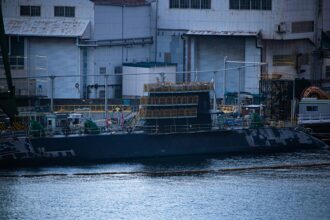
Submarines, with their ability to operate undetected for extended periods, were the paramount tools of naval espionage during this era. They served as mobile listening posts, capable of intercepting communications, mapping seafloor topography, and observing adversary naval movements.
- Operation Ivy Bells: One of the most audacious Cold War operations involved U.S. Navy submarines tapping into Soviet undersea communication cables in the Sea of Okhotsk. This highly classified endeavor, initiated in the early 1970s, provided invaluable intelligence by intercepting encrypted telephone calls and data transmissions. The discovery of the tap, allegedly by former NSA analyst Ronald Pelton in 1980, represented a significant intelligence setback for the United States. The technological ingenuity required to locate, access, and repeatedly download data from these cables, often in hostile conditions, underscores the remarkable capabilities developed during this period.
- Soviet Submarine Incursions: On the other side of the Iron Curtain, Soviet submarines regularly conducted reconnaissance missions in proximity to Western naval bases and shipping lanes. These incursions aimed to collect acoustic signatures of NATO vessels, test response times, and gather intelligence on naval infrastructure. Incidents like the grounding of the Soviet Whiskey-class submarine U-137 in Swedish territorial waters in 1981, infamously known as “Whiskey on the Rocks,” served as stark reminders of the pervasive nature of this underwater intelligence gathering. Such events frequently escalated diplomatic tensions.
Surface and Air Reconnaissance: The Eyes and Ears Above
While submarines operated in the deep, surface vessels and aircraft provided complementary intelligence. These platforms, often disguised as research vessels or commercial trawlers, conducted routine surveillance.
- Spy Ships: Both superpowers deployed “spy ships” – vessels ostensibly engaged in scientific research or fishing, but covertly equipped with advanced electronic surveillance gear. These ships would loiter near adversary naval exercises or sensitive coastal areas, intercepting electronic signals (ELINT) and communications (COMINT). The tragic loss of the USS Liberty in 1967, struck by Israeli forces during the Six-Day War, remains a contentious incident highlighting the dangers inherent in these intelligence-gathering missions. While the incident’s causes are still debated, the ship’s primary mission was electronic intelligence collection.
- Aerial Surveillance: High-altitude reconnaissance aircraft, like the U-2 and later satellite systems, provided overhead imagery of naval facilities, ship movements, and strategic installations. These platforms offered a broader, strategic overview that complemented localized intelligence from ships and submarines. The Cuban Missile Crisis, for example, was critically informed by U-2 reconnaissance flights that identified Soviet missile installations in Cuba, prompting a naval blockade.
Recent developments in naval espionage have shed light on several declassified cases that reveal the intricate methods employed by intelligence agencies. An insightful article discussing these revelations can be found at In the War Room, where experts analyze the implications of these cases on modern naval operations and international relations. The declassification of such documents not only provides a glimpse into historical events but also raises questions about current security protocols and the ongoing battle for maritime supremacy.
Human Intelligence: The Agents Beneath the Waves
Beyond technological prowess, human intelligence (HUMINT) remained a cornerstone of naval espionage. Agents operating within naval establishments or in positions to access classified information provided invaluable insights that machines could not.
The Traitor Within: Betrayal and Its Consequences
The insider threat has always been a significant vulnerability in national security. Naval espionage cases frequently reveal instances of individuals motivated by ideology, financial gain, or personal grievances, providing adversaries with highly sensitive information.
- The Walker Family Spy Ring: Perhaps one of the most damaging espionage rings in U.S. naval history was led by John Walker, a retired Navy chief warrant officer. Beginning in the late 1960s and continuing for almost two decades, Walker recruited his brother Arthur, his son Michael, and friend Jerry Whitworth, all serving in the Navy, to pass classified information to the Soviet Union. The Walkers provided cryptographic key lists, communication procedures, and information on U.S. Navy fleet movements. The damage assessment concluded that their betrayals significantly compromised naval communications security and gravely endangered U.S. submarine operations, effectively allowing the Soviets to read U.S. naval messages like an open book. This case serves as a stark reminder of the corrosive impact of human betrayal.
- Jonathan Pollard: Although not exclusively naval, Jonathan Pollard, a civilian intelligence analyst working for the U.S. Navy, provided vast quantities of classified documents to Israel in the mid-1980s. While some of these documents pertained to U.S. naval capabilities and intelligence on Arab states’ navies, the broader impact of his actions underscored the vulnerability of interconnected intelligence systems. His access to a wide array of intelligence products made him a particularly damaging source.
Recruitment and Counter-Intelligence: A Constant Struggle
Naval intelligence agencies engaged in continuous efforts to recruit sources within adversary navies while simultaneously thwarting similar attempts by opposing forces. This delicate dance involved meticulous vetting procedures, psychological profiles, and comprehensive counter-intelligence operations to identify and neutralize threats. The importance of robust security protocols and vigilant personnel cannot be overstated when considering the potential for compromise.
Technological Evolution: The Arms Race of Information
The landscape of naval espionage has been continually reshaped by technological advancements. From acoustic signatures to cyber warfare, the methods and means of intelligence gathering have evolved in lockstep with naval technology itself.
Acoustic Intelligence (ACINT): Listening to the Deep
The advent of nuclear submarines and their quiet operation necessitated sophisticated acoustic intelligence. Understanding and countering the acoustic signatures of submarines, surface vessels, and even specific weapon systems became paramount.
- SOSUS Network: The Sound Surveillance System (SOSUS) was a network of underwater hydrophone arrays deployed by the U.S. Navy and its allies. These passive acoustic sensors were designed to detect and track Soviet submarines by identifying their unique sound signatures. Declassified documents reveal the remarkable success of SOSUS in monitoring Soviet submarine traffic, acting as a crucial early warning system and contributing significantly to anti-submarine warfare capabilities. The “cold war cat” (U.S. Navy) and “cold war mouse” (Soviet Navy) analogy beautifully encapsulates this acoustic hide-and-seek.
- Signature Reduction and Countermeasures: In response to SOSUS and similar systems, navies invested heavily in signature reduction technologies, such as anechoic coatings, advanced silencing techniques, and quieter propulsion systems. The Cold War became a continuous technological arms race, with each side developing methods to listen and then methods to become unheard.
Cyber Espionage: The Modern Battlefield
In the 21st century, the digital realm has emerged as a critical front in naval espionage. Cyber attacks target naval networks, compromise classified data, and even seek to disrupt operational systems.
- Network Infiltration: Adversary nation-states and non-state actors increasingly attempt to infiltrate naval computer networks to steal sensitive plans, identify vulnerabilities in ship systems, or gain insights into future strategic deployments. These attacks can range from sophisticated spear-phishing campaigns to exploiting zero-day vulnerabilities in software. The integrity of naval systems, from navigation to weapons, rests heavily on their digital security.
- Supply Chain Attacks: The globalized nature of modern shipbuilding and naval systems creates numerous opportunities for supply chain infiltration. Malicious hardware or software embedded in critical components during manufacturing can provide backdoors for espionage or sabotage. Ensuring the security of the vast global supply chain for naval technology has become a monumental intelligence challenge. The analogy here might be a Trojan horse, not at the gates, but delivered piece by piece into the very heart of the system.
The Human Cost and Ethical Dilemmas

Behind every declassified document and intelligence operation lies a human story, often one of immense personal risk, sacrifice, and sometimes, profound ethical quandaries. The world of naval espionage is not merely about facts and figures; it is about individuals making difficult choices under extreme pressure.
Prisoner of War and Missing in Action Cases: The Price of Secrecy
Cold War naval espionage, with its inherent secrecy, led to unresolved cases of missing personnel and tragic losses. The fates of sailors aboard reconnaissance vessels or submarines that vanished remain subjects of historical inquiry and personal heartache for their families.
- USS Scorpion: The mysterious loss of the USS Scorpion, a U.S. Navy nuclear submarine, in the Atlantic in 1968, remains an enduring enigma. While naval investigations concluded it was likely an internal malfunction, alternative theories involving Soviet engagement persist. Such incidents underscore the inherent dangers of naval operations, especially those cloaked in secrecy for intelligence purposes. The ocean, in this context, becomes both a vast canvas for clandestine operations and a formidable tomb.
The Ethics of Deception: A Necessary Evil?
Naval espionage, by its very nature, involves deception, manipulation, and covert action. These practices raise profound ethical questions, particularly concerning the collection of intelligence from allies or the impact on civilian populations inadvertently caught in the crossfire of intelligence gathering.
- Intelligence Sharing and Trust: The degree to which allied nations share sensitive naval intelligence reflects the depth of their trust and strategic alignment. Declassified documents sometimes reveal instances of allied espionage against each other, highlighting the complex and often Machiavellian nature of international relations even among friends. This creates a delicate balance where cooperation can be undermined by the pursuit of individual national interests.
- Collateral Damage: While the primary target of naval espionage is often military infrastructure or personnel, the broader impact of intelligence activities can extend to civilian shipping, telecommunications, and even the environment. The risk of accidents, misinterpretations, or unintended consequences is a constant shadow hanging over these operations.
The declassified archives of naval espionage offer a compelling, albeit often sobering, account of a critical dimension of international relations and national defense. From the silent hunters of the Cold War to the digital battles of today, the pursuit of maritime intelligence remains a vital, dangerous, and perpetually evolving endeavor, a testament to the enduring human thirst for information and the relentless drive for strategic advantage on the world’s oceans. These revelations invite us to look beyond the fictional narratives and appreciate the true complexity and significance of this hidden war.
FAQs
What is naval espionage?
Naval espionage refers to the covert gathering of intelligence related to naval forces, operations, technologies, and strategies. It typically involves spying activities aimed at gaining an advantage over rival naval powers.
Why are naval espionage cases declassified?
Naval espionage cases are declassified to provide historical insight, promote transparency, and allow public understanding of past intelligence activities. Declassification often occurs after the information is no longer sensitive to national security.
What are some famous naval espionage cases that have been declassified?
Some well-known declassified naval espionage cases include the activities of spies during World War II, such as the capture of German U-boat codes, and Cold War incidents involving the Soviet Union and the United States, including the case of John Walker, a U.S. Navy officer who spied for the USSR.
How do declassified naval espionage cases impact current naval operations?
Declassified cases can influence current naval operations by providing lessons learned, improving counterintelligence measures, and shaping policies to prevent similar breaches. They also help in understanding historical threats and espionage tactics.
Where can one access declassified naval espionage case documents?
Declassified naval espionage documents are often available through national archives, government websites, military history museums, and official intelligence agency releases. Some documents may also be accessible via freedom of information requests.