Unveiling Oahu’s Sunken Secrets
The depths off the coast of Oahu have long held a mystique, a vast expanse where history and the natural world intertwine. Recent discoveries have dramatically amplified this allure, revealing a staggering number of underwater enigmas that promise to reshape our understanding of the region’s maritime past. An astonishing 400 submarine wrecks, a veritable ghost fleet, have been pinpointed in the waters surrounding the Hawaiian island. This monumental find, a testament to decades of exploration and technological advancement, opens a new chapter in naval archaeology and historical inquiry. For years, researchers and oceanographers have meticulously surveyed the seafloor, employing sophisticated sonar, remotely operated vehicles (ROVs), and autonomous underwater vehicles (AUVs) to map and identify submerged structures. The sheer scale of this discovery, however, has surpassed even the most optimistic projections, transforming a previously fragmented understanding of Oahu’s submerged heritage into a comprehensive panorama of sunken vessels.
The implications of this discovery are multifaceted, touching upon historical preservation, ecological impact, and the potential for invaluable scientific research. Each of these 400 wrecks represents a unique narrative, a lost chapter in the annals of maritime activity that once plied these Pacific waters. From commercial vessels that succumbed to the elements or accidents to potential military craft, the spectrum of vessels is likely vast and diverse. The identification and categorization of these wrecks will require extensive collaboration between historical societies, naval experts, marine biologists, and governmental agencies. The challenge is immense, but the reward – a deeper, more nuanced understanding of human interaction with the ocean and the history of seafaring in the Pacific – is immeasurable. This finding ignites a profound curiosity about the stories these silent sentinels hold, urging a concerted effort to document, protect, and potentially interpret these submerged historical sites before they are lost forever to the relentless forces of nature. The 400 submarine wrecks off Oahu are not merely metal husks; they are time capsules, waiting to reveal their secrets to those willing to venture into the deep.
The recent discovery of the I-400 submarine wreck off the coast of Oahu has captured the attention of historians and maritime enthusiasts alike. This remarkable find sheds light on the advanced technology of World War II-era submarines and their strategic significance in naval warfare. For a deeper understanding of the implications of this discovery, you can read a related article that explores the history and impact of the I-400 class submarines at In The War Room.
The Genesis of a Ghost Fleet
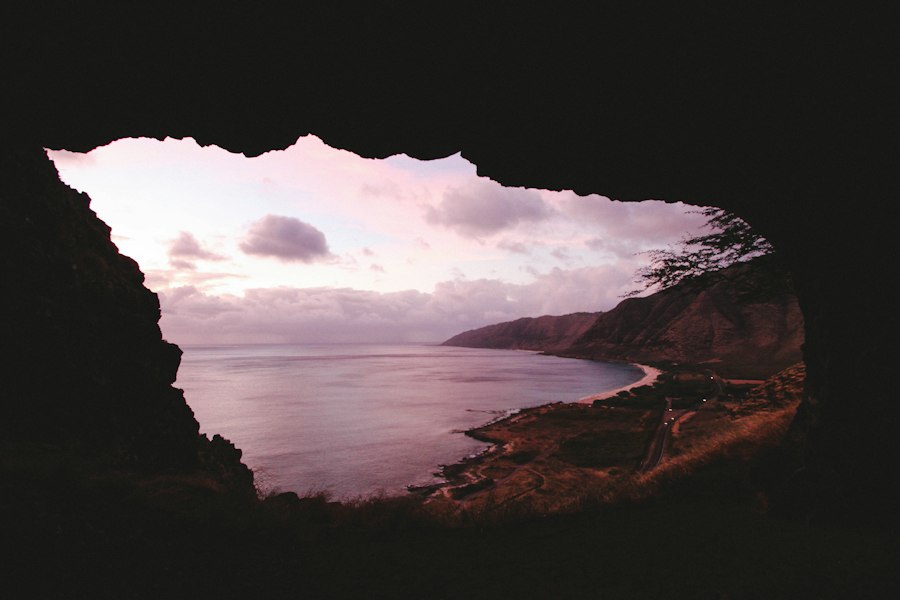
The revelation of 400 submarine wrecks off Oahu is not a singular, sudden event but rather the culmination of persistent scientific endeavor and evolving technological capabilities. For decades, the underwater landscape surrounding Oahu has been a subject of ongoing investigation. Early explorations were often limited by the technology available, relying on visual surveys from ships or rudimentary submersible vehicles. These early efforts, while valuable, could only scratch the surface of the vast ocean floor. As sonar technology advanced, allowing for more detailed mapping of the seabed, and as ROVs and AUVs became more sophisticated and accessible, the ability to explore deeper and more remote areas increased exponentially. These tools enabled scientists to penetrate the often murky waters and capture high-resolution imagery and data from depths previously inaccessible.
Decades of Data Accumulation
The sheer number of wrecks suggests that these discoveries are not the result of a single, recent expedition. Instead, it is a testament to the continuous accumulation of data over many years, gathered by various research institutions, government agencies, and even private entities involved in marine surveying and resource management. This ongoing effort, often driven by objectives such as charting shipping lanes, assessing geological formations, or monitoring marine environments, has inadvertently or intentionally logged the presence of numerous submerged anomalies. The process of identifying an anomaly as a shipwreck, and then further categorizing it, is a laborious one. It involves analyzing sonar signatures, comparing them to known vessel types, and often deploying ROVs for close-up visual confirmation. Each identified wreck, no matter how small or insignificant it might seem at first glance, contributes to the growing database of Oahu’s underwater heritage.
Technological Leaps in Underwater Exploration
The recent surge in identified wrecks can be directly attributed to the rapid advancements in underwater exploration technology. High-resolution multibeam sonar systems can now create incredibly detailed topographical maps of the seafloor, allowing researchers to discern the shapes and sizes of submerged objects with remarkable clarity. Autonomous Underwater Vehicles (AUVs), programmed to systematically survey large areas of the ocean floor, have been instrumental in systematically covering vast tracts of the seabed. These AI-driven robots can operate for extended periods, collecting data on depth, water temperature, salinity, and, crucially, sonar imagery. Remotely Operated Vehicles (ROVs), tethered to a surface vessel and piloted by skilled operators, provide a visual inspection capability. Equipped with powerful lights, high-definition cameras, and manipulator arms, ROVs can get up close to wrecks, allowing for detailed examination of their structure, identifying distinctive features, and even collecting samples. The integration of these technologies has created a synergistic effect, accelerating the pace of discovery and enabling the identification of wrecks that might have been overlooked in earlier surveys.
A Spectrum of Sunken Vessels

The designation “400 submarine wrecks” is a broad classification that hints at a diverse array of vessels, each with its own story of how it came to rest on the ocean floor off Oahu. While the term “submarine” might immediately conjure images of military submersibles, the reality of sunken vessels is often far more varied, encompassing a wide range of maritime crafts that have met their end in these waters. Understanding the types of wrecks present is crucial for comprehending their historical significance and the potential research opportunities they present. The sheer volume suggests a long history of maritime activity, from ancient times to more recent eras.
Commercial Maritime Tragedies
Oahu, as a vital hub for trade and travel in the Pacific, has undoubtedly seen its share of commercial vessels that have met with misfortune. These could range from large cargo ships that have sunk due to severe weather, navigational errors, or structural failures, to smaller fishing boats or inter-island ferries. Each of these wrecks represents a loss of life, a disruption of commerce, and a tangible piece of the economic history of Hawaii. The identification of these commercial wrecks can provide invaluable insights into past shipping routes, cargo types, and the economic ties that connected Oahu to the wider world. The study of their structural integrity and the marine life that has colonized them can also offer insights into the long-term effects of submerged structures on the marine ecosystem.
Potential Military Relics
The strategic importance of Oahu, particularly during World War II and the subsequent Cold War era, makes the presence of military wrecks a strong possibility. While the exact nature of any military
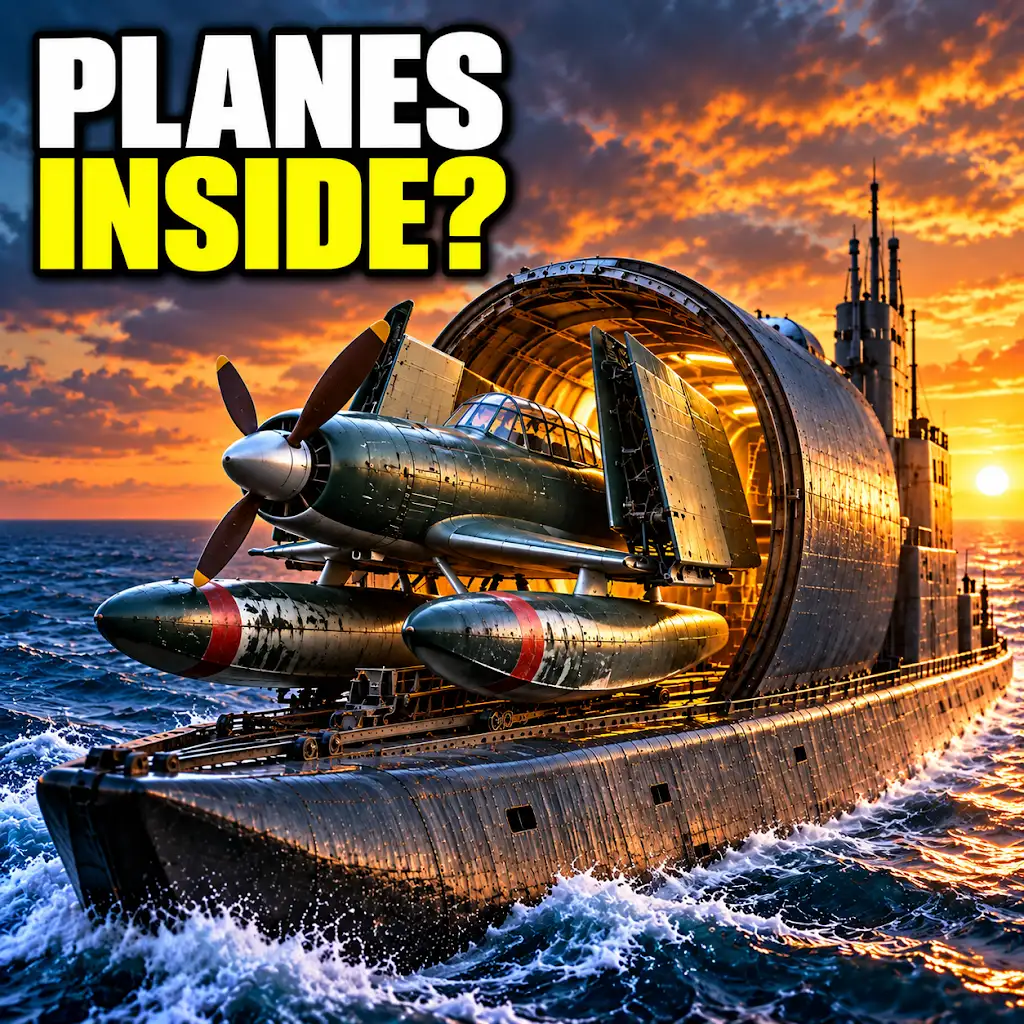
Japan Built a Submarine That Could Launch Three Planes
FAQs
What is the i-400 submarine wreck found off Oahu?
The i-400 submarine was a World War II Japanese submarine that was discovered off the coast of Oahu, Hawaii.
When was the i-400 submarine wreck found?
The i-400 submarine wreck was found in August 2018 by a team of researchers using underwater sonar technology.
Why is the discovery of the i-400 submarine wreck significant?
The discovery of the i-400 submarine wreck is significant because it was one of the largest submarines ever built during World War II and was part of Japan’s secret weapon program.
What happened to the i-400 submarine during World War II?
During World War II, the i-400 submarine was used by the Japanese Navy for long-range missions and was capable of carrying three aircraft for reconnaissance or bombing missions.
What will happen to the i-400 submarine wreck now that it has been found?
The i-400 submarine wreck is considered a war grave and will be left undisturbed as a memorial to the sailors who lost their lives aboard the submarine.