The year 1990 marked a pivotal moment in uncovering the hidden machinations of the Cold War. For decades, whispers and theories had circulated about clandestine networks operating in the shadows, designed to counter perceived Soviet influence. These suspicions, often dismissed as conspiracy theories, began to crystallize into a more concrete, and deeply unsettling, reality with the revelations surrounding Operation Gladio. This Italian codename, initially representing a small segment of a larger phenomenon, exploded into public consciousness, exposing a vast, multinational secret army designed to wage a “stay-behind” campaign in the event of a Soviet invasion of Western Europe. The 1990 revelations were not merely an academic exercise; they were a seismic shock, forcing governments, intelligence agencies, and the public to confront the uncomfortable truths about the lengths to which Western powers had gone to maintain their ideological dominance during the Cold War.
The seeds of Operation Gladio were sown in the fertile ground of post-World War II Europe. The specter of Soviet expansionism loomed large, particularly after the Communist coup in Czechoslovakia in 1948. Western intelligence agencies, acutely aware of the vulnerability of Western European nations to potential Soviet-backed insurrections or direct invasion, began to conceive of contingency plans that extended far beyond conventional military defense. The primary objective was to create a clandestine resistance capable of operating behind enemy lines, disrupting Soviet advances, and supporting any invading forces.
Post-War European Landscape and the Red Scare
The immediate aftermath of World War II left Europe in a state of flux. Nations were rebuilding, economies were fragile, and political ideologies were sharply divided. The rise of the Soviet Union as a global superpower, coupled with the existence of strong communist parties within many Western European countries, fueled a pervasive fear of communist takeover. This “Red Scare,” while often exaggerated, provided a potent justification for the establishment of secret, paramilitary organizations. The Marshall Plan, while ostensibly for economic recovery, also served to solidify the Western bloc and strengthen anti-communist sentiment. Within this climate, the idea of a hidden defense force that could mobilize in secret gained traction.
NATO’s Strategic Imperatives
The formation of the North Atlantic Treaty Organization (NATO) in 1949 was a direct response to the perceived Soviet threat. While NATO’s public face was that of a military alliance for collective defense, its internal strategic planning encompassed a far broader spectrum of potential conflict scenarios. The concept of “total war” included not only conventional military engagements but also the possibility of internal subversion and prolonged occupation. Stay-behind networks were conceived as a crucial element of this broader strategy, ensuring that even if the front lines collapsed, a resilient resistance would emerge. The goal was to make any Soviet occupation prohibitively costly and unsustainable.
The Role of Intelligence Agencies and Covert Operations
The development and implementation of these stay-behind networks were largely orchestrated by national intelligence agencies, most notably the Central Intelligence Agency (CIA) in the United States and the Secret Intelligence Service (MI6) in the United Kingdom, in collaboration with their European counterparts. These agencies possessed the operational expertise, resources, and political access necessary to establish and maintain such clandestine structures. The inherent secrecy of intelligence work meant that these operations could proceed with minimal oversight, allowing for a significant degree of autonomy in their planning and execution.
The 1990 revelations about Operation Gladio, a covert NATO operation during the Cold War that involved secret armies in Europe, have sparked significant interest in the implications of state-sponsored clandestine activities. For a deeper understanding of the historical context and the ongoing debates surrounding these revelations, you can read the article titled “The Legacy of Operation Gladio: Cold War Secrets and Modern Implications” available at In the War Room. This article explores the intricate web of political maneuvering and the impact of these operations on contemporary geopolitics.
The Italian Connection: Operation Gladio Comes to Light
While stay-behind networks were a pan-European phenomenon, the specific revelations surrounding “Operation Gladio” in Italy provided the first concrete evidence of their existence and scope. The term “Gladio” itself, meaning “sword” in Italian, became synonymous with this shadowy world of secret armies and their alleged involvement in domestic political turmoil. The initial discoveries were a slow burn, beginning with fragmented pieces of information that gradually coalesced into a disturbing picture.
Initial Suspicions and Unexplained Events
For years, Italy had been plagued by a series of violent incidents, including bombings, assassinations, and political unrest, often referred to as the “Years of Lead” (Anni di piombo). Many of these events remained officially unsolved, with perpetrators and their motives often shrouded in ambiguity. Conspiracy theories abounded, suggesting the involvement of far-right extremist groups, foreign intelligence agencies, or even elements within the Italian state itself. The seeming inability of the authorities to bring a definitive resolution to these crises sowed seeds of doubt and suspicion.
The Role of Judge Felice Casson
A significant turning point came in 1985 with the work of Judge Felice Casson. Investigating a bombing incident in Peteano that killed three Carabinieri officers, Casson began to uncover evidence of advanced weaponry and logistical support that suggested a level of sophistication beyond that of common terrorist groups. His meticulous investigation led him to a cache of weapons and explosives hidden by a clandestine network, ultimately pointing towards the existence of a secret paramilitary organization.
The Turin Investigation and the Discovery of Weapons Caches
Casson’s investigation broadened, and similar discoveries of hidden weapons caches began to surface in various locations across Italy. These caches contained not only firearms and explosives but also sophisticated communication equipment and survival gear. The sheer scale and organization of these hidden arsenals suggested a well-funded and well-supported operation, capable of sustaining a prolonged period of clandestine activity. The implications were staggering: Italy was harboring a secret army, operating outside the purview of democratic oversight.
The 1990 Parliamentary Commission and Official Recognition
The pressure mounted on the Italian government to address the growing evidence. In 1990, the Italian Parliament established a commission of inquiry to investigate the activities of Operation Gladio. The commission’s report, released later that year, officially acknowledged the existence of the Gladio network in Italy. This was a watershed moment, as it brought the secret army out of the realm of speculation and into official confirmation. The revelations sent shockwaves across Italy and the international community.
The European Dimension: A Network of Networks
The Italian revelations served as a catalyst for similar investigations and acknowledgments in other European countries. It became clear that Operation Gladio was not an isolated Italian phenomenon but rather a component of a much larger, interconnected network of “stay-behind” organizations operating across Western Europe, all with similar objectives and under the umbrella of NATO.
The Belgian Revelation and the Gendarmerie’s Role
Following the Italian revelations, Belgium also admitted to the existence of its own stay-behind organization. This network, reportedly involving members of the Gendarmerie (a former paramilitary police force), was discovered to have stockpiles of weapons and training facilities. The Belgian government’s acknowledgment further solidified the understanding that this was a coordinated, multinational effort. The involvement of national law enforcement and military personnel raised serious questions about internal security and democratic accountability.
The Swiss Context: P-26 and its Controversial Activities
Switzerland, despite its neutrality, also had its own secret army, known as P-26. While the Swiss government has been less forthcoming than some of its European neighbors, evidence emerged suggesting that P-26 was involved in training and supporting far-right elements, raising concerns about its potential use in manipulating domestic politics. The Swiss case highlighted the complex and often ethically ambiguous nature of these networks, even in countries not directly on the front lines of the Cold War.
The French and German Perspectives: Secrecy and Limited Disclosure
France and Germany, major players in Cold War Europe, also had their own stay-behind structures. However, their responses to the revelations were generally more guarded, with limited official disclosures. The extent of their involvement and the specific nature of their networks remained largely shrouded in secrecy, fueling further speculation and unease about the true scope of the “stay-behind” phenomenon. The inherent national security concerns, coupled with a desire to avoid public scrutiny, contributed to this reticence.
The British Connection: MI6 and the Shadowy “Special Operations Executive” Legacy
The United Kingdom, through MI6, played a crucial role in the establishment and coordination of stay-behind networks. While no direct equivalent of “Gladio” was officially named, the legacy of the World War II-era Special Operations Executive (SOE) provided a precedent for such clandestine operations. British involvement was likely extensive, given the UK’s strategic importance within NATO and its deep intelligence ties. The full extent of British participation, however, remains largely classified.
The Mandate and Objectives of Gladio and its Counterparts
The primary mandate of these stay-behind organizations was clear: to prepare for and resist a Soviet invasion and occupation of Western Europe. However, the methods employed and the potential for mission creep raised serious questions about their broader objectives and their impact on democratic processes.
Resisting a Soviet Invasion: The “Stay-Behind” Doctrine
The core strategic objective was to ensure that if Soviet forces overran Western Europe, a resilient network of trained individuals would remain behind enemy lines. These operatives, often recruited from military and intelligence backgrounds, would be responsible for sabotage, intelligence gathering, supporting allied forces, and maintaining a resistance movement. They were equipped with hidden weapons caches, communication devices, and safe houses, designed for long-term clandestine operations.
Countering Internal Subversion: The “Red Menace” Within
Beyond the threat of external invasion, a significant concern for Western intelligence agencies was the perceived threat of communist subversion from within. Strong communist parties in countries like Italy, France, and Greece posed a challenge to the established political order. Stay-behind networks were also viewed as a tool to counter these internal threats, capable of disrupting communist movements and protecting democratic institutions from perceived infiltration.
The Question of “False Flag” Operations and Domestic Political Interference
One of the most controversial aspects of the Gladio revelations was the alleged involvement of these networks in “false flag” operations. The theory suggests that elements within these organizations, in collaboration with extremist groups and possibly certain intelligence factions, may have orchestrated terrorist attacks and bombings, blaming them on left-wing extremists or the Soviet Union. The aim of such operations would have been to create a climate of fear and instability, justifying harsher government responses and discrediting political opposition. The potential for these networks to be used for domestic political manipulation, rather than purely defensive purposes, remains a deeply troubling element of the Gladio legacy.
The Role of Fascist and Far-Right Elements
Evidence emerged suggesting that some stay-behind networks, particularly in Italy, may have collaborated with or even been infiltrated by fascist and far-right elements. These groups, often with their own anti-communist agendas, could have been co-opted or even manipulated by intelligence agencies to carry out certain operations. This collaboration raised profound questions about the true ideological allegiances and the potential for these networks to undermine democratic principles by supporting extremist factions.
The revelations surrounding Operation Gladio in 1990 shed light on the covert activities carried out by NATO and various intelligence agencies during the Cold War, raising questions about the extent of their influence on European politics. For those interested in exploring this topic further, a related article delves into the implications of these operations and their impact on modern geopolitical dynamics. You can read more about it in this insightful piece here.
The Legacy and Ongoing Debates
| Event | Details |
|---|---|
| Date | 1990 |
| Revelation | Italian Prime Minister Giulio Andreotti publicly acknowledged the existence of Operation Gladio, a clandestine NATO “stay-behind” operation during the Cold War. |
| Purpose | To prepare for and counter potential Soviet invasion and occupation of Western Europe. |
| Activities | Included arms caches, secret communication networks, and training for guerilla warfare. |
| Controversy | Revelations sparked debates about the role of secret military operations in democratic societies and raised concerns about potential abuses of power. |
The 1990 Gladio revelations did not bring an end to the story. Instead, they opened a Pandora’s Box of questions, sparking ongoing debates about accountability, the nature of democracy, and the enduring impact of Cold War machinations. The full truth about these secret armies may never be fully known, but their existence fundamentally altered our understanding of the post-war era.
The Demand for Accountability and Justice
The revelations ignited a widespread demand for accountability and justice for the victims of the violence attributed to these clandestine networks. Many families of those killed in bombings and attacks sought answers and closure, questioning why these secret organizations were allowed to operate with such impunity. The legal and political ramifications of these demands continue to reverberate in some countries.
The Impact on Democratic Institutions and Public Trust
The existence of secret armies operating outside of democratic oversight had a corrosive effect on public trust in government and state institutions. The knowledge that covert paramilitary forces were potentially involved in domestic political affairs eroded confidence in the integrity of the democratic process. The revelations highlighted the delicate balance between national security and democratic accountability.
The Enduring Mystery and Unanswered Questions
Despite the official acknowledgments, many questions surrounding Operation Gladio and its European counterparts remain unanswered. The precise extent of their activities, the identities of all key players, and the ultimate beneficiaries of their actions continue to be subjects of intense speculation and research. The classified nature of many relevant documents and the passage of time have made a definitive reckoning challenging.
The Relevance of Gladio in the Post-Cold War Era
The legacy of Gladio continues to be debated in the context of contemporary security challenges. While the immediate threat of Soviet invasion is gone, the potential for state-sponsored covert operations and the manipulation of information remains a relevant concern. The Gladio revelations serve as a stark reminder of the dark side of power and the importance of transparency and accountability in maintaining democratic societies. They underscore the need for continuous vigilance against the erosion of democratic norms, even in times of perceived peace and stability. The shadows of the Cold War, it seems, can cast long and complex legacies.
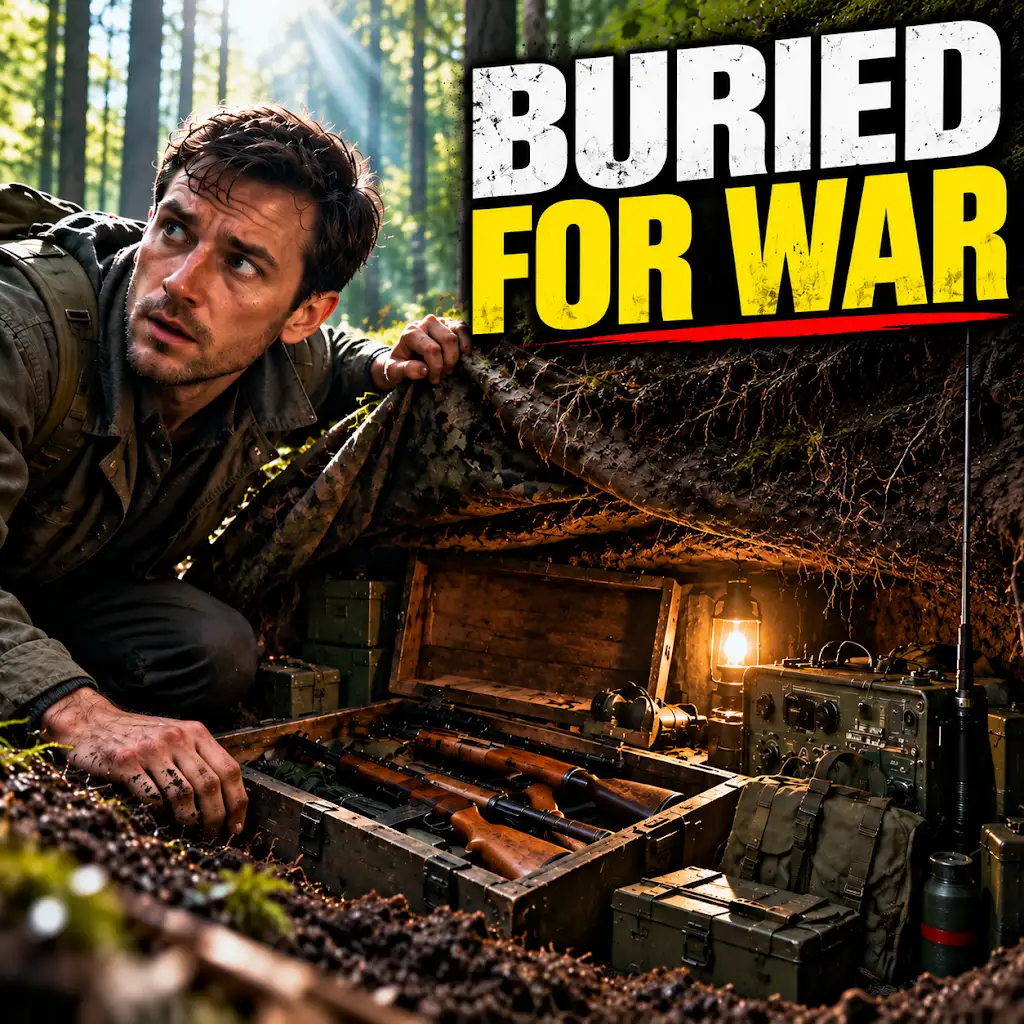
The Secret Armies NATO Prepared for a Soviet Invasion
FAQs
What was Operation Gladio?
Operation Gladio was a clandestine NATO operation that involved the establishment of secret “stay-behind” armies in several European countries during the Cold War. These armies were intended to conduct guerrilla warfare in the event of a Soviet invasion.
What were the 1990 Operation Gladio revelations?
In 1990, Italian Prime Minister Giulio Andreotti publicly acknowledged the existence of Operation Gladio, revealing that it had been active in Italy since the end of World War II. This revelation led to further investigations and disclosures about the operation in other European countries.
What were the goals of Operation Gladio?
The primary goal of Operation Gladio was to counter the perceived threat of Soviet invasion and occupation of Western Europe during the Cold War. The stay-behind armies were intended to carry out sabotage, subversion, and guerrilla warfare behind enemy lines in the event of a Soviet incursion.
What were some of the controversial aspects of Operation Gladio?
One controversial aspect of Operation Gladio was the involvement of the CIA and other Western intelligence agencies in supporting and coordinating the activities of the stay-behind armies. Additionally, there were allegations that some of these secret armies were involved in domestic political activities, including acts of terrorism and destabilization.
What impact did the 1990 Operation Gladio revelations have?
The 1990 Operation Gladio revelations led to public scrutiny and debate about the role of secret armies and intelligence agencies in European countries during the Cold War. It also raised questions about the extent of government involvement in clandestine activities and the potential impact on democratic processes.