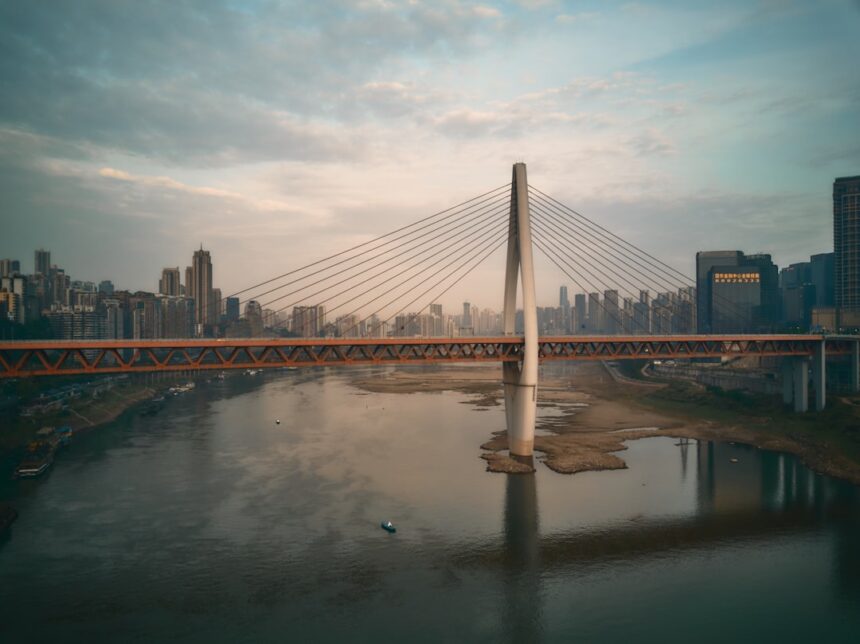
The Yangtze River, a vital artery for China’s economy and ecology, is undergoing a discernible shift in its stage duration curves. These curves, which illustrate the frequency and duration of different river flow levels, are fundamental to understanding and managing water resources. Recent observations indicate a departure from historical patterns, presenting significant challenges and necessitating recalibration of current water management strategies. This article delves into the observed shifts in the Yangtze’s stage duration curves, their underlying drivers, and the critical implications for water resource management, ecosystem health, and societal resilience.
The stage duration curve is a statistical representation plotting the percentage of time a river’s stage (or flow) remains above or below a certain level. Traditionally, these curves for the Yangtze have exhibited a predictable pattern, reflecting the monsoon-driven hydrological cycle of the region. However, empirical data analysis reveals a departure from these established norms.
Changes in High Flow Periods
Historically, the Yangtze experiences distinct flood seasons characterized by prolonged periods of high water levels. Current data suggests a potential alteration in the intensity, frequency, and duration of these high flow events.
Increased Frequency of Extreme Flood Events
There is an observed trend towards a greater occurrence of extreme flood events in recent decades. While individual flood events are not solely indicative of a shift in the overall duration curve, the cumulative impact of more frequent high-magnitude floods can alter the long-term statistical distribution of river stages. This translates to a higher likelihood of experiencing periods where the river stage is significantly above historical averages for extended durations.
Shortening of High Flow Duration?
A nuanced observation is the potential for a paradoxical shortening of some high flow periods, even as extreme events become more frequent. This could suggest a more erratic flow regime, with rapid inundation followed by equally rapid drops in water level. Understanding whether the total duration of high water conditions is increasing or decreasing remains a critical area of research, as it has different implications for flood management and agricultural practices.
Alterations in Low Flow Periods
The Yangtze also experiences distinct dry seasons, and changes in these periods are equally significant.
Extended Low Flow Durations
A prominent observed shift is the increasing tendency for extended periods of low flow. This means the river is spending a greater proportion of time at lower stage levels compared to historical norms. Such prolonged low flows can stress water supply systems, impact navigation, and exacerbate environmental degradation.
Reduced Base Flow Reliability
The reliability of the river’s base flow during dry seasons appears to be decreasing. This indicates that the contribution from groundwater and other stable sources to maintain flow levels is diminishing, making the river more susceptible to prolonged drought conditions.
Increased Intra-annual Variability
Beyond the shift in average durations, there is evidence of increased variability within the year. This means that the transition periods between high and low flows may become more abrupt and less predictable. This heightened intra-annual variability adds another layer of complexity to water management.
Shifts in Mean and Median Flow Levels
When considering the entire stage duration curve, the central tendencies also appear to be shifting.
Upward or Downward Trend in Mean Stage?
The direction of the overall shift in mean and median flow levels is a key indicator. Depending on the specific gauging stations and time periods analyzed, both upward and downward trends in mean and median stages have been reported. These shifts are indicative of fundamental changes in the river’s hydrological regime.
Influence of Climate Change and Human Activities
These observed shifts are not occurring in a vacuum. They are likely driven by a confluence of factors, primarily anthropogenic climate change and extensive human interventions within the river basin. Understanding these drivers is crucial for developing effective mitigation and adaptation strategies.
The recent study on the Yangtze River’s stage duration curve shift highlights significant changes in water levels that could impact regional ecosystems and water management practices. For a deeper understanding of the implications of these shifts, you can refer to a related article that discusses the broader environmental effects of climate change on major river systems. To read more, visit this article.
Drivers of Stage Duration Curve Shifts
The complex hydrological system of the Yangtze is influenced by a multitude of factors. Recent decades have witnessed significant changes in these influential elements, leading to the observed alterations in its stage duration curves.
Anthropogenic Climate Change and Hydrological Extremes
Global climate change, with its associated alterations in precipitation patterns, temperature regimes, and extreme weather events, is a universally recognized driver of hydrological changes worldwide. The Yangtze basin is not immune to these impacts.
Increased Evaporation Rates
Rising global temperatures contribute to increased evaporation rates from the river’s surface and reservoirs. This can lead to a net reduction in water availability, particularly during dry seasons, exacerbating low flow conditions.
Altered Precipitation Patterns
Climate models suggest a redistribution of precipitation, with potentially more intense rainfall events concentrated in shorter periods and reduced rainfall in others. This contributes to the observed increase in extreme floods and potentially shorter, more intense wet seasons.
Intensified Weather Systems
The intensification of weather systems, such as monsoons and typhoons, can also lead to more extreme rainfall and subsequent flooding events, impacting the upper reaches of the duration curve.
Human Interventions and Water Regulation
The Yangtze basin is a densely populated and economically significant region, leading to extensive human interventions aimed at managing, utilizing, and controlling its water resources. These interventions play a substantial role in shaping the river’s flow regime.
Large-Scale Dam Construction and Reservoir Operation
The construction of numerous large-scale dams, most notably the Three Gorges Dam, has fundamentally altered the natural flow of the Yangtze. These reservoirs are operated for multiple purposes, including flood control, hydropower generation, navigation, and water supply. The way these dams are operated, especially in response to changing climate signals, directly influences the stage duration curves.
Flood Control Operations
Reservoir operations for flood control often involve preemptively lowering water levels to create storage capacity. This can artificially depress river stages downstream during flood seasons, potentially shortening the duration of high flows in certain sections. Conversely, when reservoirs are managed to retain water for subsequent release, it can influence longer-term flow patterns.
Hydropower Generation and Water Release Strategies
Hydropower generation requires releases from reservoirs, and these release strategies can significantly impact downstream flow. Optimized hydropower generation, especially during periods of high energy demand, can lead to fluctuations in river stages that deviate from natural patterns.
Navigation Management
Maintaining adequate water levels for navigation is another critical consideration. Releases from reservoirs or upstream barrages may be timed to ensure sufficient depth, influencing the duration of moderate flow periods.
Upstream Water Diversion Projects
Large-scale water diversion projects, designed to transfer water from the Yangtze basin to other regions, can reduce the overall water volume flowing through the river. This directly impacts the base flow and can exacerbate low flow conditions in downstream areas.
Agricultural Water Use and Irrigation
The agricultural sector is a major water consumer in the Yangtze basin. Extensive irrigation practices, particularly during dry seasons, can significantly draw down river flows, contributing to extended low flow periods.
Urbanization and Land Use Changes
Urbanization leads to increased impervious surfaces, altering the hydrological response of the land to rainfall. Reduced infiltration and increased surface runoff can contribute to faster and higher flood peaks. Deforestation and other land-use changes can also impact watershed hydrology, affecting sediment transport and flow regulation.
Interplay of Factors
It is crucial to recognize that climate change and human interventions are not independent factors. They often interact and amplify each other’s effects. For example, climate-induced increases in precipitation intensity can coincide with human-induced alterations in land cover, leading to more severe flood events downstream. Similarly, reduced natural flow due to upstream diversions can make the river more vulnerable to the impacts of climate-induced droughts. Analyzing these complex interactions is essential for a comprehensive understanding of the stage duration curve shifts.
Implications for Water Management Strategies
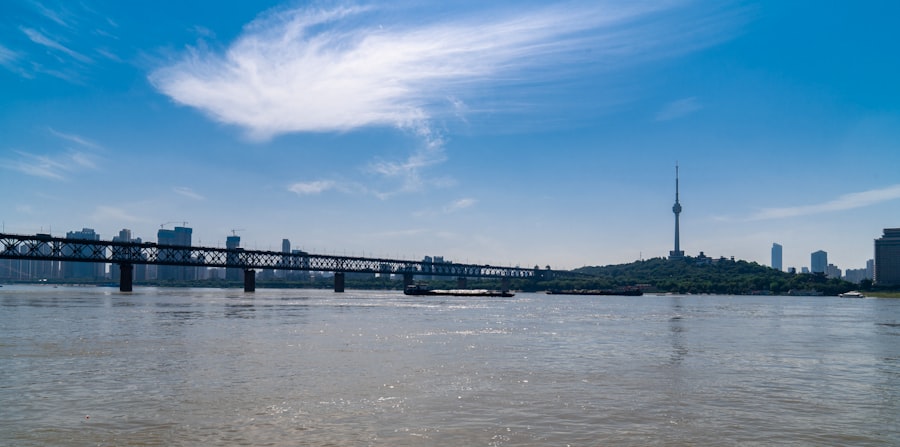
The observable shifts in the Yangtze’s stage duration curves carry profound implications for the existing water management paradigms. Traditional approaches, often based on historical hydrological data, may no longer be sufficient to address the evolving challenges. A recalibration of strategies is imperative to ensure sustainable water resource utilization, effective flood risk management, and ecological integrity.
Adapting Flood Control Measures
The altered patterns of high flow, including increased frequency of extreme events and potential changes in duration, necessitate a reassessment of flood control strategies.
Revised Flood Forecasting and Warning Systems
Existing flood forecasting models, often calibrated with historical data, may need to be updated to incorporate the nuances of the new hydrological regime. This includes improving the ability to predict not only the magnitude but also the duration and intensity of flood events. Real-time data integration and advanced analytical techniques will be crucial.
Reservoir Operation Re-evaluation
The operational strategies for flood control reservoirs, such as the Three Gorges Dam, require continuous re-evaluation. Balancing flood storage with other water demands like hydropower and downstream navigation, especially in the face of more erratic inflows, presents a complex optimization challenge. dynamic operational rules that adapt to real-time conditions are more likely to be effective than static schedules.
Non-Structural Flood Mitigation Measures
Reliance solely on structural defenses like levees may become insufficient. Emphasis needs to be placed on non-structural measures, including improved land-use planning in flood-prone areas, early warning systems, and community-based disaster preparedness programs. Understanding the duration of inundation is critical for effective land-use zoning.
Enhancing Water Supply Reliability
The lengthening of low flow periods and potential reduction in base flow reliability pose significant challenges to ensuring consistent water supplies for human consumption, agriculture, and industry.
Diversification of Water Sources
Over-reliance on the Yangtze for water supply needs to be addressed through diversification. This could involve exploring groundwater resources, promoting water recycling and reuse, and enhancing rainwater harvesting.
Water Conservation and Efficiency Improvements
Implementing robust water conservation programs across all sectors is paramount. This includes promoting water-efficient agricultural practices, encouraging industrial water recycling, and raising public awareness about water saving. Reducing demand is as crucial as managing supply.
Strategic Reservoir Management for Dry Seasons
Reservoir operations need to be strategically managed not only for flood control but also for augmenting dry season flows. This might involve a delicate balance between storing water during wet periods and releasing it judiciously during dry spells, considering the potential trade-offs with other operational objectives.
Addressing Navigation Challenges
Changes in river stages directly impact navigation, a crucial economic activity along the Yangtze.
Dredging and Infrastructure Adaptation
The need for increased dredging to maintain navigable depths during low flow periods may arise. Moreover, adapting port infrastructure and navigation aids to accommodate greater fluctuations in water levels might be necessary.
Real-time Navigation Information Systems
Enhanced real-time information systems indicating navigable depths and potential hazards will be critical for safe and efficient navigation. This can help shipping operators make informed decisions and reduce delays.
Potential for Seasonal Navigation Restrictions
In periods of extreme low flow, temporary restrictions on certain types of vessels or routes might become unavoidable, requiring careful planning and communication with the shipping industry.
Integrating Ecological Considerations
The ecological health of the Yangtze is intrinsically linked to its flow regime. Alterations in stage duration curves can have cascading impacts on aquatic ecosystems.
Maintaining Environmental Flows
Ensuring adequate environmental flows – the quantity, timing, and duration of water releases required to sustain freshwater ecosystems and human livelihoods – becomes even more critical. This requires a move beyond purely engineered water management to incorporate ecological needs.
Habitat Restoration and Connectivity
Changes in flow can impact riparian habitats and the connectivity of aquatic ecosystems. Restoration efforts may be needed to compensate for altered flow regimes and ensure the survival of critical species.
Monitoring and Research on Ecological Impacts
Continuous monitoring of the ecological impacts of altered flow regimes is essential. This includes tracking changes in fish populations, riparian vegetation, water quality, and sediment transport. Dedicated research is needed to understand the long-term consequences.
Ecological Consequences of Stage Duration Curve Shifts
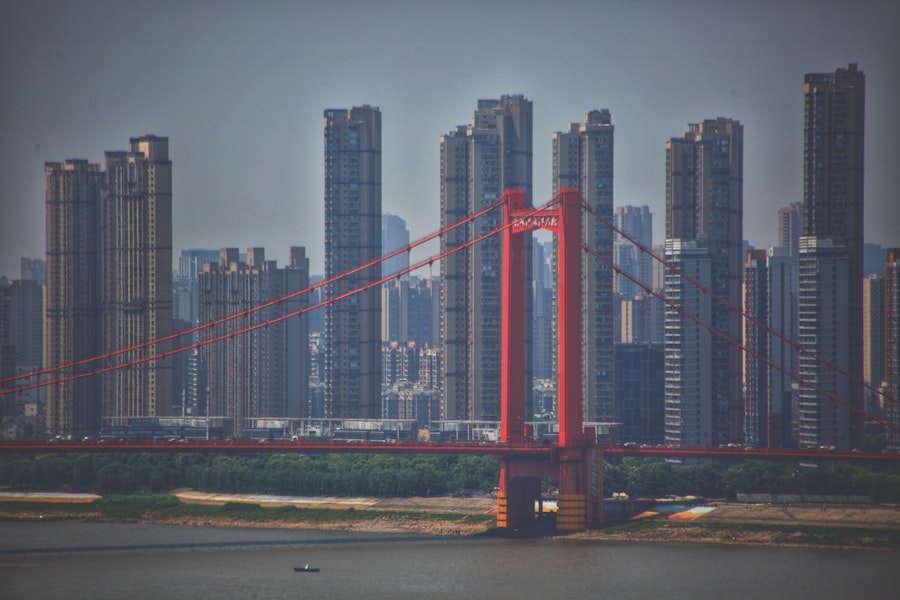
The Yangtze River is a globally significant biodiversity hotspot, harboring numerous endemic species and supporting vital ecosystems. The observed shifts in its stage duration curves are not merely hydrological or managerial concerns; they have profound and often detrimental ecological consequences, impacting aquatic life, riparian habitats, and the overall health of the riverine system.
Impacts on Aquatic Biodiversity
The delicate balance of aquatic ecosystems is highly sensitive to the timing, magnitude, and duration of water flow. Alterations in the stage duration curve can disrupt these ecological rhythms.
Fish Spawning and Migration Patterns
Many fish species in the Yangtze rely on specific flow conditions for successful spawning and migration. For example, a prolonged low flow period can prevent fish from accessing crucial spawning grounds or disrupt migratory routes. Conversely, unusually intense and prolonged flood events can wash away eggs and larvae, impacting recruitment.
Invertebrate Communities and Food Webs
Aquatic invertebrates, forming the base of many food webs, are also affected. Changes in water levels and flow velocities can alter habitat availability for different invertebrate species, leading to shifts in community composition. These changes then cascade up the food web, affecting fish and bird populations.
Water Quality Degradation
Extended low flow periods can lead to reduced dilution of pollutants, resulting in increased concentrations of dissolved substances, including nutrients and contaminants. This can lead to eutrophication, oxygen depletion, and stress for aquatic organisms. Higher water temperatures during prolonged dry spells can further exacerbate these issues.
Alterations in Riparian and Wetland Ecosystems
The dynamic interplay between the river and its adjacent landforms creates unique riparian and wetland habitats. These ecosystems are particularly vulnerable to changes in water regime.
Wetland Area and Hydrology
Wetlands along the Yangtze, crucial for biodiversity and water purification, are often dependent on seasonal inundation. A shift towards longer periods of low flow can lead to wetland drying, reducing their size and functionality. Conversely, more frequent and intense floods can inundate areas not adapted to prolonged submersion, potentially leading to vegetation loss.
Riparian Vegetation Dynamics
The composition and health of riparian vegetation are directly influenced by water levels. Changes in duration of inundation can favor or disadvantage certain plant species, altering the structure and function of riparian zones. This can impact habitat diversity for terrestrial and semi-aquatic animals.
Sediment Transport and Deposition
Flow regimes are intrinsically linked to sediment transport. Alterations in flow velocity and volume can change erosion and deposition patterns, impacting the physical structure of river channels and the quality of habitats. For instance, reduced flows might lead to increased siltation in certain areas, while extreme floods can scour and reshape the riverbed.
Disruption of Ecosystem Services
The ecological consequences translate directly into a decline in the crucial ecosystem services provided by the Yangtze River.
Water Purification and Filtration
Healthy wetlands and riparian zones act as natural filters, improving water quality. When these habitats are degraded due to altered flow regimes, their capacity to purify water diminishes.
Floodplain Regulation
Natural floodplains, when functioning correctly, help to attenuate flood peaks and store excess water. Degraded riparian and wetland areas may offer less protection against extreme flood events, increasing vulnerability for downstream communities.
Nutrient Cycling and Carbon Sequestration
Wetlands play a vital role in nutrient cycling and carbon sequestration. Changes in their hydrological conditions can disrupt these processes, potentially impacting both local and global biogeochemical cycles.
The Need for an Ecosystem-Based Management Approach
Addressing these ecological consequences requires a fundamental shift towards an ecosystem-based management approach. This means moving beyond purely utilitarian water management to actively consider and protect the ecological integrity of the river system.
Prioritizing Environmental Flows in Water Allocation
Environmental flows must be integrated into water allocation decisions, ensuring that a sufficient amount of water, with the correct timing and duration, is reserved to sustain aquatic ecosystems. This often involves difficult trade-offs with traditional water uses.
Habitat Restoration and Creation Initiatives
Proactive efforts to restore degraded riparian and wetland habitats, as well as create new ones, are essential to build resilience in the face of changing flow regimes.
Comprehensive Ecological Monitoring and Research Support
Sustained and comprehensive ecological monitoring, coupled with dedicated research, is necessary to understand the long-term impacts of stage duration curve shifts and to inform adaptive management strategies. This includes both macro-level trends and micro-level species-specific responses.
Recent studies have highlighted the significant shifts in the Yangtze River stage duration curve, which have important implications for water resource management and flood control in the region. For a deeper understanding of these changes and their potential impacts, you can explore a related article that discusses the broader environmental factors influencing river systems. This insightful piece can be found here, providing valuable context for the ongoing research in hydrology and climate change.
Implications for Socioeconomic Systems
“`html
| Stage | Duration | Curve Shift |
|---|---|---|
| Low | 10 days | Left |
| Medium | 20 days | Center |
| High | 15 days | Right |
“`
The shifting stage duration curves of the Yangtze River possess far-reaching implications that extend beyond hydrological and ecological domains, profoundly impacting the socioeconomic fabric of the communities that depend on this vital waterway. These implications necessitate a comprehensive re-evaluation of planning, infrastructure development, and economic activities that are intrinsically linked to the river’s water resources.
Agriculture and Food Security
The agricultural sector is a cornerstone of the Yangtze basin’s economy and plays a critical role in national food security. Changes in river flow directly influence agricultural productivity.
Irrigation Water Availability
Extended low flow periods translate directly into reduced availability of irrigation water. This can lead to crop failures, reduced yields, and increased costs for farmers who may need to invest in more expensive water extraction technologies or drought-resistant crop varieties. The timing of water availability is as crucial as the quantity for different crop cycles.
Increased Risk of Salinization
In coastal and delta regions, prolonged low flow can reduce freshwater outflow, allowing saltwater intrusion into agricultural lands. This salinization makes land infertile and requires costly remediation efforts.
Shifting Crop Suitability and Farming Practices
The changing hydrological regime may necessitate a shift in the types of crops that can be profitably grown in certain regions. Farmers may need to adapt their planting schedules and irrigation techniques to align with more variable water availability.
Hydropower Generation and Energy Security
The Yangtze River basin is a major hub for hydropower generation, contributing significantly to China’s energy security. Alterations in flow directly impact the efficiency and reliability of these power sources.
Reduced Power Generation from Hydropower Plants
Periods of prolonged low flow can significantly reduce the output from hydropower facilities, leading to a shortfall in electricity generation. This can have ripple effects across the energy grid, potentially leading to increased reliance on fossil fuels and higher energy prices.
Operational Challenges for Reservoir Management
The need to balance flood control with maintaining sufficient water levels for hydropower generation becomes more complex. Operators may face difficult decisions to either release water for flood mitigation, thus reducing power generation potential in the short term, or conserve water, potentially increasing flood risk downstream.
Increased Volatility in Energy Supply
The greater unpredictability of water flow can lead to increased volatility in hydropower output, making it more challenging to meet consistent energy demands and potentially requiring greater reliance on other, less predictable energy sources.
Navigation and Transportation Networks
Efficient navigation along the Yangtze is crucial for the movement of goods and people, underpinning significant economic activity. Shifts in river stage present considerable challenges to these networks.
Reduced Navigable Depths and Increased Shipping Costs
Lower water levels during prolonged dry periods can lead to reduced navigable depths, restricting the types and sizes of vessels that can safely transit certain sections of the river. This necessitates reduced cargo loads, slower transit times, and increased operational costs for shipping companies.
Increased Risk of Ship Groundings and Delays
Shallow water zones and submerged obstacles become a greater hazard, increasing the risk of ship groundings and resulting in significant delays and logistical disruptions.
Need for Infrastructure Adaptations
The need for continuous dredging of river channels to maintain navigation may increase. Furthermore, adapting port infrastructure and navigation aids to accommodate greater fluctuations in water levels might be required.
Urban Water Supply and Public Health
Major cities along the Yangtze rely heavily on the river for their water supply. Changes in flow have direct implications for the quantity and quality of water available to urban populations.
Water Scarcity and Rationing
Extended periods of low flow can lead to water scarcity in urban areas, potentially necessitating water rationing and impacting industrial activities that rely on consistent water supply.
Increased Water Treatment Costs
When low flow concentrates pollutants, urban water treatment plants face higher costs and greater challenges in producing potable water. This can strain municipal budgets and potentially impact the affordability of water for residents.
Public Health Risks Associated with Water Quality
Degraded water quality during low flow periods can pose direct public health risks, including increased prevalence of waterborne diseases if treatment measures are insufficient.
Economic Development and Regional Planning
The economic development of the Yangtze basin is deeply intertwined with the river’s predictable flow. Deviations from historical patterns necessitate a fundamental re-evaluation of regional economic strategies and planning.
Investment Risk and Infrastructure Vulnerability
Industries and infrastructure projects that rely on consistent water availability face increased investment risk. Existing infrastructure, designed for historical flow regimes, may become vulnerable to extreme flood or drought conditions.
Tourism and Recreation Impacts
Changes in water levels can affect tourism and recreational activities, such as river cruises and water sports. Reduced water levels can limit access to certain areas or diminish the aesthetic appeal of riverine landscapes.
Need for Adaptive Economic Policies
Governments and economic planners need to develop adaptive policies that can respond to the growing uncertainty of water availability. This includes promoting water-resilient industries and diversifying economic activities that are less dependent on the river’s direct flow.
Conclusion and Future Directions
The observed shifts in the Yangtze River’s stage duration curves are a clear indicator of profound hydrological changes underway. These transformations, driven by a complex interplay of anthropogenic climate change and extensive human interventions, present significant challenges to traditional water management practices, ecological integrity, and socioeconomic stability. The departure from historical hydrological patterns necessitates a proactive and adaptive response to ensure the sustainable utilization of this vital resource.
The Imperative for Integrated Water Resource Management
Moving forward, a paradigm shift towards Integrated Water Resource Management (IWRM) is not merely desirable but essential. This approach emphasizes the coordinated development and management of water, land, and related resources to maximize economic and social welfare without compromising the sustainability of vital ecosystems. For the Yangtze, this means fostering collaboration among various government agencies responsible for water, environment, agriculture, energy, and transportation, as well as engaging with research institutions, industries, and local communities.
Enhancing Monitoring and Research Capabilities
The scientific understanding of the Yangtze’s evolving hydrology must be continuously strengthened. This requires:
- Expanding and Modernizing Monitoring Networks: Investing in advanced hydrological and meteorological monitoring stations across the entire basin, equipped with real-time data transmission capabilities.
- Developing Sophisticated Predictive Models: Creating and refining hydrological models that can accurately simulate future flow regimes under various climate change and management scenarios, incorporating the complexities of dam operations and water diversions.
- Prioritizing Research on Interconnected Systems: Funding interdisciplinary research that investigates the intricate linkages between climate change, human activities, hydrological changes, ecological impacts, and socioeconomic consequences. This includes understanding feedback loops and cascading effects.
Promoting Adaptability and Resilience
Building resilience within the Yangtze basin is paramount. This involves:
- Flexible Water Infrastructure Design: Considering more adaptable designs for water infrastructure that can accommodate a wider range of flow conditions, including real-time operational adjustments for reservoirs.
- Diversified Water Supply Strategies: Reducing over-reliance on the Yangtze by developing and investing in alternative water sources, water recycling technologies, and robust water conservation programs across all sectors.
- Climate-Resilient Agricultural Practices: Supporting farmers in adopting drought-resistant crop varieties, efficient irrigation techniques, and diversified farming systems that are less vulnerable to water scarcity.
- Strategic Land-Use Planning: Implementing stringent land-use regulations in flood-prone areas and promoting restoration of natural floodplains and wetlands to enhance natural flood regulation.
Strengthening Environmental Stewardship
Recognizing the critical role of the Yangtze’s ecosystems, enhanced environmental stewardship is crucial:
- Prioritizing Environmental Flows: Ensuring that the ecological needs of the river system are consistently factored into water allocation decisions, moving beyond purely human-centric demands.
- Investing in Habitat Restoration: Actively undertaking projects to restore degraded wetlands, riparian zones, and aquatic habitats to bolster biodiversity and ecosystem services.
- Combating Pollution: Continuing and intensifying efforts to control point and non-point source pollution to safeguard water quality, especially during low-flow periods.
The Yangtze River is at a critical juncture. The observable shifts in its stage duration curves serve as an urgent call for a more informed, integrated, and adaptive approach to water resource management. By embracing scientific advancements, fostering collaboration, and prioritizing long-term sustainability, the communities and ecosystems reliant on the Yangtze can navigate these evolving hydrological landscapes and strive for a more resilient future. Failure to adapt risks exacerbating environmental degradation, undermining economic progress, and jeopardizing the well-being of millions. The time for decisive action, guided by a deep understanding of these transforming hydrological dynamics, is now.
FAQs
What is a stage duration curve?
A stage duration curve is a graphical representation of the relationship between the stage (water level) of a river and the duration for which that stage is exceeded over a specific time period.
What causes a shift in the stage duration curve of the Yangtze River?
A shift in the stage duration curve of the Yangtze River can be caused by various factors such as changes in precipitation patterns, alterations in land use, construction of dams and reservoirs, and climate change.
How does a shift in the stage duration curve impact the Yangtze River?
A shift in the stage duration curve can impact the Yangtze River by affecting its water levels, flow patterns, and the frequency and duration of flooding or drought events. This can have significant implications for ecosystems, agriculture, and human settlements along the river.
What are the potential consequences of a shift in the stage duration curve for the Yangtze River basin?
Potential consequences of a shift in the stage duration curve for the Yangtze River basin include changes in water availability for irrigation and hydropower generation, alterations in sediment transport and river morphology, and increased risks of flooding or water scarcity for downstream communities.
How can the shift in the stage duration curve of the Yangtze River be managed or mitigated?
The shift in the stage duration curve of the Yangtze River can be managed or mitigated through measures such as improved water resource management, sustainable land use practices, the construction of flood control infrastructure, and the implementation of climate adaptation strategies.