The Yangtze River, a titan of waterways, spans over 6,300 kilometers, the third-longest river in the world. Its mighty flow, originating from the Tibetan Plateau and emptying into the East China Sea, has long been the lifeblood of China, supporting agriculture, industry, transportation, and a vast human population. However, this same immense power carries a significant burden: sediment. The Yangtze, particularly in its middle and lower reaches, experiences substantial sediment transport, posing a persistent and multifaceted challenge for human endeavors that rely on the river’s navigability and ecological integrity. Among the various manifestations of this sediment load, the formation of “intake sediment tongues” stands out as a recurring and technically demanding issue for the management of water resources and infrastructure along its course.
Understanding the Sediment Dynamics of the Yangtze
To comprehend the phenomenon of intake sediment tongues, it is crucial to first grasp the fundamental dynamics of sediment transport within the Yangtze. The river’s vast drainage basin, encompassing diverse geological terrains and climatic zones, contributes a continuous supply of sediment, primarily silt and sand, eroded from its banks and tributaries. This sediment load is not uniformly distributed; it varies significantly with seasonal rainfall patterns, upstream land-use practices, and the degree of vegetation cover within the basin. During the monsoon season, increased precipitation leads to heightened erosion and a surge in the sediment concentration within the main channel.
Sources of Yangtze Sediment
The genesis of sediment originates from a combination of natural and anthropogenic factors. Natural erosion processes, driven by rainfall, wind, and the inherent erodibility of the landscapes within the Yangtze basin, contribute a considerable volume of material. However, human activities have amplified these natural processes. Deforestation in mountainous regions, unsustainable agricultural practices leading to soil degradation, and the construction of infrastructure, such as dams and roads, can further destabilize soil and increase runoff, thereby augmenting the sediment yield into the river system. The historical trajectory of the Yangtze has seen periods where sediment load was relatively lower, but human interventions, particularly in the latter half of the 20th century, have demonstrably increased the suspended sediment concentrations in many sections.
Sediment Transport Mechanisms
Sediment is transported by the Yangtze in several ways: in suspension, as bedload, and as dissolved matter. Suspended sediment, consisting of fine particles like silt and clay, is carried along with the water flow, contributing to the characteristic murkiness of the river. Bedload sediment, composed of larger particles such as sand and gravel, is rolled or bounced along the riverbed, particularly during periods of high flow. Dissolved sediment, a less visible component, is carried in solution from the weathering of rocks. The interplay of these transport mechanisms, influenced by the river’s velocity, depth, and gradient, dictates where and how sediment accumulates.
The ongoing dredging activities in the Yangtze River have raised concerns about the impact of sediment tongues on the river’s ecosystem and navigation. A related article that delves into the implications of these sediment formations and the challenges faced by environmentalists and policymakers can be found at In the War Room. This piece provides valuable insights into the balance between economic development and environmental preservation in one of the world’s most vital waterways.
The Formation and Characteristics of Intake Sediment Tongues
Intake sediment tongues are a specific and problematic form of sediment accumulation. They are characterized by the projection of deposited sediment from the riverbed towards water intake structures, such as those used for municipal water supply, industrial processes, or hydroelectric power generation. These tongues are not the result of a single event but rather a gradual accretion process that is intimately linked to changes in flow dynamics and sediment deposition patterns in the vicinity of intake structures.
Prevailing Flow Conditions
The formation of sediment tongues is highly dependent on the local flow regime. In areas where the river bends or where the riverbed geometry changes abruptly, flow velocities can decrease. This localized reduction in energy allows suspended sediment to settle out of the water column and accumulate on the riverbed. Intake structures, due to their physical presence and the localized alteration of flow patterns they induce, can exacerbate this deposition. Water being drawn into an intake can create a zone of reduced velocity immediately upstream, creating an environment conducive to sediment settling.
Hydrodynamic Influences on Sediment Deposition
The complex hydrodynamics around an intake structure play a crucial role. As water is drawn into the intake, it creates a suction effect. If the intake is not optimally designed or positioned, this suction can draw in sediment from surrounding areas. Furthermore, if the intake is located in a section of the river where sediment naturally tends to deposit, this effect can be magnified. The shape and size of the intake, the velocity of the water being drawn, and the presence of any upstream obstructions can all influence the localized flow patterns and, consequently, the deposition of sediment.eddies and recirculation zones that develop near the intake can trap sediment particles, leading to the gradual build-up of these tongue-like formations.
Physical Characteristics of Sediment Tongues
Intake sediment tongues typically consist of fine to medium sand and silt, the dominant sediment types found in the Yangtze. Their shape can vary from a diffuse, shallow accumulation to a more pronounced, elongated ridge extending from the bank or the riverbed towards the intake. The density and stability of these tongues are influenced by the grain size distribution of the deposited material and the frequency and intensity of current flows. In some cases, these tongues can become sufficiently substantial to partially obstruct or even completely block the intake, necessitating costly and time-consuming remediation efforts.
Consequences of Intake Sediment Tongues on Water Resource Management
The presence of intake sediment tongues presents a significant operational and economic challenge for managing the Yangtze’s water resources. Their impact is felt across various sectors that rely on the river for their water supply, leading to reduced efficiency, increased maintenance costs, and potential disruptions to vital services.
Hindrances to Water Abstraction and Supply
The most immediate consequence of sediment tongues is their direct interference with water abstraction. As these formations grow, they reduce the effective cross-sectional area available for water intake. This can lead to a decrease in the volume of water that can be drawn into the intake, potentially causing shortages for downstream users, particularly during periods of high demand. In extreme cases, the sediment tongues can completely choke the intake, necessitating immediate shutdown and dredging operations. This disruption can have severe repercussions for municipal water supplies, industrial cooling processes, and agricultural irrigation systems.
Impacts on Power Generation
For hydroelectric power plants situated along the Yangtze, intake sediment tongues pose a critical threat to operational efficiency and equipment longevity. The water drawn into turbines typically carries suspended sediment. While power plants are designed with some tolerance for sediment, excessive concentrations can lead to increased abrasion of turbine blades, impellers, and other critical components. This abrasion accelerates wear and tear, reduces the efficiency of energy conversion, and necessitates more frequent and costly maintenance. In severe cases, large quantities of sediment can bypass screening systems and enter the turbines, causing catastrophic damage. Sediment tongues in the vicinity of intakes can also alter flow patterns to turbines, leading to reduced hydraulic efficiency.
Increased Maintenance and Operational Costs
The persistent problem of sediment accumulation around intake structures inevitably leads to increased maintenance and operational costs. Regular dredging is often required to remove accumulated sediment and ensure continued access to water. This dredging process is both labor-intensive and expensive, involving specialized equipment and disposal of the dredged material. Furthermore, the constant monitoring of sediment levels and the implementation of preventative measures add to the overall operational expenditure. The need for unscheduled maintenance due to unexpected sediment buildup can cause significant operational disruptions and incur additional costs related to emergency repairs and the implementation of temporary solutions.
Mitigation and Management Strategies for Sediment Tongues
Addressing the challenge of intake sediment tongues requires a multifaceted approach, combining engineering solutions, improved operational practices, and, where feasible, upstream watershed management. No single solution is universally applicable; effective strategies often involve a combination of techniques tailored to the specific site conditions and the nature of the sediment problem.
Engineering Design and Retrofitting of Intakes
The initial design and subsequent retrofitting of intake structures play a pivotal role in mitigating sediment accumulation. Careful consideration of the intake’s location and orientation relative to prevailing flow patterns and natural sediment deposition zones is crucial. Elevated intakes, situated higher above the riverbed, can help to bypass the bulk of the bedload sediment. The use of screens, louvers, or vortex-type sediment separators can effectively remove a significant portion of suspended sediment before it enters the main intake conduit. For existing intakes, retrofitting with these technologies can offer substantial improvements. The design of the intake approach channel can also be optimized to minimize velocity reductions and prevent the formation of recirculation zones where sediment can settle.
Dredging and Sediment Removal Techniques
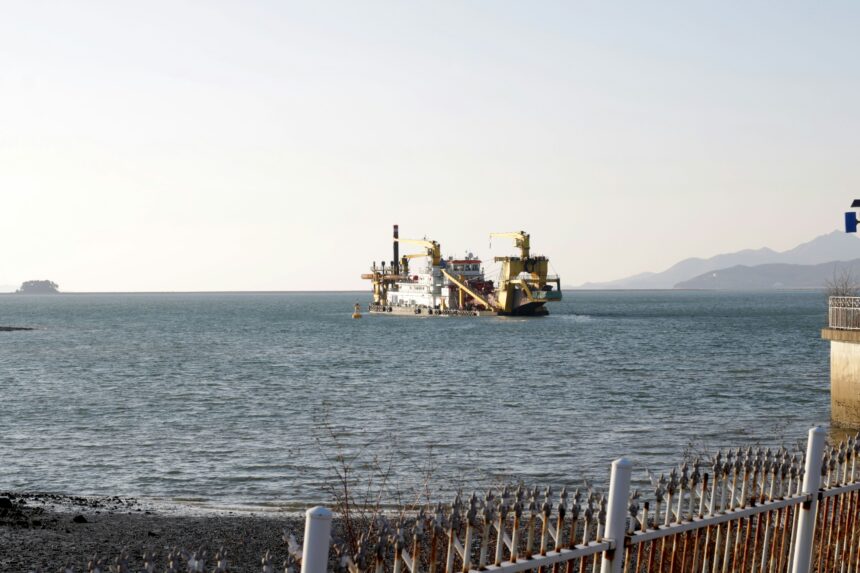
When sediment accumulation becomes unavoidable, dredging is the primary method for its removal. Various dredging techniques are employed, each suited to different conditions. Hydraulic dredging, using powerful pumps to excavate and transport sediment in a slurry, is common for larger volumes and finer sediments. Mechanical dredging, employing clamshell buckets or draglines, is often used for coarser materials or in more confined spaces. The efficient disposal of dredged material is also a critical consideration, requiring careful planning to avoid re-entrainment into the river or environmental contamination. Regular and pre-emptive dredging, rather than reactive removal, can often be more cost-effective and less disruptive.
Upstream Watershed Management and Sediment Control
Ultimately, reducing the sediment load entering the Yangtze is a fundamental long-term strategy. This involves implementing comprehensive watershed management practices in the upstream regions. Reforestation and afforestation programs can help stabilize soil and reduce erosion. Improved agricultural techniques, such as terracing and contour farming, can minimize soil loss from farmlands. The careful management of construction sites and industrial areas to prevent runoff containing sediment is also essential. While these upstream measures may not directly address existing sediment tongues, they can significantly reduce the overall sediment supply, lessening the frequency and severity of future deposition problems. The construction of upstream sediment detention basins and reservoirs can also help trap a portion of the sediment load before it reaches the problem areas downstream.
Recent studies have highlighted the environmental impact of dredging activities along the Yangtze River, particularly focusing on the formation of sediment tongues that can disrupt local ecosystems. For a deeper understanding of this issue, you can explore a related article that discusses the implications of these sediment formations on aquatic life and river navigation. This article provides valuable insights into the ongoing challenges faced by the Yangtze River and the measures being taken to mitigate these effects. To learn more, visit this informative piece.
Future Challenges and Research Directions
The Yangtze River continues to evolve, and with it, the challenges of sedimentation. Ongoing climate change, altering precipitation patterns and potentially intensifying rainfall events, could exacerbate erosion and sediment transport. The continued development of the Yangtze basin, including further infrastructure projects and urbanization, will also influence sediment dynamics. Therefore, a proactive and adaptive approach to sediment management is essential.
Advancing Sediment Monitoring Technologies
Accurate and real-time monitoring of sediment concentration and deposition patterns is vital for effective management. Advancements in remote sensing technologies, acoustic doppler profiling, and multi-beam sonar systems are providing increasingly detailed insights into riverbed morphology and sediment movement. The integration of these technologies with hydrological models can enable more accurate predictions of sediment transport and deposition, allowing for more targeted and efficient intervention strategies. Development of low-cost, durable, and automatic sediment sensors for continuous in-situ monitoring is an active area of research.
Research into Innovative Sediment Control Measures
There is an ongoing need for research and development of innovative sediment control measures. This includes exploring new materials and designs for sediment separators, investigating the potential of biological methods for soil stabilization in erosion-prone areas, and developing more efficient and environmentally friendly dredging and sediment disposal techniques. Furthermore, understanding the long-term ecological impacts of both sediment transport and sediment management practices is crucial for sustainable river management. This includes assessing the effects of altered sediment loads on aquatic ecosystems, fish spawning grounds, and riparian habitats. Continued investigation into the interaction between sediment and infrastructure, particularly understanding the mechanisms of sediment erosion and deposition around complex structures, remains a key research priority.
Integrated River Basin Management Approaches
Ultimately, the most effective approach to managing intake sediment tongues and the broader challenge of sedimentation in the Yangtze River lies in integrated river basin management. This necessitates a holistic perspective that considers the interconnectedness of upstream and downstream processes, recognizes the diverse needs of different stakeholders, and promotes collaboration among government agencies, research institutions, and local communities. Such approaches aim to balance economic development with environmental protection, ensuring the long-term health and vitality of this vital waterway. This includes fostering interdisciplinary research that bridges hydrology, sedimentology, ecology, and engineering to develop comprehensive and sustainable solutions.
FAQs
What is the Yangtze River dredging intake sediment tongues project?
The Yangtze River dredging intake sediment tongues project is a large-scale initiative aimed at removing sediment buildup in the river to improve navigation and reduce the risk of flooding. The project involves dredging sediment from the riverbed and creating sediment tongues to direct the flow of sediment away from the navigation channel.
Why is dredging important for the Yangtze River?
Dredging is important for the Yangtze River to maintain a navigable channel for shipping and transportation, as well as to reduce the risk of flooding. Sediment buildup can impede navigation and increase the likelihood of riverbank erosion and flooding during periods of high water flow.
How are sediment tongues created in the Yangtze River?
Sediment tongues are created in the Yangtze River through the strategic placement of dredged sediment. By depositing the dredged sediment in specific locations, engineers can create natural barriers that help direct the flow of sediment away from the navigation channel, reducing the need for continuous dredging.
What are the environmental impacts of the Yangtze River dredging intake sediment tongues project?
The Yangtze River dredging intake sediment tongues project may have environmental impacts, including potential disruption to aquatic habitats and ecosystems. However, the project aims to minimize these impacts through careful planning and environmental monitoring.
What are the potential benefits of the Yangtze River dredging intake sediment tongues project?
The potential benefits of the Yangtze River dredging intake sediment tongues project include improved navigation for shipping and transportation, reduced risk of flooding, and enhanced riverbank stability. Additionally, the project may contribute to the overall ecological health of the Yangtze River by managing sediment buildup.