World War II fundamentally transformed naval combat tactics as military forces adapted to new technological capabilities and operational requirements. The conflict introduced integrated warfare strategies that combined air, surface, and submarine operations, replacing the battleship-centered tactics of previous eras. Early naval engagements provided critical lessons that informed subsequent Allied and Axis strategies, ultimately determining key outcomes of the war.
Naval warfare during World War II integrated both traditional maritime practices and emerging technologies. Aircraft carriers became the dominant capital ships, submarines conducted extensive commerce raiding and fleet operations, and radar systems provided unprecedented situational awareness. Naval commanders were required to develop new tactical approaches that leveraged these technologies while accounting for the increased complexity of coordinated multi-dimensional operations.
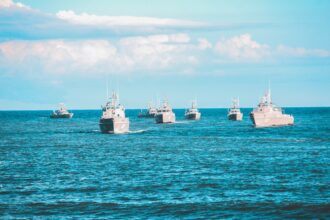
Fleet movements occurred in contested waters where threats from air, surface, and subsurface forces demanded constant tactical adjustments and rapid decision-making. This period established fundamental principles of modern naval warfare that combined technological innovation with strategic flexibility.
Key Takeaways
- WWII naval combat tactics were crucial in shaping the outcome of major battles and overall war strategy.
- Technological advancements, including submarines and aircraft carriers, transformed naval warfare during WWII.
- The Battle of the Atlantic highlighted the significance of submarine warfare and convoy protection tactics.
- Carrier warfare dominated the Pacific Theater, emphasizing air power and amphibious assault operations.
- Naval intelligence and codebreaking played a vital role in gaining strategic advantages throughout the war.
The Importance of Naval Combat in WWII
Naval combat played a crucial role in World War II, serving as a decisive factor in determining the balance of power among nations. Control of the seas allowed for the projection of military force, the transportation of troops and supplies, and the establishment of blockades that could cripple an enemy’s economy. The ability to dominate maritime routes was essential for both the Allies and Axis powers, as it directly influenced their capacity to wage war effectively.
The strategic importance of naval power was underscored by key battles that showcased how control of the oceans could dictate the outcome of land engagements. The significance of naval combat extended beyond mere military victories; it also had profound implications for national morale and public perception. Successful naval operations could bolster a nation’s confidence and resolve, while defeats at sea could lead to despair and a loss of faith in leadership.
Thus, naval combat was not just about ships and tactics; it was intertwined with national identity and the broader narrative of the war. Learn about the incredible leadership of Admiral Nimitz during World War II.
The Role of Technology in Naval Warfare
The technological advancements during World War II revolutionized naval warfare, introducing new weapons systems and methods that changed how battles were fought at sea. One of the most significant developments was the aircraft carrier, which became the centerpiece of naval fleets. Unlike traditional battleships that relied on heavy artillery, carriers allowed for air superiority and long-range strikes against enemy positions.
This shift in focus from surface engagements to aerial dominance redefined naval tactics, as fleets began to operate with an integrated approach that combined air and sea power. In addition to aircraft carriers, advancements in submarine technology also played a pivotal role in shaping naval combat strategies. Submarines became formidable adversaries capable of disrupting supply lines and launching surprise attacks on enemy vessels.
The introduction of sonar technology further enhanced anti-submarine warfare capabilities, leading to a cat-and-mouse game between surface ships and their submerged counterparts. These technological innovations not only altered the nature of naval engagements but also necessitated new training programs and operational doctrines to maximize their effectiveness.
The Battle of the Atlantic: Submarine Warfare
The Battle of the Atlantic epitomized the critical role of submarine warfare during World War
This prolonged conflict involved German U-boats attempting to disrupt Allied shipping routes across the Atlantic Ocean, aiming to starve Britain into submission. The effectiveness of U-boats early in the war demonstrated how submarines could inflict significant damage on enemy supply lines, leading to substantial losses for Allied merchant vessels. The tactics employed by German commanders focused on coordinated wolf pack attacks, where multiple submarines would strike simultaneously to overwhelm defenses.
| Tactic | Description | Key Advantages | Notable Usage | Effectiveness |
|---|---|---|---|---|
| Wolfpack Tactics | Coordinated group attacks by multiple submarines on convoys. | Increased attack success, overwhelmed convoy defenses. | German U-boats in the Battle of the Atlantic. | Highly effective early war; countered by improved Allied ASW. |
| Carrier Task Force Operations | Use of aircraft carriers to project air power over naval battles. | Extended strike range, air superiority, and reconnaissance. | Battle of Midway, Pacific Theater. | Decisive in shifting naval dominance to the US Navy. |
| Surface Raider Tactics | Use of fast surface ships to disrupt enemy shipping lanes. | Hit-and-run attacks, disruption of supply lines. | German pocket battleships and cruisers in Atlantic and Indian Oceans. | Moderately effective but limited by Allied naval patrols. |
| Convoy System | Grouping merchant ships with naval escorts for protection. | Reduced losses from submarine and air attacks. | Allied Atlantic convoys. | Highly effective in reducing shipping losses. |
| Night Surface Attacks | Submarines or destroyers attacking under cover of darkness. | Element of surprise, reduced detection risk. | Japanese destroyers in Solomon Islands campaigns. | Effective but risky due to limited visibility and coordination. |
| Amphibious Assault Coordination | Combined naval gunfire, air support, and landing operations. | Effective beachhead establishment and support for ground troops. | Normandy Invasion (D-Day), Pacific island hopping. | Crucial for successful large-scale landings. |
As the battle progressed, Allied forces adapted their strategies to counter the U-boat threat. The introduction of convoy systems provided a measure of protection for merchant ships, while advancements in anti-submarine warfare technology, such as depth charges and improved sonar, began to turn the tide against German submarines. The relentless pursuit of U-boats by Allied forces showcased the importance of intelligence gathering and coordination among naval units.
Ultimately, the Battle of the Atlantic highlighted how submarine warfare could shape broader strategic outcomes in a global conflict.
Carrier Warfare in the Pacific Theater

In stark contrast to submarine warfare in the Atlantic, carrier warfare emerged as a defining feature of naval combat in the Pacific Theater. The vast distances between islands necessitated a shift towards air power as a primary means of engagement. The Battle of Midway stands out as a pivotal moment in this arena, where American forces successfully ambushed a Japanese fleet attempting to extend its reach across the Pacific.
Carrier warfare required not only advanced technology but also innovative tactics that emphasized coordination between air and naval forces. The ability to launch airstrikes from carriers provided commanders with unprecedented flexibility in engaging enemy fleets and supporting ground operations.
This integration of air power into naval strategy became a hallmark of American military doctrine during World War II, leading to subsequent victories in key battles such as Guadalcanal and Leyte Gulf. The success of carrier warfare underscored its importance in establishing dominance over vast oceanic expanses.
Convoy Tactics and Protection
Convoy tactics emerged as a vital strategy for protecting merchant shipping during World War II, particularly in response to the threats posed by submarines and surface raiders. By grouping merchant vessels together under military escort, Allied forces aimed to minimize losses while ensuring vital supplies reached their destinations. This approach not only provided physical protection but also fostered a sense of security among crews navigating treacherous waters.
The effectiveness of convoy systems relied heavily on coordination among various naval assets, including destroyers, frigates, and aircraft. Escort vessels were tasked with detecting and neutralizing threats while maintaining communication with merchant ships. As the war progressed, lessons learned from previous engagements led to refinements in convoy tactics, such as zigzagging formations and improved anti-submarine measures.
These adaptations significantly reduced shipping losses and contributed to maintaining supply lines critical for sustaining military operations across multiple theaters.
Amphibious Assault and Landing Operations
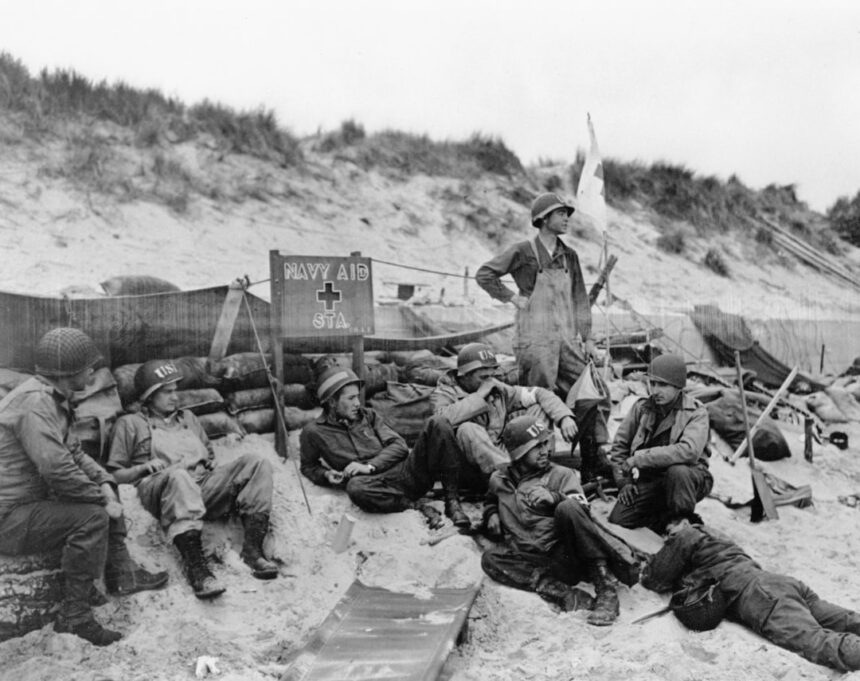
Amphibious assaults represented one of the most complex and challenging aspects of naval combat during World War
The success of amphibious operations hinged on several factors, including intelligence gathering, logistical support, and effective naval gunfire support. Naval vessels played a crucial role in softening enemy defenses before troops landed, providing cover fire that allowed soldiers to establish beachheads. Additionally, innovations such as landing craft enabled troops to disembark directly onto beaches, facilitating rapid troop movements and supply deliveries.
The lessons learned from these operations would inform future military strategies and shape post-war amphibious doctrine.
Naval Blockades and Interdiction
Naval blockades served as an essential tactic during World War II, aimed at restricting an enemy’s access to vital resources and supplies. By controlling key maritime chokepoints and employing surface ships and submarines strategically, nations sought to weaken their adversaries economically and militarily. The British blockade against Germany during World War I set a precedent that was revisited with renewed vigor during World War
The effectiveness of blockades relied on intelligence gathering and coordination among naval forces to monitor shipping routes continuously. The Allies implemented extensive blockades against Axis powers, targeting supply lines that sustained their war efforts. This strategy not only disrupted enemy logistics but also contributed to morale degradation among civilian populations reliant on imported goods.
As nations grappled with the realities of total war, naval blockades became an indispensable tool for achieving strategic objectives.
Guerilla Warfare and Naval Raids
Guerilla warfare tactics found their place within naval combat during World War II as smaller forces engaged in unconventional operations against larger adversaries. Naval raids conducted by specialized units aimed to disrupt enemy supply lines or gather intelligence while minimizing direct confrontations with superior forces. These operations often relied on speed, surprise, and stealth to achieve their objectives.
One notable example is the use of PT boats by American forces in the Pacific Theater. These fast patrol boats conducted hit-and-run attacks against Japanese shipping and installations, demonstrating how smaller vessels could effectively challenge larger fleets through guerilla tactics. Such operations highlighted the importance of adaptability in naval warfare, as commanders sought innovative ways to exploit weaknesses in enemy defenses while preserving their own forces.
The Role of Naval Intelligence and Codebreaking
Naval intelligence played a pivotal role in shaping strategies during World War II by providing commanders with critical information about enemy movements and capabilities. Codebreaking efforts, particularly those conducted by Allied cryptanalysts at Bletchley Park, yielded invaluable insights into Axis plans and communications. This intelligence advantage allowed for preemptive strikes and informed decision-making that significantly impacted naval engagements.
The success at Midway can be attributed in part to effective codebreaking efforts that revealed Japanese intentions prior to their attack. By intercepting communications and deciphering enemy codes, Allied forces were able to position their carriers strategically for a counteroffensive. This emphasis on intelligence gathering underscored its importance as a force multiplier in naval combat, enabling commanders to make informed choices that could turn the tide of battle.
The Legacy of WWII Naval Combat Tactics
The legacy of World War II naval combat tactics continues to resonate within modern military doctrine and strategy. The lessons learned from this conflict have shaped contemporary approaches to maritime warfare, emphasizing joint operations that integrate air, land, and sea capabilities. The innovations introduced during this period laid the groundwork for future advancements in naval technology and tactics.
Moreover, the experiences gained from World War II have influenced international maritime law and conventions governing naval engagements today. The principles established during this time regarding blockades, convoy systems, and amphibious operations remain relevant as nations navigate complex geopolitical landscapes. As military strategists reflect on past conflicts, they recognize that understanding historical tactics is essential for preparing for future challenges on the high seas.
In conclusion, World War II was a crucible for naval combat tactics that transformed how nations approached warfare at sea. From submarine warfare in the Atlantic to carrier operations in the Pacific, each theater presented unique challenges that required innovative solutions. As technology advanced and strategies evolved, commanders adapted their approaches to maximize effectiveness against formidable adversaries.
The legacy of these tactics endures today, serving as a testament to the enduring significance of naval power in global conflicts.
World War II naval combat tactics were pivotal in shaping the outcomes of various battles across the globe. For a deeper understanding of these strategies and their implications, you can explore a related article on naval warfare at In The War Room. This resource provides valuable insights into the tactics employed by naval forces during the war, highlighting key battles and the evolution of naval strategy.
WATCH THIS! 🎖️ The Battle of Midway: How Codebreakers Won the Pacific War
FAQs
What were the primary naval combat tactics used during WWII?
During WWII, naval combat tactics included the use of aircraft carriers for launching air strikes, submarine warfare for stealth attacks, surface ship engagements with battleships and cruisers, convoy escort tactics to protect merchant vessels, and amphibious assault operations.
How did aircraft carriers change naval tactics in WWII?
Aircraft carriers revolutionized naval tactics by allowing fleets to project air power far beyond the range of traditional naval guns. This led to a focus on carrier task forces, air superiority, and the use of carrier-based aircraft for reconnaissance, bombing, and anti-ship attacks.
What role did submarines play in WWII naval combat?
Submarines were crucial for disrupting enemy supply lines through stealth attacks on merchant and military ships. German U-boats, for example, targeted Allied convoys in the Atlantic, while American submarines played a key role in isolating Japan by sinking its merchant fleet.
How were convoy tactics used to protect merchant ships?
Convoy tactics involved grouping merchant ships together and escorting them with warships such as destroyers and corvettes. This provided protection against submarine and air attacks, using coordinated defense measures like sonar detection, depth charges, and air cover.
What was the significance of battleship engagements in WWII?
While battleships were less dominant than in previous wars due to air power, they still played important roles in shore bombardment, fleet defense, and surface combat. Notable battles like the Battle of the Atlantic and the Battle of Leyte Gulf involved significant battleship action.
How did amphibious assaults factor into naval tactics during WWII?
Amphibious assaults were critical for establishing beachheads and launching ground operations from the sea. Naval tactics included coordinated bombardments, landing craft deployment, and close air support to ensure successful landings, as seen in operations like D-Day and the Pacific island-hopping campaigns.
What technological advancements influenced WWII naval tactics?
Technological advancements such as radar, sonar, improved torpedoes, aircraft, and cryptography (e.g., codebreaking) significantly influenced naval tactics by enhancing detection, targeting, communication, and strategic planning capabilities.
How did naval tactics differ between the Atlantic and Pacific theaters?
In the Atlantic, tactics focused heavily on anti-submarine warfare and convoy protection against German U-boats. In the Pacific, tactics emphasized carrier-based air power, island-hopping amphibious assaults, and large-scale fleet engagements between surface ships and aircraft carriers.