
Defense contractors are private companies that develop, manufacture, and supply military equipment, technology, and services to government armed forces. These organizations produce a broad range of products including weapons systems, aircraft, naval vessels, communications equipment, and cybersecurity technologies. Defense contractors serve as primary suppliers for military hardware and technical services that support national defense operations.
The defense contracting industry operates through government procurement processes, where companies compete for contracts to fulfill specific military requirements. Major defense contractors typically maintain long-term relationships with government agencies and military branches, providing ongoing support for equipment maintenance, upgrades, and training services. The industry encompasses both large multinational corporations and smaller specialized firms that focus on particular technologies or components.
Government oversight of defense contractors occurs through various regulatory mechanisms, including contract specifications, quality standards, and compliance requirements. The procurement process involves competitive bidding for many contracts, though some specialized or classified projects may be awarded through limited competition. Financial aspects of defense contracting include cost-plus contracts, fixed-price agreements, and performance-based contracts, each with different risk allocation between the government and contractor.
The defense contracting sector faces ongoing scrutiny regarding cost management, delivery schedules, and performance standards. Regulatory frameworks exist to address concerns about pricing, quality control, and adherence to specifications. The relationship between government agencies and defense contractors continues to evolve as military requirements change and new technologies emerge.
The economic ramifications of defense contracting extend far beyond the confines of military budgets. Defense contractors contribute significantly to the U.S. economy by generating jobs, fostering technological advancements, and stimulating local economies.
With billions of dollars allocated annually to defense spending, these companies create a ripple effect that benefits various sectors, from manufacturing to research and development. The employment opportunities generated by defense contractors are substantial, providing livelihoods for millions of Americans and supporting families across the nation. Moreover, the technological innovations developed within the defense sector often find applications in civilian industries, leading to broader economic growth.
For instance, advancements in aerospace technology and information systems have been adapted for commercial use, enhancing productivity and efficiency in various fields.
Key Takeaways
- Defense contractors play a crucial role in national security and significantly impact the U.S. economy.
- There is a close relationship between Congress and defense contractors, influenced by lobbying and campaign contributions.
- Congressional oversight aims to ensure accountability in defense contracting amid concerns over national security.
- Defense contracting contributes to job creation and economic growth, balancing economic interests with security needs.
- Public criticism highlights concerns about Congress’s protection of defense contractors and the need for transparency.
The Relationship Between Congress and Defense Contractors
The relationship between Congress and defense contractors is characterized by a complex interplay of interests, lobbying efforts, and legislative oversight. Members of Congress often rely on defense contractors to provide insights into military needs and technological advancements, which can inform policy decisions and budget allocations. This collaboration is essential for ensuring that the armed forces are equipped with the necessary resources to address emerging threats effectively.
However, this relationship is not without its challenges. Critics argue that the close ties between lawmakers and defense contractors can lead to conflicts of interest and a lack of accountability in the procurement process. The potential for favoritism or undue influence raises concerns about whether decisions are made in the best interest of national security or driven by financial incentives.
As Congress navigates this intricate landscape, it must balance the need for informed decision-making with the imperative of maintaining integrity and transparency in its dealings with defense contractors.
National Security Concerns and the Need for a Strong Defense Industry
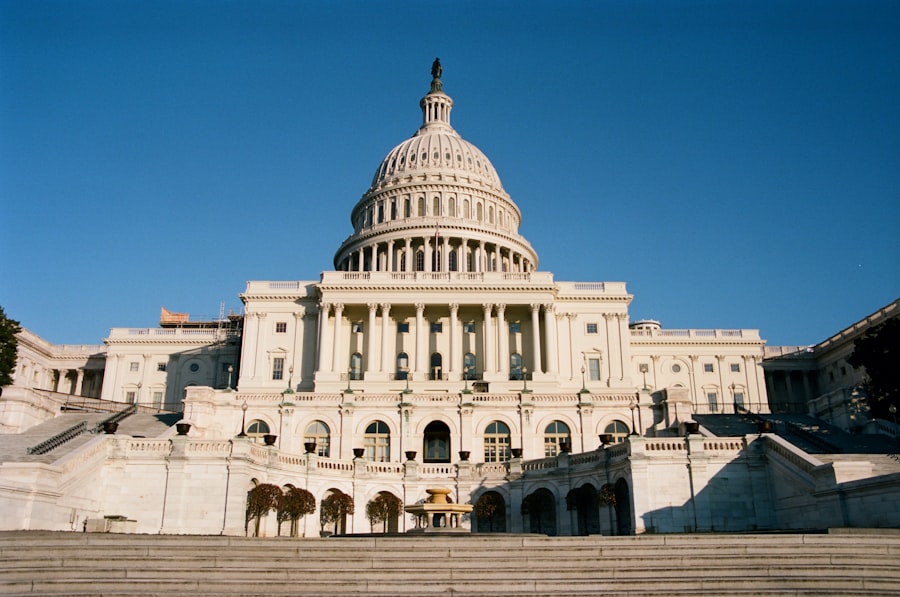
In an era marked by geopolitical tensions and evolving threats, the necessity for a strong defense industry has never been more pronounced. National security concerns compel governments to invest in advanced military capabilities that can deter aggression and protect citizens. A robust defense industry is essential for developing innovative technologies that enhance military readiness and operational effectiveness.
This includes everything from advanced weapon systems to intelligence-gathering capabilities that are critical for informed decision-making. The urgency of these needs has led to increased funding for defense contractors, as governments seek to bolster their military capabilities in response to perceived threats. This investment not only strengthens national security but also fosters a competitive edge in global military dynamics.
However, as nations prioritize defense spending, they must also consider the implications for domestic priorities such as education, healthcare, and infrastructure. Striking a balance between immediate security needs and long-term societal well-being remains a significant challenge for policymakers.
The Influence of Defense Contractors on Congressional Decision-Making
Defense contractors wield considerable influence over congressional decision-making processes through various means, including lobbying efforts and campaign contributions. These companies often employ lobbyists to advocate for policies that favor their interests, ensuring that their perspectives are represented in legislative discussions. This influence can shape funding priorities, procurement practices, and even the direction of national security strategy.
While lobbying is a legitimate aspect of the democratic process, it raises questions about the extent to which corporate interests can sway public policy. Critics argue that this influence can lead to decisions that prioritize profit over public safety or strategic necessity. As Congress grapples with these challenges, it must remain vigilant in ensuring that its decision-making processes are transparent and accountable to the public rather than unduly influenced by powerful corporate interests.
The Role of Lobbying and Campaign Contributions in Protecting Defense Contractors
| Reason for Protection | Description | Metric/Example |
|---|---|---|
| Economic Impact | Defense contractors provide significant employment and contribute to local economies. | Over 2 million jobs supported nationwide |
| National Security | Ensuring a reliable supply of defense technology and equipment is critical for military readiness. | 90% of military equipment sourced from private contractors |
| Political Influence | Defense contractors often lobby Congress to protect their interests and funding. | Over 300 million spent on lobbying annually |
| Technological Innovation | Contractors drive innovation in defense technology through research and development. | More than 50% of defense R&D budget allocated to contractors |
| Strategic Partnerships | Long-term contracts foster partnerships that ensure continuity and expertise. | Average contract length exceeds 5 years |
Lobbying and campaign contributions play a significant role in safeguarding the interests of defense contractors within the political arena. These companies often invest substantial resources in political action committees (PACs) to support candidates who align with their interests or advocate for increased defense spending. This financial backing can create a symbiotic relationship between lawmakers and defense contractors, where political support translates into favorable policies and contracts.
The implications of this dynamic are profound. While campaign contributions can enhance political engagement and support candidates who prioritize national security, they also raise ethical concerns about potential quid pro quo arrangements. The challenge lies in ensuring that the voices of constituents are not drowned out by corporate interests seeking to influence policy outcomes.
As Congress navigates this landscape, it must strive to uphold democratic principles while recognizing the legitimate role that lobbying plays in shaping national security discourse.
Congressional Oversight and Accountability in Defense Contracting

Effective congressional oversight is essential for maintaining accountability in defense contracting practices. Given the significant sums of taxpayer money involved in defense spending, it is imperative that Congress exercises its oversight responsibilities diligently to ensure that contracts are awarded fairly and that funds are used efficiently. This oversight includes scrutinizing procurement processes, evaluating contractor performance, and investigating instances of waste or fraud.
However, achieving meaningful oversight can be challenging due to the complexities of defense contracting and the influence of powerful stakeholders. Lawmakers must navigate a landscape where technical expertise is often required to assess contract proposals accurately.
Strengthening oversight mechanisms is crucial for ensuring that taxpayer dollars are spent wisely while maintaining public trust in government institutions.
The Impact of Defense Contracting on Job Creation and Economic Growth
The impact of defense contracting on job creation extends beyond direct employment within defense firms; it also encompasses a broader ecosystem of suppliers, subcontractors, and ancillary industries that support military operations. As defense contractors expand their operations to meet government demands, they create jobs not only within their own organizations but also throughout their supply chains. This multiplier effect contributes significantly to local economies, particularly in regions where defense spending is concentrated.
Moreover, the technological advancements driven by defense contracting often lead to innovation that spills over into civilian markets. The research and development efforts funded by defense contracts can result in breakthroughs that enhance productivity across various sectors, from healthcare to transportation. As such, the economic benefits of a strong defense industry extend well beyond military applications, underscoring its importance as a driver of overall economic growth.
The Balance Between National Security and Economic Interests in Congressional Decision-Making
In congressional decision-making regarding defense contracting, striking a balance between national security imperatives and economic interests presents a formidable challenge. On one hand, lawmakers must prioritize investments that enhance military readiness and protect citizens from emerging threats. On the other hand, they must consider the economic implications of their decisions—ensuring that taxpayer dollars are spent efficiently while fostering job creation and technological innovation.
This balancing act requires careful deliberation and an understanding of the interconnectedness between national security and economic prosperity. Policymakers must weigh immediate security needs against long-term economic goals, recognizing that investments in defense can yield both strategic advantages and economic dividends. Ultimately, effective decision-making hinges on transparency, accountability, and a commitment to serving the best interests of both national security and the broader public good.
Public Perception and Criticism of Congress’s Relationship with Defense Contractors
Public perception of Congress’s relationship with defense contractors is often fraught with skepticism and criticism. Many citizens express concerns about the potential for corruption or undue influence stemming from campaign contributions and lobbying efforts within the defense sector. This skepticism is compounded by instances where contracts have been awarded without sufficient oversight or transparency, leading to perceptions of favoritism or mismanagement.
As awareness grows regarding these issues, calls for reform have intensified. Advocates argue for greater transparency in campaign financing and lobbying activities related to defense contracting to ensure that public interests are prioritized over corporate profits. Addressing these concerns is essential for restoring public trust in government institutions and ensuring that national security decisions reflect the will of the people rather than being unduly influenced by powerful corporate interests.
The Future of Congressional Protection of Defense Contractors
Looking ahead, the future of congressional protection for defense contractors will likely be shaped by ongoing debates surrounding national security priorities, economic considerations, and public accountability. As geopolitical tensions continue to evolve, lawmakers will face pressure to ensure that military capabilities remain robust while also addressing concerns about transparency and ethical governance within defense contracting practices. To navigate this complex landscape effectively, Congress must commit to fostering an environment where national security needs are met without compromising public trust or accountability.
This may involve implementing reforms aimed at enhancing oversight mechanisms, increasing transparency in lobbying activities, and ensuring that decisions reflect both strategic imperatives and the broader interests of society. Ultimately, striking this balance will be crucial for maintaining a strong defense industry while upholding democratic principles in governance.
Congress plays a crucial role in protecting defense contractors, often justifying this support through national security concerns and economic stability. For a deeper understanding of the dynamics at play, you can read the article on this topic at this link. This article explores the intricate relationship between lawmakers and defense firms, shedding light on the implications for both policy and industry.
FAQs
Why does Congress provide protections to defense contractors?
Congress protects defense contractors because they play a critical role in national security by supplying the military with essential equipment, technology, and services. Ensuring the stability and reliability of these contractors helps maintain defense readiness and supports the country’s defense industrial base.
What types of protections does Congress offer to defense contractors?
Protections can include favorable contract terms, legal immunity in certain cases, guaranteed government contracts, and financial support. These measures help defense contractors manage risks associated with large, complex projects and encourage innovation and investment in defense technologies.
How do defense contractors benefit the U.S. economy?
Defense contractors contribute significantly to the U.S. economy by creating jobs, fostering technological innovation, and supporting a wide network of suppliers and subcontractors. Their work often leads to advancements that have civilian applications as well.
Are there concerns about Congress protecting defense contractors?
Yes, some critics argue that protections can lead to reduced competition, higher costs for taxpayers, and potential conflicts of interest. There are ongoing debates about balancing national security needs with transparency and fiscal responsibility.
Does Congress protect all defense contractors equally?
Protections may vary depending on the size of the contractor, the nature of the contract, and strategic importance. Large, established contractors often receive more robust protections due to their critical role in defense infrastructure.
How does Congress ensure accountability of defense contractors?
Congress uses oversight mechanisms such as audits, hearings, and reporting requirements to monitor defense contractors. Agencies like the Government Accountability Office (GAO) and the Department of Defense Inspector General also play key roles in ensuring contractors meet performance and ethical standards.
What role does lobbying play in Congress’s protection of defense contractors?
Defense contractors often engage in lobbying to influence legislation and secure favorable policies. While lobbying is a legal activity, it raises questions about the extent to which contractor interests shape congressional decisions.
Can protections for defense contractors change over time?
Yes, protections can evolve based on changes in national security priorities, budget constraints, and political considerations. Congress periodically reviews and updates defense procurement policies to address emerging challenges and improve efficiency.