
The USS Zumwalt (DDG-1000) is a guided-missile destroyer commissioned by the United States Navy. Named after Admiral Elmo R. Zumwalt Jr., the vessel incorporates stealth technology, advanced warfare systems, and multi-mission capabilities.
The Zumwalt class was developed to address evolving naval threats and operational requirements identified by the U.S. Navy. The ship features distinctive design characteristics and technological systems that differentiate it from previous destroyer classes.
Military analysts and defense industry professionals have examined its capabilities and role within contemporary naval operations. The USS Zumwalt represents current developments in naval engineering and serves as an example of modern warship design principles. This analysis examines the USS Zumwalt’s technical specifications, development costs, operational systems, and projected service applications within the U.S.
Navy fleet structure.
Key Takeaways
- USS Zumwalt features advanced stealth design and cutting-edge technology.
- Construction and operational costs are significantly higher than traditional destroyers.
- Equipped with innovative weapons systems, enhancing combat capabilities.
- Maintenance and crew expenses contribute substantially to overall costs.
- Future upgrades aim to improve performance and cost-efficiency.
Design and Technology
The design of the USS Zumwalt is nothing short of revolutionary. Its distinctive stealthy profile, characterized by angular lines and a low radar cross-section, allows it to operate undetected in hostile environments. This design philosophy is rooted in the need for naval vessels to evade detection while delivering powerful strikes against adversaries.
The hull form is not only aesthetically striking but also functional, enhancing the ship’s stability and maneuverability in various sea conditions. In terms of technology, the Zumwalt is equipped with an array of advanced systems that set it apart from traditional destroyers. The ship features an integrated power system that generates electricity for propulsion and onboard systems, allowing for greater efficiency and flexibility.
Additionally, its combat systems are state-of-the-art, incorporating advanced radar and sensor technologies that provide unparalleled situational awareness. The Zumwalt’s ability to network with other naval assets enhances its operational effectiveness, making it a formidable presence in any maritime theater.
Construction Costs
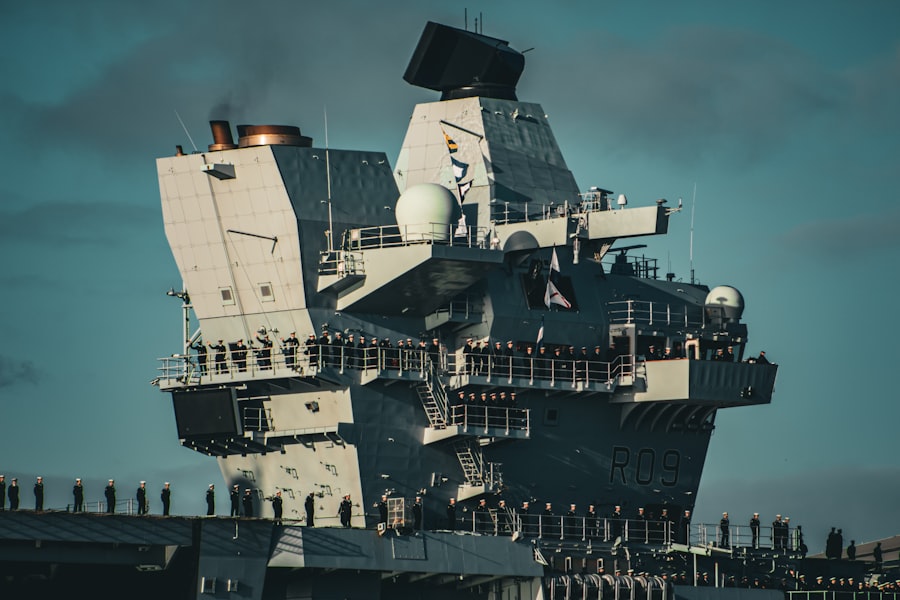
The construction costs associated with the USS Zumwalt have been a topic of considerable scrutiny and debate. Originally projected to cost around $1.3 billion per ship, the final price tag for the Zumwalt class has ballooned significantly due to various factors, including design changes and technological advancements. By the time the first ship was commissioned, estimates suggested that the total cost had exceeded $4 billion, raising questions about budget management and resource allocation within the Navy.
These escalating costs have prompted discussions about the viability of such high-priced vessels in an era of tightening defense budgets. Critics argue that the funds allocated to the Zumwalt could have been better spent on more conventional ships or systems that offer greater numbers and versatility. However, proponents contend that the advanced capabilities of the Zumwalt justify its expense, arguing that investing in cutting-edge technology is essential for maintaining naval superiority in an increasingly complex global landscape.
Weapons and Systems
The USS Zumwalt is armed with an impressive array of weapons systems designed to engage a variety of threats across multiple domains. At its core is the Advanced Gun System (AGS), which features two 155mm guns capable of firing precision-guided munitions over long distances. This system allows the Zumwalt to provide naval gunfire support for ground forces while also engaging surface targets with remarkable accuracy.
In addition to its primary armament, the Zumwalt is equipped with vertical launch systems (VLS) that can accommodate a range of missiles, including Tomahawk cruise missiles for land attack missions and Standard missiles for air defense. The ship’s advanced radar and sensor systems enhance its targeting capabilities, allowing it to engage multiple threats simultaneously. Furthermore, the Zumwalt’s design allows for future upgrades and integration of new weapons systems, ensuring that it remains relevant in an evolving threat environment.
Operational Costs
| Cost Category | Estimated Cost (in millions) | Description |
|---|---|---|
| Research and Development | 3500 | Design, prototyping, and testing of new technologies |
| Construction | 4500 | Building the ship including materials and labor |
| Weapons Systems | 1200 | Advanced missile launchers, guns, and electronic warfare systems |
| Electronics and Sensors | 800 | Radar, sonar, and communication equipment |
| Propulsion System | 600 | Integrated power system and engines |
| Testing and Trials | 400 | Sea trials and system validation |
| Training and Support | 300 | Crew training and initial maintenance support |
| Total Estimated Cost | 11300 |
Operational costs for the USS Zumwalt are another critical aspect to consider when evaluating its overall value to the Navy. The ship’s advanced technology and systems require specialized training and maintenance, which can drive up operational expenses significantly. Estimates suggest that operating a Zumwalt could cost upwards of $20 million annually, a figure that raises eyebrows given the Navy’s need to balance its budget across various platforms.
These operational costs are compounded by the ship’s unique capabilities, which necessitate a higher level of support and logistics compared to traditional destroyers. While some argue that these expenses are justified by the ship’s advanced capabilities and strategic advantages, others question whether such high costs are sustainable in the long term. As the Navy continues to assess its fleet composition and operational needs, finding a balance between cutting-edge technology and fiscal responsibility will be paramount.
Maintenance and Upkeep
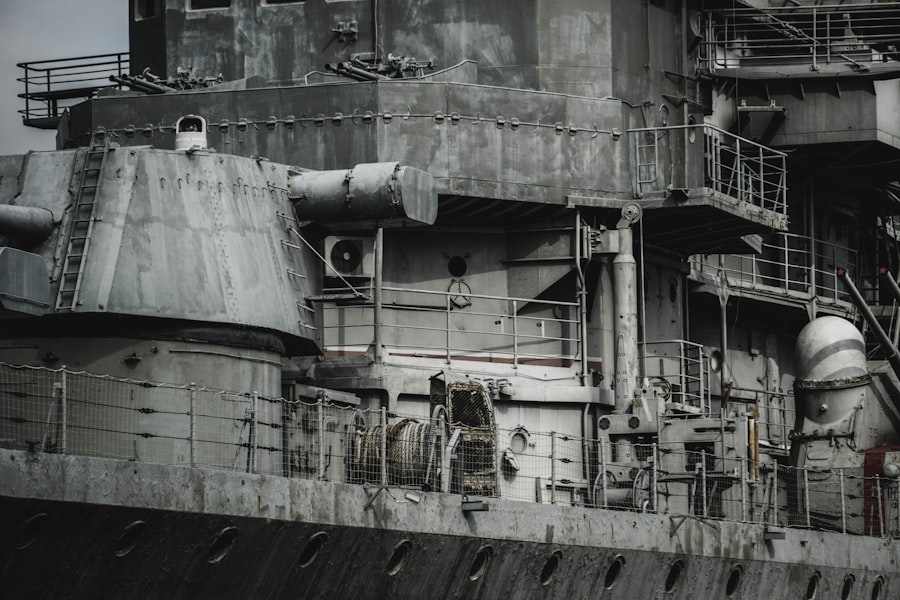
Maintenance and upkeep are crucial components of ensuring that the USS Zumwalt remains operationally ready throughout its service life. The ship’s advanced systems require regular inspections, repairs, and upgrades to maintain peak performance levels. This ongoing maintenance can be labor-intensive and costly, particularly given the complexity of the technologies involved.
The stealthy hull form and integrated systems may require specialized training for personnel tasked with upkeep, further driving up costs associated with maintaining the vessel. As such, effective maintenance strategies will be essential for maximizing the ship’s operational lifespan while minimizing downtime and repair expenses.
Crew and Personnel Expenses
The crew size aboard the USS Zumwalt is another factor influencing its overall cost structure. Unlike traditional destroyers that typically operate with larger crews, the Zumwalt is designed for reduced manning through automation and advanced technology. With a crew complement of approximately 140 personnel, it operates with fewer sailors than many comparable vessels.
While this reduction in crew size can lead to savings in personnel expenses, it also raises questions about workload and operational effectiveness. The reliance on automation means that crew members must possess higher levels of training and expertise to manage complex systems effectively. Consequently, while there may be initial savings associated with reduced crew numbers, ongoing training and personnel management will remain critical components of maintaining operational readiness.
Total Cost Breakdown
When considering the total cost breakdown of the USS Zumwalt, it becomes evident that several factors contribute to its overall financial footprint. Initial construction costs represent only one aspect; ongoing operational expenses, maintenance requirements, crew salaries, and potential upgrades all play significant roles in determining the ship’s long-term financial impact on the Navy. A comprehensive analysis reveals that while the initial investment in the Zumwalt may be substantial, its advanced capabilities could yield strategic advantages that justify these costs over time.
However, balancing these expenses against budgetary constraints will be essential as the Navy navigates an increasingly complex global security environment.
Comparison to Other Destroyers
In comparing the USS Zumwalt to other destroyers within the U.S. Navy fleet, several key differences emerge.
The Zumwalt’s stealth features and cutting-edge technology position it uniquely within naval warfare paradigms. However, this comparison also highlights some challenges associated with operating such an advanced vessel. While traditional destroyers benefit from established supply chains and maintenance practices developed over years of service, the Zumwalt’s innovative design may require new approaches to logistics and support.
As such, while it offers distinct advantages on paper, practical considerations regarding integration into existing fleets must be carefully evaluated.
Future Plans and Upgrades
Looking ahead, plans for future upgrades and enhancements to the USS Zumwalt are already being discussed within naval circles. As technology continues to evolve at a rapid pace, there is a pressing need for vessels like the Zumwalt to remain adaptable and capable of integrating new systems as they become available. This adaptability will be crucial for ensuring that the ship can effectively respond to emerging threats in an ever-changing maritime landscape.
Potential upgrades could include enhancements to weapon systems, improved sensor technologies, or even modifications to increase crew efficiency further. The Navy’s commitment to maintaining technological superiority means that ongoing investments in modernization will be essential for maximizing the operational effectiveness of the Zumwalt class over its service life.
Conclusion and Final Thoughts
In conclusion, the USS Zumwalt represents a bold step forward in naval warfare technology and design. Its unique features and advanced capabilities position it as a critical asset within the U.S. Navy’s fleet. However, this innovation comes at a significant cost—both in terms of initial construction expenses and ongoing operational requirements. As discussions about future naval strategies continue to evolve, balancing cutting-edge technology with fiscal responsibility will be paramount for decision-makers within the Navy. The Zumwalt serves as both a symbol of what is possible in modern naval warfare and a reminder of the challenges associated with pioneering new frontiers in military capability. Ultimately, how effectively the Navy navigates these complexities will determine not only the future of ships like the Zumwalt but also its overall readiness in an increasingly unpredictable world.
The USS Zumwalt destroyer, known for its advanced technology and stealth capabilities, has been a topic of discussion regarding its cost breakdown and overall budget implications for the Navy. For a more in-depth analysis of the financial aspects associated with the Zumwalt program, you can refer to this related article on the subject. Check it out here: USS Zumwalt Cost Breakdown.
FAQs
What is the total cost of the USS Zumwalt destroyer?
The total cost of the USS Zumwalt (DDG-1000) destroyer is approximately $4.4 billion, including research, development, and construction expenses.
Why is the USS Zumwalt destroyer so expensive?
The high cost is due to advanced technology integration, stealth design features, new weapon systems, and the ship’s innovative electric propulsion system, all of which contribute to increased development and production costs.
How much did the construction of the USS Zumwalt itself cost?
The construction cost of the USS Zumwalt hull and basic systems is estimated to be around $3.8 billion, excluding research and development expenses.
What portion of the cost is attributed to research and development?
Research and development for the Zumwalt-class program accounted for roughly $1 billion, covering new technologies and design innovations.
How many ships are in the Zumwalt-class destroyer program?
Originally, the Navy planned to build 32 Zumwalt-class destroyers, but the program was reduced to just three ships due to high costs and changing strategic priorities.
What are some key technologies that increase the Zumwalt’s cost?
Key cost-driving technologies include the ship’s stealth shaping, advanced radar and sensor systems, integrated electric propulsion, and the Advanced Gun System (AGS).
How does the USS Zumwalt’s cost compare to other destroyers?
The Zumwalt is significantly more expensive than traditional Arleigh Burke-class destroyers, which typically cost around $1.8 billion per ship, due to its cutting-edge technologies and unique design.
Are there ongoing costs associated with the USS Zumwalt?
Yes, ongoing costs include maintenance, upgrades, crew training, and operational expenses, which are expected to be higher than those for conventional destroyers because of the Zumwalt’s advanced systems.
Has the cost of the USS Zumwalt affected its deployment or use?
The high cost and technical challenges have led to a limited number of ships and adjustments in mission roles, focusing on testing new technologies and specialized operations rather than large-scale deployment.
Where can I find more detailed information about the USS Zumwalt’s cost breakdown?
Detailed cost information can be found in U.S. Navy budget documents, Government Accountability Office (GAO) reports, and defense analysis publications.