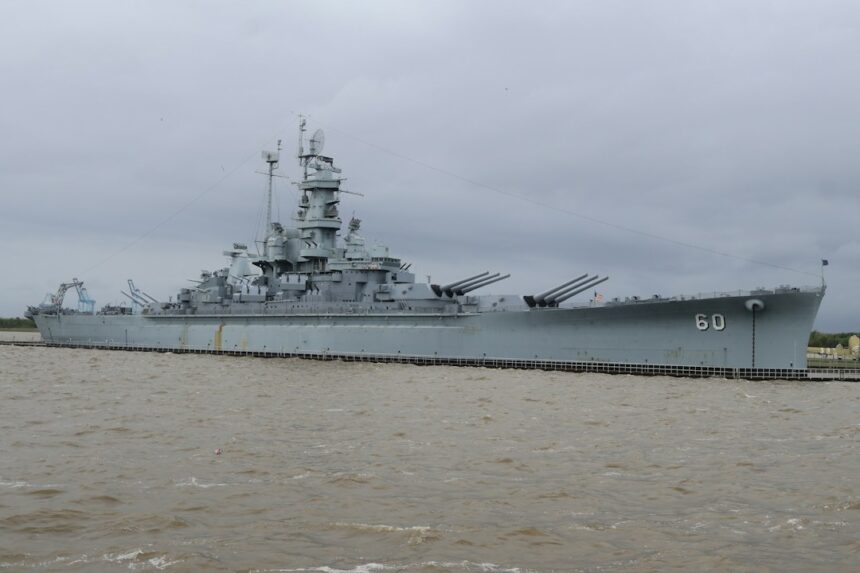
The USS Voge (FF-1047) stands as a testament to a crucial era in naval history, a period defined by the ever-present tension of the Cold War. Commissioned in the late 1960s, this Knox-class destroyer escort played a significant role in projecting American naval power and maintaining the delicate balance of global stability. Its service life was characterized by a dedication to its mission, participating in a variety of operations that underscored the strategic importance of the United States Navy during a time of unprecedented geopolitical rivalry. The story of the USS Voge is more than just a chronicle of a single vessel; it is a reflection of the broader naval strategies and challenges faced by the U.S. throughout the latter half of the 20th century.
Echoes of the Cold War: The USS Voge’s Early Years
The construction and commissioning of the USS Voge (FF-1047) were intrinsically linked to the escalating arms race and the strategic imperative to maintain a strong naval presence across the globe during the Cold War. As a Knox-class destroyer escort, the Voge was designed to be a versatile platform, capable of anti-submarine warfare (ASW), escort duties, and general-purpose naval operations. Its introduction into the fleet represented a continuation of the U.S. Navy’s commitment to technological advancement and quantitative superiority in the face of a formidable Soviet Union. The ship’s design emphasized survivability and the ability to operate independently or as part of larger task forces, a critical attribute in the vastness of the world’s oceans.
Birth of a Destroyer Escort
The keel of the USS Voge was laid down on October 27, 1966, at the Avondale Shipyards in Louisiana. This marked the beginning of the physical manifestation of a ship intended to serve as a frontline asset for the U.S. Navy. The Knox class, of which the Voge was a part, was a highly successful design, with numerous ships built to fulfill various roles. These vessels were designed with modern warfare capabilities in mind, incorporating advanced sonar systems, anti-submarine weaponry, and electronic countermeasures. The naming of the ship, USS Voge, honored Rear Admiral Ralph B. Voge, a distinguished naval officer, further cementing its place within the proud tradition of the U.S. Navy. The launch of the Voge occurred on July 22, 1967, with its christening by Mrs. Robert L. Gwin, wife of Rear Admiral Gwin.
Entering the Fleet and Initial Deployments
Following its construction and rigorous testing, the USS Voge was officially commissioned into the U.S. Navy on April 19, 1969, at the Boston Naval Shipyard. Captain Harry L. Davis served as its first commanding officer. This marked the official beginning of its operational career. The early months were dedicated to shakedown cruises and training exercises, allowing the crew to become proficient in the ship’s systems and tactics. These initial deployments were crucial for honing the vessel’s capabilities and integrating it into the broader naval structure. The Cold War was in full swing, and the need for ships like the Voge to patrol vital sea lanes and deter potential aggression was paramount.
The USS Voge (DE-1047) played a significant role during the Cold War, serving as a vital asset in anti-submarine warfare and maritime security operations. For those interested in exploring more about the history and contributions of naval vessels like the USS Voge during this tense period, a related article can be found at In The War Room, which delves into various naval strategies and the impact of Cold War-era ships on global security.
Patrols and Presence: The Voge’s Global Reach
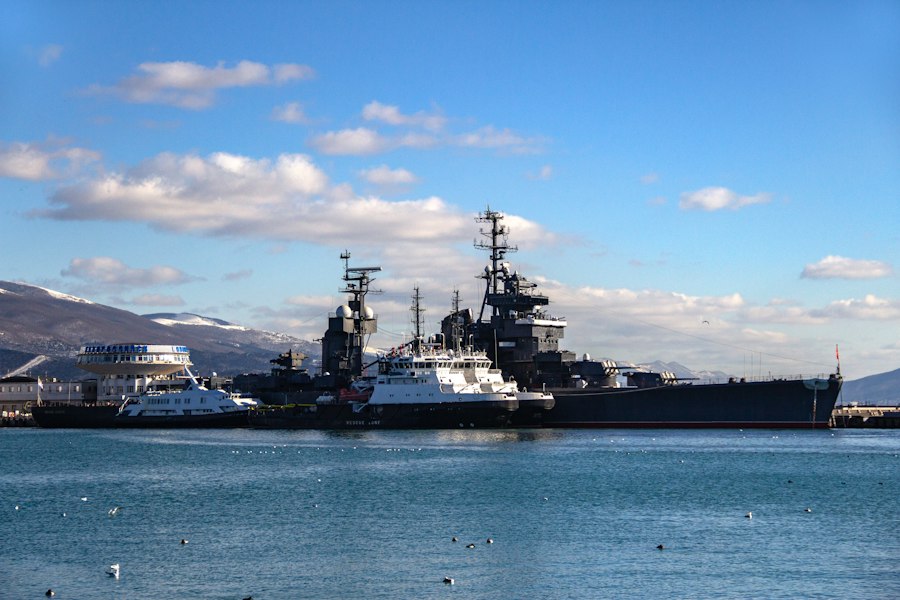
The operational career of the USS Voge was defined by its constant presence on the world’s oceans, a visible symbol of American naval power and a critical component of its strategy to contain Soviet influence. Its deployments were varied, taking it to distant shores and into strategically sensitive regions. The ship’s ability to conduct independent patrols, participate in exercises with allied navies, and respond to emergent situations showcased its adaptability and the dedication of its crew.
Mediterranean Vigilance
A significant portion of the USS Voge’s service life was dedicated to operations in the Mediterranean Sea. This region was a critical theater of the Cold War, bordering the Soviet Union and its allies. The Voge participated in numerous Sixth Fleet deployments, a consistent presence designed to monitor Soviet naval movements, support regional stability, and demonstrate U.S. commitment to its NATO allies. These patrols often involved close surveillance of Soviet naval vessels, a delicate and demanding task that required constant vigilance and expert seamanship. The Voge’s advanced sonar and ASW capabilities were put to the test regularly in this environment, which was frequently visited by Soviet submarines.
Atlantic and Caribbean Engagements
Beyond the Mediterranean, the USS Voge also conducted extensive operations in the Atlantic Ocean and the Caribbean Sea. These deployments were vital for several reasons. In the Atlantic, the Voge participated in exercises designed to maintain readiness for potential conflict in the North Atlantic, a key route for reinforcement and supply during a European war. In the Caribbean, the ship’s presence helped to deter illicit activities, monitor regional political developments, and provide humanitarian assistance when needed. Its involvement in exercises with other NATO navies, as well as forces from Caribbean nations, fostered interoperability and strengthened regional security partnerships.
Operations in Distant Waters
The Voge’s operational scope was not confined to its primary operating areas. The ship also undertook deployments to more distant waters, demonstrating the global reach of the U.S. Navy. These extended deployments could involve transit across the Atlantic, into the Indian Ocean, or even around the Cape of Good Hope, depending on strategic requirements. Such voyages provided valuable experience for the crew and underscored the Navy’s ability to project power and respond to crises anywhere on the globe. These missions often involved goodwill visits to friendly ports, further solidifying diplomatic ties and fostering understanding between nations.
The Submarine Threat: Voge’s Anti-Submarine Warfare Prowess
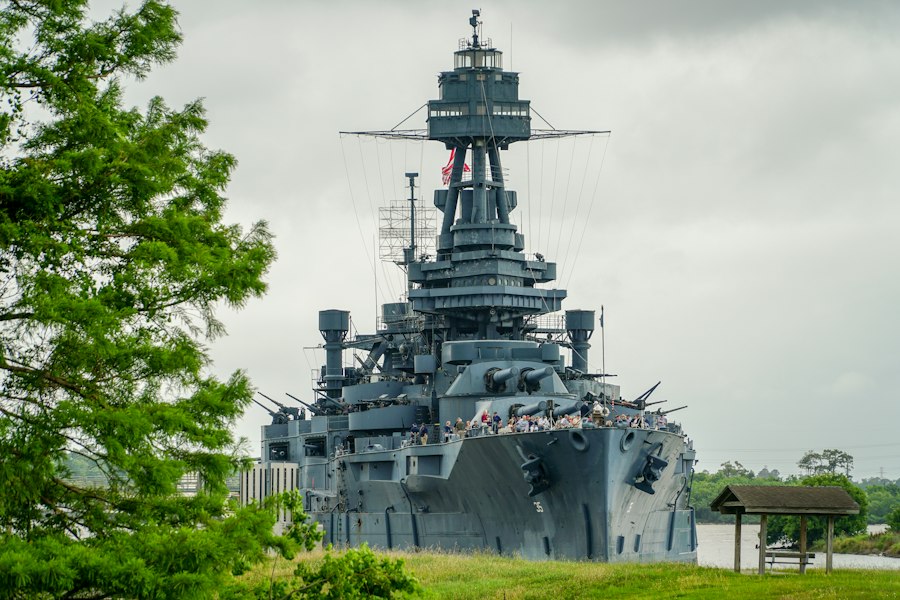
Central to the mission of the USS Voge, and indeed all ships of its class, was the relentless pursuit and detection of submarines. The Cold War was a deeply asymmetric conflict, and the Soviet Union’s formidable submarine force posed a significant threat to global maritime commerce and naval operations. The Voge was equipped with a suite of advanced anti-submarine warfare (ASW) systems, making it a crucial asset in countering this threat. Its ability to detect, track, and potentially neutralize enemy submarines was a cornerstone of its operational effectiveness.
Sophisticated Sonar Systems
The primary tools in the Voge’s ASW arsenal were its sophisticated sonar systems. The ship was equipped with both hull-mounted sonar and towed sonar arrays. Hull-mounted sonar provided a wide-angle view of the underwater environment, while towed arrays offered greater sensitivity and the ability to detect submarines at longer ranges, particularly in quieter ocean conditions. The constant operation and refinement of these sonar systems, coupled with the expertise of the sonar operators, were critical to the Voge’s success in the ASW role. The ability to differentiate between the sounds of marine life and the telltale signatures of a submarine was a skill honed through countless hours of training.
Anti-Submarine Weaponry
Beyond its detection capabilities, the USS Voge carried a range of weaponry designed to engage and neutralize submarines. These included Mk 32 torpedo tubes, capable of launching Mk 46 lightweight torpedoes, which were highly effective against submerged targets. The ship also carried ASROC (Anti-Submarine Rocket), a system that launched a torpedo or depth charge from a rocket-propelled booster, allowing for engagement of submarines at greater distances. In addition, the Voge was equipped with a Mk 10 Hedgehog anti-submarine mortar, a relic of earlier designs but still potentially useful in close-in engagements. The tactical employment of these weapons systems required precise coordination and skilled gunnery.
Exercises and Real-World Encounters
The Voge’s ASW capabilities were constantly tested and refined through a rigorous schedule of exercises. These drills, conducted with other U.S. Navy and allied vessels, simulated various submarine threat scenarios, allowing crews to practice their detection, tracking, and engagement procedures. While specific details of classified encounters are rarely publicized, it is understood that ships like the Voge regularly encountered Soviet submarines during their deployments, necessitating constant vigilance and adherence to strict operational protocols. These encounters, even if they did not result in engagement, served as a vital deterrent and provided invaluable intelligence.
Adapting to a Changing World: Later Years and Legacy
As the Cold War evolved and naval technology advanced, the USS Voge continued to serve, adapting to new challenges and operational requirements. Its service life, spanning over two decades, mirrored the significant shifts in global politics and the ongoing evolution of naval warfare. Even after its decommissioning, the Voge left a lasting mark on naval history, representing a generation of versatile warships that played a pivotal role in maintaining peace and projecting American influence.
Training and Readiness Missions
In its later years, the USS Voge, like many vessels of its era, increasingly focused on training and readiness missions. This involved participating in exercises that tested the crew’s proficiency in a wide range of naval operations, from basic seamanship to complex fleet maneuvers. The ship also served as a platform for training new sailors and officers, passing on invaluable experience and institutional knowledge. These assignments were crucial for maintaining the overall readiness of the U.S. Navy, ensuring that it could respond effectively to any contingency. The ship’s consistent operational tempo meant that its crew remained highly skilled and prepared.
Humanitarian and Support Roles
While primarily a warship, the USS Voge also participated in humanitarian and support missions throughout its career. These operations, though less publicized than its Cold War patrols, were an important aspect of naval diplomacy and demonstrated the U.S. Navy’s commitment to assisting in times of crisis. Such missions could include disaster relief, providing aid to nations affected by natural calamities, or participating in naval exercises with developing countries to foster goodwill and improve regional security. The versatility of the Knox-class design allowed the Voge to seamlessly transition between its primary military role and these vital humanitarian endeavors.
Decommissioning and Enduring Significance
The USS Voge was decommissioned on July 1, 1991, marking the end of its active service. Its retirement coincided with the winding down of the Cold War and the subsequent reorganization of naval assets. During its 22 years of service, the Voge had sailed millions of miles, participated in countless exercises, and fulfilled its mission with distinction. Its legacy lies not only in its operational record but also in its contribution to the broader strategy of deterrence and power projection that defined the Cold War. The ship represents a vital chapter in the U.S. Navy’s history, a testament to the dedication of its crews and the critical role of naval power in shaping global events. Its story, like that of many of its contemporaries, serves as a reminder of the complex geopolitical landscape of the late 20th century.
The USS Voge, a notable vessel during the Cold War, played a significant role in various naval operations and exercises that showcased American naval power. For those interested in exploring more about the history and contributions of the USS Voge, a related article can be found at this link, which delves into the ship’s missions and its impact on Cold War naval strategy. The insights provided in the article highlight the importance of such vessels in maintaining global stability during a tense period in history.
A Chapter Closed: The Voge’s Place in Naval Lore
| Year | Event | Description | Location |
|---|---|---|---|
| 1955 | Commissioning | USS Voge (DE-1047) was commissioned as a Dealey-class destroyer escort. | United States |
| 1960 | Anti-Submarine Warfare (ASW) Operations | Participated in ASW exercises to counter Soviet submarine threats during the Cold War. | Atlantic Ocean |
| 1968 | Sonar Testing and Development | USS Voge was used to test new sonar equipment to improve submarine detection capabilities. | North Atlantic |
| 1970 | Surveillance Missions | Conducted surveillance and intelligence gathering on Soviet naval activities. | North Atlantic and Mediterranean Sea |
| 1973 | Decommissioning | USS Voge was decommissioned after nearly two decades of service during the Cold War. | United States |
The USS Voge (FF-1047) may have been decommissioned, but its service and the era it represents continue to hold a significant place in naval lore and history. As a Knox-class destroyer escort, the Voge was part of a lineage of highly capable warships that played an indispensable role during a period of intense global strategic competition. Its story is interwoven with the broader narrative of the Cold War, a time when naval power was a primary instrument of foreign policy and a constant deterrent against potential conflict. The ship’s contributions, though often unheralded by the general public, were vital to the security interests of the United States and its allies.
The Knox-Class Legacy
The USS Voge belonged to the Knox class of destroyer escorts, a remarkably successful and numerous class of ships built for the U.S. Navy. A total of 46 ships were commissioned in this class, reflecting their perceived value and effectiveness in the naval strategy of the time. These vessels were designed to be multi-mission platforms, emphasizing their capabilities in anti-submarine warfare, escort duty, and general fleet support. The Knox class represented a significant investment in naval power, designed to counter the growing threat posed by the Soviet Union’s submarine fleet and to maintain a robust presence in key maritime regions around the world. The Voge, as one of these ships, embodied the design philosophy and operational intent of its class.
The Shadow of the Cold War
The service life of the USS Voge was almost entirely encompassed by the Cold War, a period of ideological and geopolitical tension that spanned nearly half a century. The Voge’s deployments to the Mediterranean, the Atlantic, and other strategic areas were direct responses to the strategic imperatives of this era. The ship’s constant vigilance against Soviet naval activities, particularly its submarine force, was a crucial element of the U.S. Navy’s strategy of containment and deterrence. The operational tempo and the demanding nature of its missions were a direct reflection of the high stakes involved in maintaining a global balance of power. The Voge was a working embodiment of the U.S. commitment to safeguarding international waterways and projecting stability.
Enduring Naval Significance
While modern naval vessels possess far more advanced technologies, ships like the USS Voge represent a critical bridge between historical naval traditions and contemporary naval operations. They demonstrated the enduring importance of sea power in projecting influence, maintaining freedom of navigation, and responding to crises. The lessons learned from the Voge’s service, from its ASW tactics to its operational deployments, contributed to the evolution of naval doctrine and strategy. The dedication of the crews who served aboard the Voge, often under challenging conditions, is a testament to the human element that remains at the core of naval effectiveness. The Voge’s story is a reminder of the sacrifices made and the vital contributions of naval personnel during a pivotal period in modern history, ensuring its lasting place in the annals of American naval achievement.
A Soviet Submarine Hit a U.S. Frigate. Was It the Wrong Ship?
FAQs
1. What was the role of USS Voge during the Cold War?
USS Voge, a Knox-class frigate, served as a part of the United States Navy’s fleet during the Cold War. Its primary role was to conduct anti-submarine warfare operations and escort missions in the Atlantic Ocean and Mediterranean Sea.
2. Did USS Voge participate in any significant Cold War events?
USS Voge played a crucial role in various Cold War operations, including surveillance missions near Soviet waters, supporting NATO allies, and participating in joint military exercises to deter potential threats from the Soviet Union.
3. How did USS Voge contribute to the overall U.S. military strategy during the Cold War?
USS Voge’s presence in key strategic locations helped maintain a strong U.S. naval presence in critical regions, ensuring maritime security, deterring adversaries, and supporting allies during the tense geopolitical climate of the Cold War.
4. What was the significance of USS Voge’s missions during the Cold War era?
USS Voge’s missions were vital in gathering intelligence, monitoring Soviet naval activities, protecting sea lanes, and demonstrating U.S. military capabilities, all of which were essential components of the United States’ overall strategy to contain Soviet influence during the Cold War.
5. How did the service of USS Voge contribute to the legacy of Cold War naval operations?
USS Voge’s service during the Cold War exemplified the dedication, professionalism, and readiness of the U.S. Navy in safeguarding national interests and promoting stability in a period marked by intense geopolitical rivalries and global tensions.